Most Flattering Colorsfor Pale Skin
Find the colors that look genuinely beautiful on pale skin. Discover which shades flatter you most — and which to skip.
Pale skin is beautiful and unique — it's highly reflective, picks up color temperature from nearby fabric more than any other skin tone, and responds dramatically to both good and poor color choices. That last part can feel intimidating, but it's actually a gift: when the colors are right, pale skin looks genuinely luminous, porcelain-bright, and striking. The key is understanding exactly which colors create that effect — and which ones do the opposite. You deserve to know exactly which those are.


3,000+
happy clients
Why Color Choice Matters More on Pale Skin
Pale skin is beautiful and unique — it's highly reflective, picks up color temperature from nearby fabric more than any other skin tone, and responds dramatically to both good and poor color choices. That last part can feel intimidating, but it's actually a gift: when the colors are right, pale skin looks genuinely luminous, porcelain-bright, and striking. The key is understanding exactly which colors create that effect — and which ones do the opposite. You deserve to know exactly which those are.
Pale skin is highly reflective — it picks up color cast from nearby fabric more readily than medium or dark skin tones. This is why some colors make pale skin look pink-bright, others make it look sallow-yellow, and still others create a grey or ashy cast. Your skin isn't just reacting to color; it's interacting with it. This makes color choice more consequential, not less.
The lightness of pale skin means it has relatively low inherent contrast. Colors that work best are typically those that create contrast — either through depth (deep, rich darks that frame pale skin) or through clarity and vibrancy (clear, bright colors that complement pale skin's brightness without fighting it). Colors that fail tend to be mid-tone, desaturated, or similar in value to pale skin itself — they create a look where everything reads as uniformly pale with no focal point.
Your specific undertone — whether your pale skin runs pink-cool, peachy-warm, neutral, or has a slight yellow quality — matters significantly. Cool-undertoned pale skin and warm-undertoned pale skin have different best color families. But the principle remains consistent: pale skin deserves colors with presence, not safe mid-tones that match its low pigment.
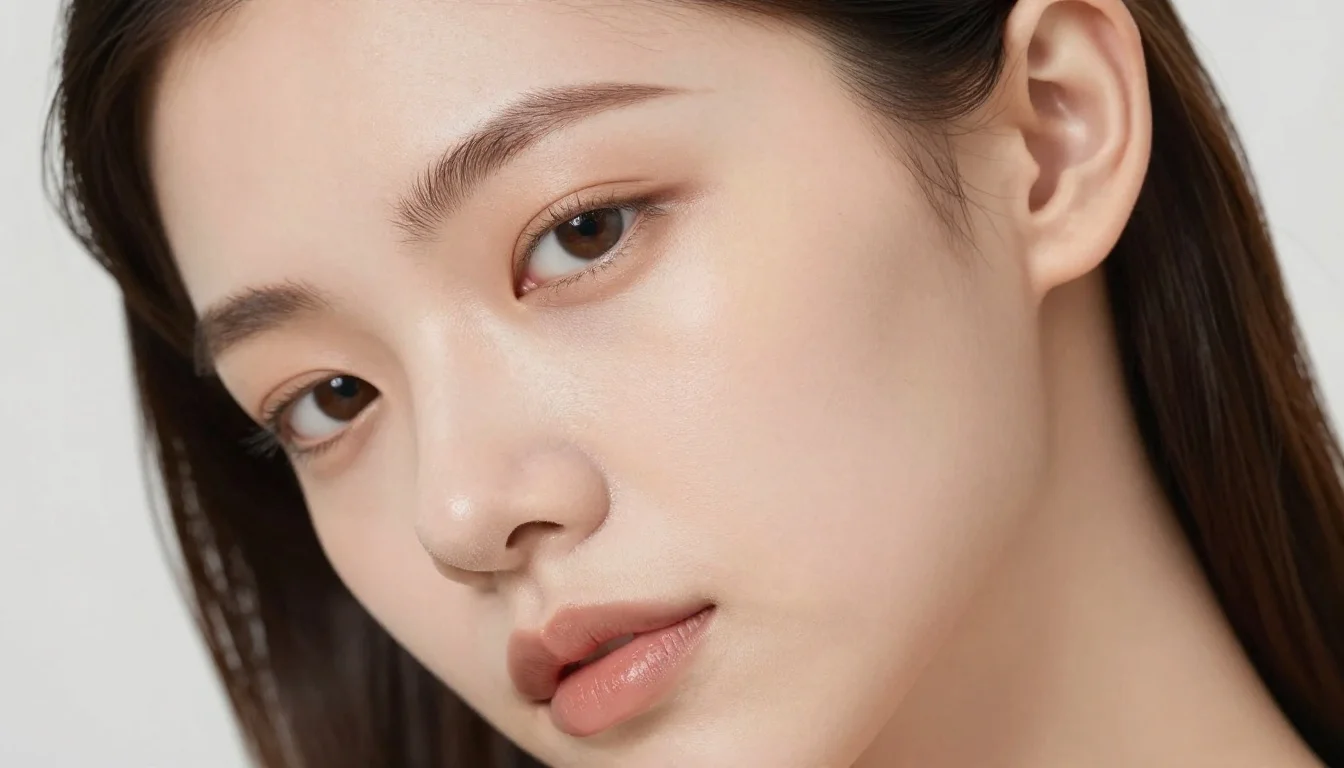
What colors look most flattering on pale skin?
Deep, rich darks — midnight navy, forest green, burgundy — create the contrast that frames pale skin beautifully. Vivid jewel tones like emerald, sapphire, and amethyst provide saturation and vibrancy that complement pale skin's clarity. Rich berry and raspberry tones add warmth and brightness. Crisp white creates clean, striking contrast. The principle: colors with real depth or saturation look dramatically better than pale or washed-out alternatives.
Your Most Flattering Color Families
Deep, Rich Darks
Deep darks are pale skin's most reliable flattering family — they create maximum contrast against a fair complexion, framing it and giving it visual structure. Midnight navy is perhaps the single most universally flattering color for pale skin: it has cool undertones that work with most pale skin tones, and its depth creates exactly the contrast needed. Rich burgundy adds warmth. Deep forest green creates a stunning, unexpected contrast. These colors make pale skin look porcelain-bright rather than washed out.
Vivid Jewel Tones
Vivid jewel tones work beautifully on pale skin because their saturation creates contrast and vibrancy without the severity of very dark colors. Vivid emerald next to pale skin looks genuinely striking — the richness of the color makes pale skin look luminous by contrast. Sapphire and cobalt blue are particularly effective for pink-toned pale skin. Amethyst and teal add richness while being less stark than pure darks. The key quality: real saturation.
Rich Berry, Raspberry and Rose
Rich pink and berry tones are consistently flattering on pale skin — they add warmth and brightness near the face without clashing or looking harsh. For cool-undertoned pale skin, vivid rose and cool berry are particularly effective, resonating with the pink quality in the complexion. For warmer pale skin, deep raspberry and cranberry add warmth without orange. These colors photograph beautifully against pale skin and create a glow effect in natural light.
Clear Warm Brights (for warm pale skin)
For pale skin with peachy or warm undertones, clear warm brights are deeply flattering — they echo the warmth in the skin and create a warm, glowing effect. Warm coral in particular is a standout: it adds the warmth that pale skin sometimes lacks while being clear and bright enough to create contrast. Clear warm turquoise creates beautiful contrast while resonating with skin that has some warmth. These are most effective on pale skin with warmth, not on cool-pink toned complexions.

Ready to see midnight navy & green on your face?
Start my color analysisWearing These Colors with Confidence
The framing principle
Pale skin looks most beautiful when the color near your face creates contrast or resonance rather than blending in. The most reliable approach: choose your top in a color with real presence — a deep jewel tone, a vivid berry, a rich dark — and build the rest of the outfit around that anchor. A deep navy or vivid emerald top with well-chosen trousers is consistently flattering and requires minimal effort. The contrast near your face is doing all the work.
You can wear vivid colors
One of the most liberating things to know about pale skin: vivid, saturated colors often look better on it than on darker skin tones, not worse. Pale skin has a clarity and lightness that allows vivid colors to read brightly rather than harshly. A vivid cobalt dress, a bright rose blouse, a vivid emerald blazer — these look genuinely striking on pale skin precisely because of its lightness. Trust that you can wear vivid colors. You're not too pale for them; you're the ideal canvas for them.
Professional settings
Deep navy is your most reliable professional color — it reads as authoritative and polished while creating exactly the contrast pale skin needs. Deep charcoal and forest green are excellent alternatives. A deep jewel-toned blouse under a neutral blazer is a consistent winner. Avoid the temptation to match the 'safe' beige and light grey professional palette — it reads as colorless on pale skin under office lighting. Deep, rich colors give you presence.
Evening luminosity
Pale skin in vivid jewel tones for evening looks genuinely striking and luminous. Deep sapphire, vivid emerald, or rich amethyst in silk or satin against pale skin creates a classic, elegant look that photographs beautifully. Alternatively, if you prefer light evening colors, choose crisp white or warm ivory rather than pale champagne or blush — the cleaner contrast with pale skin creates a sharper, more striking effect.

Colors That Can Make Pale Skin Look Washed Out
Very pale, washed-out pastels
Chalky, very pale pastels — dusty powder blue, faded lilac, washed-out blush — have no visual energy to create contrast against pale skin. They create a monochromatic flatness where everything is pale: skin, hair, and clothing blend together without visual structure. Vivid, clear pastels with real color presence can work on pale skin; the chalky, desaturated versions don't. Think 'saturated pastel' rather than 'faded pastel.'
Warm nude and beige shades
Warm nude, beige, and skin-tone-adjacent colors blend into pale skin and create a washed-out look where clothing and complexion merge. There's no contrast, no visual interest, and often an unflattering warm-yellow cast. If you love neutral basics, choose ivory with clear coolness or warmth rather than mid-range beige; choose crisp white or deep camel rather than the mid-ground that matches pale skin.
Shades that clash with your specific undertone
Cool pale skin (pink undertones) can look sallow in very warm, yellow-based colors. Warm pale skin (peachy undertones) can look washed out in very cool, icy colors. Your undertone is the most important guide within the pale skin category — knowing whether you run cool or warm helps you avoid the specific colors that create a cast against your complexion.
Stop guessing — preview every shade on you
See myself in my colorsSwaps That Make Pale Skin Luminous
Trading the shades that wash out pale skin for ones that make it glow.
Beige blends into pale skin with no contrast. Crisp ivory creates clean brightness; vivid rose adds warm vibrancy that makes pale skin glow.
Light grey and beige lack contrast against pale skin. Navy and forest green provide the depth that frames pale skin beautifully.
Chalky lavender disappears next to pale skin. Rich amethyst has genuine saturation that creates visual presence and adds luminosity.
Pale blush and champagne blend into pale skin. Jewel tones create the striking contrast that makes pale skin look porcelain-luminous.
Washed sage has no visual energy next to pale skin. Rich forest green and vivid teal provide depth and vibrancy that truly flatters.
Pale yellow creates a sallow cast on many pale skin tones. Vivid coral and clear red add warmth and contrast without clashing.
Which Seasonal Palette Might Be Yours?
Pale skin spans several seasonal palettes from warm springs through cool summers and winters. Your season is determined by your undertone, hair color, and eye color — not skin lightness alone.
Cool Summer
Learn moreIf your pale skin has a pink or neutral-cool undertone, your hair is light to medium with cool or ashy tones, and your overall look is soft and cool rather than vivid or warm, Cool Summer is a common fit. Your palette is cool and soft: dusty rose, soft berry, slate blue, cool sage, and muted teal. Elegant and cool.
Light Spring
Learn moreIf your pale skin has a warm, peachy or ivory quality, your hair has warm tones, and your overall look is warm and light rather than cool or dramatic, Light Spring may fit. Your palette is warm and clear: coral, warm peach, golden yellow, light warm green, and warm ivory. Warm and luminous.
Cool Winter
Learn moreIf your pale skin is very fair with a distinctly cool or pink-blue quality, your hair is dark or has cool tones, and you have high natural contrast, Cool Winter may fit. Your palette is cool and vivid: icy blue, bright cobalt, crisp white, vivid magenta, and cool emerald. High contrast and vivid.
Find Your Exact Best Colors
Pale skin is genuinely beautiful — and when the colors are right, it looks luminous, fresh, and striking in a way that darker complexions can't replicate. The specific shades that flatter your pale skin most depend on whether you run cool-pink, warm-peachy, or neutral in undertone, your hair color, and your overall contrast level. A personalized color analysis takes all of these into account and gives you a precise palette that works with your pale skin rather than against it.
Stop guessing — preview every color on you
Preview Yourself In Your Palette
Get my personalized paletteStop guessing — preview every color on you
Preview Yourself In Your Palette

Related Guides for Most Flattering Colors for Pale Skin
Explore more personalized color advice based on your features.
Want to see these colors on you? What Colors Look Good on Me — free to try.
Frequently Asked Questions About Most Flattering Colors for Pale Skin
What colors look most flattering on pale skin?
Deep, rich darks — midnight navy, forest green, burgundy — create the contrast that frames pale skin beautifully. Vivid jewel tones like emerald, sapphire, and amethyst provide saturation and vibrancy that complement pale skin's clarity. Rich berry and raspberry tones add warmth and brightness. Crisp white creates clean, striking contrast. The principle: colors with real depth or saturation look dramatically better than pale or washed-out alternatives.
What colors should pale skin avoid?
Pale skin tends to look least flattering in colors that blend with its lightness — very pale, chalky pastels that create no contrast, warm beige and nude tones that merge with the complexion, and colors that clash with your specific undertone. Mid-tone, desaturated colors are the most common issue: they're neither dark enough to create contrast nor vivid enough to add any energy.
Can pale skin wear vivid, bright colors?
Yes — and this is one of the most important things to know. Pale skin actually handles vivid colors beautifully because its lightness and clarity allow colors to read brightly and cleanly rather than heavily. A vivid cobalt blue, a bright emerald, a vivid rose — these look genuinely striking on pale skin. Don't retreat into only safe neutrals; your pale skin is one of the best canvases for vivid color.
Does white look good on pale skin?
Crisp, bright white creates clean contrast against pale skin and can look very striking — particularly for cool-undertoned pale skin. Warm ivory tends to work better for warm-undertoned pale skin. The color to avoid is very pale off-white with a grey cast — it has neither the contrast of white nor the warmth of ivory. Stark or crisp whites are generally better for pale skin than anything in the pale-grey zone.
Is black flattering on pale skin?
Black can work on pale skin, particularly when there is clear contrast between hair and skin (dark hair, pale skin). It creates high contrast and can look very striking. However, rich deep colors — navy, forest green, burgundy — are often even more flattering because they add color interest while providing the same depth contrast. All-black next to very pale skin can sometimes look stark; a jewel-tone top with black bottoms is often more balanced.
What are the most flattering colors for pale skin with pink undertones?
Pale skin with pink undertones looks best in cool-leaning colors that resonate with that pink quality: midnight navy, deep cobalt, rich plum and amethyst, cool emerald, and vivid rose. Colors with a warm or yellow base can make pink-toned pale skin look flushed. Crisp white looks excellent. Rich berry and raspberry tones are particularly flattering — they complement the pink quality rather than fighting it.