Colors for Red Hairand Pale Skin
Red hair and pale skin creates a naturally warm, soft combination. Discover which shades complement your coloring — and which to avoid.
Red hair and pale skin creates a warm, luminous combination — but it needs colors that meet it on its own terms. Unlike dark hair on pale skin, there is no high contrast to work with. The warmth of red hair and the delicacy of pale skin together ask for colors with depth, warmth, and just enough contrast to make pale skin look lit from within. The wrong colors flatten this combination quickly; the right ones make it unforgettable.


3,000+
happy clients
Why Red Hair and Pale Skin Has Its Own Color Rules
Red hair and pale skin creates a warm, luminous combination — but it needs colors that meet it on its own terms. Unlike dark hair on pale skin, there is no high contrast to work with. The warmth of red hair and the delicacy of pale skin together ask for colors with depth, warmth, and just enough contrast to make pale skin look lit from within. The wrong colors flatten this combination quickly; the right ones make it unforgettable.
Red hair and pale skin is not a high-contrast combination — it is a warm, medium-contrast one. Red hair (whether copper, auburn, strawberry, or true red) carries warm orange-red pigment. Pale skin with red hair typically has peachy, ivory, or slightly pinkish undertones rather than the cool blue-pink of pale skin on dark-haired types. The combination has an inherent warmth that defines what looks good and what doesn't.
This warmth means cool, clear, icy colors consistently disappoint. They fight the temperature of both red hair and pale warm skin, making the skin look grey or sallow rather than bright. Colors need either warmth to harmonize with the combination or enough depth and coolness to create meaningful contrast without temperature conflict. Muted, earthy tones and rich medium-to-deep tones are this combination's sweet spot.
Pale skin with red hair also tends toward lower contrast — the skin is light, the hair is warm-toned rather than dark. This means very pale, high-brightness colors (pure white, icy pastels) don't create enough visual separation from skin to read as striking. You need colors with substance: warmth, depth, or both.
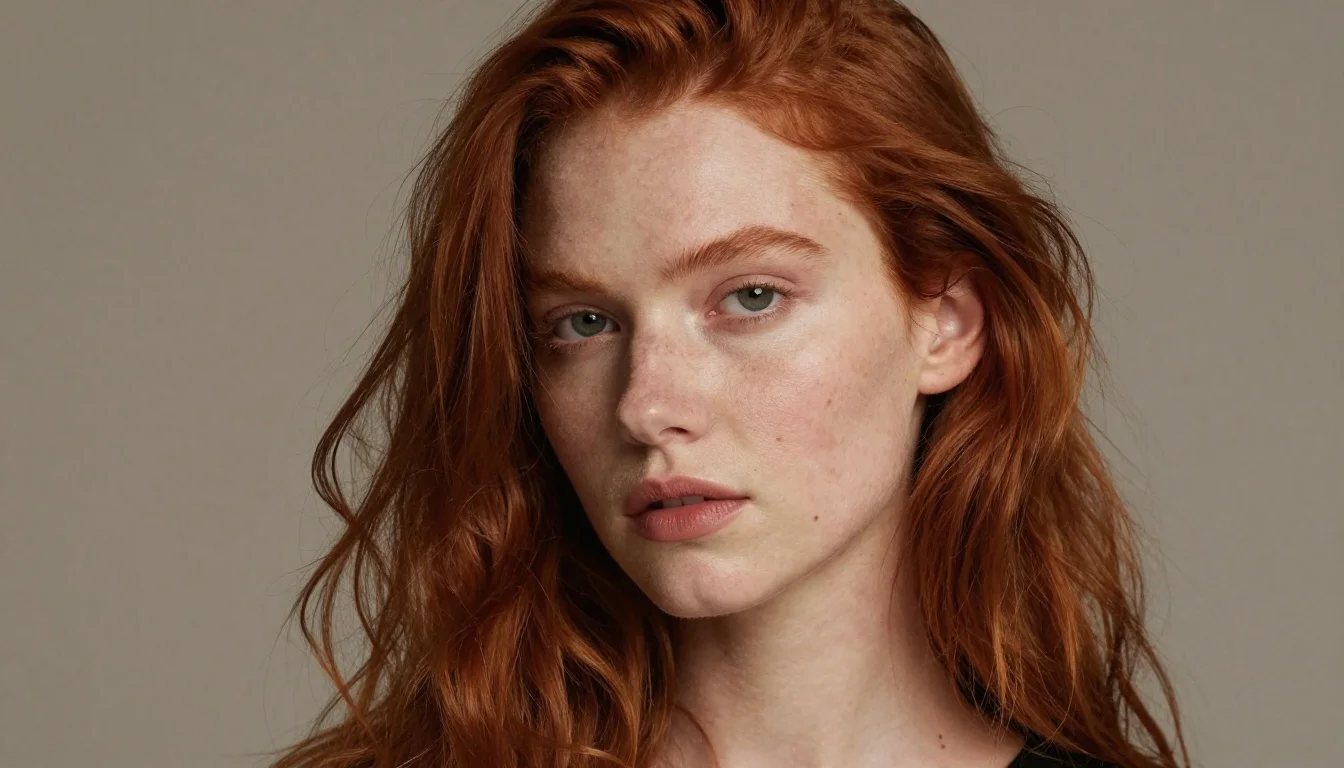
What colors look best with red hair and pale skin?
Forest green, warm emerald, warm teal, deep burgundy, rust, and cognac are the most flattering colors for red hair and pale skin. Green is complementary to red on the color wheel and consistently makes red hair look vivid. Warm teal creates contrast without fighting the combination's warmth. Earthy warm tones like rust and cognac harmonize with red hair's orange-red pigment beautifully.
Your Most Flattering Color Families
Rich Greens — Forest, Emerald & Warm Sage
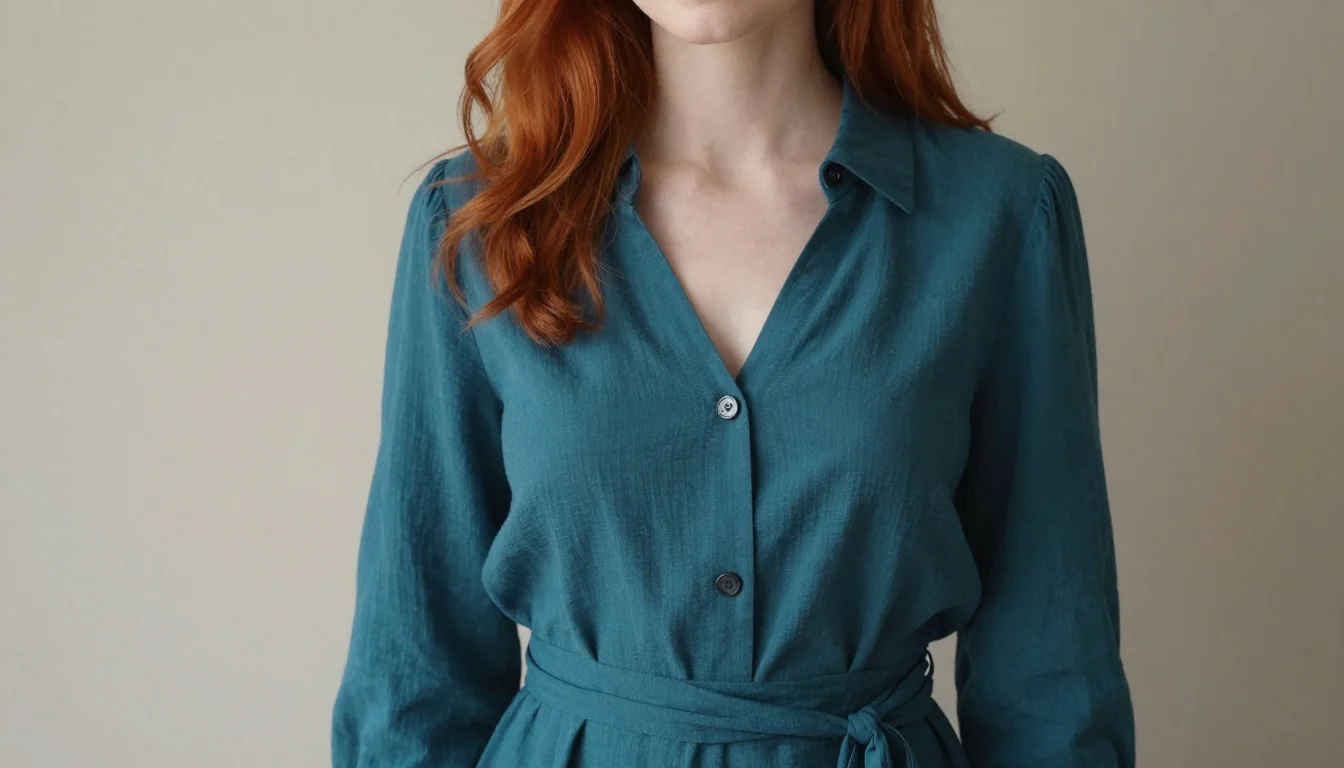
Green is the natural complement to red on the color wheel, and for red hair on pale skin it is genuinely transformative. Forest green has the depth to create contrast against pale skin while the warmth in its tone harmonizes with red hair. Warm emerald makes red hair look vivid and alive. Olive green, with its earthy yellow-green quality, echoes the warm tones in both red hair and ivory skin beautifully. This is the most reliably flattering color family for this combination.
Warm Teal & Deep Blue-Green
Teal and jade carry enough green warmth to resonate with red hair while their blue depth creates clear contrast against pale skin. They don't fight the warmth of this combination the way pure cool blues do — the green component keeps them in harmony. Petrol blue (a warm, slightly greenish dark blue) is particularly strong: it has depth, a warm quality, and creates vivid contrast against pale skin that makes red hair glow beside it.
Warm Earthy Neutrals — Camel, Rust & Warm Brown
Warm earthy tones in the camel-rust-brown family harmonize deeply with the orange-red warmth in red hair. Rust and cognac in particular echo the warm amber undertones that pale skin with red hair almost always carries — the resonance is immediate and beautiful. Warm camel creates a tonal look that feels effortlessly intentional. These are less about contrast and more about tonal harmony — letting the warmth of the whole look sing together.
Deep Warm Berry & Dusty Rose
Warm berry and rosy tones create a different kind of flattery — they add warm flush to pale skin and create a complementary cool-adjacent note against red hair without becoming cold. Deep burgundy is particularly powerful: it has enough depth to contrast against pale skin while its warm-red character creates a tonal kinship with red hair rather than a clash. Dusty mauve works similarly but more softly — romantic and flattering in a subtler way.
Ready to see green & emerald on your face?
Start my color analysisHow to Wear These Colors in Real Life
Your most reliable daily color
Forest green is your highest-return everyday color. A forest green blouse, soft knit sweater, or casual shirt requires zero thought — it makes red hair look vivid, pale skin look warm and glowing, and the whole look intentional. Warm sage is equally wearable for days when you want something quieter. Keep a forest green layer as a consistent part of your rotation and reach for it whenever you're unsure.
Professional presence
Warm teal or petrol blue in a structured blazer or tailored shirt creates a polished, striking professional look that's more interesting than navy without requiring a bold statement. The warm undertone of teal keeps it from fighting red hair while the depth creates clear contrast against pale skin. Pair with warm cream or ivory underneath to bring warmth near the face without the harshness of pure white.
Evening and occasions
Deep burgundy is your strongest evening color. Against red hair and pale skin it creates a tonal warmth that feels sophisticated and deliberate — the deep red-wine tone connects to red hair's warmth while providing genuine contrast against pale skin. Warm emerald is an equally powerful alternative: the green-red complementary tension creates a genuinely striking look, especially in a silk or satin fabric.
Building tonal warmth
For casual weekend dressing, try tonal warm layering: cognac or camel trousers with a warm rust or burnt orange knit. This creates an intentional all-warm look that lets red hair be the dominant visual element — the warmth of the clothing harmonizes with hair rather than competing. Add a warm camel coat over the top and the whole outfit reads as considered, warm, and effortlessly cohesive.
Colors That Work Against Red Hair and Pale Skin
Icy pastels and cool-bright blues
Cool, icy colors — ice blue, cool mint, baby blue — have a temperature that directly fights the warmth of red hair. Against pale skin, they make the complexion look cold and slightly grey. The warm quality of red hair and pale skin needs colors that at minimum don't aggressively oppose their temperature. Cool pastels sit at the worst possible point: cold, light, and without enough depth to contrast against fair skin.
Pure orange and vivid yellow-orange
Vivid orange and yellow-orange sit too close to the warm pigment in red hair — they compete rather than complement. Instead of creating harmony, similar-warmth colors fight each other for dominance. The result looks overwhelming and reads as a warm clash. Softer, earthier versions (rust, terracotta, cognac) work because they have depth and earthiness that distinguishes them from the warmth of hair.
Pure white and very bright whites
Pure white near pale skin with red hair creates a washed-out effect — there isn't enough difference between the value of pale skin and white to create flattering contrast. It can also make the skin look pink or flushed. Warm ivory, soft cream, or warm off-white create the same light, clean effect but with warmth that resonates with the overall combination. If you want the white look, reach for cream or ivory instead.
Cool grey and silver-grey
Mid-range cool greys are among the most consistently unflattering colors for red hair and pale skin. Cool grey has no warmth to harmonize with red hair and no depth to contrast against pale skin — it sits in a no-man's land that drains both. The combination looks dull and unexpectedly tired. If you want grey near your face, choose warm greige (a grey-beige with yellow warmth) or charcoal, which has enough depth to actually frame pale skin.
Stop guessing — preview every shade on you
See myself in my colorsYour Wardrobe, Upgraded
Replacing colors that wash out or fight red hair and pale skin with choices that make the combination glow.
Pure white creates a washed-out contrast against pale skin. Ivory carries warmth that resonates with pale skin's peachy undertones and lets red hair be the dominant feature.
Cool grey drains both red hair and pale skin. Warm teal creates contrast while staying in harmony with the warm combination; forest green activates red hair's complementary warmth.
Bright yellow-orange fights red hair's warmth. Rust and cognac have the same warm direction but with earthier depth — they harmonize rather than compete.
Icy cool colors clash with the warmth of red hair and pale skin. Warm emerald works the complementary relationship between green and red for a genuinely striking effect.
Cool blush disappears near pale skin without warmth. Burgundy has the depth to contrast and the warm-red connection to red hair — far more impactful for evenings.
Grey coats create a cold, draining effect near the face for this warm combination. Warm camel or chocolate creates a tonal warmth that makes red hair look vivid and pale skin look healthy.
Which Palette Might Be Yours?
Red hair and pale skin almost always falls within the warm seasonal families — Autumn and Spring. Your exact season depends on the depth and warmth of your specific red hair, the clarity versus softness of your coloring, and whether your pale skin runs ivory-warm or slightly cooler.
Warm Autumn
Learn moreIf your red hair has a warm, golden-auburn quality and your pale skin is ivory or peachy — and if you look most alive in rich earthy tones like rust, terracotta, warm olive, and deep cognac — Warm Autumn is likely your season. Your palette is warm, rich, and earthed: think autumn leaves and golden hour. Muted warmth suits you better than bright or vivid colors.
Warm Spring
Learn moreIf your red hair is vivid copper, bright strawberry, or a clear warm red — and your coloring overall reads as fresh and warm rather than deep or muted — Warm Spring may fit. Your palette is warm and clear: peachy coral, warm turquoise, warm ivory, golden yellow. Spring types have more brightness and clarity than Autumn, even within the warm family.
Deep Autumn
Learn moreIf your red hair is deep auburn or dark copper, your pale skin has warm ivory undertones, and you carry more depth in your overall coloring, Deep Autumn is worth exploring. Your palette leans deep and rich: warm forest green, deep rust, chocolate, warm burgundy. The key trait is depth — your coloring handles richer, deeper tones better than light or muted ones.
Find Your Exact Colors
Red hair and pale skin is an inherently warm, luminous combination — but the perfect palette depends on whether your red runs warm-auburn or cool-strawberry, whether your pale skin is ivory-peachy or slightly pink, and whether your coloring is muted and earthy or fresh and vivid. A personalized color analysis identifies the exact shade of green that makes your red hair glow, the right depth of berry tone, and the warm neutrals that frame pale skin beautifully.
Stop guessing — preview every color on you
Preview Yourself In Your Palette
Get my personalized paletteStop guessing — preview every color on you
Preview Yourself In Your Palette

Related Guides for Best Colors for Red Hair and Pale Skin
Explore more personalized color advice based on your features.
Want to see these colors on you? Virtual Hair Color Try-On — free to try.
Frequently Asked Questions About Best Colors for Red Hair and Pale Skin
What colors look best with red hair and pale skin?
Forest green, warm emerald, warm teal, deep burgundy, rust, and cognac are the most flattering colors for red hair and pale skin. Green is complementary to red on the color wheel and consistently makes red hair look vivid. Warm teal creates contrast without fighting the combination's warmth. Earthy warm tones like rust and cognac harmonize with red hair's orange-red pigment beautifully.
What colors should redheads with pale skin avoid?
Cool icy pastels, bright orange, pure white, and cool grey consistently underperform for red hair and pale skin. Cool colors fight the warmth of red hair. Bright orange competes with red hair's warmth. Pure white washes out pale skin without the warmth contrast to activate it. Cool grey drains both features simultaneously — it's one of the worst choices for this combination.
Does white suit pale skin with red hair?
Pure white tends to wash out pale skin with red hair because the value difference between white and fair skin is too small to create flattering contrast. Warm ivory or soft cream is almost always more flattering — they carry warmth that resonates with pale skin's peachy undertones and look visually distinct from fair skin. If you love the white look, opt for cream or warm off-white rather than stark optical white.
What is the best color for Celtic coloring (red hair and pale skin)?
The traditional Celtic combination — red hair, pale-to-fair skin, often with freckles — suits warm, earthy, and deeply saturated colors best. Forest green is the classic go-to and works because green and red are complementary colors. Warm teal, deep burgundy, rust, and cognac all flatter this coloring. Soft warm creams work better than pure white for everyday wear.
What color season is red hair and pale skin?
Red hair and pale skin most often falls in the Autumn seasonal family — particularly Warm Autumn or Deep Autumn. The warmth of red hair aligns with the Autumn family's dominant warm characteristic. Vivid, copper-bright reds on pale skin sometimes land in Warm Spring instead. A color analysis will determine which specific season you are based on the depth, saturation, and exact warmth of your individual coloring.
Should redheads with pale skin wear gold or silver jewelry?
Gold is generally more flattering for red hair and pale skin. The warm yellow-gold tone harmonizes with red hair's warmth and resonates with the peachy-ivory undertones common in pale skin with red hair. Cool silver can look disconnected. Rose gold is an excellent option if you prefer something softer — it bridges warm and cool while adding a rosy flush that flatters pale skin particularly well.