Hair Color That LooksNatural and Stunning After 50
Going grey doesn't mean your only options are embrace it or fight it. Discover which shades complement your coloring — and which to avoid.
Hair color after 50 is a different conversation than it was at 30. Grey roots appear faster. Permanent dyes feel harsher on aging hair. The shade that looked perfect a decade ago may now wash you out because your skin tone has shifted. Whether you want to cover grey completely, blend it gracefully, or enhance your natural silver, the right choice depends entirely on your skin's undertone and how much maintenance you're willing to commit to.


3,000+
happy clients
Why Hair Color Needs to Change After 50
Hair color after 50 is a different conversation than it was at 30. Grey roots appear faster. Permanent dyes feel harsher on aging hair. The shade that looked perfect a decade ago may now wash you out because your skin tone has shifted. Whether you want to cover grey completely, blend it gracefully, or enhance your natural silver, the right choice depends entirely on your skin's undertone and how much maintenance you're willing to commit to.
Your skin tone shifts as you age. Collagen loss makes skin thinner and more translucent. Natural pigmentation decreases. Redness or sallowness can become more prominent. The hair color that complemented your 35-year-old skin often looks different against your 55-year-old complexion. A dark brunette that once provided beautiful contrast may now look harsh against lighter, less vibrant skin. The shade hasn't changed — your canvas has.
Grey hair isn't just the absence of color. It has a unique undertone of its own — some greys lean warm and yellowish, others cool and silvery, others wiry and resistant to color. Understanding your grey's character is essential because it affects how dye takes, how roots blend, and whether a grey-blending strategy will look intentional or accidental. Two women with identical skin tones can need completely different hair color approaches based on how their grey grows in.
The biggest mistake women over 50 make with hair color is clinging to the exact shade from their twenties. Skin lightens. Contrast needs change. A woman who looked stunning with espresso hair at 30 may look washed out or severe at 55 because her skin no longer has the warmth and vibrancy to balance that depth. Moving one to two shades lighter and slightly warmer than your original color almost always creates a more flattering, youthful result.
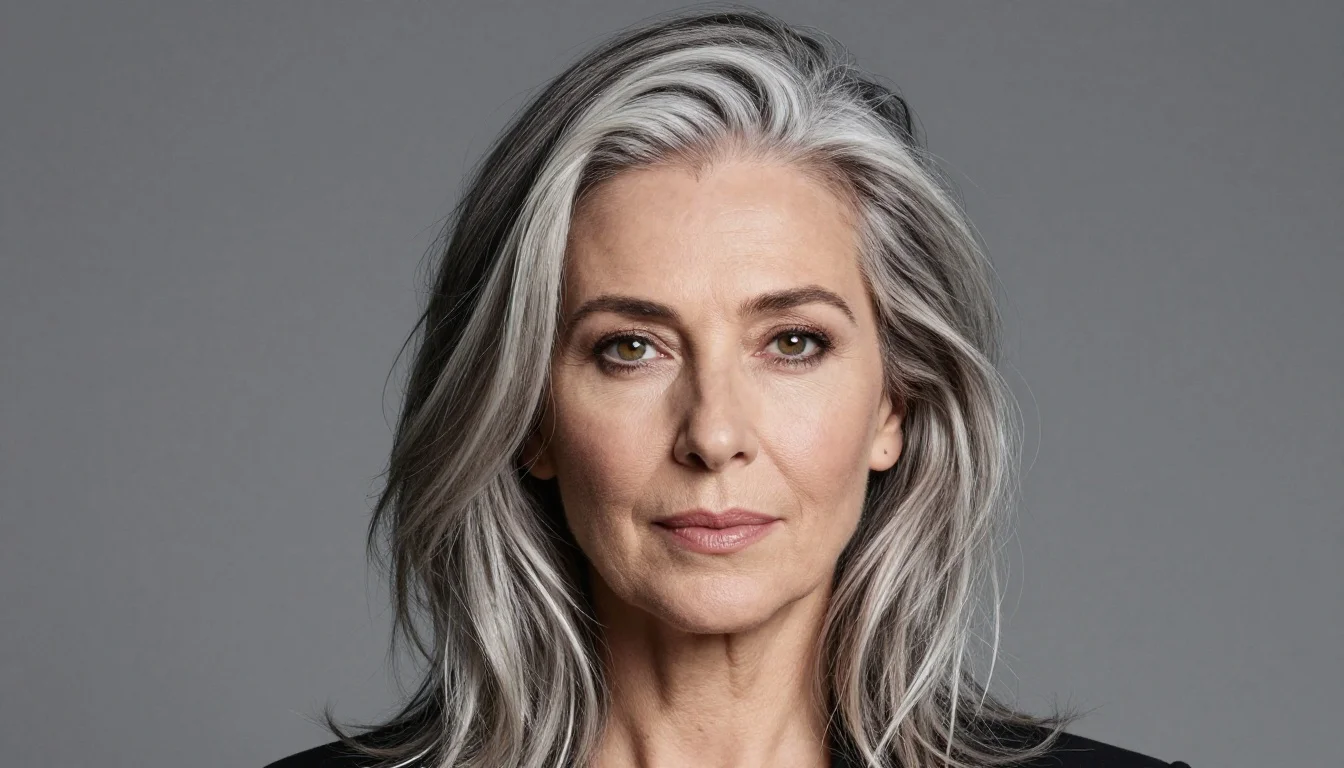
What hair color looks best on women over 50?
The most universally flattering approach is going one to two shades lighter and slightly warmer than your original natural color. Honey blonde, warm chestnut, soft mocha, and golden highlights suit most women over 50. The key is matching the warmth or coolness of the hair to your skin's undertone and adding dimension through highlights rather than flat single-process color.
Your Best Hair Color Shades After 50
Warm Blondes & Golden Highlights
Warm blonde shades are among the most flattering hair colors for women over 50 because they soften the face, blend seamlessly with incoming grey, and require less maintenance than dark shades. Honey blonde works beautifully on warm undertones. Warm champagne suits neutral-to-cool skin. Golden beige is the shade that looks expensive and effortless. Highlights in these tones — rather than all-over color — create dimension that hides grey growth naturally.
Soft Brunettes & Rich Browns
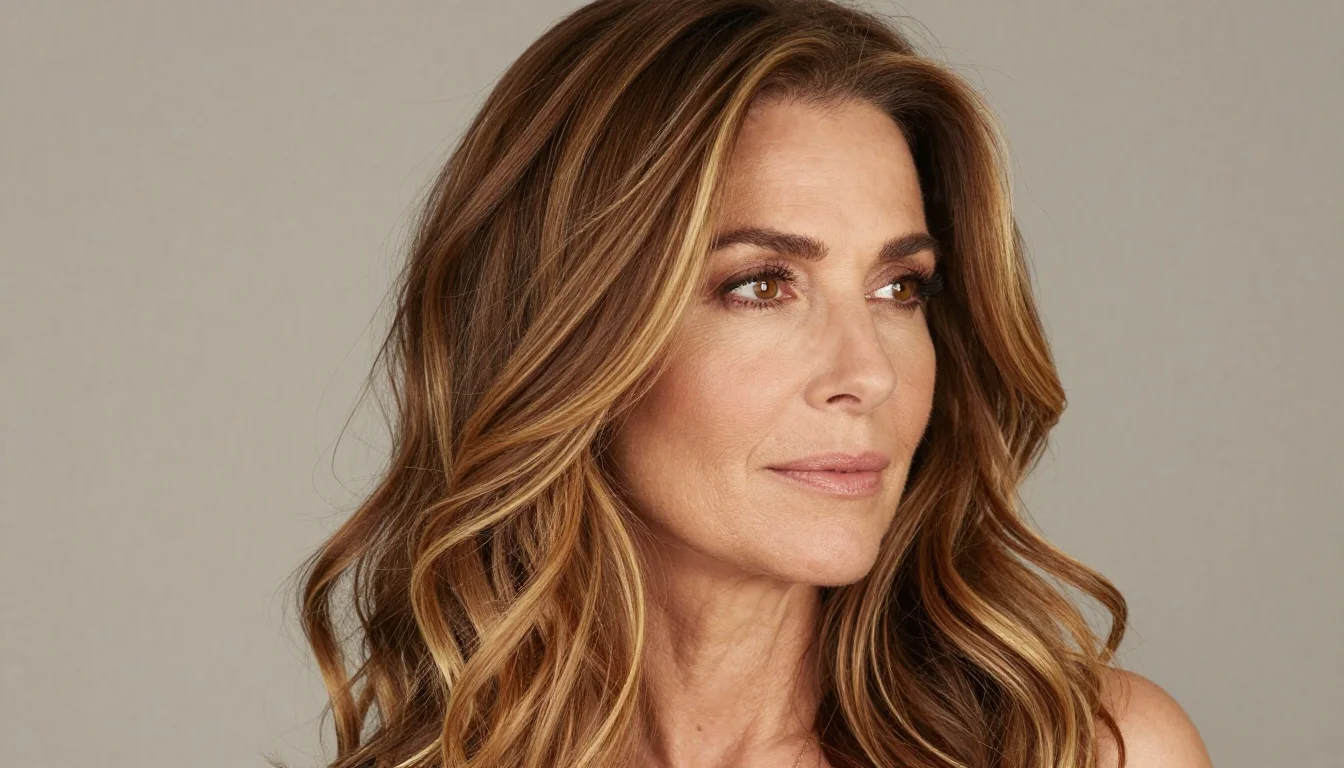
If you've been brunette your whole life, the key after 50 is going lighter and warmer rather than darker. Warm chestnut — a brown with golden undertones — brightens the face rather than draining it. Soft mocha sits between brown and blonde and is remarkably low-maintenance. Rich toffee adds warmth to cool-toned brown hair. Light chocolate provides depth without the severity of dark espresso. All of these create softer contrast against aging skin than pure dark brown.
Cool Silver & Ash Tones
Embracing grey or silver is one of the most striking choices a woman over 50 can make — when it's done with intention. Cool-toned skin with pink or neutral undertones looks extraordinary with deliberate silver or platinum tones. Icy platinum makes a bold statement. Cool silver is the polished version of letting grey grow in naturally. Pearl grey adds warmth to silver without looking yellow. Ash blonde bridges the gap between blonde and silver for those not ready to fully commit.
Warm Reds & Copper Tones
Red tones add warmth and vibrancy to the face in a way that instantly counteracts the sallowness that some skin develops after 50. Warm auburn — a red-brown — works on women who've always had warmth in their natural color. Soft copper catches the light beautifully and suits golden and olive undertones. Rich cinnamon provides drama without crossing into unnatural territory. Warm strawberry blonde is the most subtle option — barely red, mostly warm and golden.

Ready to see yourself in honey blonde & champagne?
Start my color analysisHow to Choose and Maintain Hair Color After 50
Go one to two shades lighter than your instinct
The most common regret women over 50 have with hair color is going too dark. Lighter hair softens the face, reduces visible root contrast, and creates a more youthful effect than dark hair against aging skin. Whatever shade you're considering, ask your stylist to go one notch lighter. You'll almost certainly prefer the result. If you're currently dark brunette, consider warming up to chestnut or toffee rather than maintaining espresso.
Choose techniques that hide grey grow-out
Balayage, face-framing highlights, and root-shadow techniques create a gradient rather than a hard line at the root. This means your grey grows in blended rather than creating an obvious stripe. Women over 50 who get all-over single-process color are locked into touch-ups every three to four weeks. Dimensional coloring extends that to eight to twelve weeks because the grow-out is intentionally soft.
Match your hair temperature to your skin
Hold a piece of gold fabric and a piece of silver fabric near your face. Whichever makes your skin look healthier indicates your undertone. Gold flatters warm undertones — choose honey, chestnut, copper, or warm blonde. Silver flatters cool undertones — choose ash blonde, cool brown, platinum, or deliberate silver. This temperature match is the single biggest factor in whether hair color looks natural or off.
Invest in color-protecting care
Hair over 50 is drier and more porous, which means color fades faster. Use a sulfate-free shampoo designed for color-treated hair. Apply a weekly deep-conditioning mask. If you're going silver or blonde, use a purple shampoo once a week to prevent brassiness. Between salon visits, a color-depositing conditioner in your shade family refreshes vibrancy without chemicals. These steps double the life of your color and keep it looking salon-fresh.
Hair Color Mistakes After 50
Jet black or near-black all-over color
Very dark hair against aging skin creates harsh contrast that emphasizes fine lines, under-eye circles, and any sallowness. The line between dyed hair and natural growth is also starkest with black — grey roots against jet black create an obvious demarcation within two weeks. If you love dark hair, soften it to warm espresso or dark chocolate and add face-framing highlights to reduce the severity.
One-shade all-over flat color
Natural hair at any age has multiple tones — highlights where the sun hits, darker roots, variation throughout. All-over single-process color in one flat shade looks obviously dyed, especially after 50 when the contrast between hair and skin should be softer. Dimension — balayage, highlights, lowlights, or root-blending techniques — creates movement that looks natural and hides grow-out more gracefully.
Ash or cool tones on warm skin
Cool-toned hair color on warm-toned skin creates a sickly disconnect. Warm skin with golden or olive undertones turns greyish and drained under ash-brown, cool blonde, or blue-toned grey. Match your hair temperature to your skin temperature: warm skin gets warm tones, cool skin can handle cool tones. Getting this wrong is the most common reason hair color 'doesn't look right' after 50.
Unnatural bright or vivid fantasy colors
This is less about age than about hair health. After 50, hair is drier, thinner, and more fragile. Achieving vivid blues, purples, or pinks requires bleaching to near-white first — which is extremely damaging on already-compromised mature hair. The upkeep is also intense, with fading starting within days. If you want a pop of color, a temporary rose-gold gloss or subtle copper balayage achieves the same energy without the damage.
Stop guessing — preview every shade on you
See myself in my shadesHair Color Upgrades for Women Over 50
Trading the shades and techniques that date you for ones that flatter your current coloring.
Softened depth with highlights creates dimension and reduces the harsh root line that jet black creates within two weeks.
All-over bleach damages mature hair and requires constant maintenance. Balayage with warm tones grows out gracefully and keeps hair healthier.
Full coverage is a treadmill. Grey-blending techniques let some natural grey show through intentionally, extending time between appointments to 8-12 weeks.
Professional warm reds look sophisticated and fade gracefully. Box dye reds often turn orange or pink and damage already-fragile hair over 50.
Daily washing strips color and dries mature hair. Less-frequent washing with protective products keeps color vibrant twice as long.
A stylist can add silver-toned highlights throughout your current color so the grey grows in seamlessly over several months rather than creating a visible stripe.
Which Hair Color Palette Suits Your Season?
Your seasonal color palette directly informs which hair color shades will look most harmonious with your skin and eyes. As your natural color changes with age, your ideal dyed shade may shift within your seasonal family.
Soft Autumn
Learn moreIf your skin is warm-beige, your eyes are hazel or warm brown, and your overall appearance is warm and muted, Soft Autumn is your likely palette. Your best hair colors are warm and golden: honey blonde, warm chestnut, soft copper, and toffee. Avoid anything ashy or cool-toned — it will clash with your inherent warmth.
Cool Summer
Learn moreIf your skin is cool-pink or neutral, your eyes are blue or grey, and you lean toward a soft, cool aesthetic, Cool Summer likely fits. Your hair color sweet spot is ash blonde, cool brown, pearl grey, or deliberate silver. Warm golden tones will look disconnected from your cool coloring.
Deep Winter
Learn moreIf you have high contrast — striking dark eyes, strong features, and skin that reads as either cool or neutral — Deep Winter may be your season even after 50. Your hair can hold more depth than most: rich chocolate, warm espresso, or dramatic silver. Pale ashy tones may wash out your high-contrast features.
Find Your Perfect Hair Color
The most flattering hair color for you after 50 depends on your skin's undertone, your eye color, the natural quality of your grey, and how your overall contrast has shifted with age. A personalized color analysis identifies your seasonal palette and maps the exact hair color families that will make your face look vibrant and your coloring look intentional — whether you choose to cover grey, blend it, or embrace it fully.
Related Guides for Hair Color for Women Over 50
Explore more personalized color advice based on your features.
Want to see these colors on you? Virtual Hair Color Try-On — free to try.
Frequently Asked Questions About Hair Color for Women Over 50
What hair color looks best on women over 50?
The most universally flattering approach is going one to two shades lighter and slightly warmer than your original natural color. Honey blonde, warm chestnut, soft mocha, and golden highlights suit most women over 50. The key is matching the warmth or coolness of the hair to your skin's undertone and adding dimension through highlights rather than flat single-process color.
Should I go lighter or darker with hair color after 50?
Lighter, almost always. Lighter hair softens the face, creates more forgiving root grow-out, and reduces the harsh contrast that dark hair creates against aging skin. Even lifelong brunettes often look more vibrant after 50 in warm chestnut or toffee rather than the deep espresso they wore at 30. Going lighter doesn't mean blonde — it means softer.
How do I transition to grey hair gracefully?
The most seamless approach is grey-blending highlights. A colorist adds silver-toned and neutral highlights throughout your current color, creating a gradient that lets grey grow in without a harsh line of demarcation. This transition takes six to twelve months but looks intentional at every stage. Alternatively, a short cut accelerates the transition by removing dyed ends faster.
Is it better to color grey hair or go natural?
Either can look stunning — the question is execution. Embracing grey looks best when you commit fully and maintain it with purple shampoo and regular trims. Coloring grey looks best when you choose dimensional techniques that blend rather than hide the grey. The worst option is neither: flat dye with obvious roots every three weeks is high-maintenance and often unflattering.
What hair color makes you look younger after 50?
Warm, dimensional shades one to two levels lighter than your natural color create the most youthful effect. Face-framing highlights in honey, champagne, or golden tones brighten the complexion. Avoid very dark or very light monochrome color — both can age the face. Warmth and dimension are the two ingredients that make hair color look youthful regardless of the specific shade.
How often should women over 50 color their hair?
It depends on the technique. Single-process all-over color needs touch-ups every three to four weeks. Balayage and highlighting extends to eight to twelve weeks because the grow-out is intentionally soft. Demi-permanent gloss lasts four to six weeks and fades gradually. Choosing a lower-maintenance technique is one of the smartest moves you can make with hair color after 50.