Hair Color forDark Skin
Deep melanin-rich skin looks best with hair colors that have warmth and depth. Discover which shades complement your coloring — and which to avoid.
Dark skin tones have deep, melanin-rich complexions that create a warm, luminous canvas — and the right hair color amplifies that luminosity instead of fighting it. Flat black can look stark and one-dimensional against very deep skin, while overly cool or ashy hair colors clash with the skin's inherent warmth. The opportunity is warmth and dimension: rich espresso browns, deep burgundy-blacks, auburn-tinged naturals, and warm copper or caramel highlights that create the contrast and light play that make dark skin look radiant.


3,000+
happy clients
Why Warmth and Depth Matter for Dark Skin
Dark skin tones have deep, melanin-rich complexions that create a warm, luminous canvas — and the right hair color amplifies that luminosity instead of fighting it. Flat black can look stark and one-dimensional against very deep skin, while overly cool or ashy hair colors clash with the skin's inherent warmth. The opportunity is warmth and dimension: rich espresso browns, deep burgundy-blacks, auburn-tinged naturals, and warm copper or caramel highlights that create the contrast and light play that make dark skin look radiant.
Dark skin tones have high melanin density, which produces a naturally warm, rich undertone — even skin described as cool-dark often has red, golden, or neutral-warm registers in natural light. Hair color either resonates with or contradicts that warmth. Hair with cool, ashy, or platinum tones can look disconnected from the skin's warmth, creating a jarring contrast between face and hair that reads as mismatched rather than striking.
The key principle for hair color on dark skin is dimension over flatness. Pure jet black, while natural for many, can read as a flat uniform mass against deep skin without enough color variation to catch the light. Adding even subtle warmth — a wash of espresso brown, a gloss of red-black, or a few carefully placed copper highlights — introduces light play and depth that makes the whole look more dynamic. The hair looks alive rather than simply dark.
Warm highlights are particularly transformative for dark skin. Copper, auburn, caramel, and honey tones used as highlights against a deep base create exactly the luminosity that dark skin's warmth supports. The warm highlight resonates with the skin's undertone, making both the skin and the hair look richer. This is the opposite of the ashy or platinum highlight approach, which pulls the look cool and can make warm dark skin appear dull by contrast.
What hair colors look best on dark skin?
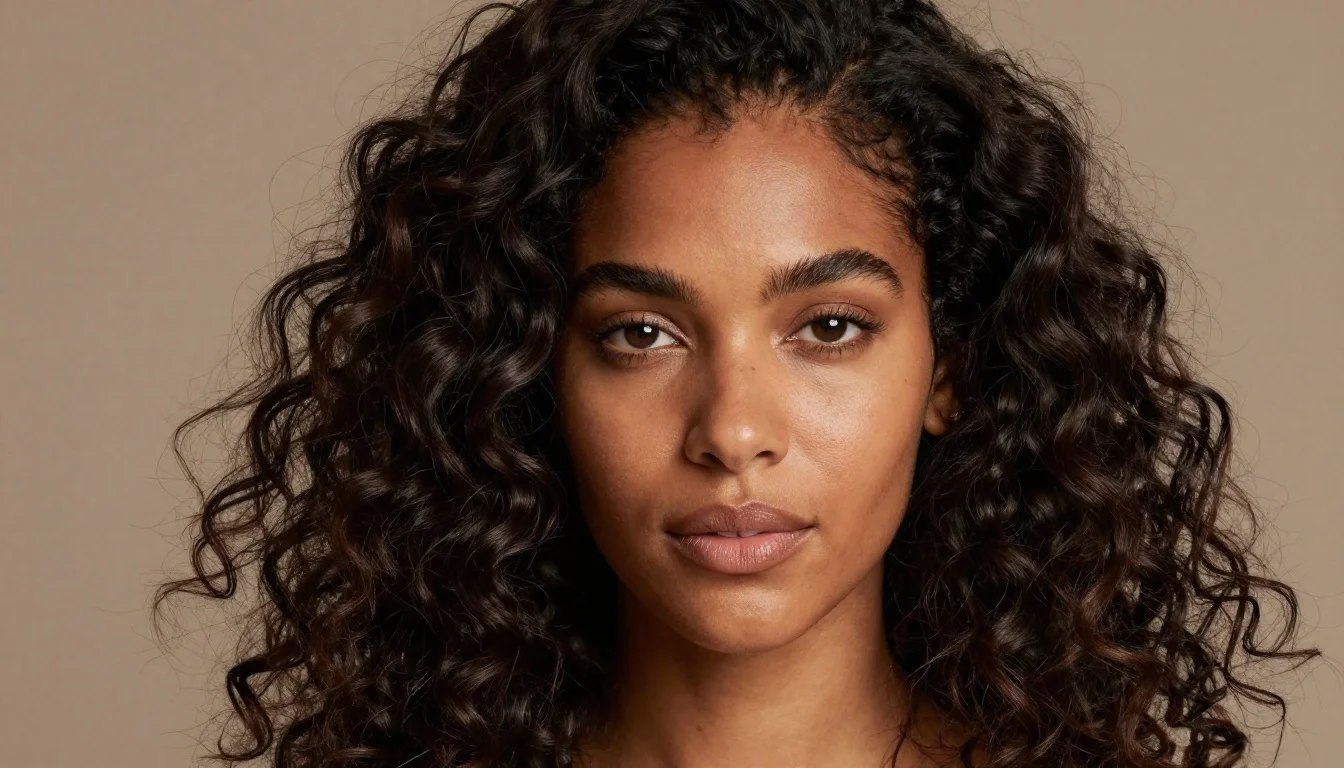
Hair colors with warmth and depth look best on dark skin. Rich espresso brown, warm chocolate, deep burgundy-black, and auburn-tinged naturals all add dimension that makes dark skin look luminous. For highlights, copper, caramel, and auburn tones are the most flattering — they introduce warmth that resonates with the skin's undertone and creates a glowing effect. Avoid cool ashy tones, which fight the natural warmth of deep complexions.
Your Most Flattering Hair Colors
Rich Espresso & Warm Brown-Black
Rich espresso and warm brown-black shades are the refined alternative to flat black for dark skin. They have the same depth as natural black hair but with a warm undertone — red, golden, or chocolate — that catches the light and creates dimension. Against dark skin, warm espresso looks like your natural hair color, just more alive. Chocolate black with a subtle red base has an especially striking effect in sunlight, where the warmth glows against deep skin. These are the lowest-maintenance, highest-impact choices for dark-skinned individuals who want to enhance without dramatically changing.
Deep Burgundy & Red-Black
Burgundy and red-black hair colors are among the most flattering choices for dark skin precisely because they lean into the skin's inherent warmth. Deep burgundy-black has enough darkness to look natural and polished while the red-violet undertone creates gorgeous contrast against deep complexions. In sunlight, the color shows its warmth and depth, making dark skin look luminous by comparison. Dark cherry and wine red are similar — they're statement colors that feel intentional and sophisticated, not jarring. These shades photograph beautifully against dark skin.
Warm Copper & Auburn Highlights
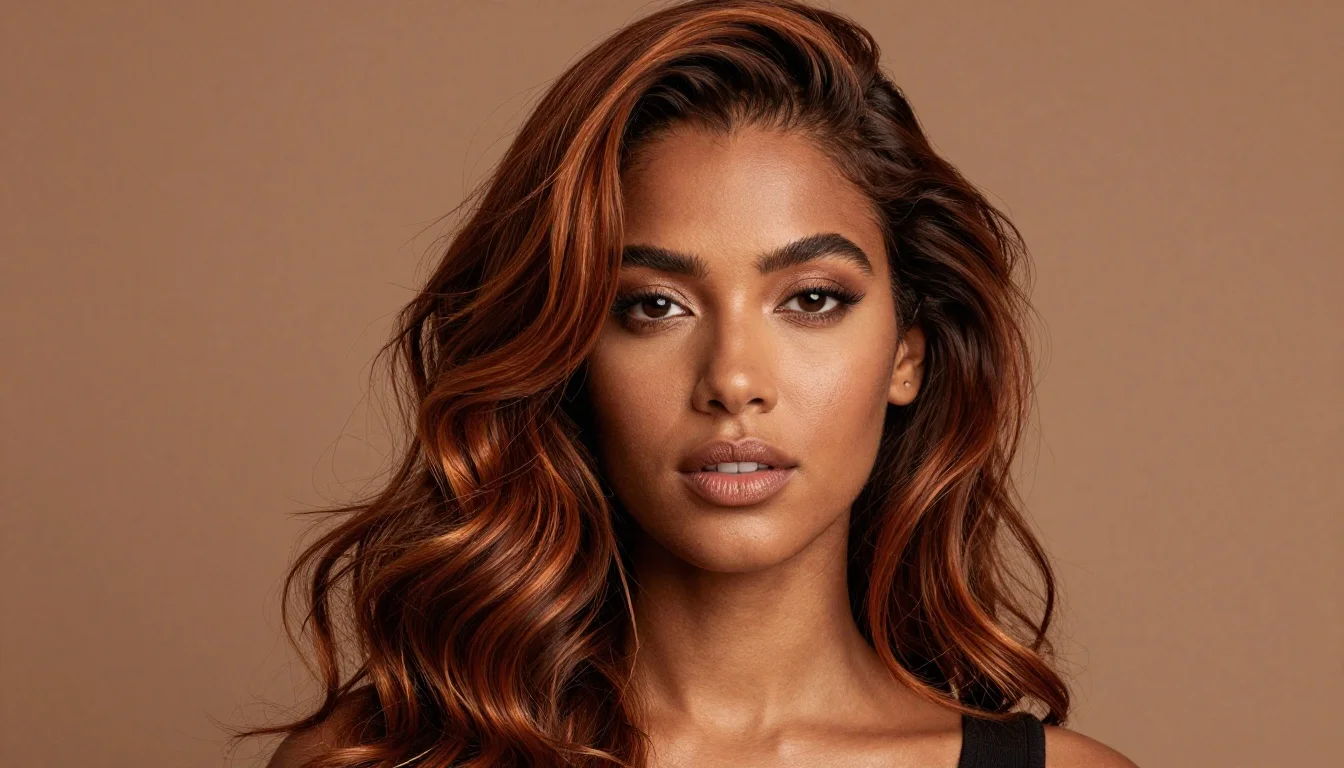
Warm highlights are the most transformative hair color technique for dark skin. Copper, auburn, and caramel highlights placed against a deep brown or black base create dimension and light play that enhances the skin's warmth. The warmth of copper and auburn resonates with the golden or red undertones in dark skin, making the skin look brighter and more luminous. Face-framing warm pieces are particularly effective — they create a warm glow around the face that acts like the most flattering light. This technique works on all textures, from coils to straight hair.
Honey & Caramel on Deep Bases
Honey and caramel tones on a dark base create a sun-kissed warmth that complements dark skin beautifully. While very light blonde can look stark or disconnected from deep complexions, honey and warm golden tones stay within the warm family and feel harmonious against the skin. Caramel balayage on dark skin is a particularly popular technique because the color graduation from dark roots to warm mid-lengths and ends looks natural and effortless. The warmth of honey and caramel has enough color depth to register against deep skin without looking washed out.

Ready to see yourself in espresso brown & chocolate black?
Start my color analysisHow to Style Hair Color for Dark Skin
Use a warm gloss to refresh and add dimension
A warm color gloss treatment is the lowest-commitment, highest-impact technique for adding warmth and shine to dark hair. A red-toned or espresso gloss applied over natural black or dark brown hair adds a luminous warmth that photographs beautifully against dark skin — you'll see the warmth in sunlight and flash photography while the color looks natural in all other contexts. Glosses typically last 4–6 weeks and require no bleach, making them ideal for dark-skinned individuals who want enhancement without damage or dramatic change. Ask your colorist for a red-brown or auburn gloss over your natural base.
Place highlights to frame the face
For dark-skinned individuals adding warm highlights, placement matters as much as color. Face-framing highlights — pieces around the hairline and temples — create the most flattering effect because they place the warm color where it interacts most with the face and skin. These face-framing pieces act like a warm rim light, reflecting warmth onto the skin and making the complexion look more luminous. Avoid an even all-over highlight pattern; instead, concentrate the warmth at the front sections where it enhances the face most.
Match highlight warmth to your undertone
Not all warm hair colors are equally flattering on all dark skin tones. If your skin has warm golden undertones, copper and honey highlights resonate most strongly — the golden warmth of copper matches the skin's own golden register. If your skin has red or neutral-warm undertones, auburn and red-brown highlights create more harmony. If your skin runs cooler within the dark range, warm brown and caramel highlights are more flattering than very red copper. Testing a few strands or using a color consultation helps dial in the specific warm family that works best for your individual undertone.
Maintain color vibrancy with the right products
Warm hair colors — especially reds, burgundies, and coppers — fade faster than cool or neutral shades because red pigment molecules are smaller and wash out more easily. For dark-skinned individuals who've invested in warm color, a color-depositing shampoo or conditioner in red-brown or auburn tones maintains vibrancy between salon visits. Sulfate-free formulas also extend color life. Use cool or lukewarm water to wash color-treated hair — hot water opens the hair cuticle and accelerates color fade. A weekly color-depositing mask can keep warm tones rich and luminous for 6–8 weeks between appointments.
Hair Colors That Fight Dark Skin
Platinum or icy blonde
Platinum and icy blonde hair colors are at the opposite end of the warmth spectrum from dark skin's natural undertone. The stark cool-light contrast can look harsh and disconnected rather than striking. On very deep skin, platinum reads as a costume effect rather than a harmonious color choice. If you want to go lighter, warm honey blonde or golden blonde creates the same lightness with warmth that resonates with the skin.
Cool ash blonde or beige blonde
Ash blonde and beige blonde have grey-cool tones that fight the warmth inherent in most dark skin. The cool ashy undertone can make the skin look dull or grey by contrast, canceling out the skin's natural warmth rather than enhancing it. If you want lighter hair, the same lightness in a warm golden or honey blonde looks dramatically better against deep complexions.
Cool ash brown
Cool ash brown has grey or green-tinged undertones that desaturate the look when placed against warm dark skin. The cool muddiness of ash brown can make even stunning dark skin look flat. Warm brown shades — chocolate, mocha, espresso — are the same shade of brown without the ash, and look dramatically more harmonious and flattering against deep complexions.
Flat jet black with no warmth
Pure flat jet black without any warm undertone can look one-dimensional and stark against very deep skin — the uniform darkness of both the hair and skin creates a low-contrast look with no light play or dimension. Adding even a subtle warm gloss (red-black, blue-black with warmth, or an espresso wash) introduces enough variation to make both the hair and skin look more alive and dimensional.
Stop guessing — preview every shade on you
See myself in my shadesYour Hair Color, Upgraded
Swap cool or flat hair colors for warm alternatives that enhance dark skin's natural depth and luminosity.
Flat black has no warmth to interact with dark skin's undertone. Warm espresso adds dimension and light play; red-black glows in sunlight against deep complexions.
Ash brown's grey undertone fights the warmth in dark skin. Warm chocolate and mocha have the same darkness with richness that resonates with deep complexions.
Platinum and ash blonde read as cool and disconnected against warm dark skin. Honey and golden blonde stay in the warm family, creating harmony instead of clash.
Cool fantasy colors can look disconnected from warm dark skin's undertone. Deep burgundy and auburn-red are statement colors that lean into the skin's warmth instead of fighting it.
Ash highlights create a cool-grey contrast that dulls dark skin. Copper and caramel highlights introduce warmth that makes dark skin look luminous and glowing.
Natural dark hair without any color treatment can look flat in photos. A warm red-brown gloss adds shine and warmth without bleach, dramatically enhancing how dark skin and hair photograph together.
Which Palette Might Be Yours?
Dark skin with deep pigmentation appears across several seasonal color palettes. Your specific undertone and contrast level determine which warm hair colors are most aligned with your natural coloring.
Deep Winter
Learn moreIf your dark skin has cool or neutral-cool undertones with high contrast, Deep Winter is likely your season. Your most flattering hair colors have depth with a cool-warm balance: blue-black, deep burgundy, and rich espresso with a slightly cool register. Warm copper highlights are possible but should stay closer to auburn-brown than golden-copper to avoid fighting your cool undertone.
Deep Autumn
Learn moreIf your dark skin has warm golden, red, or earthy undertones, Deep Autumn resonates with your coloring. Your hair colors are richly warm: warm espresso, auburn-black, deep chocolate brown, and deep warm burgundy. Copper and caramel highlights are highly flattering — the golden warmth of these shades harmonizes with your skin's warm register and creates radiant luminosity.
Bright Winter
Learn moreIf your dark skin has a clear, bright quality with neutral or slightly cool undertones, Bright Winter may be your season. Your hair benefits from high contrast and clarity: deep rich black-brown or blue-black with vivid warmth in strategic highlights. Deep cherry, vibrant burgundy, or high-contrast auburn pieces work well — your coloring supports bold, clear color statements rather than soft or muted tones.
Find Your Exact Hair Color Match
Dark skin spans a wide spectrum — warm golden-brown to deep blue-black — and the precise warm hair colors that work best depend on your individual undertone, depth, and seasonal palette. A personalized color analysis identifies exactly which warm family (copper, auburn, burgundy, or espresso) resonates most with your specific complexion and tells you exactly how to wear warmth in your hair for maximum luminosity.

Related Guides for Hair Color for Dark Skin
Explore more personalized color advice based on your features.
Want to see these colors on you? Virtual Hair Color Try-On — free to try.
Frequently Asked Questions About Hair Color for Dark Skin
What hair colors look best on dark skin?
Hair colors with warmth and depth look best on dark skin. Rich espresso brown, warm chocolate, deep burgundy-black, and auburn-tinged naturals all add dimension that makes dark skin look luminous. For highlights, copper, caramel, and auburn tones are the most flattering — they introduce warmth that resonates with the skin's undertone and creates a glowing effect. Avoid cool ashy tones, which fight the natural warmth of deep complexions.
Can dark skin pull off blonde hair?
Yes — but the shade of blonde matters significantly. Warm honey blonde, golden blonde, and caramel tones look striking on dark skin because they stay in the warm family, creating harmony with the skin's undertone. Platinum blonde, ash blonde, and cool beige blonde can look disconnected or harsh against warm deep complexions. If you want to go lighter, working with a colorist to find the warmest version of light blonde that suits your specific undertone will give the most flattering result.
What highlights look best on dark skin?
Warm highlights — copper, auburn, caramel, honey, and warm bronze — are the most flattering for dark skin. These warm tones resonate with the golden or red undertones present in most dark complexions and create a luminous, sun-kissed effect. Face-framing placement is particularly effective: warm pieces around the hairline and temples reflect warmth onto the face, making the skin look more radiant. Avoid cool ash or platinum highlights, which create a contrasting cool effect that can dull warm dark skin.
Is burgundy or red hair good for dark skin?
Burgundy and red-tinged hair colors are excellent choices for dark skin. Deep burgundy-black, wine red, and auburn-black all lean into the warmth of dark skin's undertone rather than fighting it. In sunlight, these colors reveal their warmth and create gorgeous contrast against deep complexions. Full vivid red is bolder and can also work — particularly warm brick red or auburn-red rather than cool cherry red. These are intentional, statement-making choices that photograph beautifully against dark skin.
Should dark skin avoid black hair?
Not at all — but the type of black matters. Flat, neutral jet black without any undertone can look one-dimensional against very deep skin because both the hair and skin share the same uniform depth without variation. Adding subtle warmth — a warm espresso gloss, a red-black shade, or an auburn tint — introduces enough dimension and light play to make both the hair and skin look more alive. Blue-black, which has a cool but vivid sheen, is another flattering option that creates interesting contrast without going warm.
What is the best hair color treatment for dark skin?
A warm color gloss is one of the best low-commitment options for dark-skinned individuals — it adds warmth and shine to natural dark hair without bleach or permanent commitment. Red-brown, auburn, and espresso glosses applied over natural black or dark brown hair create a noticeable warmth that photographs beautifully against dark skin. For more lasting change, balayage with copper or caramel highlights is a popular technique that creates natural-looking dimension. Both approaches work across all hair textures, from coily to straight.