The Blush Shades That ActuallyFlatter Tan Skin
Cool pink blushes look grey and chalky on tan skin. Discover which tones look natural on you — and which to skip.
Tan skin has a golden warmth that most blush formulas completely ignore. Pick up a cool pink blush — the kind marketed to everyone — and it looks grey, chalky, or completely disconnected on a tan complexion. The shades that work are warm: peach, apricot, coral, and warm terracotta. These echo the golden depth of tan skin and register as a real, sun-kissed flush rather than an obvious product sitting on top. For drama, a deep warm berry (red-based, not cool-pink-based) creates a rich, striking look that tan skin carries beautifully.


3,000+
happy clients
Why Tan Skin Needs Warm, Saturated Blush
Tan skin has a golden warmth that most blush formulas completely ignore. Pick up a cool pink blush — the kind marketed to everyone — and it looks grey, chalky, or completely disconnected on a tan complexion. The shades that work are warm: peach, apricot, coral, and warm terracotta. These echo the golden depth of tan skin and register as a real, sun-kissed flush rather than an obvious product sitting on top. For drama, a deep warm berry (red-based, not cool-pink-based) creates a rich, striking look that tan skin carries beautifully.
Tan skin carries a golden warmth in its base tone — whether the skin is warm-toned olive-tan, a deeper golden brown, or a sun-bronzed medium depth. This warmth is the variable that most blush advice overlooks. When a cool pink or lavender-based blush lands on a tan complexion, the cool undertone of the product clashes with the warm undertone of the skin. The result looks like a foreign object on the face — chalky, grey, or simply disconnected from the rest of your coloring.
Beyond undertone, tan skin has enough depth that very sheer or faintly pigmented blushes simply don't register. A blush shade that gives fair skin an obvious flush delivers little to no visible color on tan skin. This means tan complexions need blush shades with enough pigment and saturation to actually show up — not heavy-handed application, but formulas rich enough to read against golden depth.
The sweet spot for tan skin is warm shades with genuine pigment: peach and apricot for an everyday flush, coral for a brighter sun-kissed warmth, and warm terracotta or deep warm berry for drama. Each of these shares the golden register of tan skin, so they read as a natural heat rising from within rather than a cosmetic product applied to the surface.
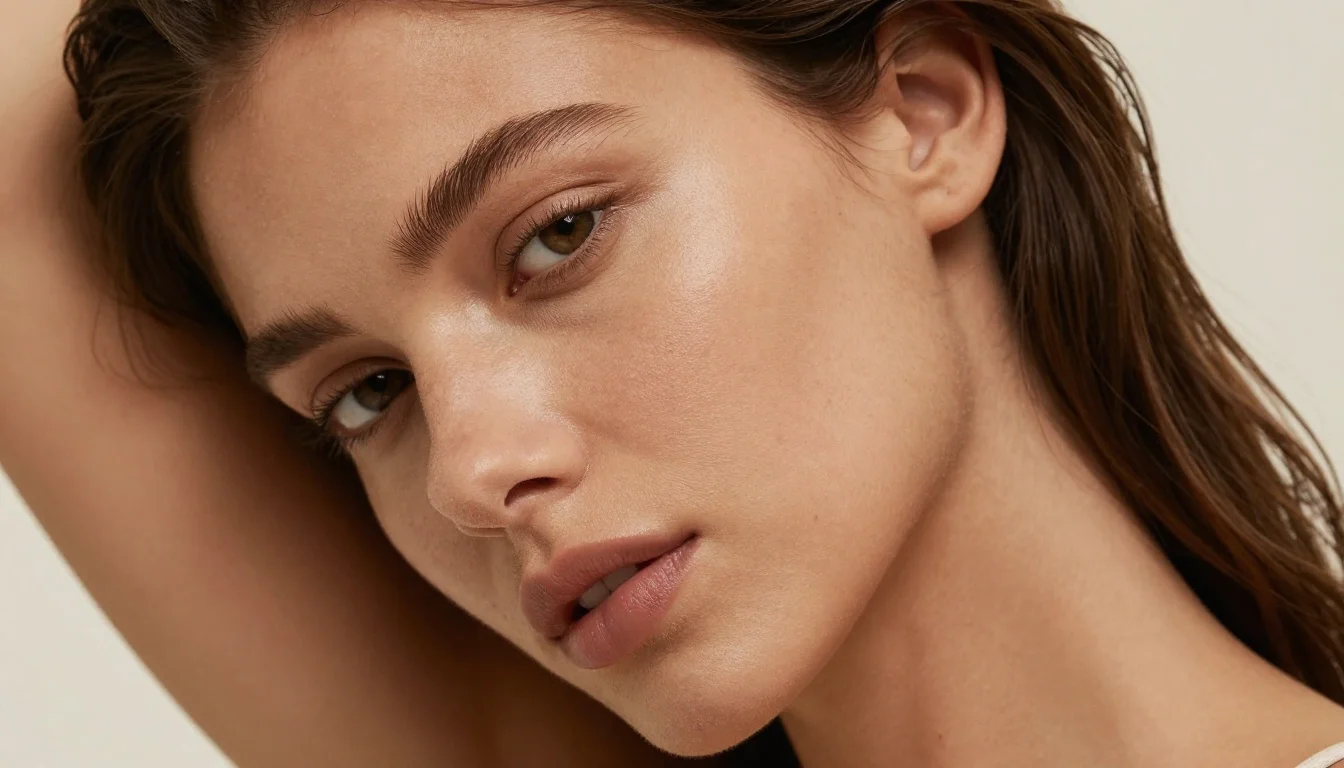
What blush color is best for tan skin?
Warm peach, apricot, coral, and warm terracotta are the best blush colors for tan skin. These shades share the golden warmth of tan skin and read as a natural flush. For drama, a deep warm berry (red-based, not cool-purple-based) gives a rich, striking result. All of these avoid the cool-pink undertone that looks grey and chalky against golden tan complexions.
Your Best Blush Shades for Tan Skin
Warm Peach and Apricot: The Everyday Flush
Warm peach and apricot blush shades are the most universally flattering on tan skin. They sit in the same warm-golden register as the complexion, which means they read as a natural flush rather than a product. Apricot has just enough orange warmth to resonate with the golden undertones in tan skin without reading as too warm. This is the everyday workhorse for tan skin — soft enough for daytime, visible enough to register, warm enough to look natural.
Coral: Bright and Sun-Kissed
Coral blush gives tan skin a bright, sun-kissed vitality that peach alone cannot match. The orange warmth of coral resonates deeply with tan skin's golden depth, and the result looks like the natural warmth of being outdoors rather than applied makeup. Choose warm coral — orange-leaning rather than pink-leaning. A cool or pink-based coral loses the warmth advantage. Coral works beautifully for daytime and photographs exceptionally well on tan complexions.
Warm Terracotta: Depth and Drama
Terracotta is the high-drama option for tan skin, and one it handles exceptionally well. The earthy warmth of terracotta resonates with the golden depth of a tan complexion in a way that reads as intentional and striking — sun-baked, not overdone. Paired with a warm bronzer as a base layer, terracotta blush on tan skin creates the full warm-face glow that is one of the most flattering looks available for this skin tone. Best for evenings or when maximum warmth is the goal.
Deep Warm Berry: Rich Drama
For the most dramatic option, a deep warm berry — red-based rather than cool-pink-based — gives tan skin a rich, flushed intensity that looks striking and powerful. The key distinction is critical: a cool berry with blue or purple undertones will fight the warmth of tan skin and read as a clash. A warm berry that leans toward red rather than purple complements the golden depth beautifully. Apply with a focused brush to the cheekbones for a sophisticated evening look.

Ready to see yourself in peach & apricot?
Start my color analysisHow to Apply Blush on Tan Skin
Layer over a warm bronzer base
On tan skin, blush alone can look isolated — a patch of color rather than a cohesive warmth. Apply a warm-toned bronzer across the cheekbones, temples, and along the hairline first, then layer your peach or coral blush on the apples of the cheeks. The bronzer creates a warm foundation that the blush sits on harmoniously, and the overall effect reads as sun-kissed from every angle. Tan skin handles the combination of bronzer and blush beautifully — this layered approach is one of the signature looks for warm complexions.
Choose pigment-dense formulas
Tan skin requires blush with enough pigment to actually register against its golden depth. This does not mean applying heavily — it means choosing formulas that are genuinely pigmented and then applying with a light hand. A sheer, finely milled blush applied lightly will give you control and buildability. Avoid heavily matte formulas that can look flat; a subtle sheen or fine shimmer in the formula adds luminosity that reads beautifully on tan skin.
Placement for maximum effect
Apply blush on the apples of the cheeks and sweep upward and outward toward the temples in a wide arc. On tan skin, placement slightly high on the cheekbone — just below the orbital bone — creates the lifted, glowing effect that works best. Avoid placing blush too low, where it can look muddy against the warmth of a tan complexion. For coral or terracotta shades, a more targeted placement on the upper cheekbone gives maximum impact without overpowering.
Cream blush for a skin-like finish
Cream blush applied with fingers or a dense brush gives the most natural, skin-like flush on tan complexions. The cream formula melds into the skin rather than sitting on top, making the blush look like the color is coming from within. Apply cream blush before setting powder, blend with fingertips for the most natural result, and set lightly with a dusting of translucent powder. A warm peach or coral cream blush on tan skin looks extraordinarily natural and healthy.
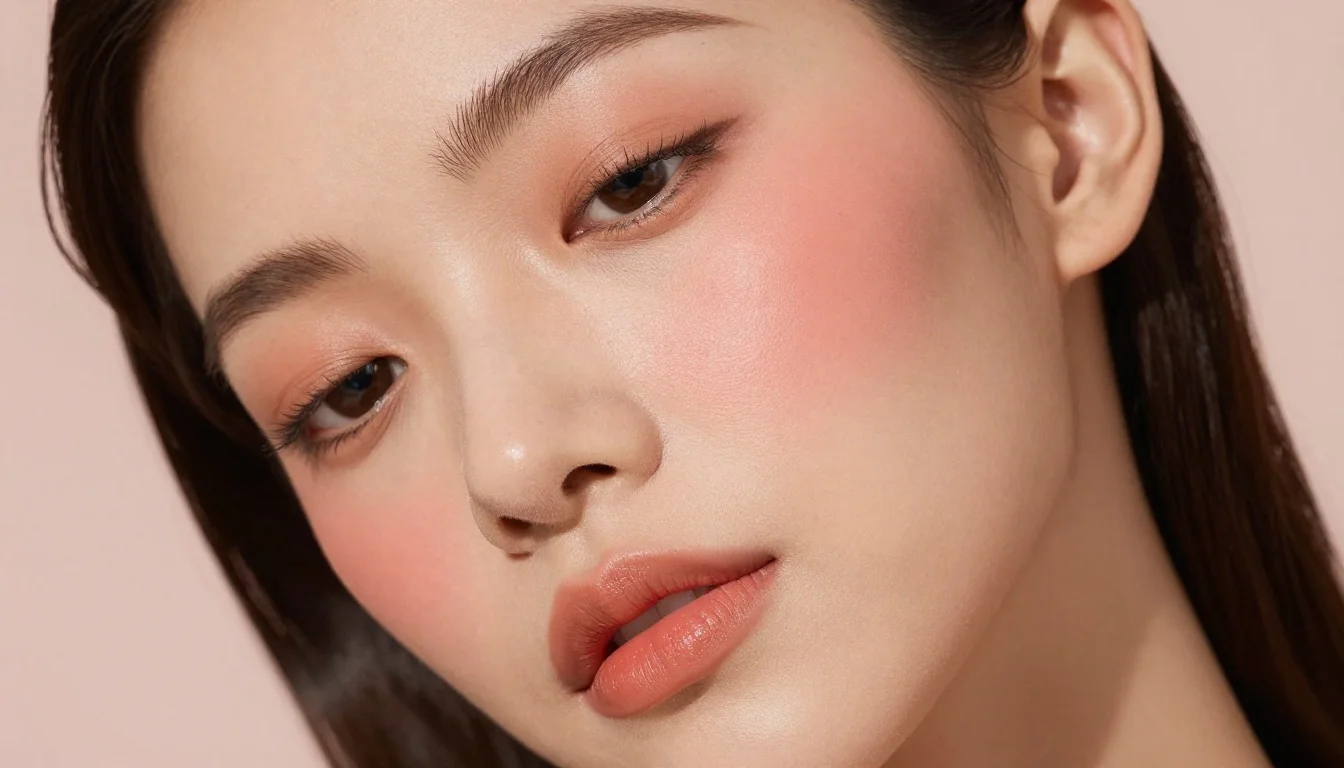
Blush Shades That Fight Tan Skin
Cool pink and baby pink blush
Cool pink blush — any shade with a blue or lavender base — has no undertone relationship with tan skin's golden warmth. On a tan complexion, cool pink registers as a grey-chalky patch rather than a flush. The temperature mismatch is too great. No amount of blending fixes the underlying clash between a cool pink and warm golden skin.
Lavender and mauve blush
Lavender and mauve blushes are essentially cool pink with added purple. On tan skin, the cool-purple base fights the warm-golden undertone directly and creates an unflattering contrast that makes the blush look like a smear of wrong-temperature color. These shades are designed for cool or very fair complexions and actively clash with tan skin's warmth.
Very sheer or pale pastel blush
Blushes that are too sheer or pale simply don't register on tan skin — they sit invisibly on the complexion or, worse, add a faint chalky cast without any warmth. Tan skin needs blush with genuine pigment and saturation to show up as a flush. If a shade looks too light in the pan, it will be invisible on a tan complexion.
Icy or cool-neutral pink blush
Even blushes marketed as 'neutral' can read as cool against tan skin's warmth. Icy or desaturated neutral pinks create a chalky, flat effect on tan complexions — they don't have the warmth to resonate with golden skin and don't have enough pigment to register as color. Always verify that a 'neutral' blush has a warm, not cool, base before applying it to tan skin.
Stop guessing — preview every shade on you
See myself in my shadesBlush Swaps for Tan Skin
Replace the shades that clash with your golden warmth with versions that enhance and echo it.
Cool pink has no undertone relationship with tan skin's golden warmth. Warm peach sits in the same register and reads as a natural flush.
Pink-coral still leans cool enough to create a slight clash on tan skin. Warm coral that leans orange resonates with the golden depth and reads as natural.
Cool berry clashes with tan skin's warmth. A red-based warm berry gives the same drama in a tone that complements rather than fights the complexion.
Pastel pink disappears on tan skin or reads chalky. Light warm peach shows up with warmth and looks like a natural glow.
On tan skin, blush without bronzer can look isolated. Bronzer first creates the warm canvas that makes blush look cohesive and sun-kissed.
Silver highlight pulls cool notes against tan skin's warmth. A warm gold or rose-gold creates a luminosity that complements the peach and coral blush look.
Which Seasonal Palette Fits Your Tan Skin?
Tan skin appears across several seasonal palettes, and your specific season determines the most precise blush shades for your version of golden warmth.
Warm Autumn
Learn moreThe most common match for deeply warm, golden-tan skin. Your ideal blush: warm terracotta, apricot, and burnt sienna. Pair with a golden-brown bronzer and a warm champagne highlighter. The Warm Autumn palette embraces earthy warmth at full depth — these are the tan complexions that look most stunning in rich, deep warm tones.
Deep Autumn
Learn moreDeep Autumn covers tan to medium-deep skin with strong warm undertones and high overall depth. Your blush range: warm terracotta, deep warm berry, and rich apricot. This palette handles the richest, most saturated blush shades that lighter tan skin cannot carry. Deep pigment reads as a natural flush at this depth.
Warm Spring
Learn moreIf your tan skin runs lighter and brighter with a clear golden warmth — a sun-kissed glow rather than a deep tan — Warm Spring may be your palette. Blush shades: bright warm peach, coral, and apricot. This palette embraces warmth at a lighter, brighter depth. Your blushes should be warm and clear rather than muted.
Find Your Exact Blush Shades for Tan Skin
Tan skin with the right warm blush is one of the most striking combinations in beauty — golden depth with a flush of warm coral or apricot looks radiant and alive. A personalized color analysis identifies your specific season within the warm and tan range, giving you the exact blush families, saturation levels, and undertones that make your complexion glow rather than look painted.

Related Guides for Best Blush for Tan Skin
Explore more personalized color advice based on your features.
Want to see these colors on you? What Colors Look Good on Me — free to try.
Frequently Asked Questions About Best Blush for Tan Skin
What blush color is best for tan skin?
Warm peach, apricot, coral, and warm terracotta are the best blush colors for tan skin. These shades share the golden warmth of tan skin and read as a natural flush. For drama, a deep warm berry (red-based, not cool-purple-based) gives a rich, striking result. All of these avoid the cool-pink undertone that looks grey and chalky against golden tan complexions.
Can tan skin wear pink blush?
Tan skin can wear blush with warm pink in it — specifically peach-pink or warm coral-pink. Cool, blue-based pink blush (baby pink, candy pink, lavender-rose) does not work well on tan skin because there is no undertone relationship between the cool product and the warm golden skin. It reads as chalky or disconnected. If you love pink, choose warm coral-pink or peach-pink rather than a cool rose.
Why does blush look chalky on my tan skin?
The most common cause is a cool-toned blush on warm-toned skin. When a blue-based pink blush lands on golden tan skin, the temperature mismatch makes the blush look chalky and disconnected rather than flushed. The fix is switching to blush shades in the warm family — peach, apricot, coral, or terracotta — which share your skin's warmth and read as a natural flush.
Should I use bronzer with blush on tan skin?
Yes — on tan skin, bronzer before blush creates the best result. Apply a warm bronzer across the cheekbones and temples first to establish warmth, then layer a peach or coral blush on the apples of the cheeks. Blush alone on tan skin can look isolated; bronzer gives it a cohesive, sun-kissed context. The combination is one of the most flattering looks for tan complexions.
What formula of blush works best on tan skin?
Cream blush gives the most natural, skin-like result on tan skin — it melds into the complexion and looks like the color is coming from within. Powder blush also works well and is easier to control. Either way, choose a formula with genuine pigment and saturation — very sheer blush formulas don't register against tan skin's depth. A subtle sheen or fine shimmer in the formula adds luminosity that photographs beautifully on golden skin.
Can tan skin wear terracotta blush?
Yes — terracotta blush works beautifully on tan skin and is one of the most striking options available. The earthy warmth of terracotta resonates deeply with golden tan complexions. Applied over a bronzer base, it creates a sun-baked warmth that looks intentional and radiant. Best for medium to deeper tan tones and ideal for evenings or bold daytime looks.