The Best Blush Shades forPale Skin
Pale skin shows blush more dramatically than any other complexion — every shade registers visibly. Discover which tones look natural on you — and which to skip.
Pale skin is both the greatest opportunity and the greatest challenge for blush. Because pale skin has the least melanin of any complexion, every drop of pigment registers with startling clarity — a whisper of the right blush transforms pale skin from flat to luminous, while a heavy hand tips instantly into clown territory. The secret: choose soft, buildable shades in cool pink or warm peach depending on your undertone, apply with an almost-bare brush, and build slowly. Done right, blush on pale skin is one of the most striking and beautiful effects in all of makeup.


3,000+
happy clients
Why Pale Skin Needs a Precise Blush Strategy
Pale skin is both the greatest opportunity and the greatest challenge for blush. Because pale skin has the least melanin of any complexion, every drop of pigment registers with startling clarity — a whisper of the right blush transforms pale skin from flat to luminous, while a heavy hand tips instantly into clown territory. The secret: choose soft, buildable shades in cool pink or warm peach depending on your undertone, apply with an almost-bare brush, and build slowly. Done right, blush on pale skin is one of the most striking and beautiful effects in all of makeup.
Pale skin registers color more vividly than any other skin tone because there is so little pigment in the skin itself to dilute or absorb the blush. On medium or deep skin, a blush that scans as vivid in the pan reads as a flush. On very pale skin, that same blush reads as face paint. This is not a disadvantage — it means even a whisper of color makes a dramatic difference. But it demands precision in both shade selection and application intensity.
The defining challenge of blush on pale skin is controlling the transition between 'no blush' and 'too much blush.' That transition happens in fractions of a gram of product. Understanding this means choosing formulas that are inherently sheer or buildable — powder blushes in finely milled, low-pigment formulas, or cream blushes applied with fingertips for maximum control. Avoid high-pigment pressed blushes and liquid blushes applied with a sponge, both of which deposit too much product too fast on pale skin.
Undertone is crucial for pale skin blush because the skin itself is so light that any temperature mismatch between blush and skin reads immediately. Cool-undertone pale skin — the kind that has visible blue or pink veins at the wrist — looks most natural with pink-toned blush. Warm-undertone pale skin — golden, peachy, cream-toned — harmonizes with peach and soft apricot blush. Very orange, terracotta, or warm-brown blush looks artificial on very pale skin regardless of undertone. Very dark berry reads as bruising rather than flush.
What is the best blush color for pale skin?
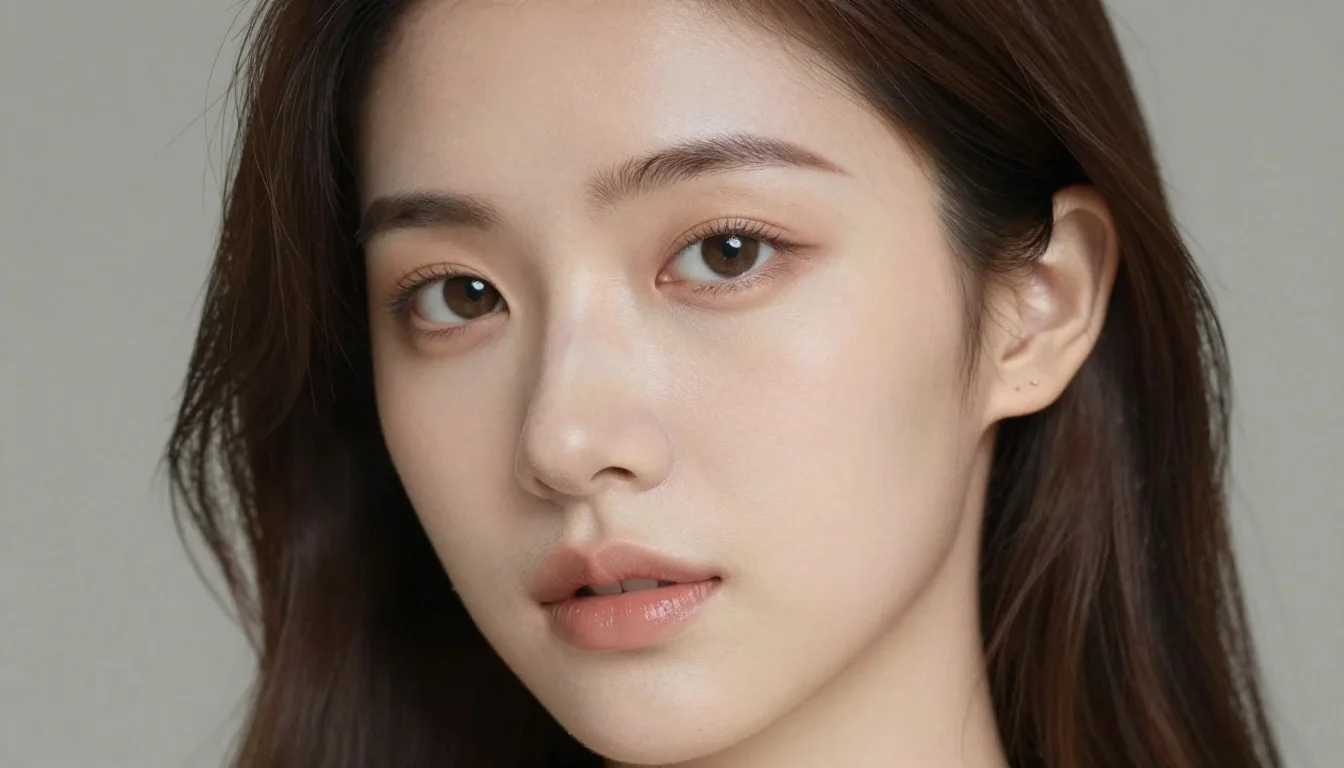
The best blush for pale skin depends on your undertone. For cool or neutral-cool pale skin, soft rose and cool pink are most natural — they mimic the pink flush that pale skin produces naturally. For warm pale skin, pale peach and soft apricot are most flattering. In both cases, choose the sheerest, most lightly pigmented version available. Pale skin amplifies blush intensity significantly, and the shade that looks barely visible in the pan will read clearly on your skin.
Your Best Blush Shade Families for Pale Skin
Cool Pink: The Natural Flush for Cool Pale Skin
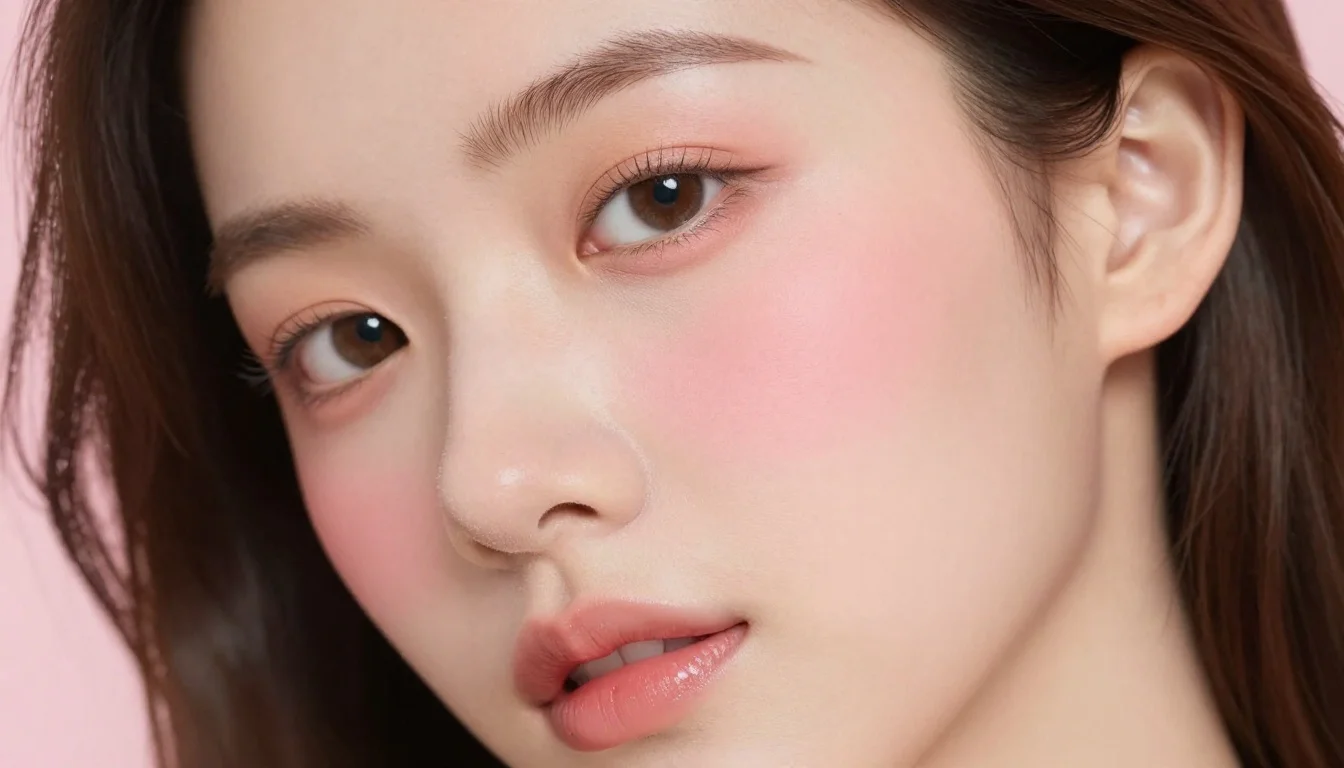
Cool pink blush is the most natural choice for pale skin with cool or neutral-cool undertones. It mimics exactly what happens to very pale skin when it flushes naturally — the blood that shows through translucent skin is always pink-toned, never peach or orange. Choose a soft, slightly dusty cool rose rather than a vivid bubble-gum pink. A muted cool rose disappears into pale cool skin as a natural flush, while vivid pink stands out as applied product. The goal is to look like your skin just blushed, not like you applied blush.
Warm Peach: Sun-Kissed Warmth for Warm Pale Skin
For pale skin with warm undertones — the cream, golden, or peachy kind — soft peach blush adds a gentle warmth that reads as sun-kissed rather than painted on. Peach sits between pink and orange on the color wheel: warm enough to complement a warm-undertone pale complexion, but far enough from orange to avoid the artificial look that terracotta and warm-brown blush creates on very pale skin. The key is to choose the palest, most translucent peach — sheer apricot rather than strong cantaloupe — and build from almost nothing.
Soft Coral-Pink: For Neutral Pale Skin
Pale skin with neutral undertones — neither distinctly cool nor warm — can pull off a soft coral-pink that sits between the cool-pink and warm-peach families. Pale coral has enough warmth to add dimension and enough pink to look natural against the cool-neutral quality most pale skin has. The operative rule: it must be pale and sheer. A sheer watermelon or light salmon-pink applied with a bare brush reads as a healthy, natural flush. A saturated or heavy coral reads as orange face paint. Start with a color that seems almost too light in the pan.
Barely-There Opalescent: For the Most Delicate Touch
For the very palest skin — the kind where even a single swipe of soft rose is visible — barely-there opalescent blush shades offer a polished finish without any risk of over-application. A champagne-pink or opalescent sheer blush adds luminosity and the faintest flush of color that reads as extraordinary skin rather than as makeup. These shades are particularly useful in professional settings, on camera, or whenever you want the effect of blush without any visible trace of product. Build them slowly — even two passes of a barely-there blush is enough on very pale skin.

Ready to see yourself in rose & baby pink?
Start my color analysisHow to Apply Blush on Pale Skin
Tap until the brush is nearly empty
The single most important blush technique for pale skin is loading the brush and then tapping out almost all of the product before it touches your face. Dip the brush, tap it five to seven times against the back of your hand, and check that only the faintest dusting of color remains on the bristles. That is the correct amount. Because pale skin shows color so vividly, you are essentially applying with a ghost of a brush. One pass with a nearly empty brush is usually enough. You can always do a second pass, but you cannot easily undo one too many passes of pigment on pale skin.
Choose a large, fluffy brush
Brush size and density matter enormously on pale skin. A large, dome-shaped, fluffy blush brush diffuses product across a wider surface area and prevents concentration. Avoid dense, tapered, or compact brushes — they press product into a tight zone and create obvious patches of color on pale skin. Apply in wide, arcing sweeps from the apples of the cheeks toward the temples. The broader the sweep, the more diffused and natural the result.
Apply over setting powder for extra control
Dusting a very light setting powder before blush creates a buffered surface that absorbs some of the blush pigment, slows its adhesion to the skin, and gives you more time to blend. This technique dramatically reduces the risk of an unblendable, over-pigmented patch on pale skin. It also makes mistakes correctable — if you apply too much, an additional dusting of setting powder over the blush will reduce the intensity without creating a cakey layer.
Use the draping technique for pale skin
Draping is the best blush technique for pale skin precisely because it avoids the concentrated two-dots-of-pink look that is so unflattering on a pale complexion. Instead of applying blush only to the apples of the cheeks, sweep a sheer blush high across the upper cheekbone and into the temples in a wide arc — almost like a very subtle sweep of bronzer in reverse. This creates a wrap-around flush that looks like your blood is moving under the skin rather than like blush sitting on top of it. Use the most sheer shade in your kit for draping on pale skin.
Blush Shades That Overpower Pale Skin
Terracotta and orange-brown blush
Terracotta and warm orange-brown blush shades are designed to mimic a tan, which very pale skin does not have. Applied to a pale complexion, terracotta and orange blush reads as a stripe of warm paint — obviously artificial, temperature-mismatched, and costume-like. Even warm-undertone pale skin, which can handle more warmth in blush than cool pale skin, is not warm enough to absorb terracotta. Pale skin needs pink or peach, not orange.
Deep berry and wine blush
Deep berry and wine blush shades can look sophisticated and flushed on medium and deep complexions, but on very pale skin the depth of pigmentation has nowhere to go — it sits on the surface and reads as bruising or extreme blush. Pale skin needs blush shades that are light in value, not just in saturation. Even a muted, dusty berry is too deep for the palest complexions.
Highly pigmented pressed blush
The issue is not just the shade but the formula. A highly pigmented blush — even in a theoretically appropriate shade like soft rose — deposits too much product too quickly on pale skin. One pass is too much; there is no room to finesse. For pale skin, choose finely milled, lightly pigmented formulas specifically, not just the right color family. The formula matters as much as the shade.
Strong warm-toned blush on cool pale skin
Cool pale skin — the type with visible blue or pink veins and a distinctly rosy or porcelain quality — will show the temperature mismatch of a warm blush immediately. Even light peach or soft salmon, which work on warm pale skin, read as slightly wrong on cool pale skin. Cool pale skin needs pink-rose blush, not warm peach or apricot.
Stop guessing — preview every shade on you
See myself in my shadesBlush Swaps for Pale Skin
Replacing heavy, saturated, or ill-matched blush shades with pale-skin-appropriate alternatives.
A standard rose that reads beautifully on medium skin over-pigments on pale skin. Choosing a sheerer shade of the same family, or applying with far less product, makes all the difference.
Terracotta creates an artificial warm stripe on pale skin. Pale apricot adds gentle warmth that reads as sun-kissed — the warmth of peach without the orange of terracotta.
Deep berry reads as bruising on pale skin. A cooler, marginally richer soft rose creates drama and dimension without the depth that overpowers a pale complexion.
Skipping blush on pale skin often reads as flat or slightly unwell, especially under artificial light. A barely-there opalescent blush adds the dimension of health without any visible trace of product.
Bronzer in the blush zone on very pale skin reads as a muddy or dirty stripe rather than a tan. Sheer peach plus a soft highlighter creates warmth and luminosity without the artificial effect of warm-toned bronzer on pale skin.
Dense brushes concentrate product in a small zone on pale skin, creating obvious patches. A large fluffy brush diffuses the same amount of product over a wider area for a softer, more natural flush.
Which Seasonal Palette Fits Pale Skin?
Pale skin spans several seasonal color palettes depending on undertone, hair color, and eye color contrast. Your season determines which specific blush shade family is most harmonious with your natural coloring.
Light Spring
Learn morePale skin with a warm, golden-peach undertone and light, warm-toned hair often belongs to Light Spring. Blush sweet spot: sheer peach, pale apricot, and light warm pink. The warmth in your undertone means peach and soft apricot look like your natural flush, while cool rose can look slightly ashy against your warm skin.
Cool Summer
Learn morePale skin with a distinctly cool, rosy, or porcelain quality — often with ash or cool-toned hair — typically belongs to Cool Summer. Blush sweet spot: soft dusty rose, cool pink, sheer mauve-pink. Your undertone is so cool that even light peach can look like a temperature mismatch; soft, slightly muted cool rose is the most natural flush.
Bright Winter
Learn morePale skin with high contrast — very fair skin paired with dark or vivid hair and eyes — can belong to Bright Winter. Blush sweet spot: a slightly brighter cool rose or vivid pink, still applied with a very light hand. Your high contrast coloring means you can handle slightly more intensity than other pale-skin seasons, but the blush should still register as a flush rather than a painted-on circle.
Find Your Exact Pale-Skin Blush Shades
Pale skin with the right blush is extraordinary — it is one of the most striking looks in beauty, the porcelain-and-pink combination that has been celebrated for centuries. A personalized color analysis identifies your exact season within the pale-skin range, so you know precisely which shade family flatters your undertone, how much intensity your natural coloring can support, and which application techniques bring out the luminous quality that is unique to pale skin.

Related Guides for Best Blush for Pale Skin
Explore more personalized color advice based on your features.
Want to see these colors on you? What Colors Look Good on Me — free to try.
Frequently Asked Questions About Best Blush for Pale Skin
What is the best blush color for pale skin?
The best blush for pale skin depends on your undertone. For cool or neutral-cool pale skin, soft rose and cool pink are most natural — they mimic the pink flush that pale skin produces naturally. For warm pale skin, pale peach and soft apricot are most flattering. In both cases, choose the sheerest, most lightly pigmented version available. Pale skin amplifies blush intensity significantly, and the shade that looks barely visible in the pan will read clearly on your skin.
Why does blush look so heavy and obvious on my pale skin?
Pale skin has less melanin than any other skin tone, which means pigment from blush sits very close to the surface and reads more vividly. A shade that looks like a natural flush on medium skin looks like a heavy blush on pale skin. The solution is two-fold: choose a sheerer, more lightly pigmented formula, and apply with a significantly lighter hand. Tap excess product off your brush before applying, and start with one very light pass before deciding if more is needed.
Can pale skin wear coral blush?
Yes, but only in the palest and sheerest versions. Soft pale coral and sheer watermelon-pink work on pale skin with neutral undertones, applied very lightly. Strong, saturated, or orange-leaning coral reads as artificial on very pale skin — the orange undertone is too warm for a complexion with so little warmth of its own. For cool pale skin, soft rose is more harmonious than coral. For warm pale skin, pale apricot is a safer warm-toned choice than coral.
Is terracotta blush bad for pale skin?
Yes — terracotta and orange-brown blush are poorly suited to pale skin regardless of undertone. These shades are designed to mimic the warmth of a tan, which pale skin doesn't have. On a pale complexion, terracotta reads as a visibly artificial stripe of warm color that clashes with the cool or light-warm quality of very fair skin. Even warm-undertone pale skin is not warm enough to absorb the depth and orange-warmth of terracotta blush naturally.
How do I make blush look natural on pale skin?
Several techniques make blush look natural on pale skin. First, choose a shade that is clearly in the right undertone family for your skin (pink-rose for cool, peach for warm). Second, use a large, fluffy brush and tap out nearly all product before applying. Third, apply over a light dusting of setting powder to buffer intensity. Fourth, use the draping technique — sweep blush high across the cheekbone and into the temples rather than just on the apple — for a diffused, natural flush rather than obvious circles.
Should I skip blush if I have very pale skin?
No — skipping blush on pale skin often makes the complexion look flat, tired, or unwell, especially under artificial light. The goal is not to avoid blush but to find the right shade applied at the right intensity. Even a barely-there sheer blush — a single sweep of champagne-pink or opalescent rose — adds the dimension of life and health to pale skin that reads as luminous skin rather than as makeup. Start very light and build only if needed.