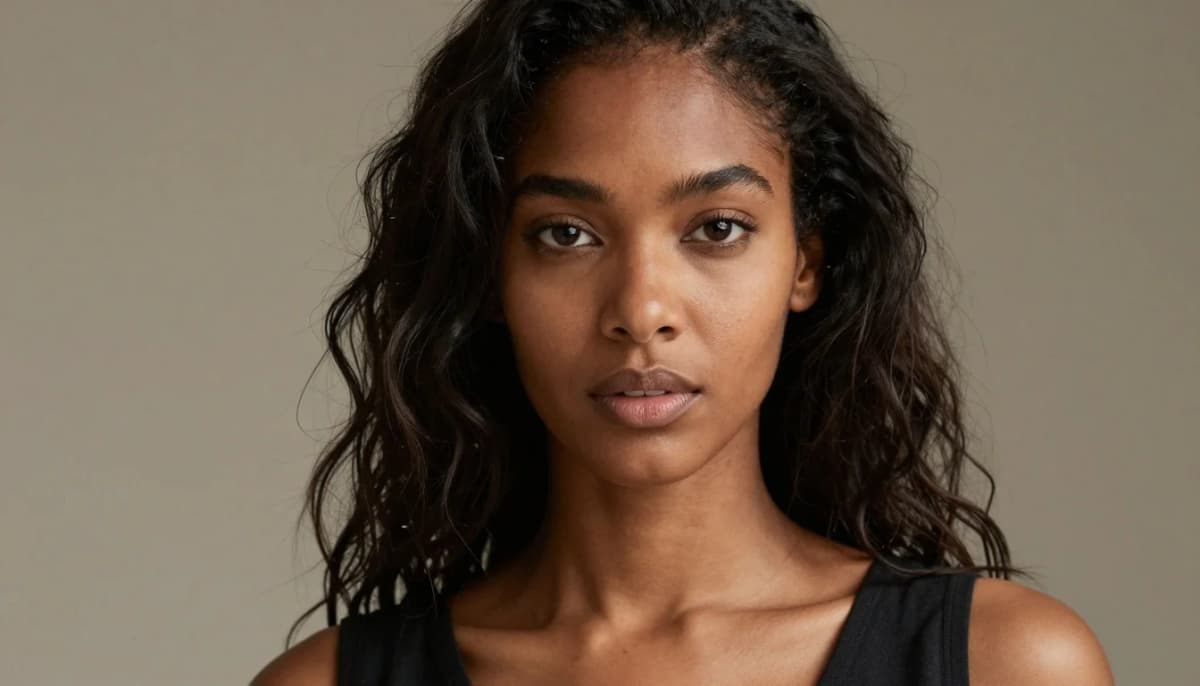
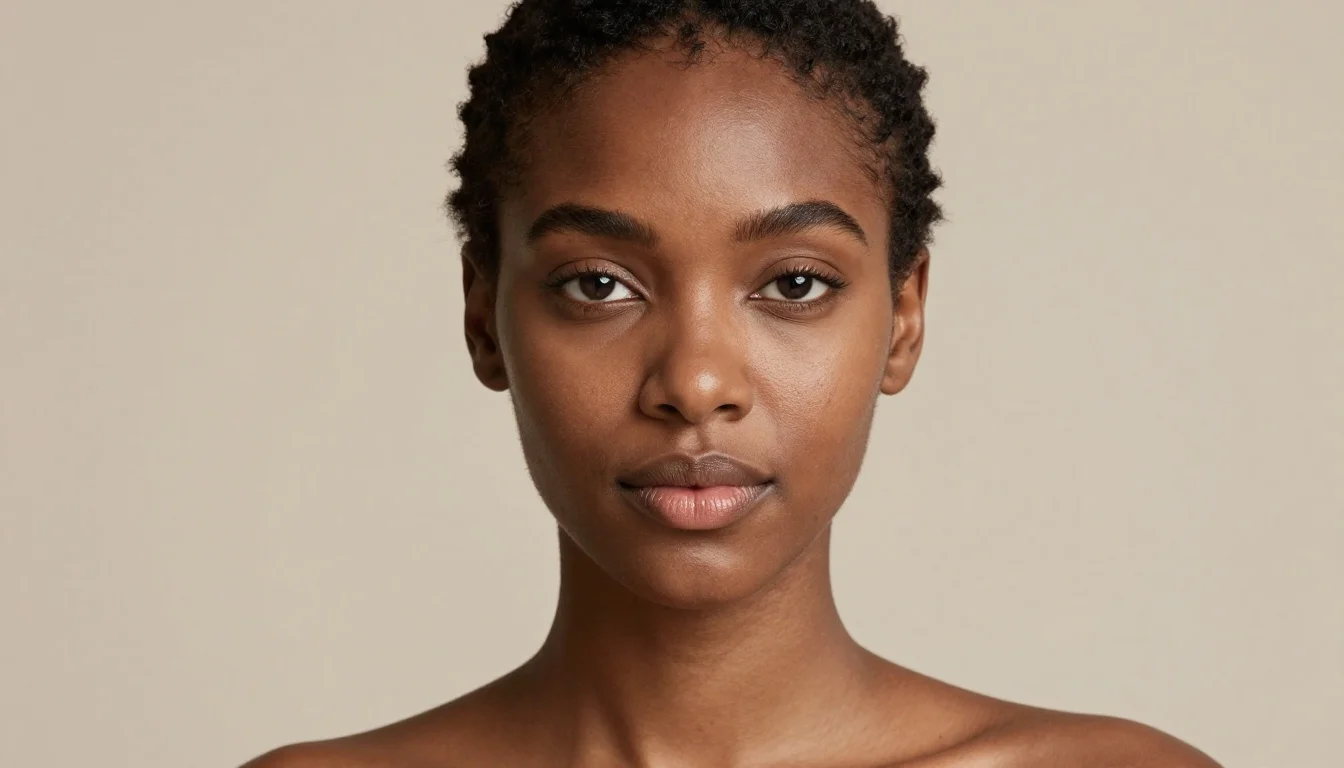
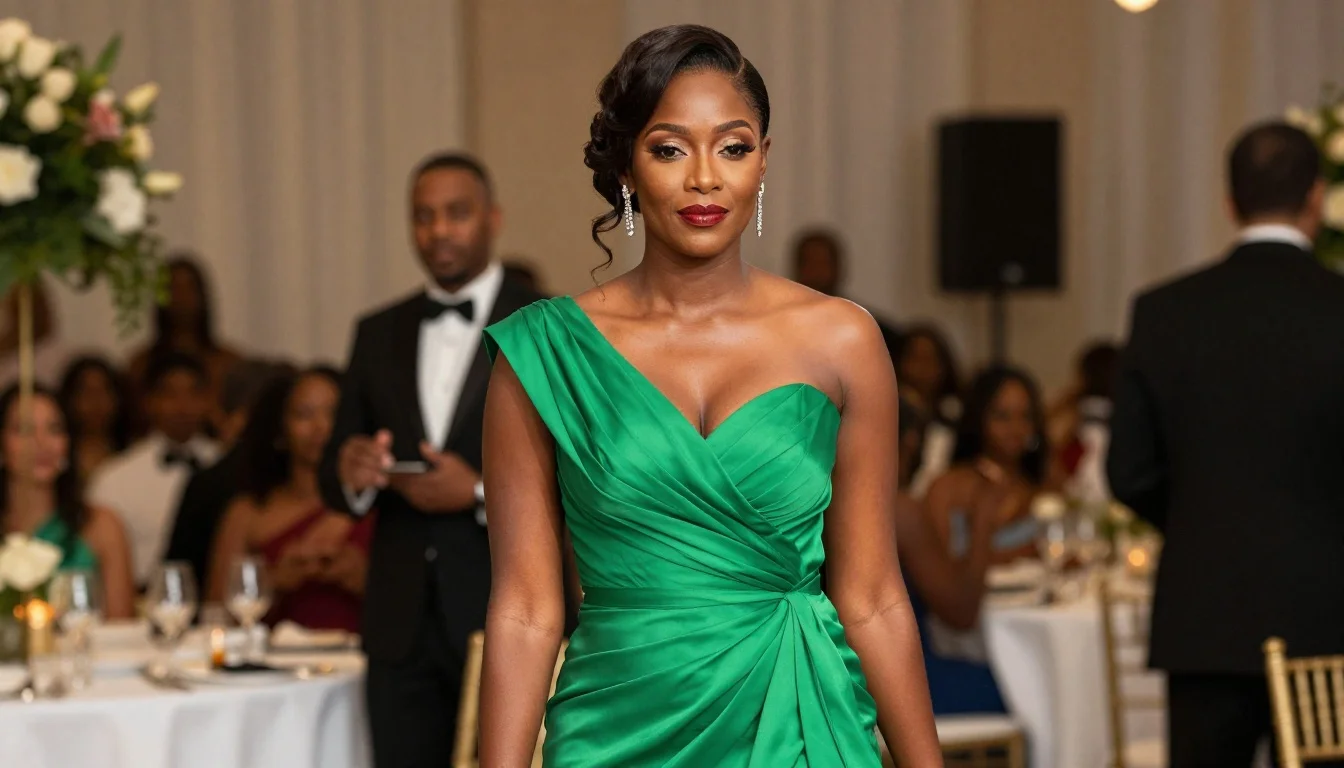
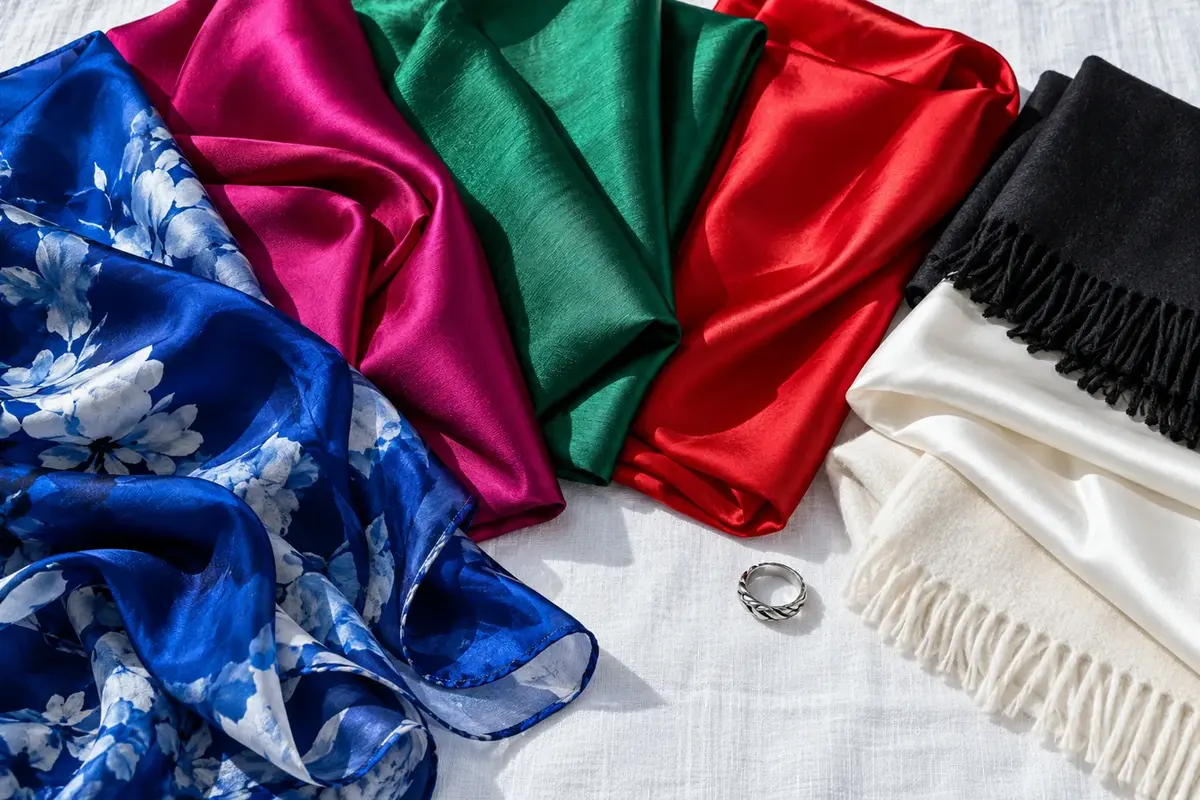
Dark skin has an extraordinary advantage at weddings: it can carry vivid, saturated colors that lighter complexions can't approach without being overwhelmed. The richest jewel tones, the most vivid brights, and the deepest neutrals all look extraordinary against dark skin. The key is choosing colors with the right undertone relationship — warm or cool, depending on your specific complexion — and avoiding shades that lack contrast or create a muddy visual effect.
Dark skin tones range from deep cool-ebony to warm-rich mahogany to golden-deep brown, and each registers differently with color. The unifying factor is melanin density: the richness of the pigment means that pale, muted, or low-saturation colors often lack the contrast to look intentional against deep skin. Colors need either enough saturation to create vivid contrast or enough depth to create rich tonal harmony — there's very little middle ground where pale or dusty colors read as polished.
At weddings, the photography consideration is significant. Dark skin requires more attention to lighting and color interaction than lighter skin tones, because contrast between skin and clothing is what creates visible definition in photographs. Colors in the vivid, saturated range — coral, cobalt, emerald, magenta, bright gold — photograph beautifully against dark skin because the contrast is high and clear. Muted, dusty, or very pale colors can create low-contrast photographs where the definition of face and features disappears.
The undertone of your dark skin also shapes your best palette. Cool-ebony skin with blue-black depth reads best with cool jewel tones (cobalt, cool violet, cool berry). Warm-mahogany or golden-brown skin reads best with warm jewel tones (coral, warm cobalt, amber gold, warm rose). Most dark skin has enough richness to carry both warm and cool choices — but the best results come from matching the undertone register.