Wardrobe forPale Skin
Build a wardrobe around pale skin's biggest advantage: the ability to make deep. Discover how to build looks with shades that actually flatter you.
Most advice for pale skin tells you what colors to wear. This guide is about how to build a wardrobe around those colors — the anchor pieces, the outfit formulas, and the specific swaps that turn a scattered collection of clothes into a cohesive system that works every time you open your wardrobe. Pale skin is not a complication to dress around. It is one of the most powerful contrasts in fashion, and the wardrobe that understands this feels entirely different from one that doesn't.


3,000+
happy clients
Why Pale Skin Changes How Colors Work in a Wardrobe
Most advice for pale skin tells you what colors to wear. This guide is about how to build a wardrobe around those colors — the anchor pieces, the outfit formulas, and the specific swaps that turn a scattered collection of clothes into a cohesive system that works every time you open your wardrobe. Pale skin is not a complication to dress around. It is one of the most powerful contrasts in fashion, and the wardrobe that understands this feels entirely different from one that doesn't.
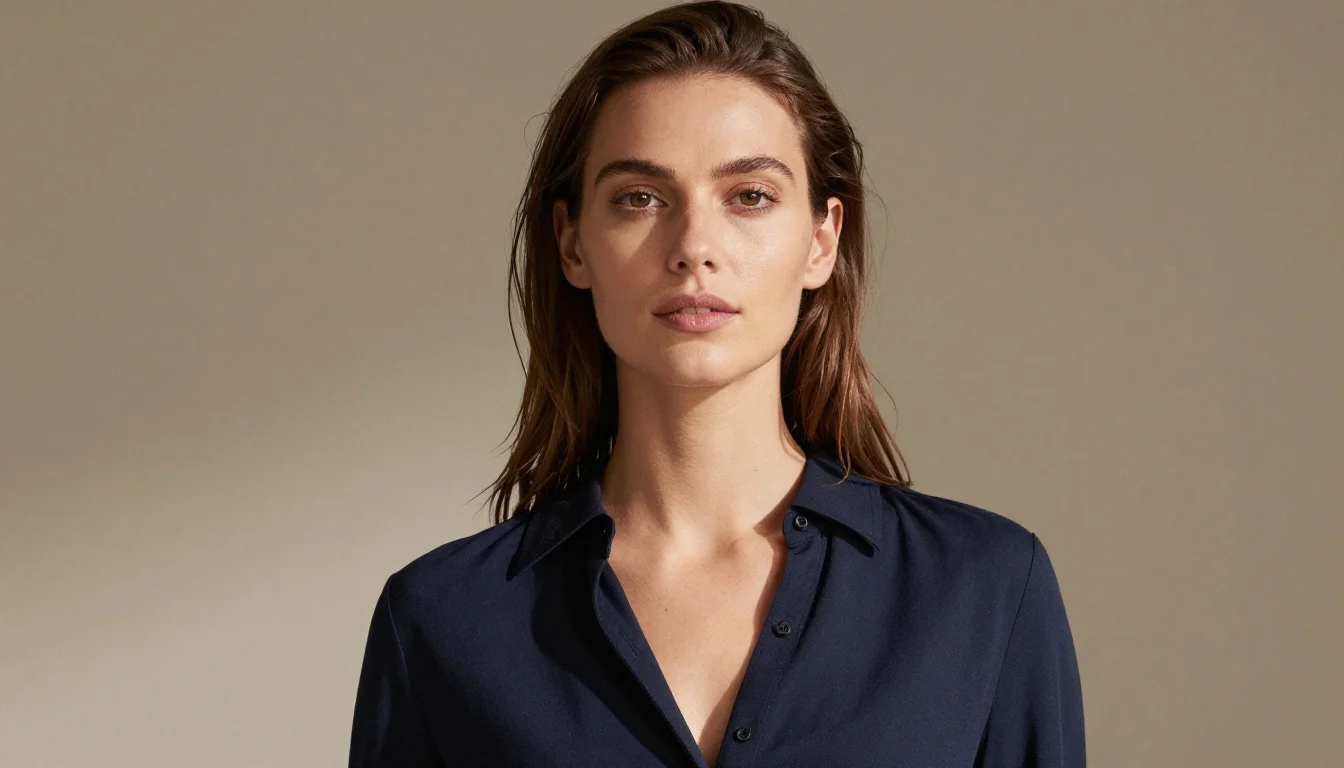
Pale skin creates a high-contrast canvas that other skin tones simply do not have. When you put a deep navy shirt, an emerald blazer, or a rich burgundy coat against fair skin, the result is not overwhelming — it is effortlessly chic. That contrast is an asset you can build an entire wardrobe strategy around.
The wardrobe mistake most people with pale skin make is playing it safe: reaching for neutrals that are too close to their skin tone, or building around black when navy, deep plum, and forest green would photograph and read far more beautifully. Pale skin also has exclusive access to a category of colors — dusty pastels, soft lavender, blush — that tend to wash out on deeper skin tones but create a uniquely delicate, sophisticated look on fair complexions.
Understanding your undertone — whether your pale skin runs cool-pink, warm-peachy, or neutral — determines which version of these colors you should anchor your wardrobe in. A cool-undertoned wardrobe built around sapphire and soft lavender will feel entirely different from a warm-undertoned wardrobe built around blush, ivory, and dusty sage. Both are beautiful. They are not the same.
What colors should a wardrobe for pale skin be built around?
Build a pale skin wardrobe around four colour families: deep dark anchors (navy, forest green, burgundy, plum) for striking contrast; dusty soft tones (rose, lavender, pale sage) that only fair skin can carry; rich jewel tones (sapphire, emerald, violet) for impact pieces; and pale skin's true neutrals (warm ivory, navy, warm stone, camel) as foundations. Avoid building around skin-adjacent shades — nude, beige, and pale yellows — which make fair complexions disappear into the outfit.
Your Core Wardrobe Colors
Deep Dark Anchors
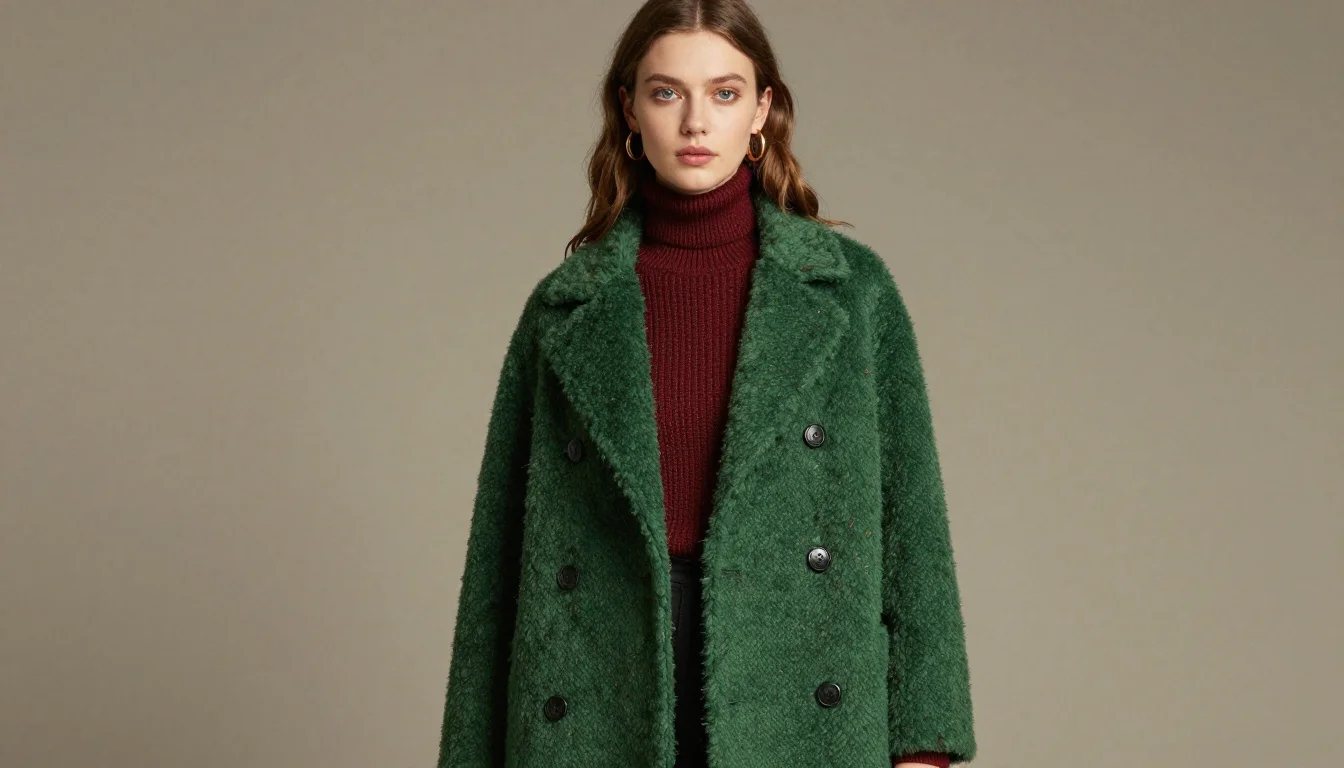
These are the cornerstone garments of a pale skin wardrobe — the pieces that create beautiful high contrast against fair skin and anchor every outfit with sophistication. A deep navy blazer and trousers. A forest green wool coat. A burgundy cashmere sweater. A rich plum midi dress. What makes these work so powerfully is contrast: pale skin against a deep, rich color is one of the most striking combinations in fashion. These shades function as "pale skin neutrals" — they replace the all-black wardrobe that many fair-skinned people default to, with results that are far more flattering and distinctive. For cool undertones, navy and deep plum. For warm undertones, burgundy and forest green.
Pale Skin Exclusives: Dusty Soft Tones
This is the color family that is genuinely unique to pale skin. Dusty rose, soft lavender, and pale sage tend to wash out on deeper skin tones — they have too little saturation to create contrast against medium or dark complexions. On pale skin, they create something completely different: a delicate, harmonious glow that reads as refined and intentional. A dusty rose silk blouse against fair skin looks expensive. A soft lavender knit against pale, cool-toned skin looks luminous. These are not "safe" choices — they are sophisticated ones that only work because of the fair complexion they sit against. Build your softer layering pieces — knitwear, blouses, slip dresses — in this palette.
Rich Jewel Tones
Jewel tones are the evening and impact pieces of a pale skin wardrobe. Sapphire, emerald, deep violet, and ruby against fair skin create the kind of vivid, deliberate contrast that makes people take notice. These are not subtle choices — but on pale skin, they do not look try-hard. They look confident. A sapphire wrap dress for a dinner. An emerald green blazer worn as a top with black trousers. A deep violet bodysuit under high-waisted trousers. The key insight: jewel tones make pale skin look luminous rather than washed out because the color is rich enough to let your fair complexion be the light in the room.
Pale Skin's True Neutrals
Every wardrobe needs neutrals — but for pale skin, the standard neutral choices are often wrong. Stark white blends into fair skin and creates a monochrome effect. Cool grey makes most pale skin look drained. Black is fine but lacks the visual warmth that makes fair complexions look their best. Instead, build your neutral wardrobe foundation in warm ivory (not bright white), navy used as a neutral (not just a statement), warm stone grey, and soft camel. Ivory trousers, a navy knit, a stone-grey coat, camel leather shoes — these work with everything else in the wardrobe and let your skin look alive rather than disappearing into your clothes.

Ready to see navy & green on your face?
Start my color analysisHow to Build Outfits for Pale Skin
The deep anchor formula
The most reliable outfit formula for pale skin: lead with a deep, rich color at the top, near your face. A deep navy cashmere crewneck with cream trousers and tan leather loafers. A forest green silk blouse with dark denim and gold jewellery. A rich plum turtleneck with camel-coloured wide-leg trousers. The deep piece near your face creates the contrast that makes pale skin look striking; the lighter or neutral piece at the bottom grounds the look without competing. This formula works for any occasion — from a weekend coffee run to a client meeting — and always looks intentional.
The pale skin tonal dress
Tonal dressing — wearing shades from the same colour family — looks exceptional on pale skin because your complexion becomes the contrast. A deep navy blazer over a mid-navy blouse with soft blue-grey trousers creates a sophisticated tonal look where the variety of shades within the blue family provides interest, and your fair skin provides the light. Similarly, dusty rose blouse with mauve trousers and a soft pink knit wrap creates a romantic, cohesive look that only works because pale skin gives the eye somewhere to rest. Choose one colour family, wear two to three shades of it, and let your complexion do the rest.
Using pale skin's exclusive palette
Build your softer, lighter wardrobe pieces — the knitwear you reach for on weekends, the silk blouse for dinners, the slip dress for summer — in the shades that only truly work on pale skin: dusty rose, soft lavender, pale sage, blush pink. Pair a dusty rose merino knit with dark denim and point-toe ankle boots. Wear a soft lavender silk shirt with navy tailored trousers and silver jewellery. These combinations look deliberately curated because they are — you are dressing with knowledge of what makes fair skin specific rather than dressing defensively.
Evening and occasion dressing
For occasion dressing, pale skin and jewel tones are one of fashion's great pairings. A sapphire midi dress with strappy gold sandals and minimal jewellery. An emerald green satin slip dress with a deep violet velvet blazer (tonal jewel-tone layering that reads extremely sophisticated on fair skin). A rich plum sequinned top with wide black trousers and pointed black heels. Avoid the instinct to wear pale or metallic evening pieces — champagne and pale gold tend to disappear against fair skin rather than making a statement. Deep, saturated colour at night turns pale skin into a canvas for drama.
Wardrobe Colors That Fight Pale Skin
Head-to-toe light neutrals near your skin tone
The biggest wardrobe error for pale skin is building around very light, skin-adjacent colors — nude, beige, pale blush, off-white — as your primary palette. When your clothes are nearly the same shade as your skin, the result is monochrome in an unflattering sense: you disappear into your outfit. One light piece near the face is manageable; an all-light outfit makes fair skin look transparent. The fix is always a contrast anchor — a deep jacket, a dark trouser, a rich scarf — to give your skin something to read against.
Stark white as a wardrobe staple
Bright optical white sits so close to the lightness of pale skin that it creates a flat, washed-out effect rather than the crisp look you expect. For the everyday wardrobe, switch to warm ivory, cream, or ecru. These have just enough warmth or depth to create contrast with fair skin without adding color. Save true bright white for small accents — a white collar, a white trim — rather than as a key piece near your face.
Warm orange and terracotta
Orange-family shades — terracotta, burnt orange, pumpkin — tend to clash with the cool or pink quality common in pale skin, amplifying any redness in fair complexions. If you love warm colour, soft coral and dusty peach give you the same warm-colour energy without the clash. Terracotta looks beautiful on deeper, olive, or warm-toned skin — it is not a pale skin ally.
Acid yellow and pale yellow-green
Very light, chalky yellows and yellow-greens pull sallow and greenish tones out of pale skin. The reflective quality of pale skin picks up the yellow cast of these shades and reflects it back in a way that looks unflattering. Rich golden yellow can work for warm pale skin in small doses — it is the chalky, washed-out version that causes problems. Substitute: warm butter yellow if you love yellow, or soft sage if you love yellow-green.
Stop guessing — preview every look on you
See these looks on my photoYour Wardrobe, Upgraded
Garment-by-garment swaps that use pale skin as an asset rather than a limitation.
Oatmeal is close enough to pale skin that it disappears. Dusty rose and soft lavender have the gentle saturation to frame fair skin beautifully — and they are colours only pale skin can carry this well.
Black reads as a default on pale skin. Deep navy and forest green create the same powerful contrast with far more visual interest and colour harmony against fair complexions.
Stark white merges with pale skin and makes both look flat. Warm ivory has just enough depth to create contrast that makes fair skin look luminous rather than monochrome.
Pale metallic tones vanish against fair skin at evening events. Deep jewel tones create the dramatic, intentional contrast that makes pale skin look its most striking.
A light coat over pale skin creates a washed-out effect — too little contrast to anchor the look. A deep or warm-toned coat frames your face and makes the whole outfit read as considered rather than uncertain.
Pale yellow and washed sage pull yellow or green tones from fair skin in unflattering ways. Navy gives you contrast; dusty rose gives you warmth — both work beautifully with a pale complexion.
Which Seasonal Palette Shapes Your Wardrobe?
Pale skin appears across several seasonal colour palettes — and your specific season determines whether your wardrobe leans toward cool jewel tones or warm earth tones, high contrast or soft harmony.
Cool Winter
Learn moreIf your pale skin has strong cool or pink undertones, your hair is dark, and your colouring feels high-contrast and vivid, Cool Winter is likely your type. Your wardrobe thrives on maximum contrast — icy brights, deep jewel tones (sapphire, ruby, emerald), crisp navy, and stark white all work on you in ways they don't on softer colourings. Deep anchors plus vivid accents is your signature formula.
Light Summer
Learn moreIf your pale skin is delicate and soft with a cool or neutral undertone, your hair is light or medium, and your overall colouring feels harmonious rather than high-contrast, Light Summer is your likely home. Your wardrobe works in the softest, most muted versions of the pale skin palette — dusty rose, soft lavender, powder blue, cool taupe. High saturation overwhelms; gentle, refined colour is your strongest suit.
Light Spring
Learn moreIf your pale skin has a warm or peachy quality, your hair has golden or strawberry undertones, and your colouring feels warm and clear rather than cool and soft, Light Spring is your wardrobe anchor. You look most alive in warm, clear tones — peach, blush, warm ivory, soft golden yellow, and coral. The soft lavender and cool navy that suit Light Summer can feel flat on you; warm, slightly brighter versions of each colour are your zone.
Cool Summer
Learn moreIf your pale skin has a cool or rose undertone but your overall colouring is medium-contrast rather than high-contrast, Cool Summer shapes a wardrobe that leans into muted, refined cool tones — dusty rose, soft berry, cool lavender, slate blue, and muted teal. Colours that are too vivid or too saturated feel harsh; your strength is in the sophisticated, deliberately quiet versions of the pale skin palette.
Build the Wardrobe Your Skin Tone Deserves
A wardrobe for pale skin is not about restriction — it is about knowing which four or five colours work so powerfully with your complexion that you never reach for the wrong thing again. The deep anchors that create striking contrast, the exclusive dusty pastels only fair skin can carry, the jewel tones that turn evening into drama — all of it is available to you. What a colour analysis adds is precision: the exact undertone-specific shades that make your specific version of pale skin look luminous, not just flattering. Get that right, and building the wardrobe becomes straightforward.
Stop guessing — preview every color on you
Preview Yourself In Your Palette
Get my personalized paletteStop guessing — preview every color on you
Preview Yourself In Your Palette

Related Guides for Wardrobe for Pale Skin
Explore more personalized color advice based on your features.
Want to see these colors on you? What Colors Look Good on Me — free to try.
Frequently Asked Questions About Wardrobe for Pale Skin
What colors should a wardrobe for pale skin be built around?
Build a pale skin wardrobe around four colour families: deep dark anchors (navy, forest green, burgundy, plum) for striking contrast; dusty soft tones (rose, lavender, pale sage) that only fair skin can carry; rich jewel tones (sapphire, emerald, violet) for impact pieces; and pale skin's true neutrals (warm ivory, navy, warm stone, camel) as foundations. Avoid building around skin-adjacent shades — nude, beige, and pale yellows — which make fair complexions disappear into the outfit.
What is the best outfit formula for pale skin?
The most reliable formula: anchor the look with a deep, rich colour near your face — a deep navy knit, a forest green blouse, a burgundy blazer — paired with a lighter or neutral piece at the bottom. The contrast between your pale skin and the rich colour at the top is where the visual impact happens. A secondary formula: tonal dressing in one colour family, where pale skin provides the contrast and the different shades within the family provide the interest.
Can pale skin wear pastels?
Yes — and pale skin has unique access to the dusty, soft pastels that tend to wash out on deeper skin tones. Dusty rose, soft lavender, blush pink, and pale sage create a delicate, sophisticated effect on fair skin that is genuinely distinctive. The key is choosing pastels with some saturation — not chalky or washed-out versions. Very icy pastels with a grey cast can still drain pale skin, but soft, warm-leaning pastels are a pale skin exclusive.
Should pale skin avoid white?
Bright optical white blends into pale skin and creates a flat, monochrome effect. For the wardrobe, switch the everyday white tee or blouse to warm ivory, cream, or ecru — shades that have enough depth to create contrast with fair skin while still reading as a light neutral. True bright white works better as a small accent (a collar detail, a trim) than as a full garment near your face.
What is the best coat colour for pale skin?
Deep, rich colours create the most flattering coats for pale skin — burgundy, forest green, and navy all frame a fair complexion beautifully and look intentional rather than safe. Warm camel and rich chocolate brown also work well for warm-undertoned pale skin, adding depth without the starkness of all-dark looks. Avoid cream, off-white, and pale neutral coats as outerwear — too much light at the edges of the silhouette with pale skin in the centre reads as washed out.
What is the best colour to wear for a job interview with pale skin?
Deep navy is one of the most powerful choices for pale skin in professional settings — it creates authoritative contrast against fair complexions and reads as polished and trustworthy. Deep charcoal with a warm ivory blouse, or forest green with navy trousers, also work extremely well. Avoid light grey or pale beige interview outfits — they lack the contrast to frame pale skin confidently. The goal is a deep, structured anchor piece (blazer, jacket, or structured top) in a colour with genuine depth.