The Curated Color System forCool Undertones
Build an intentional capsule wardrobe around cool undertones. Discover how to build looks with shades that actually flatter you.
If your skin has a pink, rosy, or blue cast — if silver jewelry always looks more natural than gold, if you look vibrant in jewel tones and tired in camel — you have cool undertones. The minimalist wardrobe for cool undertones is built on a strict 3-4 color system: cool neutrals, one jewel-tone accent, and one clean light. Every piece works with every other piece. Getting dressed becomes a decision that takes seconds, not minutes.


3,000+
happy clients
Why Cool Undertones Need a Dedicated Color System
If your skin has a pink, rosy, or blue cast — if silver jewelry always looks more natural than gold, if you look vibrant in jewel tones and tired in camel — you have cool undertones. The minimalist wardrobe for cool undertones is built on a strict 3-4 color system: cool neutrals, one jewel-tone accent, and one clean light. Every piece works with every other piece. Getting dressed becomes a decision that takes seconds, not minutes.
Cool undertones — characterized by pink, rosy, or blue tones beneath the skin — belong to a completely different color family than warm undertones, and the clothes that look extraordinary on one type can look genuinely unflattering on the other. Yet most wardrobe advice is undertone-agnostic, which means cool-undertoned people frequently end up with wardrobes full of camel, terracotta, and warm earth tones that never quite work.
Cool undertones respond best to colors in the cool half of the color wheel: blues, blue-greens, true reds, cool purples, cool pinks, and crisp neutrals. These colors share the same pink or blue base as your skin, creating harmony rather than conflict. Warm colors — yellow-based camel, orange-based terracotta, yellow-green olive — can introduce a sallow or muddy quality against cool undertones.
A minimalist wardrobe built specifically for cool undertones eliminates this problem entirely. By choosing only colors from the cool, jewel-toned palette your undertone responds to, you create a system where every piece flatters you by definition. No more reaching for the camel sweater out of habit only to feel wrong in it all day.

What colors suit cool undertones in a minimalist wardrobe?
Cool undertones suit colors in the blue, blue-green, and cool-red family: deep navy, crisp white, soft grey, burgundy, deep berry, teal, and jewel blue-green. These colors share the same pink or blue quality as the skin undertone, creating harmony rather than conflict. A minimalist wardrobe for cool undertones uses two cool neutrals (navy and white/grey) with burgundy and teal as accents.
Your Minimalist Color Palette
Neutral 1: Deep Navy & Midnight Blue
Deep navy is the quintessential neutral for cool undertones. It harmonizes with the blue quality in your skin, provides the depth of black without its harshness, and works as an anchor for every other color in the system. Build your trouser, coat, and bag wardrobe around this shade.
Neutral 2: Crisp White & Soft Grey
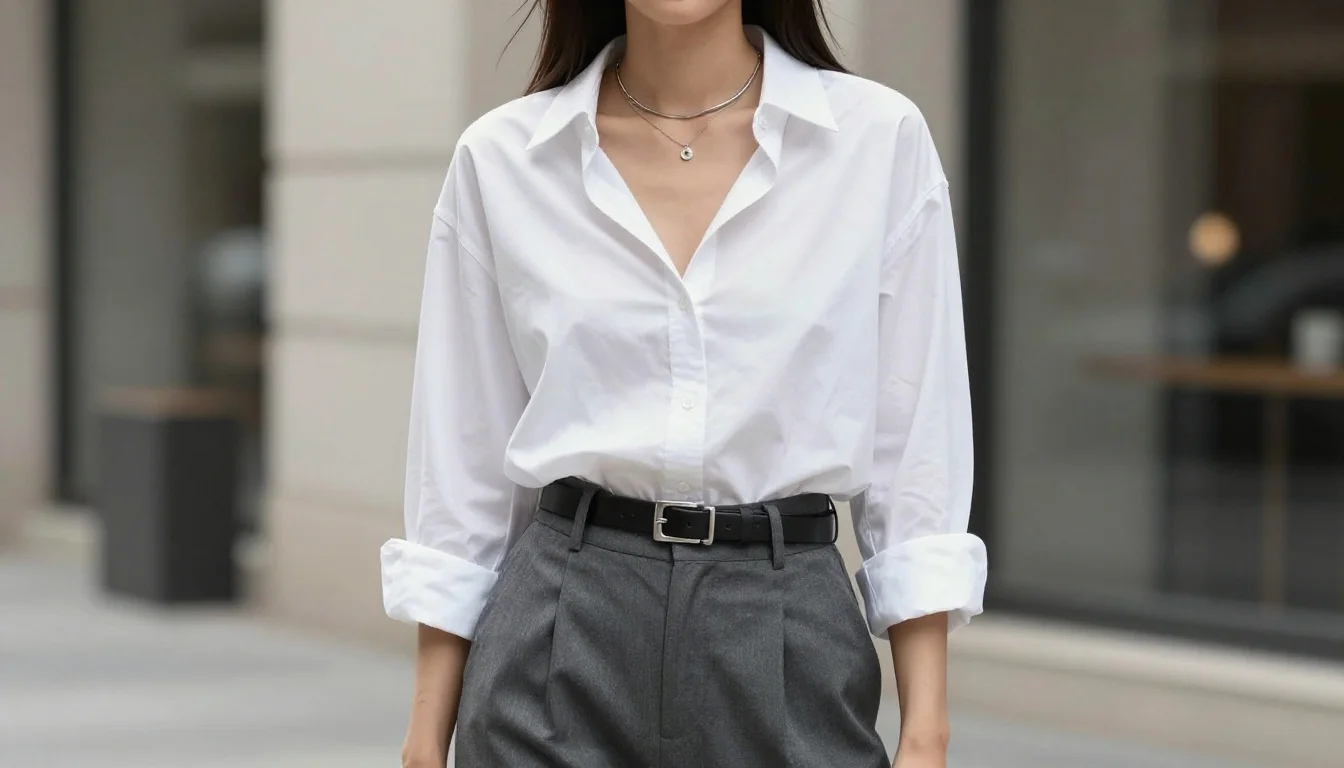
Cool, crisp white and soft blue-grey are your light neutrals. Unlike warm ivory or cream, these cool-toned lights harmonize naturally with your pink or rosy skin undertone. White and cool grey near the face create fresh, luminous contrast rather than the warmth that conflicts with cool skin.
Accent 1: Burgundy & Deep Berry
Burgundy and deep berry are cool-undertone essentials — their blue-based red creates a stunning, sophisticated contrast with pink and rosy complexions. Unlike warm reds (which have orange or yellow undertones), cool reds and berries enhance rather than fight the rosy quality in cool skin.
Accent 2: Teal & Jewel Blue-Green
Cool teal and jewel blue-green are your most versatile accent beyond burgundy. They sit at the intersection of blue and green, sharing the cool quality your undertone requires while providing a fresh, clean alternative to deeper neutrals. A teal blazer or blouse transforms the entire look of your wardrobe.

Ready to see your palette on your face?
Start my color analysisThe Minimalist Formula for Cool Undertones
The Color Ratio
70% of your wardrobe is your two core neutrals (deep navy and crisp white or soft grey). 20% is your primary accent (burgundy or deep berry). 10% is your secondary accent (teal or jewel blue-green). In 15 pieces: 10-11 navy and white pieces, 3 burgundy pieces, 2 teal pieces. The cool, clean quality shared by every color is what makes the system work effortlessly.
The 15-Piece Formula
5 tops (2 crisp white or soft grey, 2 burgundy, 1 teal) + 3 bottoms (2 deep navy, 1 burgundy or teal) + 2 outerwear (1 deep navy coat, 1 teal or forest green jacket) + 2 dresses (1 navy, 1 burgundy) + 2 shoes (navy or black leather, white or grey sneakers) + 1 bag (navy, oxblood, or deep teal leather). Every combination works within the cool color story.
How Every Piece Earns Its Place
The minimalist test for cool undertones: does this color have a pink, blue, or neutral (not yellow) base? Hold it near your face in natural light — does your skin look clear, bright, and rosy-healthy? Or does it look sallow and tired? Keep only the pieces that produce the first result. This single test eliminates every camel sweater, warm beige trouser, and terracotta accent that was silently undermining your wardrobe.
Silver, Not Gold
Accessories are part of your color system. Silver, white gold, platinum, and cool-toned metals harmonize with cool undertones. Gold and brass, which belong to the warm palette, can look dissonant against pink-toned skin. Consistent silver hardware on your bags, watches, and jewelry integrates seamlessly with your navy-burgundy-teal wardrobe system.
Colors That Fight Cool Undertones
Warm Camel & Honey
Yellow-based camel and honey are warm-undertone neutrals — they directly conflict with the pink or blue quality of cool skin, often creating a sallow or muddy effect. If you feel wrong in camel but great in navy, your undertone is telling you something important.
Terracotta & Burnt Orange
Orange-based terracotta fights cool undertones by introducing warmth where your complexion expects cool. The result can appear unflattering near the face, washing out the healthy quality of your complexion rather than enhancing it.
Warm Olive & Yellow-Green
Olive greens with yellow or earthy undertones create a muddy, unflattering quality against cool skin. Cool greens (forest, teal, jewel green) work beautifully — the undertone within the green matters as much as the color itself.
Warm Ivory & Cream
While ivory works for warm and neutral undertones, it can introduce a slightly sallow quality against distinctly cool complexions. Cool white or soft cool grey is your better light neutral, providing the clean contrast your skin tone responds to best.
Stop guessing — preview every look on you
See these looks on my photoSwaps That Bring Your Wardrobe Into Its Correct Color Story
Replace warm-toned pieces with cool-toned alternatives that connect to your whole system
Navy connects to your cool undertone in a way black and brown cannot. It provides depth without harshness and anchors the rest of the cool system.
Ivory's warmth conflicts with cool undertones near the face. Cool white provides the same lightness while harmonizing with your pink or rosy skin quality.
Camel is the quintessential warm-undertone coat color — it's beautiful on warm skin and wrong for cool skin. Navy or oxblood provides the same statement coat function within the cool system.
Both are statement accent colors, but terracotta has a warm orange base that fights cool undertones. Burgundy shares the same depth with a cool, blue-red base that enhances rosy skin.
Warm oatmeal introduces yellow tones near cool skin. Soft grey and cool white provide the same cozy, casual aesthetic in a tone that actually works with your undertone.
Warm leather bags sit outside the cool color system, creating a visual disconnect. Navy or oxblood ties directly into your core palette, making every outfit look more coordinated.
Which Palette Might Be Yours?
Cool undertones are shared across several seasonal palettes — your depth, contrast level, and clarity of features determine which season you belong to. These are the most common seasonal types for cool-undertoned complexions.
Cool Summer
Learn moreThe most common season for cool undertones with softer, more muted features — lighter hair and eyes with a rosy or cool skin tone. Cool Summer palettes emphasize soft, muted versions of cool colors: dusty rose, soft navy, cool lavender, and muted teal. Very saturated colors can feel too intense; the soft, cool version is your range.
Cool Winter
Learn moreFor cool undertones with high contrast — dark hair against light skin, or dark skin with clearly cool undertones. Cool Winter palettes use the same cool color story but in higher contrast, more saturated versions: true navy, pure burgundy, icy bright teal, and stark white. High contrast is your signature.
Light Summer
Learn moreFor cool undertones in the lightest complexions with very soft, delicate features. Light Summer is the softest expression of cool undertones — pale blush, powder blue, dusty mauve, and soft greyed-out versions of the same cool palette. Bold saturated colors overwhelm; the softest, coolest versions are most flattering.
Find Your Exact Colors
The cool-undertone system here works across the range of cool complexions — but the exact shade of navy, whether your burgundy should lean more blue or more red, and how saturated your teal should be all depend on your specific seasonal palette. A Palette Hunt color analysis identifies your precise season so every piece in your minimalist wardrobe is exactly right for your unique combination of undertone, depth, and contrast.
Stop guessing — preview every color on you
Preview Yourself In Your Palette
Get my personalized paletteStop guessing — preview every color on you
Preview Yourself In Your Palette

Related Guides for Minimalist Wardrobe for Cool Undertones
Explore more personalized color advice based on your features.
Want to see these colors on you? Skin Undertone Test — free to try.
Frequently Asked Questions About Minimalist Wardrobe for Cool Undertones
What colors suit cool undertones in a minimalist wardrobe?
Cool undertones suit colors in the blue, blue-green, and cool-red family: deep navy, crisp white, soft grey, burgundy, deep berry, teal, and jewel blue-green. These colors share the same pink or blue quality as the skin undertone, creating harmony rather than conflict. A minimalist wardrobe for cool undertones uses two cool neutrals (navy and white/grey) with burgundy and teal as accents.
What colors should cool undertones avoid?
Cool undertones should avoid warm-toned colors: camel, honey, terracotta, burnt orange, warm olive, warm ivory, and gold metallics. These colors have a yellow or orange base that conflicts with the pink or blue quality of cool skin, often creating a sallow or muddy appearance near the face. The cool, blue-based version of any color typically works better than the warm version.
How do I know if I have cool undertones?
Cool undertones are indicated by: skin with a pink, rosy, or bluish quality (rather than golden or peachy), silver jewelry looking more natural than gold, veins appearing blue or purple (not green) on your inner wrist, and burning more easily in the sun rather than tanning. If navy and burgundy feel right while camel and terracotta feel wrong, cool undertones are almost certainly your undertone type.
Can cool undertones wear black in a minimalist wardrobe?
Black works for cool undertones — it is a neutral without undertone and sits in the cool territory of the color wheel. However, deep navy is often more flattering because its cool blue quality actively harmonizes with pink and rosy skin tones rather than simply being neutral. In a minimalist wardrobe, navy does more work than black by connecting to the rest of the cool palette.
What jewelry metals work for cool undertones?
Silver, white gold, platinum, and cool-toned metals are ideal for cool undertones — they share the same cool, blue-silver quality as the skin. Gold, brass, and copper belong to the warm-undertone palette and can look dissonant against pink or rosy skin. In a minimalist wardrobe, choosing silver consistently means every accessory integrates with the navy-burgundy-teal color system.
What is the 15-piece minimalist wardrobe formula for cool undertones?
5 tops (2 crisp white or soft grey, 2 burgundy, 1 teal) + 3 bottoms (2 deep navy, 1 burgundy or teal) + 2 outerwear (1 deep navy coat, 1 teal or oxblood jacket) + 2 dresses (1 navy, 1 burgundy) + 2 shoes (navy or black leather, white sneakers) + 1 bag (navy, oxblood, or teal leather). Every piece shares the same cool, clean undertone — making every combination inherently flattering.