How to Wear PinkWithout Looking Washed Out
Pink is not one color — it spans from baby blush to deep magenta. Discover how to wear them confidently — matched to your undertone.
Pink might be the most misunderstood color in fashion — dismissed as too sweet, too obvious, or unsuitable for adult dressing when in reality it is one of the most versatile and flattering colors a wardrobe can contain. The problem is not pink itself but the assumption that pink is one thing. Baby pink is nothing like hot pink. Dusty mauve is nothing like vivid magenta. Blush is nothing like deep rose. Each shade has a different undertone, saturation, and depth — and each interacts with skin tone in a completely different way. The question is never whether you can wear pink; it is which version of pink was made for your coloring.


3,000+
happy clients
Why Pink's Temperature Matters More Than Any Other Color
Pink might be the most misunderstood color in fashion — dismissed as too sweet, too obvious, or unsuitable for adult dressing when in reality it is one of the most versatile and flattering colors a wardrobe can contain. The problem is not pink itself but the assumption that pink is one thing. Baby pink is nothing like hot pink. Dusty mauve is nothing like vivid magenta. Blush is nothing like deep rose. Each shade has a different undertone, saturation, and depth — and each interacts with skin tone in a completely different way. The question is never whether you can wear pink; it is which version of pink was made for your coloring.
Pink is uniquely personal as a color because it sits so close to human skin tone. Unlike blue or green — which are obviously distinct from skin — pink operates in the same color family as the pinkness in your cheeks, your lips, and your complexion. This proximity means the right pink creates harmony and luminosity: the color seems to come from within the skin rather than sitting on top of it. The wrong pink creates a clashing, draining effect because it amplifies either the wrong qualities in your complexion or creates an unfortunate comparison.
The key variable is undertone. Warm pinks — those with a coral or salmon warmth, or a peach base — suit warm and neutral skin tones. Cool pinks — those with a blue or purple base, like rose pink, berry pink, or magenta — suit cool skin tones. The most common mistake is wearing a warm peachy-pink on a pink-cool complexion, which creates a clashing, slightly orange-pink effect, or wearing a very cool fuchsia on warm, golden skin, which creates a harsh, unflattering contrast.
Depth matters too. Very pale pinks can be problematic near fair skin because there is insufficient contrast between color and complexion. Both become uniformly pale and the face loses definition. The solution is either moving to a pink with more saturation, choosing a warm blush that has just enough warmth to differentiate from fair skin, or wearing the palest pinks away from the face rather than as a top or neckline.

What shade of pink suits cool skin tones?
Cool skin tones (pink, rosy, bluish undertones) suit cool-based pinks: deep rose, berry pink, raspberry, cool fuchsia, and dusty mauve. These share the cool temperature of the skin and create harmony. Warm pinks — peach, salmon, coral-pink — should be avoided on cool undertones as they clash with the skin's cool quality.
Shades of Pink That Work Best
Cool Rose and Berry Pink
Cool pinks — those with a distinctly blue-purple base — are the most flattering for cool skin undertones. Deep rose has the richness to create genuine contrast while harmonizing with the cool quality of rosy or pink-toned skin. Berry pink and raspberry have deep warmth that prevents them from looking stark while maintaining a cool temperature that suits cool complexions. These are the pinks that look most naturally belonging on cool-toned people — they seem to emerge from the complexion rather than sitting on top of it.
Warm Blush and Peach-Pink
Warm pinks — those with a coral, peach, or orange warmth — are most flattering on warm and neutral skin tones. Warm blush in particular works beautifully on golden, peachy, and olive complexions because the warmth harmonizes with the skin's own undertone. Peach-pink and salmon pink add warmth and life to warm skin without the orange-clash that full coral can sometimes create. These shades function almost as a warm neutral near warm complexions, adding color without contrast.
Vivid Hot Pink and Magenta
High-saturation vivid pinks work best on high-contrast coloring — dark skin with vivid features, or very fair skin with strong eye color. The saturation is the element that works: vivid hot pink and magenta have such strong color energy that they create their own context and look intentional on complexions that can handle the intensity. Dark complexions in hot pink look stunning because the contrast between vivid pink and deep skin creates something genuinely striking. High-contrast Winter types carry vivid pinks particularly well.
Soft Dusty Pink and Mauve
Muted, dusty pinks — those that have been greyed or softened — suit muted and soft seasonal types, particularly Soft Summer and Soft Autumn. These pinks are complex and sophisticated rather than sweet, and they work beautifully on complexions that share their soft, low-saturation quality. Dusty rose is elegant and understated. Mauve has the cool quality of pink but with a grey sophistication that makes it far more versatile than vivid or pale pinks.

Ready to see rose & berry pink on your face?
Start my color analysisHow to Build Pink Into Your Wardrobe
As a statement piece
A pink statement piece — a blazer, coat, or dress — is one of the most powerful wardrobe investments when the shade is right. Pink in a sharp, structured blazer creates immediate impact. Deep rose or vivid magenta in evening wear is striking. The key is that the pink should be the singular color moment — pair it with true neutrals (white, black, cream, grey, navy) so the pink speaks clearly without competition.
Tonal and monochromatic pink
All-pink dressing — wearing different tones and values of pink together — creates a sophisticated, deliberate look when the shades are related. Deep rose with blush, or mauve with dusty pink, creates a tonal elegance that reads as intentional rather than accidental. The key is maintaining the same temperature across all pieces — all warm pinks together, or all cool pinks together, rather than mixing warm and cool.
Pink for every day
Pink knitwear is one of the easiest everyday entry points. A dusty rose or blush cashmere sweater adds warmth and color without drama. Pink in menswear-influenced pieces — a pink Oxford shirt, a pink polo — creates a confident, relaxed effect. For casual dressing, muted pinks are often more wearable than vivid ones: they add color without requiring the same level of confidence to pull off.
Pink with other colors
Pink pairs beautifully with navy, creating a fresh, modern combination. Pink with camel or tan has an elegant, warm harmony. Pink with white is clean and classic. More unexpected: pink with red (in similar temperature) creates a deliberate, fashion-forward look. Pink with brown creates warmth. The one pairing to avoid is pink with orange — unless you have identified a specific shade combination that works — as the two warm colors can compete rather than harmonize.
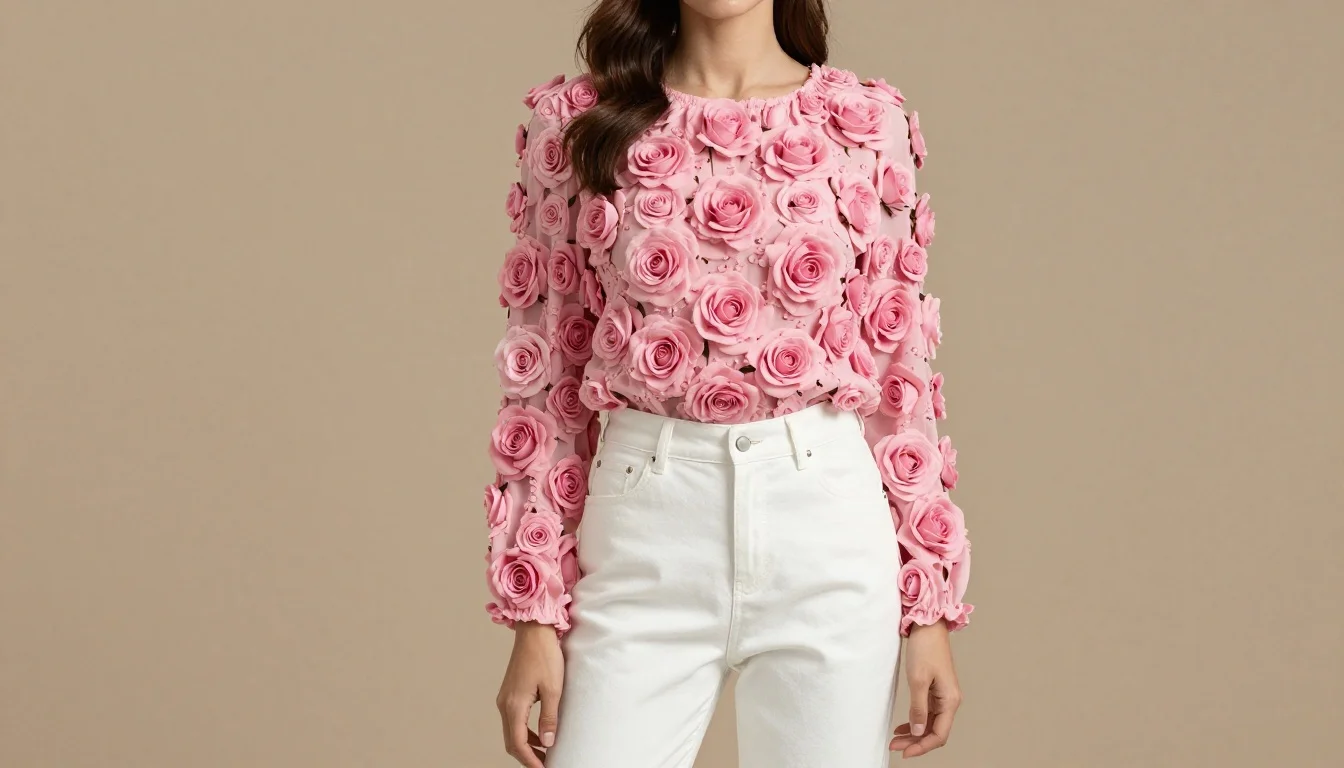
Versions of Pink That Work Against You
Warm peachy-pink on cool skin
On skin with distinctly cool, pink, or rosy undertones, warm peachy or salmon pink creates a clash — the warm, orange-leaning pink fights against the cool quality of the skin and can make the complexion look ruddy or sallow simultaneously. The peachy warmth also disappears against any pinkness already in cool skin. Choose cool rose, berry, or fuchsia instead.
Very pale pink near fair skin without contrast
Extremely pale, low-saturation pink near fair skin creates an undifferentiated pale effect — face, neck, and garment all read as uniformly light and the face loses definition. If you are fair-skinned and want pale pink, either add depth by choosing a slightly richer version, or wear pale pink as a bottom piece away from the face where the contrast concern disappears.
Cool fuchsia on warm golden skin
Very cool, blue-based fuchsia on warm golden or olive skin creates a temperature clash. The blue-pink fights against the yellow-warmth of the complexion, making skin look sallow and the color look harsh. Warm-toned people wanting a vivid pink should choose warm fuchsia (with a slight coral warmth) or hot pink rather than cool blue-pink.
Neon candy pink on most complexions
Neon candy pink — vivid, very pale, and aggressively bright — creates a bleaching effect near the face on most skin tones because it reflects so much light. It can also look juvenile rather than stylish. Move either toward saturated hot pink (which has depth) or toward soft blush (which has subtlety) rather than neon candy, which has neither sophistication nor the depth to create flattering contrast.
Stop guessing — preview every look on you
See these looks on my photoSwaps That Make Pink Work for Your Coloring
Trading versions of pink that drain your complexion for ones that flatter it.
Peachy-pink clashes with cool undertones. Rose and berry pink share the cool temperature of rosy skin and create harmony rather than conflict.
Cool fuchsia fights warm, golden undertones. Warm blush and coral-pink harmonize with the warmth of the complexion, adding glow rather than clash.
Very pale pink near fair skin creates no contrast and washes out the face. Warm blush and dusty rose have enough tone to differentiate from fair skin.
Pale blush has insufficient contrast against deep skin to make impact. Vivid hot pink and magenta have the saturation to create a striking, luminous effect.
Neon candy pink is juvenile and bleaching. Dusty rose and mauve are sophisticated and wearable in any context — they are the pink that earns its place in an adult wardrobe.
Pale washed-out pink in evening fabrics looks insipid. Deep rose and raspberry have the saturation and richness that makes pink genuinely beautiful in evening wear.
Which Seasonal Palettes Wear Pink Best?
Pink appears across all twelve seasonal palettes but in radically different versions. Your season determines which pink is yours.
Cool Summer
Learn moreCool Summers have a deep natural affinity for pink — specifically the cool, soft, muted versions: dusty rose, soft berry, cool blush, heathered mauve. Their soft, cool coloring resonates beautifully with pinks that share that quality. Cool Summers typically wear pink better than almost any other color, and their palette is rich with pink options.
Warm Spring
Learn moreWarm Springs wear the warm, clear, bright pinks — warm blush, salmon pink, peach-pink, vivid coral-pink. Their warm, clear coloring harmonizes with the peachy-pink family. Warm Spring is one of the few seasonal types that wears warm, clear fuchsia (with a coral warmth) beautifully.
Bright Winter
Learn moreBright Winters carry the most vivid, saturated pinks — vivid hot pink, electric fuchsia, bright magenta. Their high-contrast, clear coloring can handle the intensity that overwhelms other types. For Bright Winters, the saturated, vivid pinks are among their most flattering colors.
Find Your Pink
Pink is one of the most versatile colors in fashion — and one of the most flattering when the shade is right for your coloring. Whether it is the sophisticated muted rose of a cool Summer palette, the vivid warmth of a Spring-toned blush, or the striking high-saturation magenta of a Winter type, there is a pink that works for every complexion. A personalized color analysis identifies your specific pink family and gives you precise shades that make this endlessly adaptable color work for you.
Stop guessing — preview every color on you
Preview Yourself In Your Palette
Get my personalized paletteStop guessing — preview every color on you
Preview Yourself In Your Palette

Related Guides for How to Wear Pink
Explore more personalized color advice based on your features.
Want to see these colors on you? What Colors Look Good on Me — free to try.
Frequently Asked Questions About How to Wear Pink
What shade of pink suits cool skin tones?
Cool skin tones (pink, rosy, bluish undertones) suit cool-based pinks: deep rose, berry pink, raspberry, cool fuchsia, and dusty mauve. These share the cool temperature of the skin and create harmony. Warm pinks — peach, salmon, coral-pink — should be avoided on cool undertones as they clash with the skin's cool quality.
What shade of pink suits warm skin tones?
Warm skin tones (golden, peachy, olive undertones) suit warm pinks: peach-pink, warm blush, salmon, coral-pink, and warm apricot-pink. These have the warmth that harmonizes with golden undertones. Very cool fuchsia and rose should be avoided as they create a temperature clash with warm skin.
Can dark skin tones wear pink?
Yes — dark skin tones wear vivid, saturated pinks especially well. Hot pink, vivid magenta, deep rose, and fuchsia all create striking contrast against deep complexions. Pale, washed-out pinks don't provide enough contrast on deep skin; the saturated, vivid versions of pink are where dark complexions shine in this color family.
How do I wear pink without it looking too sweet?
Choose more sophisticated versions of pink: dusty rose, mauve, deep rose, or berry rather than baby pink or candy pink. Wear pink in structured garments (a blazer, a silk blouse) rather than soft, sweet-looking pieces. Pair pink with sharp neutrals (black, navy, grey) rather than other soft colors. The combination of a deep, muted pink in a structured garment with dark neutrals creates elegance rather than sweetness.
Is pink a good professional color?
Absolutely — dusty rose, deep rose, and mauve are sophisticated professional colors. A muted rose blazer, a dusty pink silk blouse, or a deep berry structured dress all read as authoritative and polished. Candy pink and neon pink are the versions to avoid in professional settings. The deeper, more complex versions of pink are among the most versatile professional colors.
What colors go with pink?
Navy and pink is one of the most classic and reliable combinations. White with pink creates clean contrast. Camel or tan with blush pink creates warm elegance. Grey with dusty pink creates a sophisticated tonal palette. Red with cool pink is bold and striking (similar-temperature pinks and reds work). Avoid orange with pink unless you are deliberately color-clashing.