Classic Style Colorsfor Warm Undertones
Classic style is built on timeless pieces — but warm undertones shift which classics actually flatter you. Discover which shades flatter you most — and which to skip.
Classic style is defined by its restraint — clean lines, quality fabrics, and a palette of timeless neutrals. But 'timeless' doesn't mean the same colors look equally good on everyone. If you have warm undertones (golden, peachy, or yellow-based skin), the classic palette you reach for matters enormously. The cool-leaning navy, pure white, and ash grey that anchor many classic wardrobes can wash out warm skin. Your version of classic is just as refined — but it leans toward warm-toned ivory, rich camel, deep burgundy, and the richer, earthier side of navy.


3,000+
happy clients
Why Warm Undertones Shape Your Classic Palette
Classic style is defined by its restraint — clean lines, quality fabrics, and a palette of timeless neutrals. But 'timeless' doesn't mean the same colors look equally good on everyone. If you have warm undertones (golden, peachy, or yellow-based skin), the classic palette you reach for matters enormously. The cool-leaning navy, pure white, and ash grey that anchor many classic wardrobes can wash out warm skin. Your version of classic is just as refined — but it leans toward warm-toned ivory, rich camel, deep burgundy, and the richer, earthier side of navy.
Warm undertones mean your skin has yellow, peach, or golden pigmentation underneath the surface. This undertone is constant regardless of how light or dark your complexion is — it's what makes gold jewelry look more natural than silver, and what makes warm-toned fabrics sit harmoniously against your face rather than fighting it.
Classic style already leans toward neutral, muted, and structured colors — which is actually excellent news for warm undertones. The risk isn't in the structure; it's in the specific shades. A classic wardrobe built on cool-toned whites, icy greys, and stark black can neutralize the warmth in your skin, leaving it looking flat. The same silhouettes in warm ivory, rich camel, and deep olive give you the classic polish with the glow your undertone naturally creates.
The principle to remember: within every classic color family, there's a warm version and a cool version. For warm undertones, choosing the warm-toned variant of each classic color — warm navy rather than icy navy, cream rather than stark white, warm charcoal rather than cool grey — keeps your entire look harmonious and flattering.
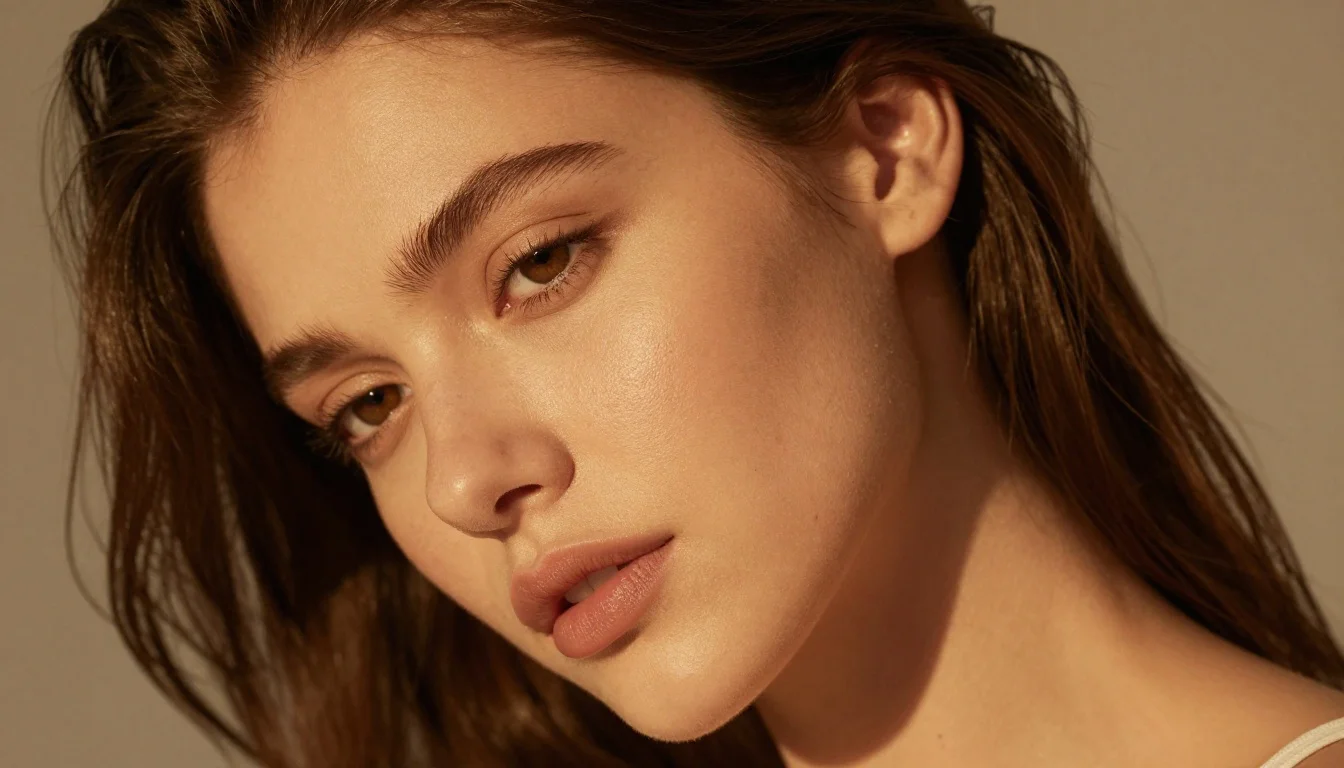
What classic colors suit warm undertones?
Warm undertones are best served by warm-toned versions of classic colors: ivory and cream rather than stark white, camel and cognac rather than cool grey, burgundy and wine rather than cool red, and warm navy rather than icy blue. These give you the timeless, refined quality of classic style while staying harmonious with your skin's golden or peachy base.
Your Classic Color Palette for Warm Undertones
Warm Ivory and Cream
Ivory and cream are the warm-undertone alternative to pure white. Where stark, blue-based white can make warm skin look sallow, ivory and cream are naturally harmonious — their yellow-white quality echoes the golden undertone in your skin and makes your complexion look luminous. In classic style, cream is actually more sophisticated than pure white anyway: a cream cashmere turtleneck or an ivory silk blouse reads as deliberately refined rather than utilitarian.
Camel, Tan, and Warm Brown
Camel is the quintessential classic neutral, and it's one of the most naturally flattering colors for warm undertones. The golden-brown quality of camel mirrors the warm pigmentation in your skin, creating a harmonious monochromatic effect that looks expensive and intentional. Rich cognac and chocolate brown give you depth and structure. These warm browns are the backbone of a warm-undertone classic wardrobe — in blazers, trousers, and outerwear they are consistently elegant.
Deep Burgundy and Wine
Burgundy is the most flattering red-family color for warm undertones in a classic context. Its warmth enhances golden skin rather than clashing with it, while its depth creates the polish that classic style demands. A deep burgundy blazer or a wine-colored silk blouse is a refined, classic piece that also actively flatters warm undertones. It works as a near-neutral in the way that red alone cannot, pairing effortlessly with camel, ivory, and warm brown.
Warm Navy and Deep Olive
Navy is the cornerstone of classic style, but for warm undertones, the version that works best is slightly warmer — a navy with subtle warmth rather than a cold, icy blue-navy. Deep olive and forest green are strong classic alternatives that are naturally warm-undertone friendly and give your classic wardrobe some personality beyond the standard palette. Both colors create beautiful contrast with warm skin without the temperature clash that cool colors can create.

Ready to see ivory & cream on your face?
Start my color analysisBuilding Your Classic Wardrobe with Warm Undertones
The warm-undertone classic uniform
Your version of the classic uniform: a warm ivory or cream blouse paired with well-tailored camel or warm brown trousers. Add a burgundy or warm navy blazer. This combination is as timeless as anything in classic style, but it's built entirely from warm-toned versions of the classic palette — which means everything sits harmoniously against your skin. Cognac leather accessories (belt, bag, shoes) complete the look with warmth.
Professional settings
For work, build your suiting around warm charcoal, camel, and deep burgundy rather than cool grey or black. A warm charcoal suit with an ivory shirt is a sophisticated and flattering professional formula for warm undertones. Camel-colored suiting is increasingly accepted in professional settings and is particularly striking on warm skin. Deep olive trousers with a cream silk blouse and cognac loafers is a quiet-authority look that flatters warm undertones consistently.
Monochromatic warm dressing
One of the most powerful moves in classic style for warm undertones is head-to-toe warm neutrals: cream top, camel trousers, cognac shoes. The tonal similarity across warm shades creates elegance without the starkness of high contrast, and it capitalizes on the natural golden quality of your skin. This looks effortlessly sophisticated and photographs beautifully — the warm palette has a luminous quality in images.
Evening and occasions
For formal occasions, a deep burgundy or warm wine silk dress is the warm-undertone alternative to the classic black dress. It has the same formality and structure while actively enhancing your coloring. Alternatively, a cream or warm ivory silk dress with warm gold jewelry is an elegant, flattering evening choice. Avoid stark black close to the face in formal settings — if wearing black, pair it with warm gold accessories and an ivory or warm-toned lip.
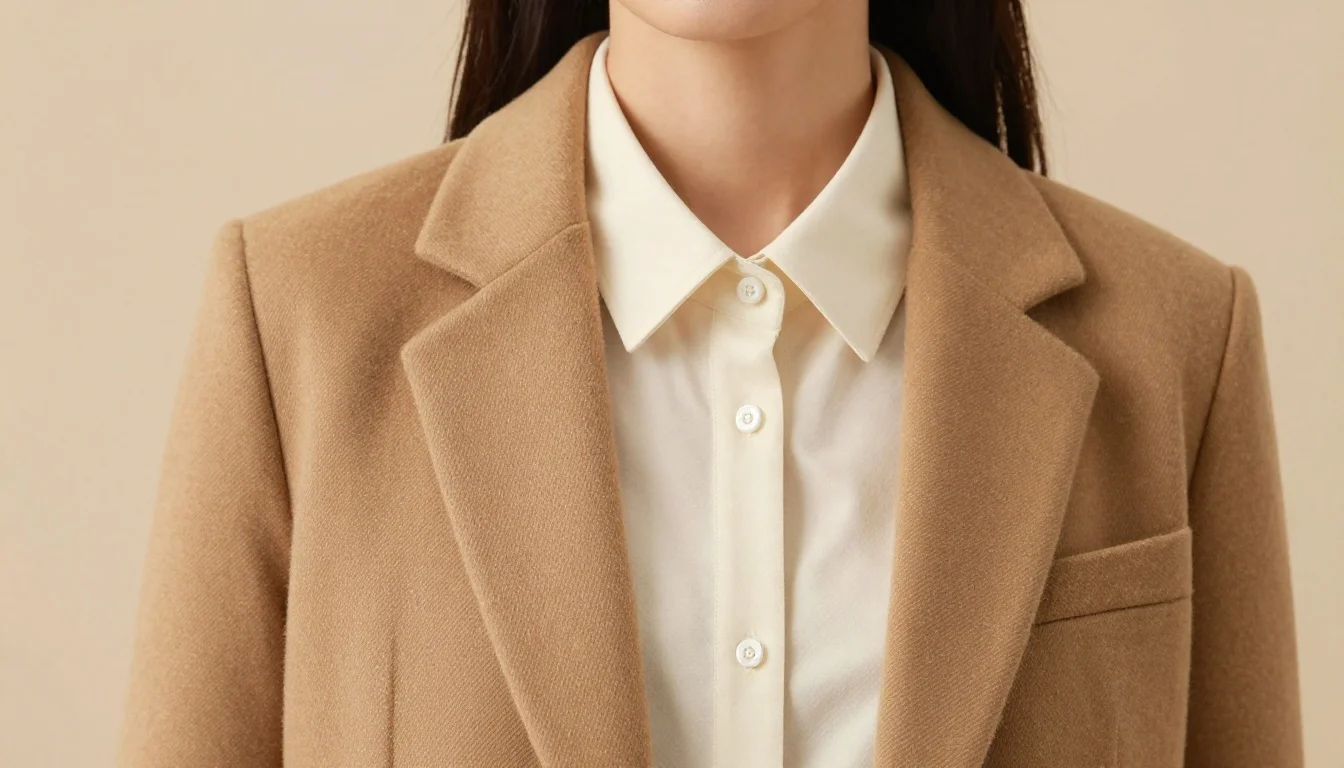
Classic Colors That Work Against Warm Undertones
Stark, bright white
Pure optical white with blue or cool undertones is the classic color that consistently flatters cool undertones and works against warm ones. Against golden or peachy skin, it creates a stark contrast that emphasizes sallowness rather than warmth. This doesn't mean avoiding white entirely — warm ivory and cream deliver the same classic crispness without the undertone conflict.
Cool ash grey
Classic grey suiting and knitwear often comes in ash or blue-grey tones that are innately cool. These cool greys can drain the warmth from warm-toned skin, leaving your complexion looking dull under the grey fabric. Warm charcoal, warm greige, and true taupe achieve the same classic neutrality while staying harmonious with warm undertones.
Icy or lavender-toned blue
Light, cool blues — sky blue, lavender blue, periwinkle — are popular in classic style but work best on cool undertones. Against warm skin, these cool tones create a temperature clash that makes the skin look less clear. Warm navy at depth, or a warm-toned medium blue like a denim blue, avoids the conflict.
Cool-based black
Jet black with blue-black undertones can create an overly stark contrast against warm-toned skin, particularly in garments close to the face. If you wear black in a classic context, it works better away from the face — in trousers or skirts — where the warm-toned top creates the transition. Warm dark brown and deep chocolate are excellent alternatives at the neckline.
Stop guessing — preview every look on you
See these looks on my photoClassic Wardrobe Swaps for Warm Undertones
Trading the cool-toned classics for warm-toned alternatives that deliver the same polish.
Ivory delivers the same crisp, classic refinement as white without the cool temperature that can flatten warm-toned skin.
Warm charcoal has the professional weight of grey suiting without the cool tone that drains warmth from golden skin.
Warm taupe and oatmeal sit naturally against warm-undertone skin, while cool dove grey can leave complexion looking flat.
Burgundy delivers classic structure and personality while harmonizing with warm undertones rather than competing with them.
Camel and cognac coats are quintessentially classic and uniquely flattering on warm undertones — they enhance rather than stark-contrast against golden skin.
Gold and rose gold harmonize with warm undertones; silver can create a cool-temperature conflict that visually disrupts otherwise warm, elegant outfits.
Which Color Season Are You?
Warm undertones in a classic aesthetic most often correspond to Autumn and Spring seasonal types, where the palette is built on warm, earthy, or golden tones. Your specific season determines whether your classic palette leans deeper and richer or lighter and brighter.
Warm Autumn
Learn moreIf your warm undertones are deep and golden-amber, your complexion is medium-to-dark or richly olive, and your overall look has an earthy, grounded quality, Warm Autumn is likely your season. The Warm Autumn palette is full of the richest warm classics: deep camel, cognac, warm chocolate, forest green, burnt orange, and deep burgundy. These are quintessentially classic colors that are also your most flattering shades.
Warm Spring
Learn moreIf your warm undertones are bright and golden-peach rather than deep, your complexion is light-to-medium with a fresh, golden quality, and your coloring feels vibrant rather than deep, Warm Spring may be your season. The Spring palette includes the lighter, warmer classics: warm ivory, light camel, golden tan, and clear warm navy. Your classic palette is the lighter side of warm.
Deep Autumn
Learn moreIf your warm undertones are combined with high contrast — dark hair and eyes against your warm-toned complexion — Deep Autumn may be your season. Deep Autumn combines the warmth of Autumn with the depth of Winter, meaning you can handle the deepest, richest versions of the warm classics: dark chocolate, deep forest green, rich wine, and the darkest camel.
Find Your Exact Classic Palette
Classic style with warm undertones is a deeply elegant combination when the colors are right — but the specific warm classics that work for you depend on whether your warmth runs golden, peachy, or amber, and how much contrast your hair and eyes add to the picture. A personal color analysis identifies exactly which warm-toned classics — the precise ivory, the right depth of camel, the exact navy — give your complexion the most luminous, polished result.
Stop guessing — preview every color on you
Preview Yourself In Your Palette
Get my personalized paletteStop guessing — preview every color on you
Preview Yourself In Your Palette

Related Guides for Classic Style Colors for Warm Undertones
Explore more personalized color advice based on your features.
Want to see these colors on you? Skin Undertone Test — free to try.
Frequently Asked Questions About Classic Style Colors for Warm Undertones
What classic colors suit warm undertones?
Warm undertones are best served by warm-toned versions of classic colors: ivory and cream rather than stark white, camel and cognac rather than cool grey, burgundy and wine rather than cool red, and warm navy rather than icy blue. These give you the timeless, refined quality of classic style while staying harmonious with your skin's golden or peachy base.
Can warm undertones wear black in a classic wardrobe?
Yes, but it works best away from the face. Black trousers, skirts, or shoes create a classic foundation without the stark-contrast issue near warm-toned skin. At the neckline, warm alternatives — deep burgundy, chocolate brown, or rich navy — are more flattering. If you love a full black look, warm gold accessories and warm-toned makeup help bridge the temperature gap.
Is camel a good color for warm undertones?
Camel is one of the most flattering classic colors for warm undertones. Its golden-brown quality mirrors the warm pigmentation in the skin, creating a harmonious, luminous effect. It's particularly effective in blazers, coats, and trousers — it reads as effortlessly classic while actively complimenting warm skin.
What is the best white for warm undertones in classic style?
Ivory, cream, ecru, and antique white are all better than pure bright white for warm undertones. They share the crispness of white — essential for classic style — but their slight yellow or warm quality resonates with golden skin rather than creating a cool-tone clash. Look for labels like 'ivory,' 'cream,' or 'off-white' when shopping.
What jewelry metal suits warm undertones in a classic aesthetic?
Gold and warm rose gold are the natural choices for warm undertones in a classic setting. Gold harmonizes with the yellow-golden quality of warm-undertone skin and has the timeless quality that classic style requires. Silver can create a visual temperature conflict with warm skin — it's not unwearable, but gold will always look more naturally flattering.