The Deep Autumn Capsule Wardrobe:Rich, Warm, and Intentional
As a Deep Autumn, you have one of the richest, most luxurious palettes available in seasonal color analysis. Your coloring — warm-toned, deep, and intense — can carry colors that would overwhelm other seasons. The secret to a brilliant Deep Autumn capsule is building around three anchors: a rich neutral base (chocolate brown or cognac), a statement earth tone (forest green or deep teal), and an accent (burgundy or warm rust). Everything else in your wardrobe flows from there.
Preview Yourself In Your PaletteWhy Deep Autumns Need a Deliberate Capsule Strategy
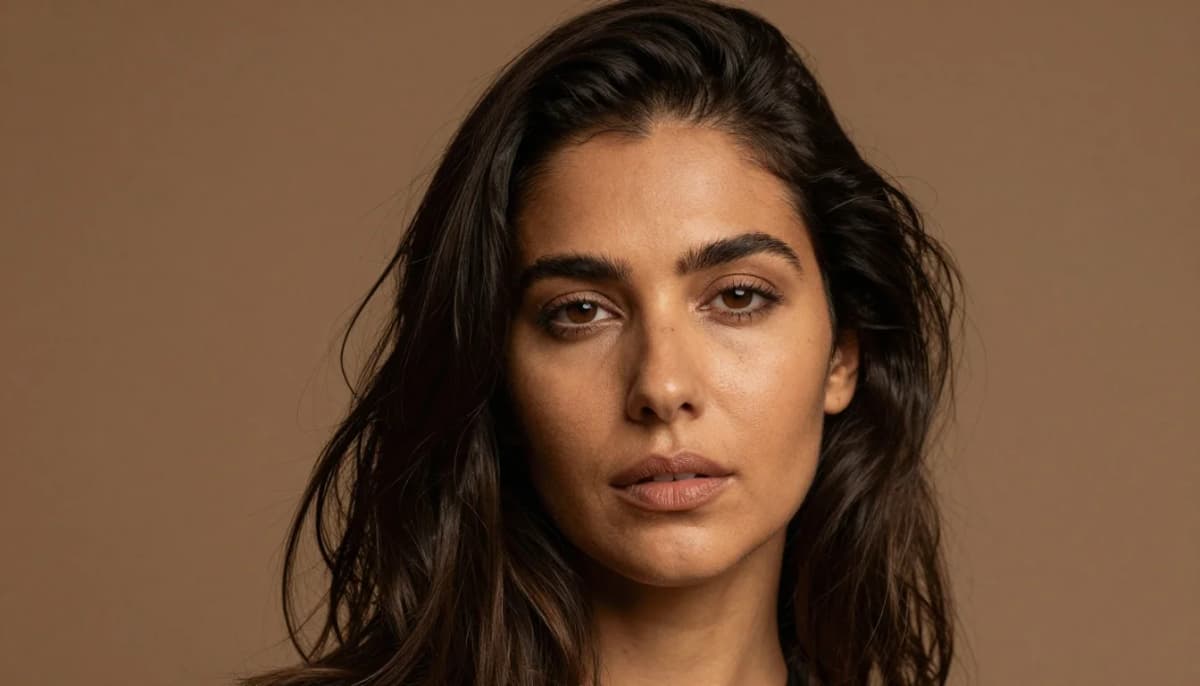
Deep Autumn is an intense, warm-dark season. Your natural coloring has depth and warmth that demands colors with similar richness. When you wear washed-out pastels or cool-toned neutrals, your complexion can look dull and your features fade. But when you dress in your palette — forest green, cognac, chocolate, burgundy — your skin glows and your eyes sharpen.
The challenge for Deep Autumns is that many "neutral" options in mainstream fashion — navy, grey, taupe — are either too cool or too muted for your coloring. Your true neutrals are warm and rich: chocolate brown, warm camel, cognac, and deep olive. Building a capsule around these creates a wardrobe where everything works together effortlessly.
A well-built Deep Autumn capsule also solves the "nothing to wear" problem permanently. Because your palette is cohesive and warm-toned, nearly every piece pairs with every other piece. Ten items in your palette can create thirty or more combinations that all look intentional and polished.
Your Core Deep Autumn Capsule Colors for Rich, Warm, and Intentional
Rich Neutrals (Your Wardrobe Base)
These warm, deep neutrals are the backbone of every Deep Autumn capsule. Chocolate brown replaces black and navy as your go-to dark anchor. Cognac and camel act as your light neutrals. Everything in your wardrobe should be able to pair with at least two of these four colors.
Statement Earths (Your Color Story)
These are the colors that make a Deep Autumn look unmistakably themselves. Forest green is your most powerful statement color — rich, warm, and endlessly versatile. Olive green and burnt sienna add texture and variety to your palette without straying from your warm-earth signature.
Deep Accents (Your Drama Pieces)
These richer, more saturated tones are perfect for statement pieces — a blazer, a dress, a coat. Burgundy is the quintessential Deep Autumn accent. Warm rust and terracotta add an earthy vibrancy. Use these for one piece per outfit so they have room to read.
Soft Transition Tones (Your Bridge Colors)
While Deep Autumns are primarily a dark-palette season, lighter warm tones give you versatility for warmer months and daytime looks. Warm cream and ivory — never stark white — are your light neutrals. These bridge pieces keep your capsule from feeling exclusively dark.
Ready to preview yourself in your palette?
Start free — find my colorsHow to Build Your Deep Autumn Capsule in Practice
The Foundation Pieces
Start with two chocolate brown bottoms (trousers and a skirt or second pair of trousers), one cognac or camel knitwear piece, and one forest green top. These four pieces immediately give you eight combinations — and every one of them will look like you tried.
The Statement Layer
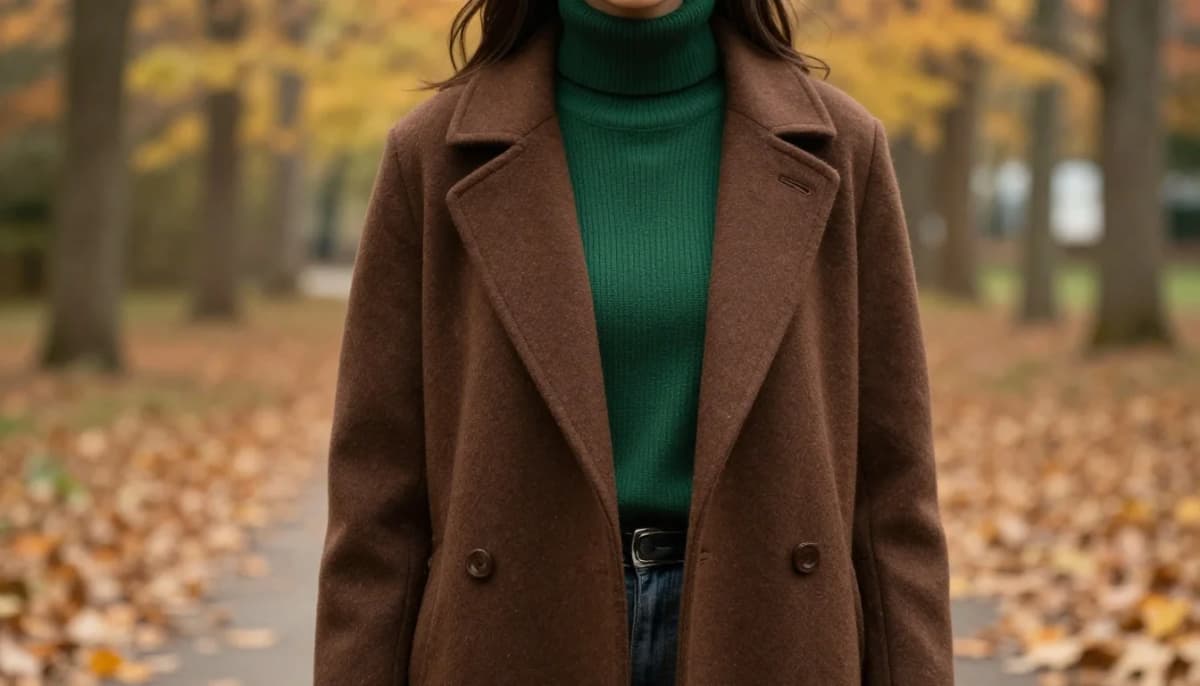
Every Deep Autumn capsule needs one powerful outerwear piece in a statement color: a burgundy coat, a forest green blazer, or a warm rust jacket. This layer transforms even the simplest outfit underneath and instantly signals your palette confidence.
The Color Formula
Follow the 3-2-1 formula per outfit: three neutrals (chocolate, cognac, camel), two earth tones (forest green, olive), one accent (burgundy, rust). Keep most outfits to two or three of your palette colors — Deep Autumn colors are already rich and doing a lot of work.
Fabric Choices
Deep Autumn colors look best in fabrics with texture and weight: velvet, suede, brushed cotton, wool, linen. Lightweight fabrics in your colors also work, but avoid anything too sheer or synthetic-looking — your palette calls for substance and richness in the fabric itself.
Colors That Work Against the Deep Autumn Capsule
Cool Navy and True Blue
Navy reads cool and slightly corporate on Deep Autumns — it fights with your warm undertones and can make your complexion look grey. Swap for deep teal, which gives you the same professionalism with warmth.
Cool Grey and Charcoal
Grey is too cool and muted for Deep Autumn coloring. It drains the warmth from your complexion. Chocolate brown fills the same "dark neutral" role in your palette without any of the cooling effect.
Pastel and Light Cool Tones
Pastels — baby blue, lavender, mint — have neither the warmth nor the depth your coloring needs. They create an imbalance where your features overwhelm the color rather than harmonizing with it.
Stark White and Bright Ivory
Pure white creates too much contrast and is too cool for Deep Autumn coloring. Opt for warm cream or ivory instead, which gives you a light option without fighting your warm undertones.
Stop guessing — preview every color on you
Preview Yourself In Your PaletteCapsule Color Swaps for Deep Autumns
Replace the standard capsule colors with your actual Deep Autumn anchors
Warm dark browns are your true neutral — they function exactly like black but harmonize with your warm undertones instead of fighting them
Warm cream gives you a light neutral without the cool contrast that stark white creates against Deep Autumn coloring
Your mid-layer is where your palette really lives — forest green is one of the most versatile and flattering tones in the Deep Autumn wardrobe
A deeper, richer warm tone in your outerwear looks more intentional and dramatic on Deep Autumn coloring than standard camel
These deep, warm-toned reds are native to the Deep Autumn palette — they give you the richness of red without the brightness that clashes with your coloring
Warm tan and cognac footwear anchors your entire Deep Autumn outfit to the ground — it completes the look in a way cool-toned shoes simply cannot
Your Deep Autumn Palette
Deep Autumn sits at the intersection of warmth and depth in the seasonal color system. These are the three autumn seasons, and understanding where you sit among them helps refine your capsule even further.
Deep Autumn
Learn moreThe richest, darkest autumn season. Your palette can carry the most saturated and deeply pigmented tones: forest green, chocolate brown, burgundy, and deep teal at full intensity. You are one of the few seasons that truly needs depth and richness in every piece.
Soft Autumn
Learn moreA muted, warm season with lower contrast than Deep Autumn. If you find your colors feel too intense or your look too heavy, you may lean Soft Autumn — your palette would shift toward more muted olives, dusty rose-browns, and lighter cognacs.
Warm Autumn
Learn moreThe warmest of the autumn seasons, with a sunlit quality. If you are more golden and warm than dark and intense, Warm Autumn may be your sub-season — with more emphasis on golden amber, warm terracotta, and sunlit olive rather than the deep forest and burgundy tones of Deep Autumn.
Find Your Exact Colors
Deep Autumn is a broad season — some Deep Autumns lean darker and more saturated, others lean warmer and more earthy. A personal color analysis pinpoints exactly where you sit within the Deep Autumn spectrum, which specific tones of forest green, cognac, and burgundy work best for your individual coloring, and which adjacent tones to explore. Stop building your wardrobe by guesswork and start building it by design.
Start free — find my colorsFrequently Asked Questions About Rich, Warm, and Intentional
What are the best capsule wardrobe colors for Deep Autumn?
The best Deep Autumn capsule centers on chocolate brown and cognac as your warm neutrals, forest green and olive as your statement earth tones, and burgundy or warm rust as your accent colors. These six tones create a completely cohesive wardrobe where every piece pairs with every other piece.
Can Deep Autumns wear black in a capsule wardrobe?
Black is not a native Deep Autumn color — it reads too cool against warm, deep undertones and can flatten the complexion. Chocolate brown is your true dark neutral and does everything black does while harmonizing with your warm coloring. If you must wear black, keep it away from your face and balance with warm accessories.
How many pieces does a Deep Autumn capsule wardrobe need?
A functional Deep Autumn capsule can start with as few as 10-12 pieces: two chocolate brown bottoms, one cognac knit, one forest green top, one cream or ivory blouse, one burgundy statement piece (blazer or dress), one warm rust or olive mid-layer, and two to three warm-toned accessories. From there you can expand by adding texture and variety within your palette.
What neutral colors should Deep Autumns build around?
Deep Autumn neutrals are warm and rich — not the cool greys and navy blues that dominate most capsule wardrobe advice. Your core neutrals are chocolate brown (your dark neutral), cognac and camel (your mid-range neutrals), and warm cream or ivory (your light neutral). Build your capsule around these four and add your earth-tone statement colors on top.
Is forest green or burgundy better as the Deep Autumn statement color?
Both are essential Deep Autumn statement colors, but they serve different purposes. Forest green is more versatile and works for nearly any occasion — it pairs with every neutral in your palette. Burgundy is slightly more formal and dramatic, perfect for evenings and statement outerwear. Ideally, a Deep Autumn capsule includes at least one piece in each.
Can Deep Autumns wear camel?
Yes — rich camel and warm tan are excellent Deep Autumn neutrals, especially in deeper, warmer versions of the tone. Avoid camel that reads too pale or cool (those lean more Soft or Light Autumn). The deeper, warmer camel tones work beautifully as a light neutral in a Deep Autumn capsule, especially in coats, trousers, and knitwear.