Build a Business Wardrobefor Cool Winter
Cool Winter coloring thrives in sharp, high-contrast professional settings. Discover how to build looks with shades that actually flatter you.
Cool Winter is the most naturally powerful coloring in a professional context. The high contrast between cool, deep features and pale or medium skin creates an inherent visual authority — before you have said a word, your coloring communicates confidence and presence. The challenge is not whether Cool Winter can look commanding at work; it is choosing colors that match the clarity and intensity of your natural palette rather than softening or undermining it. This guide gives you the exact shades, combinations, and strategies that translate Cool Winter coloring into genuine professional impact.


3,000+
happy clients
Why Cool Winter Coloring Has Natural Professional Presence
Cool Winter is the most naturally powerful coloring in a professional context. The high contrast between cool, deep features and pale or medium skin creates an inherent visual authority — before you have said a word, your coloring communicates confidence and presence. The challenge is not whether Cool Winter can look commanding at work; it is choosing colors that match the clarity and intensity of your natural palette rather than softening or undermining it. This guide gives you the exact shades, combinations, and strategies that translate Cool Winter coloring into genuine professional impact.
Cool Winter coloring is defined by three qualities: cool undertones, high contrast between features, and clear rather than muted pigmentation. In a professional environment, this translates directly into visual authority. High-contrast coloring naturally draws the eye and communicates energy and decisiveness. When your outfit matches that intensity — clear, cool, deeply pigmented colors — the effect is cohesive and commanding.
The risk for Cool Winters in professional settings is the opposite of most other types: rather than needing to add energy, Cool Winters need to maintain it. Warm, muted, or medium-value colors dissipate the natural contrast of Cool Winter coloring, making someone who should look striking instead look average. A taupe blazer, a warm beige blouse, a dusty mauve shirt — all of these reduce the precision that makes Cool Winter coloring so effective in the workplace.
The professional palette for Cool Winter centers on three categories: pure neutrals (true black, pure white, charcoal, navy), cool jewel tones (icy blue, clear emerald, vivid cobalt), and sharp accents (cool red, vivid plum, clear magenta). Within these categories, Cool Winters have more professional color range than almost any other type — the restriction is not breadth but temperature and clarity.

What is the best suit color for Cool Winter?
True black and charcoal grey are the strongest suit colors for Cool Winter. Both create the high-contrast, cool-toned look that matches Cool Winter coloring and reads as authoritative in professional settings. Midnight navy is also excellent. Avoid warm brown or camel suiting — the warm undertone conflicts with Cool Winter skin.
Your Best Professional Colors
Power Neutrals
These are the Cool Winter professional core. True black and pure white are uniquely effective on Cool Winter coloring because the high contrast of the pairing mirrors the natural contrast of Cool Winter features — the combination looks intentional rather than stark. Charcoal is more versatile than black for suiting. Navy reads as authoritative while being less severe than black for daily wear. All four neutrals should anchor your wardrobe.
Cool Jewel Tones
Cool jewel tones are where Cool Winter moves beyond standard professional neutrals into genuine color authority. Royal blue in a silk blouse under a black blazer photographs sharply and reads confidently. Clear emerald is striking in any client-facing context. Cobalt in a structured dress communicates both creativity and precision. These colors work because their saturation matches the intensity of Cool Winter coloring — they do not dilute it.
Icy Pale Tones
Cool Winter icy pales are very different from the dusty pastels that harm this coloring. Ice blue, icy lavender, and silver grey have a cool, crystalline quality — they are pale but sharp rather than faded. A silver-grey silk blouse with a black suit creates precision without the formality of stark white. Icy lavender in a structured top signals sophistication and works particularly well in creative industries.
Sharp Cool Accents
Cool Winter can use vivid accent colors in professional settings that would be too strong for most other types. Cool crimson — a blue-based red, not orange-red — is a classic power color that works especially well on Cool Winter. Deep plum as a blazer is distinct and memorable in meetings. Clear hot pink or fuchsia in accessories signals confidence. Use one vivid accent at a time as the focal point of an otherwise sharp neutral outfit.

Ready to see black & white on your face?
Start my color analysisHow to Dress for Business as a Cool Winter
The classic power suit
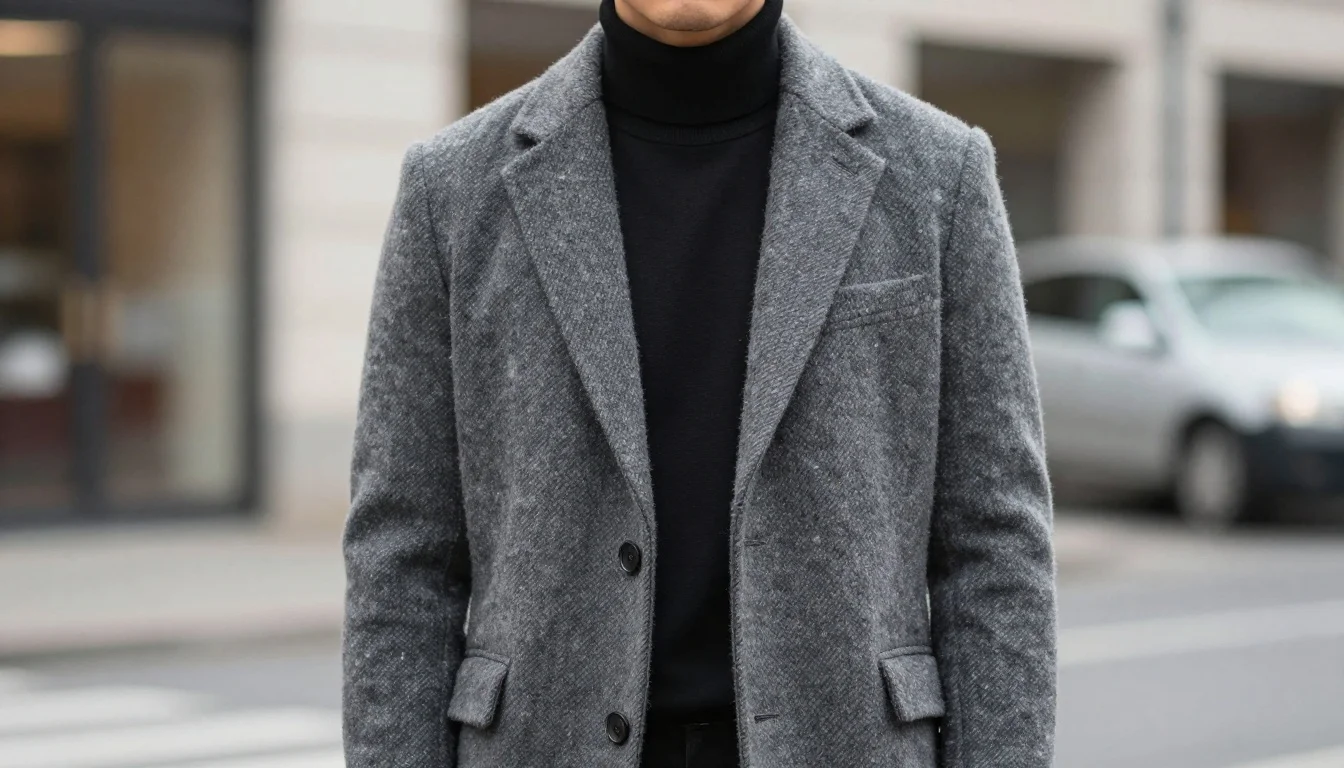
A true black or charcoal suit with a pure white or icy blue shirt is the Cool Winter professional uniform at its most effective. The contrast is exact, the message is unambiguous, and the coloring enhancement is maximum. Add black leather accessories and a single cool jewel tone accent — a sapphire pocket square, a cool red bag — and the outfit is complete. This formula works for any professional context from law to finance to senior management.
Building a full wardrobe
Start with five anchor pieces in your power neutrals: one black blazer, one charcoal blazer, one navy blazer, two white shirts, two black trousers or skirts. These mix with everything. Then add three to four jewel tone tops — cobalt, emerald, magenta — that wear under any of the three blazers. Finally, add two icy pale tones for lighter-look days. This system of 12-15 pieces creates 30+ outfit combinations.
Fabric choices
Cool Winter coloring looks best in structured, clean-finished fabrics. Crisp cotton poplin, fine wool suiting, silk charmeuse, and matte jersey all maintain the precision of the palette. Avoid nubby, warm-textured fabrics like camel wool or raw linen — their texture introduces warmth that conflicts with the Cool Winter palette. In winter, a smooth cashmere in charcoal or navy is excellent.
Accessories strategy
Silver is your metal — white gold, platinum, and silver rather than gold or rose gold. Cool Winter can wear silver in larger-scale pieces without looking overdone because the cool metal reinforces rather than fights the natural palette. Leather in black, deep navy, or cool plum for bags and shoes. Avoid warm brown leather, which introduces undertone conflict the moment you enter a room.
Colors That Undermine Cool Winter Professional Impact
Warm brown and camel
Brown and camel are Cool Winter enemies in any context, but particularly professionally. The yellow-orange undertone of warm browns fights the cool undertone of Cool Winter skin, creating an unflattering conflict. In a professional setting, where people remember faces, this distraction works against you. Cool dark chocolate brown only works if it reads nearly black.
Dusty or muted mid-tones
Dusty mauve, muted teal, grey-blue, warm taupe — any color that has been "taken down" in saturation — reduces the sharp clarity that makes Cool Winter coloring professional. These colors create a vague, underpowered look on Cool Winter, where someone with vivid coloring appears strangely faded.
Warm off-white and cream
Cream and warm ivory are the white-adjacent colors to avoid. They carry enough yellow undertone to conflict with Cool Winter skin and underperform against the high contrast of Cool Winter features. Pure cool white or very pale grey are both better choices near the face.
Orange-based reds and coral
Cool Winter can wear red powerfully — but only cool red. Orange-based reds, tomato, coral, and warm salmon all clash with Cool Winter undertones and look costumey rather than authoritative. If you want to wear red professionally, ensure it is a true cool crimson or blue-red.
Stop guessing — preview every look on you
See these looks on my photoProfessional Color Swaps for Cool Winter
Replacing the colors that cost you presence with the ones that build it.
Camel introduces warm undertones that fight Cool Winter skin. Black and charcoal create the high contrast that matches your natural coloring and reads as authoritative.
Cream yellows near Cool Winter skin. Pure white creates crisp, flattering contrast. Icy blue adds sophistication while maintaining the cool precision of your palette.
Orange-based colors fight Cool Winter undertones and look wrong on you. Cool crimson and cobalt deliver visual authority that matches your natural intensity.
Warm grey introduces yellow undertones that fight your natural cool. Charcoal and navy maintain the cool, clean precision of your professional palette.
Warm brown accessories create a warm-cool conflict that looks disconnected. Black leather anchors the palette with the same cool depth as your best clothing colors.
Muted tones dissipate the clarity that gives Cool Winter its professional presence. Clear fuchsia and deep plum match the intensity of your coloring and make a memorable impression.
Is Cool Winter Your Season?
Cool Winter is defined by high contrast between cool, clear features and pale or deep skin. It is one of the four Winter sub-seasons in the 12-season system.
Cool Winter
Learn moreYou have very cool, clear coloring with high contrast — dark or very cool hair, pale or deep cool skin, and vivid or cool eyes. True black and pure white are the most flattering neutrals. Jewel tones look sharp on you and muted colors look flat.
Deep Winter
Learn moreIf your coloring has depth and richness in addition to cool tones — very dark hair, deeper skin, and strong features — Deep Winter may be closer. Deep Winter also thrives in dark, cool colors but can handle slightly warmer shades than Cool Winter.
Bright Winter
Learn moreIf your coloring is very high-contrast with a clear, vivid quality — bright eyes that stand out dramatically against dark hair or fair skin — Bright Winter may fit. Bright Winter shares the clarity and contrast of Cool Winter but can wear higher-saturation colors even more easily.
Get Your Professional Color Palette
Cool Winter coloring gives you one of the strongest natural advantages in any professional environment — high contrast, cool clarity, and inherent presence. The key is building a wardrobe that matches your natural intensity rather than softening it. A professional color analysis identifies your exact Cool Winter palette and gives you the specific shades, from your perfect navy to your ideal accent red, that maximize your impact at work.
Stop guessing — preview every color on you
Preview Yourself In Your Palette
Get my personalized paletteStop guessing — preview every color on you
Preview Yourself In Your Palette

Related Guides for Business Wardrobe for Cool Winter
Explore more personalized color advice based on your features.
Want to see these colors on you? What Colors Look Good on Me — free to try.
Frequently Asked Questions About Business Wardrobe for Cool Winter
What is the best suit color for Cool Winter?
True black and charcoal grey are the strongest suit colors for Cool Winter. Both create the high-contrast, cool-toned look that matches Cool Winter coloring and reads as authoritative in professional settings. Midnight navy is also excellent. Avoid warm brown or camel suiting — the warm undertone conflicts with Cool Winter skin.
Can Cool Winter wear color to work, or only neutrals?
Cool Winter can wear color confidently in professional settings — more so than most other types. Clear jewel tones like royal blue, cobalt, vivid emerald, and deep plum all work well in structured tops, dresses, or statement blazers. The rule is cool temperature and clear saturation — no warm or muted versions of these colors.
What color shirt works best under a black blazer for Cool Winter?
Pure white is the classic answer and works every time. Icy blue, icy lavender, or silver grey are excellent alternatives that add sophistication. Cool crimson or cobalt add visual power for client-facing days. Avoid cream, warm ivory, or any warm-toned shirt — the yellow undertone will fight your complexion.
Should Cool Winter wear silver or gold jewelry at work?
Silver is the definitive choice for Cool Winter — white gold, platinum, and silver all reinforce the cool undertone of your natural coloring. Gold introduces warm tones that conflict with Cool Winter skin. For professional settings, clean silver or white gold in classic shapes is the most polished option.
What colors make Cool Winter look washed out at work?
Warm off-whites, beige, camel, warm taupe, dusty pastels, and muted mid-tones all reduce the contrast that makes Cool Winter coloring look powerful. In professional environments where first impressions matter, these colors make Cool Winters look underpowered relative to their natural presence.
How many colors does Cool Winter need in a professional wardrobe?
A well-functioning Cool Winter professional wardrobe can be built on three power neutrals (black, charcoal, navy), two clean whites or icy pales, and three to four jewel tone accents. This core of eight to ten colors creates numerous professional outfits and ensures every combination in the wardrobe works together without planning.