Best Wool Colorsfor Olive Skin
Olive skin has unique color needs in knitwear. Discover which shades flatter you most — and which to skip.
Olive skin — with its characteristic yellow-green undertone and warm-neutral quality — is particularly responsive to color choices in knitwear. Wool's matte, light-absorbing texture makes colors look deeper and richer than in other fabrics, which creates a powerful effect for olive skin: the right wool shades look deeply opulent against olive complexions, while the wrong ones can amplify the sallow or greenish quality that unflattering colors bring out.


3,000+
happy clients
Why Wool Color Matters for Olive Skin
Olive skin — with its characteristic yellow-green undertone and warm-neutral quality — is particularly responsive to color choices in knitwear. Wool's matte, light-absorbing texture makes colors look deeper and richer than in other fabrics, which creates a powerful effect for olive skin: the right wool shades look deeply opulent against olive complexions, while the wrong ones can amplify the sallow or greenish quality that unflattering colors bring out.
Olive skin has a distinctive quality that sits between warm and cool — it has warmth (yellow-green) but it's not purely golden or peachy like stereotypically warm undertones. This means the color advice for purely warm skin doesn't fully apply, and the advice for cool skin definitely doesn't apply. Olive skin has its own color logic.
Wool's matte texture exaggerates color effects compared to lighter fabrics. Colors that would be merely unflattering in a thin cotton become quite noticeably wrong in a thick wool knit. For olive skin, this means getting the color right in knitwear is particularly high-stakes — the right shade looks deeply beautiful against olive's natural richness, while the wrong one can look quite harsh or sallow.
The best wool colors for olive skin tend to be those that honor its earthy warmth without emphasizing the yellow-green quality. Rich, deep, earthy tones — forest green, spiced burgundy, warm chocolate — work beautifully. What to avoid are cool pastels, chalky neutral mid-tones, and colors that are neither warm nor cool enough to do anything for olive skin's distinctive quality.
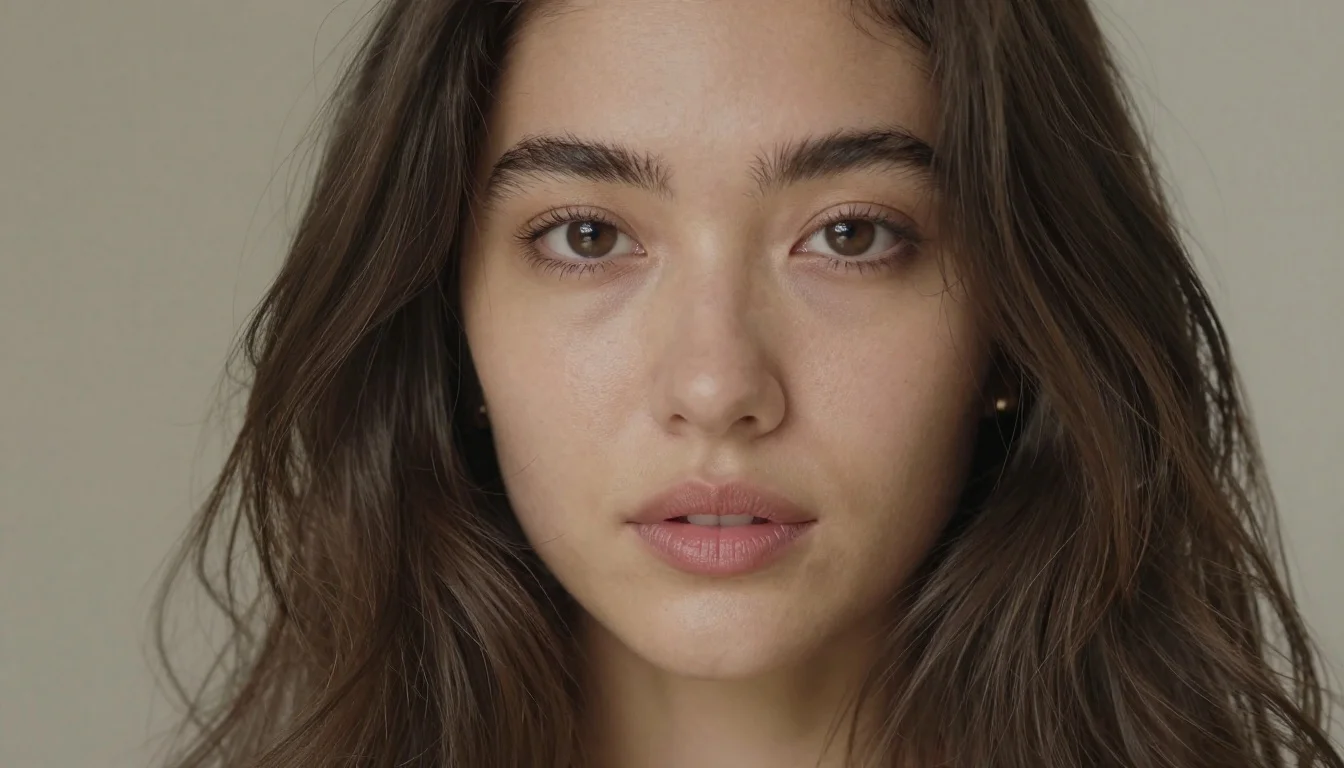
What wool colors look best on olive skin?
Deep forest green, warm burgundy, earthy brown and cognac, and rich mustard are the most flattering wool shades for olive skin. These tones harmonize with the yellow-warm quality of olive complexions and look deeply luxurious in wool's matte texture. Avoid cool grey, chalky pastels, and cool pink in knitwear.
Best Wool Colors for Olive Skin
Deep Forest and Olive Green
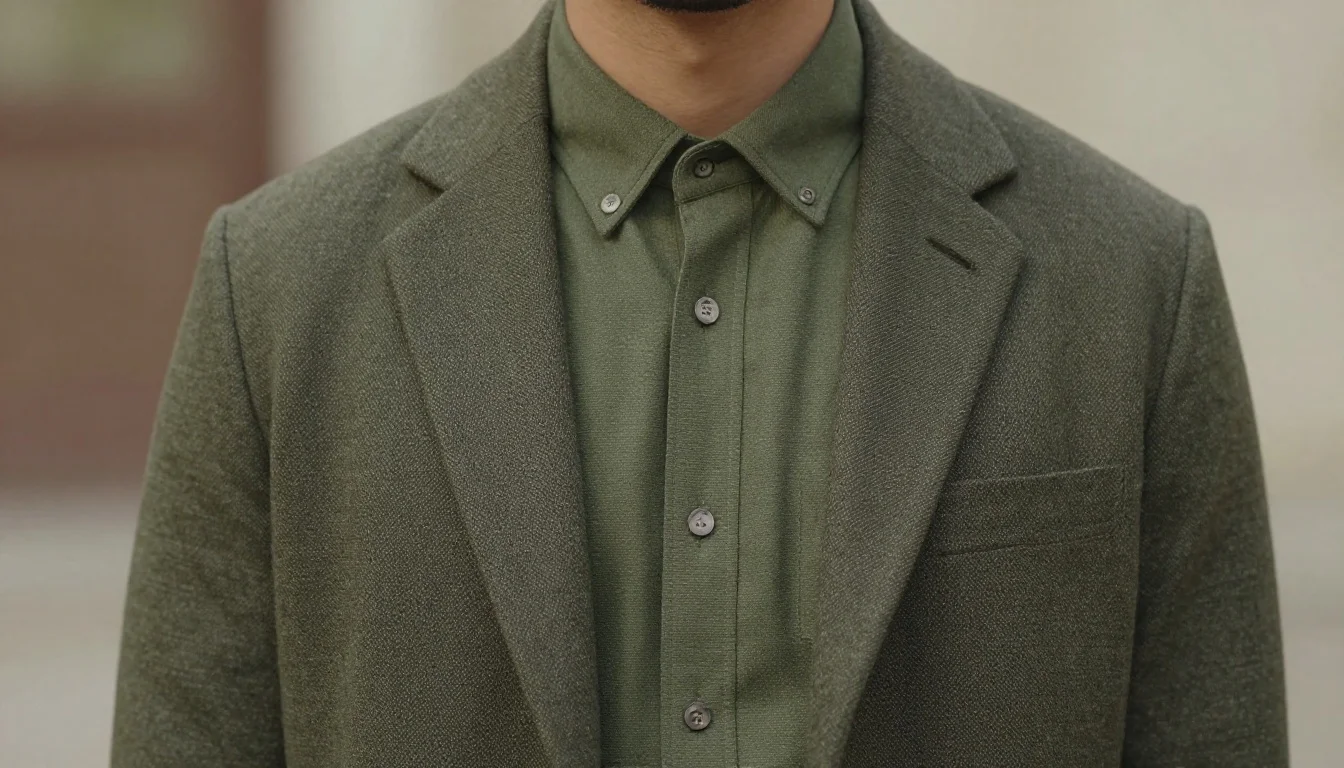
Green-family wools create a beautiful tonal harmony with olive skin — the shared green quality makes the relationship cohesive rather than contrasting. Deep forest green and hunter green in particular have enough depth to avoid looking sallow, while the warmth in the green echoes the warmth in olive complexions. This is perhaps the single most beautiful tonal match in knitwear for olive skin.
Warm Spice and Burgundy
Warm reds and burgundies are excellent for olive skin because they bring out the warmth in the complexion without emphasizing the yellow-green quality. Deep, earthy reds — burgundy, wine, warm brick — have the temperature and depth to make olive skin look rich and healthy. The matte quality of wool makes these tones look even deeper and more sophisticated.
Earthy Brown and Cognac
Brown-family wools sit in the warm-earthy spectrum that harmonizes with olive skin's yellow-brown quality. Rich chocolate and warm cognac create a cohesive warmth with olive complexions — both the fabric and the skin have warmth and depth, and they reinforce each other. These are highly versatile neutrals that read polished against olive skin.
Rich Mustard and Ochre
Mustard and golden yellow wools are one of the most distinctive choices for olive skin — the golden-warm quality echoes the yellow undertone in olive complexions in a flattering, harmonious way. These are tones that look excellent on olive skin but mediocre on cool undertones, which makes them particularly valuable for olive-skinned people to embrace. Rich mustard wool in autumn is an olive skin signature.

Ready to see green & hunter green on your face?
Start my color analysisWearing Wool with Olive Skin
Tonal olive layering
Olive skin looks stunning in tonal earthy layers — different shades of green, brown, and ochre wool layered together. A forest green wool sweater under a chocolate brown coat, or olive green under warm cognac — these combinations echo the natural earthy quality of olive skin and create a cohesive, sophisticated look. The key is staying within the warm-earthy family so everything harmonizes.
Mustard as your signature
If there's one knit color that marks olive skin's advantage over other complexions, it's mustard. The golden-yellow quality of mustard wool looks stunning against olive skin and mediocre on most other tones — it's genuinely most flattering on warm and olive complexions. A rich mustard merino or chunky mustard cable knit is a color investment that only works well on a fraction of people. If you have olive skin, it's yours.
Professional knitwear
For professional settings, olive skin looks its most polished in rich chocolate wool blazers, deep forest green fine-knit sweaters, or warm burgundy merino. These deep, earthy tones read authoritative and refined against olive skin. Avoid grey wool suiting — warm brown and earthy green wool pieces are more flattering and distinctive for olive complexions.
Winter richness
Olive skin in winter is uniquely positioned to look stunning in the richest, heaviest earthy wools. A deep burgundy chunky knit, a forest green cable knit coat, or an oversized chocolate wool sweater all look warm, healthy, and striking against olive complexions. The combination of olive skin's natural depth with rich winter wool creates an effortless opulence.
Wool Colors That Emphasize the Wrong Quality in Olive Skin
Cool pale pink or blush wool
Pale, cool pink wool creates a stark temperature and tone conflict with olive skin. The cool, delicate pink draws attention to the yellow-green quality in olive skin, making it look sallow or greenish by contrast. Pink can work for olive skin in deep, warm-rose varieties, but cool blush and pale pink are unflattering in knitwear.
Chalky or desaturated pastels
Light, chalky, desaturated pastels — dusty mint, chalky lilac, pale peach — look particularly flat against olive skin in wool. The absence of saturation means these colors do nothing to activate the warmth or depth in olive complexions. They can amplify the sallow quality. Olive skin needs colors with depth, richness, or clear vibrancy.
Cool grey wool
Cool grey wool creates a temperature conflict with olive skin — the cool grey tends to bring out the sallow or yellow-green quality in olive complexions rather than the warm, healthy glow. If you want a neutral grey-family knit as an olive-skinned person, warm heather or warm grey with a yellow undertone works better than pure cool grey.
Very pale ivory or cool off-white
Very pale, cool off-white wool can make olive skin look yellowed or greenish — the contrast between the pale, cool fabric and the warm, yellow-tinged olive complexion can be unflattering. Warm ivory or cream is better, but the best neutral for olive skin in knitwear is usually a rich warm neutral (camel, chocolate) rather than a pale one.
Stop guessing — preview every look on you
See these looks on my photoWool Swaps for Olive Skin
Trading knitwear that dulls olive complexions for shades that activate their warmth and depth.
Cool grey conflicts with olive's warm-green undertone. Warm brown neutrals harmonize and look deeply polished.
Chalky pastels flatten olive skin. Mustard and forest green echo olive skin's warmth and depth, looking rich in wool's matte texture.
Cool pink emphasizes the yellow-green quality in olive skin. Warm burgundy brings out the healthy warmth instead.
Cool off-white can make olive skin look yellowed. Warm ivory, camel, and ochre harmonize with olive's warm undertone.
Olive Skin Across the Seasons
Olive skin appears most commonly in Warm Autumn, Soft Autumn, True Autumn, and Dark Winter seasonal palettes. The specific wool depth and saturation that works best depends on your seasonal classification.
Warm Autumn
Learn moreDeep, rich, earthy warmth. Your best wool is everything in the rich autumn spectrum — forest green, dark chocolate, warm burgundy, deep mustard. You can wear the heaviest and most saturated warm wool shades.
Soft Autumn
Learn moreMuted, earthy, warm-neutral. Your best wool is dusty olive, muted rust, soft sage, and warm heather. Keep saturation medium — very vivid or very dark wool may overpower Soft Autumn.
Deep Winter
Learn moreHigh contrast with cool-warm depth. Deep olive in the Winter family benefits from the most saturated, high-contrast wools — deep navy, vivid emerald, stark black, and rich burgundy.
Find Your Perfect Wool Palette
Olive skin in quality wool knitwear is one of fashion's most underrated combinations. The rich, matte depth of wool amplifies the earthy warmth of olive complexions in a way that lighter fabrics don't achieve. Getting the wool shade right unlocks the full potential of this pairing. A personalised color analysis identifies your specific olive seasonal type and gives you a precise knitwear palette — the exact wool shades that make your complexion look warmly vibrant and deeply beautiful.
Stop guessing — preview every color on you
Preview Yourself In Your Palette
Get my personalized paletteStop guessing — preview every color on you
Preview Yourself In Your Palette

Related Guides for Best Wool Colors for Olive Skin
Explore more personalized color advice based on your features.
Want to see these colors on you? What Colors Look Good on Me — free to try.
Frequently Asked Questions About Best Wool Colors for Olive Skin
What wool colors look best on olive skin?
Deep forest green, warm burgundy, earthy brown and cognac, and rich mustard are the most flattering wool shades for olive skin. These tones harmonize with the yellow-warm quality of olive complexions and look deeply luxurious in wool's matte texture. Avoid cool grey, chalky pastels, and cool pink in knitwear.
Can olive skin wear mustard wool?
Yes — mustard and golden yellow wool is one of the colors where olive skin has a genuine advantage. The golden-warm quality of mustard echoes the yellow undertone in olive skin in a flattering, harmonious way. It's a color that looks mediocre on cool undertones but genuinely beautiful on olive and warm-toned complexions.
Is grey wool flattering for olive skin?
Cool grey wool can be tricky for olive skin — the cool temperature tends to emphasize the sallow or greenish quality in some olive complexions. If you want a grey-family neutral, warm heather grey or grey with a slight warm undertone works better than pure cool grey. But the most flattering neutral knit for olive skin is usually camel, warm chocolate, or cognac rather than grey.
What makes forest green wool particularly good for olive skin?
Forest green and olive skin share a tonal quality — both have warmth with green undertones. Wearing forest green wool creates a harmonious tonal relationship where the green in the fabric echoes the green in the skin in a flattering rather than clashing way. The result is a cohesive, earthy richness that looks organic and beautiful rather than forced.