Best Dress Colorsfor Deep Winter
Deep Winter women shine in dresses with maximum depth and cool clarity. Discover which shades flatter you most — and which to skip.
Deep Winter is the most dramatically beautiful of the seasonal palettes — deep, cool, and high-contrast. Your coloring features dark, richly pigmented hair, cool or olive-cool skin, and eyes with striking depth or clarity. Dresses are where your palette truly shines: the right color creates instant visual authority and luminosity, while the wrong shade dilutes the very contrast that defines you. This guide covers exactly which dress shades draw out the best in Deep Winter coloring and which common choices actively work against you.


3,000+
happy clients
Why Dress Color Is Critical for Deep Winter
Deep Winter is the most dramatically beautiful of the seasonal palettes — deep, cool, and high-contrast. Your coloring features dark, richly pigmented hair, cool or olive-cool skin, and eyes with striking depth or clarity. Dresses are where your palette truly shines: the right color creates instant visual authority and luminosity, while the wrong shade dilutes the very contrast that defines you. This guide covers exactly which dress shades draw out the best in Deep Winter coloring and which common choices actively work against you.
Deep Winter coloring is built on contrast. Dark hair against fair or olive skin, clear or intensely dark eyes — the visual engine of your appearance is the relationship between these extremes. A dress worn head-to-toe is one of the largest color statements you can make, and it sits at the center of that relationship. The right dress color doesn't just look nice — it activates the contrast that makes Deep Winter coloring so striking.
The danger for Deep Winter is dilution. Muted, warm, or mid-toned dresses absorb the natural drama of your coloring and flatten it. A soft camel dress on a Deep Winter woman doesn't soften her features — it erases the contrast that makes her coloring distinctive. The same face in a deep charcoal or vivid cobalt dress looks arresting. The dress color is doing work you shouldn't have to compensate for with makeup.
Deep Winter shares depth with Deep Autumn but is distinguished by its cool undertone and higher contrast. Where Deep Autumn dresses lean into rich earth-warms, Deep Winter dresses pull from cool, vivid, and dark territory. Keeping your dress choices on the cool-to-neutral side of dark is the key principle — depth alone isn't enough if the undertone is warm.
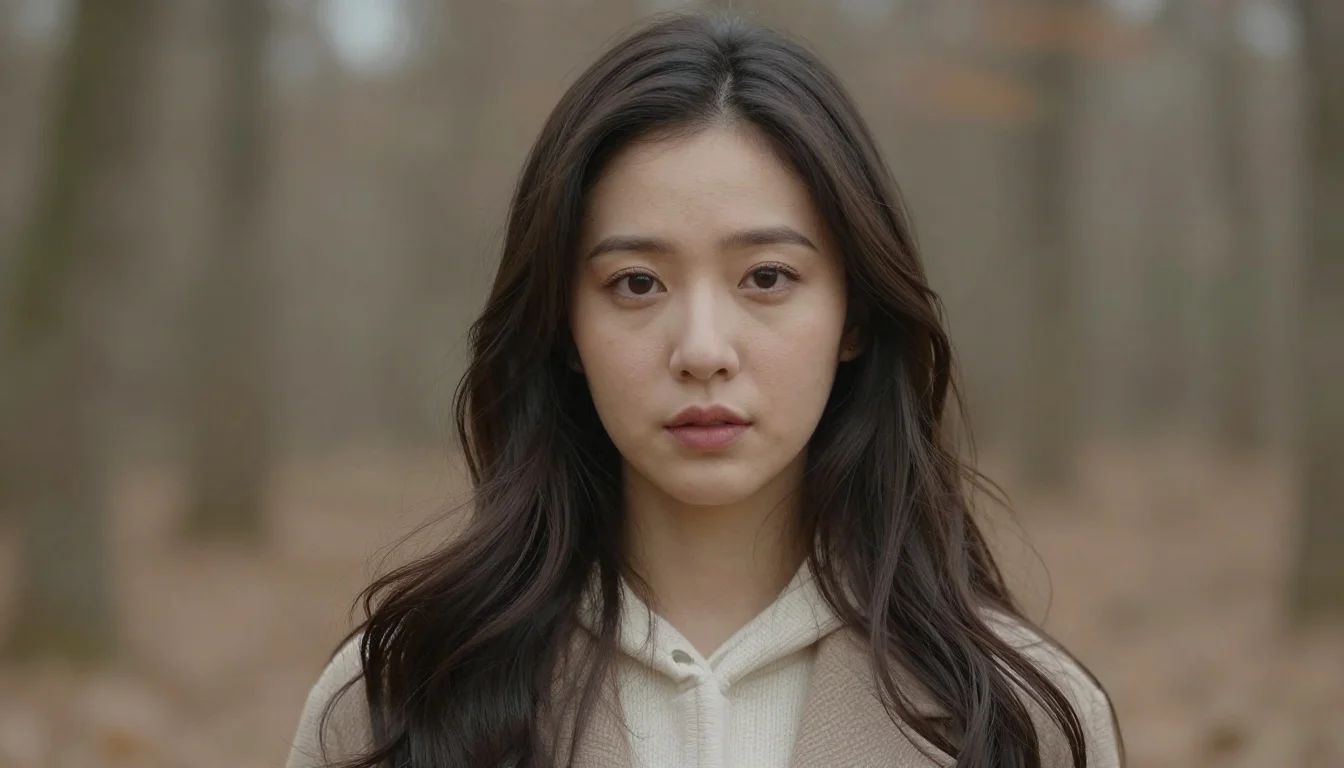
What color dress should a Deep Winter wear?
Deep Winter dresses work best in true black, deep navy, charcoal, vivid jewel tones (sapphire, emerald, magenta, royal purple), cool berries and plums, and icy cool whites. The principle is depth with cool undertone — avoid warm-based colors regardless of how dark they are.
Your Most Flattering Dress Color Families
Deep Cool Darks
These are the anchor colors of the Deep Winter dress wardrobe. True black is arguably the most flattering dress color for this palette — it provides the maximum contrast that activates Deep Winter's dark features while the cool undertone resonates with your skin. Charcoal and deep navy give you the same depth with slightly more visual interest. These shades photograph beautifully and read as effortlessly sophisticated on Deep Winter coloring.
Vivid Jewel Tones
Deep Winter can carry saturation levels that would overwhelm other seasons. Vivid jewel tones in a dress create a stunning interplay with dark hair and cool eyes. Sapphire blue is a particular standout — it amplifies depth while adding luminosity to fair or olive-cool skin. True emerald provides drama with richness. Rich magenta and royal purple belong here because they're cool-leaning jewel tones with maximum saturation rather than warm or muted versions.
Icy Cool Neutrals
The flip side of Deep Winter's dark anchor colors: pure, cool lights. A crisp white or icy silver-grey dress creates the same high-contrast drama as black by leveraging the opposite extreme. On Deep Winter coloring, cool icy whites look porcelain-bright rather than harsh — your dark features provide the grounding. These work best for evening and occasion wear where the high-contrast drama reads as deliberate and elegant.
Cool Berries and Plums
Berry and plum dress shades that sit on the cool side of the spectrum are exceptional for Deep Winter. Deep burgundy with a cool rather than orange-brown base, true plum with blue depth, cool raspberry — these colors bring warmth of hue without warming the undertone into Autumn territory. Black cherry in particular bridges the gap between red and plum in a way that reads beautifully with Deep Winter's dark coloring.

Ready to see black & charcoal on your face?
Start my color analysisHow to Wear Dresses as a Deep Winter
Daytime work and meetings
A deep navy wrap dress or a black sheath dress is your most reliable professional formula. Both provide depth and polish without requiring any accessories to complete the look. If your workplace allows more color, a vivid cobalt or deep teal dress in a structured silhouette makes the same authority statement with more visual interest. Avoid patterned dresses with warm backgrounds — the print's base color matters as much as the pattern itself.
Occasion and evening wear
Deep Winter coloring in an evening dress is one of the most striking combinations in color analysis. A true black gown requires no jewelry to look complete — your dark hair and deep or vivid eyes do the work. Alternatively, a rich magenta or sapphire blue floor-length dress against Deep Winter features looks photogenic and deliberately glamorous. Icy white in silk or satin reads as high-drama evening rather than casual, which works perfectly here.
Pattern and print dresses
When choosing printed dresses, the background color matters most. A black-background floral, a navy geometric, or a white-and-black contrast print all work because the foundational color is in your palette. Be cautious with multi-color prints that include warm mustard, rust, or orange-brown tones — even one warm color woven through an otherwise cool print can shift the overall effect away from your range.
Summer and casual dressing
For casual summer dresses, resist the pull toward warm, sun-washed colors like peach, coral, and sand. Your summer versions of Deep Winter dresses are vivid cobalt sundresses, crisp white cotton shirtdresses, cool raspberry linen shifts, and black jersey maxis. Cool colors don't feel heavy in summer — they feel crisp. A vivid jewel-tone sundress on Deep Winter coloring looks effortlessly put-together with zero effort.

Dress Colors That Work Against Deep Winter
Warm camel and orange-rust
Warm earth tones clash directly with the cool undertone of Deep Winter skin and flatten the contrast you need. A camel or rust dress pulls yellow-orange warmth against cool features and the result looks discordant — skin can appear sallow, and the vibrancy of dark eyes and hair is muted rather than amplified.
Muted, dusty mid-tones
Dusty mauve, greyed sage, soft terracotta — any color with significant grey or brown mixed in — robs Deep Winter of its defining contrast. These shades neither provide depth nor clarity. They sit in an indeterminate middle zone that makes the entire look feel flat and underpowered. Deep Winter needs color choices that take a clear position: dark and grounding, or vivid and striking.
Very warm pastel peach or coral
Warm pastels in the peach-coral range add yellow-orange undertone near the face, which conflicts with the cool clarity of Deep Winter skin. These shades tend to give cool skin a washed-out, slightly sallow quality. They also completely dissolve any sense of natural contrast — there's nothing in a warm peach dress that has a conversation with dark deep-winter coloring.
Light warm beige and cream
Beige and warm cream are the anti-Deep Winter dress color. They're warm in undertone (conflicting with cool features), light in value (eliminating depth), and muted in saturation (adding no vibrancy). Wearing a warm cream dress as a Deep Winter is the surest way to make powerful coloring look washed out.
Stop guessing — preview every look on you
See these looks on my photoDress Color Swaps for Deep Winter
Trading common dress color mistakes for Deep Winter-specific alternatives.
Camel conflicts with cool undertones and dissolves contrast. Navy and black provide the depth and cool grounding that Deep Winter coloring requires.
Warm peach and coral fight the cool undertone of Deep Winter skin. Cobalt and cool raspberry have the saturation to make dark features glow rather than disappear.
Warm gold reads muddy against cool Deep Winter features. Magenta and icy silver create the high-contrast drama that photographs strikingly and looks intentional.
Dusty mid-tones flatten Deep Winter contrast. Emerald and plum are vivid enough to hold their own against dark features while staying in the correct cool range.
Orange-based reds read warm and conflict with Deep Winter undertones. Cool cherry and true crimson are red with a blue base — they amplify rather than contradict.
The background color of a print matters as much as the print itself. Dark cool backgrounds keep the dress in Deep Winter territory regardless of the pattern.
Explore Your Seasonal Palette
Deep Winter sits at the dark, cool end of the Winter family. Exploring adjacent seasons helps you understand the full range of your palette and see which closely related types share your best dress colors.
Deep Winter
Learn moreYour home season. Dark, cool, and high-contrast coloring defined by depth and clarity. True black, icy white, vivid jewel tones, and cool deep darks are the dress colors that serve you best.
Cool Winter
Learn moreThe winter palette with the clearest cool undertone, slightly less depth than Deep Winter but the same high-contrast capacity. Cool Winter dresses lean into icy lights and cool vivids more than deep darks.
Deep Autumn
Learn moreThe adjacent season across the dark spectrum — shares depth but leans warm rather than cool. Deep Autumn dress colors include rich earth tones and warm darks that would be too warm for most Deep Winters.
Find Your Exact Deep Winter Dress Palette
Knowing you're a Deep Winter gives you a powerful foundation for dress shopping. The colors above will work reliably — but your specific version of Deep Winter (how cool your undertone runs, how much contrast you carry, whether your depth comes from olive skin or very fair skin with dark hair) determines exactly which shades within the range are most exceptional for you. A personalized color analysis maps this precisely, so you can walk into any store with complete confidence.
Stop guessing — preview every color on you
Preview Yourself In Your Palette
Get my personalized paletteStop guessing — preview every color on you
Preview Yourself In Your Palette

Related Guides for Best Dress Colors for Deep Winter
Explore more personalized color advice based on your features.
Want to see these colors on you? What Colors Look Good on Me — free to try.
Frequently Asked Questions About Best Dress Colors for Deep Winter
What color dress should a Deep Winter wear?
Deep Winter dresses work best in true black, deep navy, charcoal, vivid jewel tones (sapphire, emerald, magenta, royal purple), cool berries and plums, and icy cool whites. The principle is depth with cool undertone — avoid warm-based colors regardless of how dark they are.
Can a Deep Winter wear a red dress?
Yes — but the red must be cool-based. True crimson or cool cherry red (with a blue undertone) are excellent for Deep Winter. Orange-based reds, warm coral-reds, and tomato reds conflict with Deep Winter's cool undertone and can make skin look sallow.
Can a Deep Winter wear white?
Yes — pure, cool white is actually an excellent dress color for Deep Winter. It creates high-contrast drama when paired with your dark features. The key is keeping it cool and pure — warm ivory and cream are less effective because their warm undertone conflicts with Deep Winter skin.
What colors should Deep Winter avoid in dresses?
Deep Winter should avoid warm earth tones (camel, rust, orange, warm brown), muted mid-tones (dusty mauve, greyed sage, soft terracotta), warm pastels (peach, coral), and light warm neutrals (beige, cream). These shades dilute contrast and conflict with cool undertones.
Is black always safe for Deep Winter dresses?
True black is one of the best dress colors for Deep Winter — it provides maximum depth and cool grounding that activates dark features. It's not a 'safe default' in the sense of being boring; it's genuinely the most flattering direction for this palette. The only time to reconsider black is when you want color impact, in which case vivid jewel tones serve the same structural purpose.
Can a Deep Winter wear pastel dresses?
Cool, icy pastels work for Deep Winter — icy lavender, pale silver-blue, cool mint. These are the pale versions of Winter colors: clear and cool rather than warm or dusty. Warm pastels (peach, blush, warm yellow) don't work because they fight the cool undertone and eliminate contrast.