Why Certain ColorsMake You Look Exhausted
Some colors make you look exhausted no matter how well-rested you are. Discover how to find the colors that actually flatter your coloring.
You've slept eight hours, your skin looks fine in the mirror — and then you put on a particular top and someone asks if you're feeling okay. This is one of the most common and frustrating color experiences. It's not about your skin or your health. It's the color. Specific shades create optical illusions that read as tiredness, darkness under the eyes, or shadowing around the mouth. Understanding which colors do this and why is the beginning of never being told you look tired again.


3,000+
happy clients
The Optical Science of Looking Tired
You've slept eight hours, your skin looks fine in the mirror — and then you put on a particular top and someone asks if you're feeling okay. This is one of the most common and frustrating color experiences. It's not about your skin or your health. It's the color. Specific shades create optical illusions that read as tiredness, darkness under the eyes, or shadowing around the mouth. Understanding which colors do this and why is the beginning of never being told you look tired again.
Looking 'tired' in a color is usually caused by one of three optical mechanisms: undertone conflict, value problem, or contrast mismatch. Undertone conflict is the most common. Your skin has a specific undertone — warm (yellow/golden), cool (pink/blue), or neutral. When a clothing color's temperature opposes your undertone, it creates a dissonance that reads as shadows and discoloration. For example, wearing strong yellow-orange near pink-undertoned skin makes the skin's pinkness appear as redness while the contrast around the eyes reads as darkness.
Value problems occur when a color is too close in lightness to your skin tone without enough contrast to distinguish the two. The face and the clothing blur together, and the areas of natural shadow — under the eyes, around the mouth, at the temples — become the only visual definition. Those shadow areas, with nothing to compete against them, suddenly dominate. The result looks like extreme under-eye circles or drawn, hollow features.
Contrast mismatch affects high-contrast people who wear low-contrast colors, and vice versa. High-contrast coloring (dark hair, light skin, or vivid eyes) needs color with real presence to match its energy. A washed-out, soft color makes the face look overdone by comparison — the strong natural contrast reads as harsh rather than striking. Conversely, very soft, naturally low-contrast coloring put against jarring brights or stark darks creates a different problem — the features look overwhelmed and drawn.
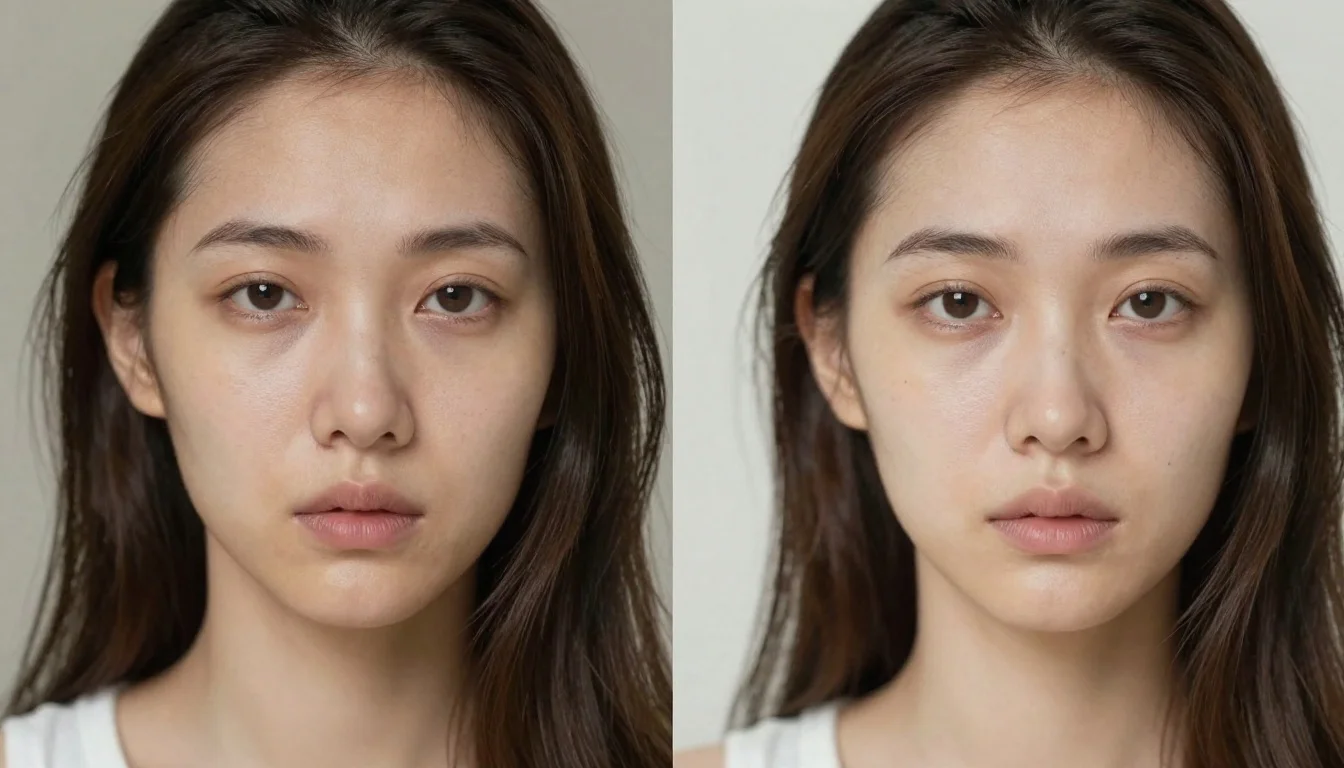
Why do I look tired in certain colors?
Certain colors make you look tired through three mechanisms: undertone conflict (the color's temperature clashes with your skin undertone, creating shadow and discoloration effects), value problem (the color is too close to your skin tone in lightness, making natural shadowing dominate), or contrast mismatch (the color's intensity doesn't match your natural contrast level). Identifying which mechanism applies to you pinpoints the fix.
Colors That Make You Look Rested and Radiant
Your Undertone-Matched Depth Colors
The most restorative colors are those that match your undertone's temperature at a depth level that creates contrast without clashing. For warm undertones, this means rich terracotta, warm burgundy, golden olive — colors with warmth and substance. For cool undertones, midnight navy, deep teal, cool violet — cool but not pale. The key is temperature match plus depth. Colors in this zone make skin look balanced and alive.
Warm Peach and Coral for Cool or Neutral Undertones
Peachy and coral tones are optically flattering near the face because they echo the rosy-warm quality of healthy skin. They counteract under-eye shadowing by warming the overall color temperature of the face area. For cool or neutral undertones specifically, peach and coral add the warmth that prevents the cool-grey shadowing around the eyes from reading as exhaustion.
Rich Jewel Tones at Your Undertone Temperature
Jewel tones have the saturation to create clean, unambiguous contrast with skin. When the undertone matches — cool jewels for cool skin, warmer jewels for warm skin — the result is that skin looks clear and vivid by contrast. The color does all the work so the face appears rested and defined. There's no muddiness, no shadow confusion, just clean contrast.
True Warm Whites and Creams
If you want to wear near-white near your face, the difference between looking fresh and looking ill often comes down to temperature. True warm whites — ivory, cream, oyster — add a subtle warmth that reflects back onto the skin, counteracting the shadowing effect of pure cool white. These work particularly well for warm and neutral undertones.
Not sure yet? See it on your face
Start my color analysisThe Fix in Practice: How to Stop Looking Tired
Test in natural light
Before wearing any color near your face in a situation that matters, test it in natural daylight — not bathroom lighting, not phone-screen light. Hold it under your chin and look in a mirror. Specifically check: the area under your eyes (do shadows look deeper?), the skin around your mouth (does it look drawn?), and your overall skin tone (does it look warmer and clearer, or cooler and muddier?). This test takes thirty seconds and prevents the 'are you okay?' conversation.
Know your undertone and avoid its opposite
The fastest way to stop wearing tiring colors is to identify your undertone once and then avoid its opposite temperature in high-saturation or pale versions near your face. Warm undertone: be cautious of cool, harsh colors (icy blue, stark silver, cold lilac). Cool undertone: be cautious of strong warm colors (deep orange, warm mustard, terracotta) unless balanced with depth. Neutral undertone: you're most flexible but still have a slight preference — test both directions.
Use accessories to fix problematic favorites
If you have a beloved garment that makes you look tired, accessories can sometimes rescue it. A warm gold necklace near the face adds warmth that counteracts cool-toned draining. A vivid scarf in a flattering color redirects the eye. Warm-toned blush applied specifically to counteract the garment's effect can also work. This isn't a perfect solution, but it can make problematic colors workable.
Identify your tiredness triggers specifically
Most people have two or three specific color families that consistently make them look tired, and the rest of the spectrum is fine. Figure out yours. Look at photos from days you looked noticeably tired versus days you looked fresh — what were you wearing? The colors that appear in the 'tired' photos are your triggers. Avoiding specifically those colors (often a temperature or saturation type) is much easier than memorizing a whole color system.

What's Making You Look Exhausted
Sallow yellow and yellow-green
Yellow and yellow-green tones, worn near the face, cause a specific optical problem: they make the skin's pink and purple undertones — the natural coloring around the eyes and lips — appear more prominent and shadowed by contrast. The result is that the face looks sallow, with dark circles and lines that weren't obvious before. This effect is most pronounced on cool and neutral undertones.
Warm orange near cool-undertoned skin
Orange and warm rust create a temperature conflict with cool-undertoned skin that reads as redness and discoloration. The skin's natural pink quality gets amplified by the orange contrast, appearing blotchy, and the areas around the eyes look darker. The strong warmth of orange against cool skin creates visual confusion that the brain reads as illness or exhaustion.
Very pale colors close to skin tone
When a color is close to your skin tone in lightness, the face and clothing blur together. Natural shadowing — under-eye area, nasolabial folds, temples — becomes the only visual contrast, and suddenly those areas dominate the appearance. This is why white can make some people look tired: it's not white itself, it's white that's close to the skin's lightness without enough contrast differential.
Muddy or muted mid-tones in the wrong temperature
Muted, dusty colors in the wrong temperature for your undertone — dusty orange on cool skin, dusty blue-grey on warm skin — combine two problems simultaneously: undertone conflict and lack of saturation. The color isn't vivid enough to create clean contrast, but it is distinct enough to clash with your undertone. The result is that the skin looks muddy and grey-ish rather than clear.
Stop guessing — discover your exact palette
See myself in my colorsSwaps That Replace Tiring Colors With Energizing Ones
Trading the colors that drain your face for ones that make you look awake and clear.
Mustard amplifies under-eye shadows on cool and neutral undertones. Terracotta has the same warmth but harmonizes rather than clashes.
Pale colors close to skin tone remove contrast and make shadowing dominant. Warm ivory adds warmth; deep jewels create clean contrast.
Orange on cool skin creates a temperature conflict that reads as blotchiness and tiredness. Teal and cool burgundy work with the undertone instead.
Yellow-green amplifies skin shadows by making pink undertones appear darker by contrast. Forest green has the depth and neutrality to avoid this effect.
Taupe lacks contrast and temperature, making shadowing dominate. Camel adds warmth; burgundy provides depth — both make skin look vivid.
Pale coats near skin tone value blur the face-fabric boundary and make under-eye circles prominent. Depth and warmth create the contrast that counters this.
Which Seasonal Colors Will Never Make You Look Tired
Each seasonal palette includes specific colors that have been identified as consistently energizing for that coloring type. Finding your season is the most reliable way to build a wardrobe that always makes you look well-rested.
Warm Autumn
Learn moreWarm Autumns look most alive in rich, muted earth tones — terracotta, warm olive, golden brown, rich rust. The colors that make Autumns look tired are typically cool-toned: icy blue, stark white, strong violet. Autumns' golden undertones are energized by warmth and depth, not by cool clarity.
Cool Summer
Learn moreCool Summers look freshest in soft, cool colors — dusty rose, powder blue, soft teal, cool lavender. What makes Summers look tired is strong, warm-saturated colors (orange, warm gold, camel) and very dark starkness (black near the face). Cool Summers need coolness and softness rather than intensity.
Bright Spring
Learn moreBright Springs look most awake in clear, vivid colors — bright coral, vivid turquoise, clear yellow-green, warm pink. Muted, dusty, or low-contrast colors make Springs look grey and tired by comparison. Springs need saturation and clarity — anything muted or desaturated drains the natural brightness of Spring coloring.
Find the Colors That Make You Look Rested
The colors that make you look tired aren't random — they follow your undertone, contrast level, and seasonal palette. Once you know your palette, you know your specific tiredness triggers and can avoid them systematically. A personalized color analysis does exactly this: it identifies your coloring type, explains which colors drain you and why, and gives you a precise palette of colors that make you look consistently clear, rested, and vivid.
Stop guessing — preview every color on you
Preview Yourself In Your Palette
Get my personalized analysisStop guessing — preview every color on you
Preview Yourself In Your Palette

Related Guides for Why You Look Tired in Certain Colors
Explore more personalized color advice based on your features.
Want to see these colors on you? What Colors Look Good on Me — free to try.
Frequently Asked Questions About Why You Look Tired in Certain Colors
Why do I look tired in certain colors?
Certain colors make you look tired through three mechanisms: undertone conflict (the color's temperature clashes with your skin undertone, creating shadow and discoloration effects), value problem (the color is too close to your skin tone in lightness, making natural shadowing dominate), or contrast mismatch (the color's intensity doesn't match your natural contrast level). Identifying which mechanism applies to you pinpoints the fix.
What colors make you look more awake?
Colors that match your skin's undertone temperature at a depth that creates real contrast. For warm undertones: terracotta, rich olive, warm burgundy, camel. For cool undertones: midnight navy, deep teal, cool violet, sapphire. For all undertones: peachy-coral tones near the face add life because they echo healthy skin's warmth. The key is undertone match plus enough depth for contrast.
Why does yellow make me look tired?
Yellow and yellow-green tones amplify the pink and purple undertones naturally present around the eyes and mouth, making those areas look darker and more shadowed by contrast. This is most pronounced on cool and neutral undertones. The fix is colors with warmth but without the yellow-green frequency: terracotta, peach, warm brown, rust (if you have warm undertones) or rich jewel tones (if you have cool undertones).
Why does white make me look tired?
Bright, cool white can make you look tired if your skin is similarly pale (removing contrast) or if you have warm undertones (the cool-white reflects back against your warmth, amplifying shadows). The fix is warm whites — ivory, cream, oyster — which add subtle warmth and create better contrast differential with most skin tones.
How do I know which colors make me look tired?
Test in natural light: hold the garment under your chin and specifically check the under-eye area and the corners of your mouth for shadow deepening. Also look at photos from days you've been told you look tired — what colors were you wearing? Those are your personal triggers. Patterns emerge quickly: most people have two or three color families that consistently drain them.