Why Orange DividesEvery Wardrobe
Orange clashes with most skin tones but is stunning on others. Discover how to find the colors that actually flatter your coloring.
Orange sits in a tricky spot on the color wheel — warm, saturated, and unforgiving. On the right person it radiates. On the wrong one it amplifies every skin imperfection. The good news: there is an orange shade for almost everyone. You just need the right one.


3,000+
happy clients
The Science of Orange and Skin Tone
Orange sits in a tricky spot on the color wheel — warm, saturated, and unforgiving. On the right person it radiates. On the wrong one it amplifies every skin imperfection. The good news: there is an orange shade for almost everyone. You just need the right one.
Orange is a high-chroma warm color containing both red and yellow wavelengths. When it sits next to skin it either enhances warmth or amplifies redness, sallowness, and splotchiness.
Cool-undertoned skin with pink or rosy tones has a natural contrast with orange's warmth. The result looks clashing — your skin and the orange compete rather than harmonize, often making your complexion appear redder and more uneven.
Warm and olive skin tones fare much better because orange's warmth echoes their natural undertones. But even warm skin needs the right shade — a true bright orange can still be too saturated, while terracotta or rust harmonizes perfectly.
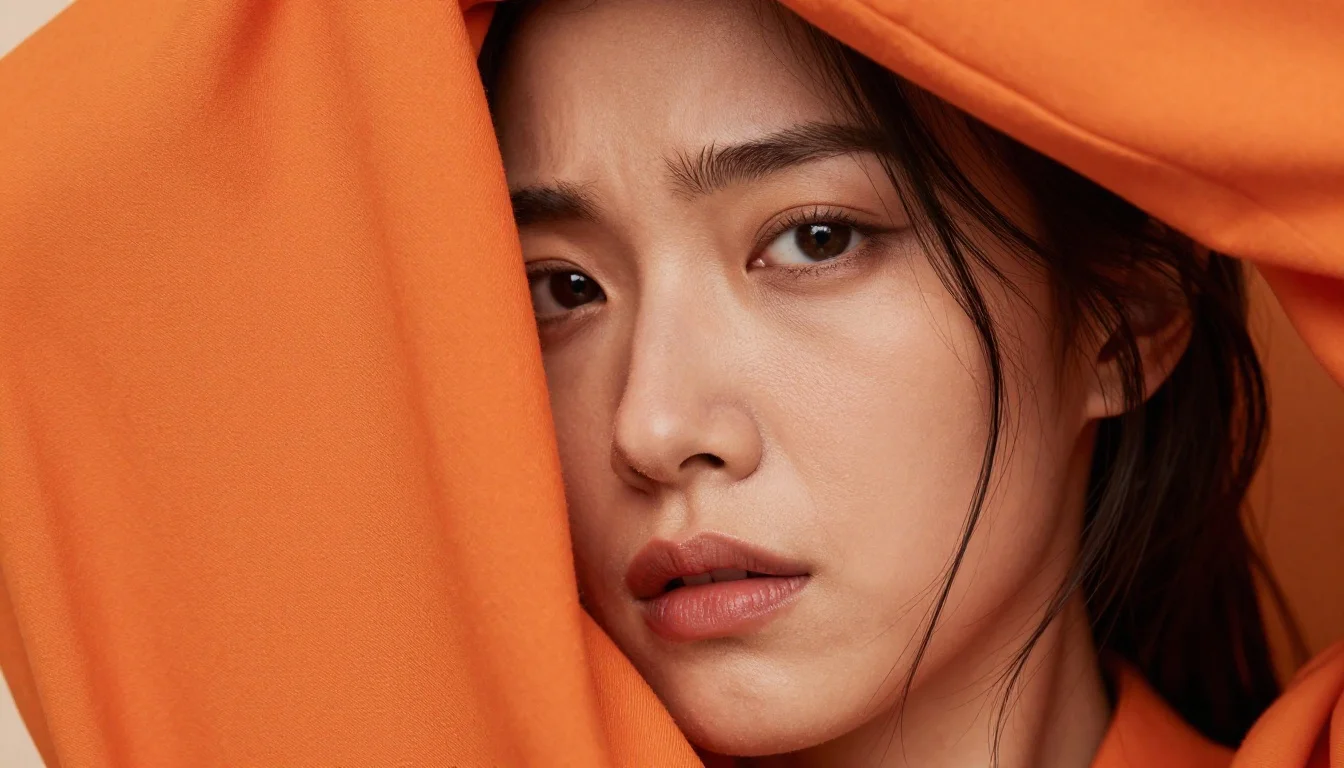
Why does orange make me look terrible?
Orange is a high-chroma warm color that interacts strongly with skin undertones. If you have cool pink or rosy undertones, orange creates a clashing warm-cool conflict that makes skin look more red and uneven. If you have warm undertones but orange still looks off, try a more muted version like terracotta or rust.
Orange Shades That Actually Work
Terracotta & Burnt Sienna
Muted earthy oranges that work beautifully on warm, olive, and medium skin tones. The brown undertone softens pure orange while keeping warmth.
Rust & Cognac
Darkened oranges with depth — flattering for deep autumn and warm coloring. The red-brown mix creates richness rather than brightness.
Peach & Apricot
Soft light versions of orange that work for spring colorings and fair skin. The white mixed in reduces saturation that makes pure orange clash.
Amber & Marigold
Yellow-based oranges suit warm spring and warm autumn types. Safer than red-based orange for many skin tones.

Not sure yet? See it on your face
Start my color analysisHow to Make Orange Work
Start with Accessories
A burnt orange bag or terracotta shoes lets you test orange near your skin without the commitment of a full top. Accessories near your feet are lower-stakes than those near your face.
Choose Your Orange Family
If you have cool undertones, lean towards peachy or apricot shades rather than red-orange. If you have warm or olive undertones, richer terracotta or rust will serve you better than neon-adjacent orange.
Balance with Neutrals
Orange is strong — pair it with white, ivory, navy, camel, or chocolate brown. Navy is particularly effective because it is orange's complementary color and creates a pleasing contrast.
Test in Natural Light
Orange is highly reactive to lighting. A terracotta that looks perfect indoors can read differently in daylight. Always check the result in natural light before committing.
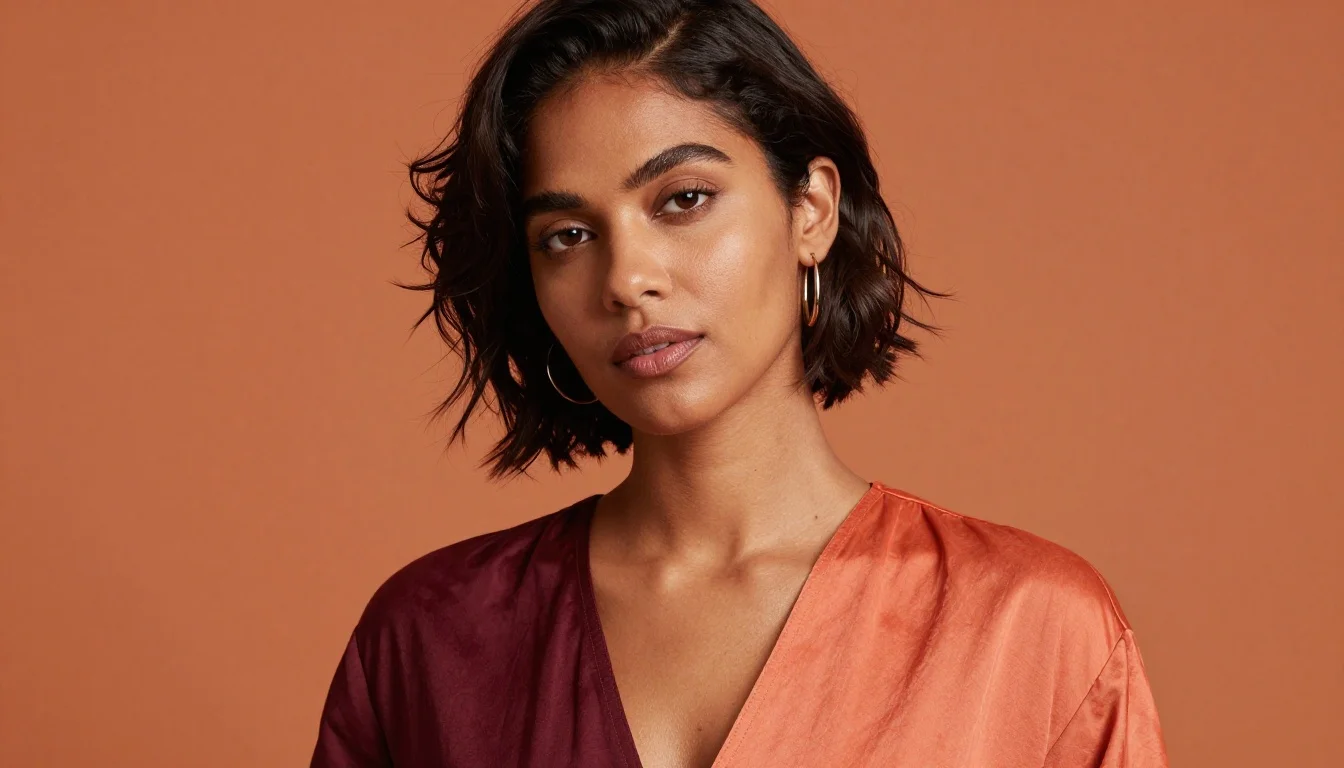
Orange Versions That Backfire
Neon or Safety Orange
Maximum saturation with no warmth modifier clashes with virtually all skin tones. Fluorescence amplifies every skin imperfection.
Pure Bright Orange for Cool Undertones
The warm undertone in pure orange directly conflicts with cool pink or rosy skin, making the complexion look redder and more uneven.
Red-Orange for Warm Ruddy Skin
If your skin already runs warm and pink, red-orange makes you look flushed. Swap for muted terracotta or rust instead.
Head-to-Toe Orange
Even people who suit orange in a top or accessory can look overwhelmed by an all-orange look — the saturation needs to be broken with a neutral.
Stop guessing — discover your exact palette
See myself in my colorsOrange Swaps by Skin Tone
Find the version of orange that harmonizes with your natural coloring
Peach and coral have enough pink in them to bridge the gap between orange's warmth and your cool skin without clashing.
Amber's yellow-orange base harmonizes beautifully with golden warm skin without the harshness of pure saturated orange.
Olive skin's earthy undertones sing next to earthy oranges. The muted quality of terracotta is far more harmonious than a pure orange.
Fair skin needs the lightest, softest oranges — anything saturated will overwhelm delicate coloring.
Deeper skin tones have the richness to carry saturated orange beautifully. You can handle the full depth of the color.
Medium skin sits in a sweet spot — enough warmth to carry rich oranges, but too complex for harsh fluorescent shades.
Which Palette Might Be Yours?
Your relationship with orange is a strong signal for your seasonal color type:
Warm Autumn
Learn moreAutumn types were made for orange — terracotta, burnt sienna, pumpkin spice, and rust are all natural fits for your rich earthy palette.
Cool Summer
Learn moreCool summers struggle with all oranges. Soft pink, dusty rose, and muted watermelon are your orange-adjacent options.
Warm Spring
Learn moreWarm springs can wear lighter brighter oranges — peach, coral, and golden amber all work beautifully with your warm clear coloring.
Find Your Exact Colors
Orange is just one of the complex colors your palette determines. Your complete seasonal color analysis maps every shade — neutrals, brights, pastels, and everything between — so you can shop with certainty. Upload your photo to Palette Hunt and get your full color roadmap.
Stop guessing — preview every color on you
Preview Yourself In Your Palette
Get my personalized analysisStop guessing — preview every color on you
Preview Yourself In Your Palette

Related Guides for Why Orange Is Hard to Wear (and Who Can)
Explore more personalized color advice based on your features.
Want to see these colors on you? What Colors Look Good on Me — free to try.
Frequently Asked Questions About Why Orange Is Hard to Wear (and Who Can)
Why does orange make me look terrible?
Orange is a high-chroma warm color that interacts strongly with skin undertones. If you have cool pink or rosy undertones, orange creates a clashing warm-cool conflict that makes skin look more red and uneven. If you have warm undertones but orange still looks off, try a more muted version like terracotta or rust.
What skin tone can wear orange?
Warm and olive undertones tend to wear orange best, especially richer shades like terracotta, burnt sienna, and amber. Deep skin tones can handle bold saturated oranges magnificently. Cool undertones are better served by peachy, coral, or apricot shades rather than true orange.
Is burnt orange different from regular orange?
Yes — burnt orange has been darkened with brown or red pigments, making it far more muted and wearable than pure bright orange. Most people who cannot wear orange can wear burnt orange or terracotta.
Can I wear orange if I have red hair?
Redheads with warm golden-red hair often look stunning in amber, burnt orange, and terracotta. Blue-red redheads should be more cautious and may prefer peach or coral instead.
What colors look good with orange?
Navy blue is orange's complementary color and creates a classic striking combination. Chocolate brown, cream, ivory, white, and olive green all work as grounding neutrals with orange.