Who Can WearOrange?
Orange flatters warm undertones naturally, but the right shade matters. Discover how to find your perfect shade — and skip the ones that wash you out.
Orange is one of the most undertone-sensitive colours in fashion. It is unambiguously warm — built from red and yellow, both warm primaries — which means it resonates powerfully with warm skin tones and can clash dramatically with cool ones. But the orange family is wider than most people realize. Burnt orange, rust, terracotta, coral-orange, and bright tangerine are all different colours that suit different complexions. The question is not just whether you can wear orange, but which orange. Warm undertones have many options. Cool undertones have fewer but they exist. The shade makes all the difference.


3,000+
happy clients
Why Orange Is So Undertone-Dependent
Orange is one of the most undertone-sensitive colours in fashion. It is unambiguously warm — built from red and yellow, both warm primaries — which means it resonates powerfully with warm skin tones and can clash dramatically with cool ones. But the orange family is wider than most people realize. Burnt orange, rust, terracotta, coral-orange, and bright tangerine are all different colours that suit different complexions. The question is not just whether you can wear orange, but which orange. Warm undertones have many options. Cool undertones have fewer but they exist. The shade makes all the difference.
Orange is the warmest colour on the spectrum. It has no cool base to draw from — unlike purple (which spans warm to cool) or green (which can lean cool). Every shade of orange carries warmth. This makes it the most harmonious colour for warm undertones and the most challenging for cool undertones. When warm skin meets orange, the shared warmth creates a glow. When cool skin meets orange, the temperature contrast can create a sallow, unflattering cast.
The variable that makes orange wearable for more complexions is depth and mutedness. Bright, vivid orange is the hardest to wear — it demands warm, clear coloring to look balanced. Burnt orange, rust, and terracotta are muted and deep, which softens their warmth enough to work on neutral and even some cool-neutral skin tones. Coral-orange sits at the red-orange boundary and carries enough pink to bridge toward cool undertones. The further orange moves from pure vivid orange, the more universally accessible it becomes.
Skin depth also matters. Fair warm skin can carry lighter, brighter oranges like tangerine and peach-orange. Medium and olive skin tones are flattered by the full range of warm oranges. Deep skin tones look striking in vivid orange — the contrast between deep skin and bright orange creates a bold, intentional effect that is harder to achieve on lighter skin. The principle is: match the orange's depth and mutedness to your coloring's depth and mutedness.
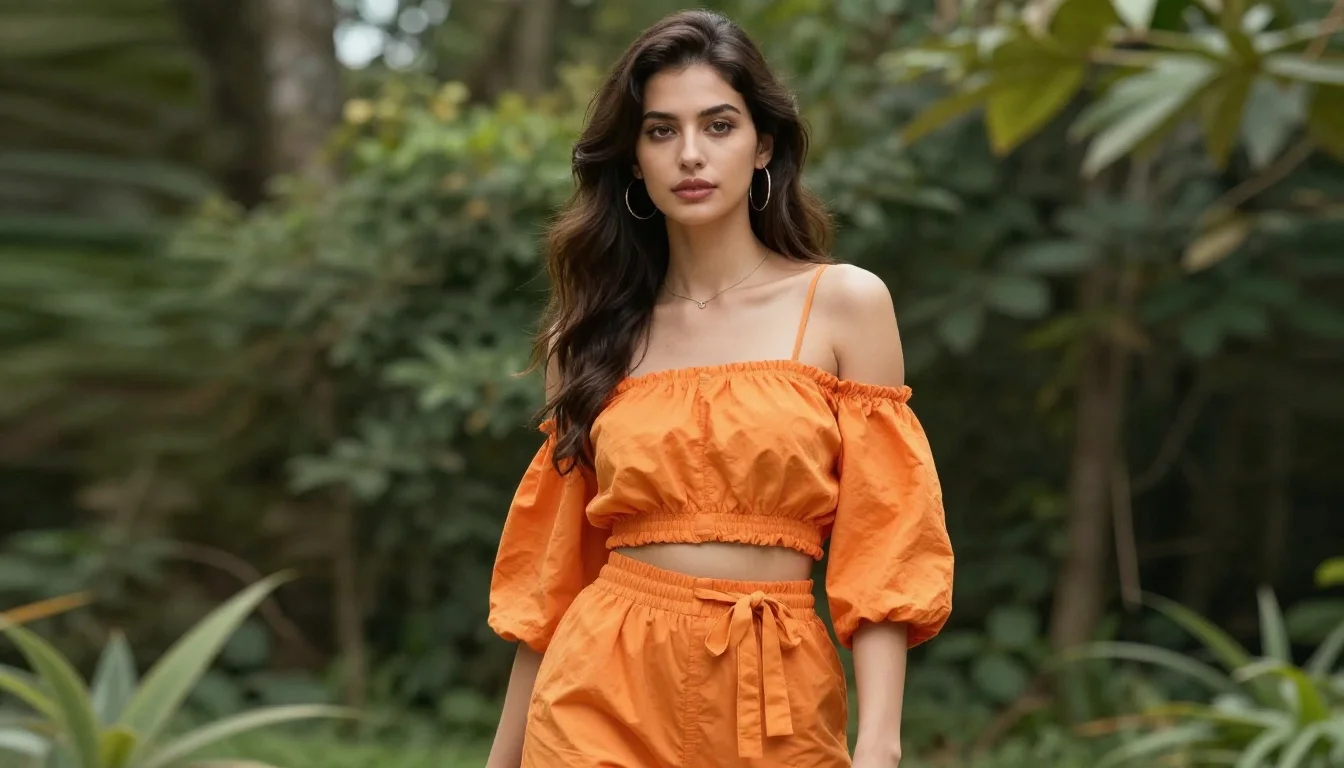
Can cool skin tones wear orange?
Cool skin tones can wear muted, deep, or pink-adjacent oranges — rust, burnt orange, and coral-orange. These versions soften orange's warmth enough to avoid the temperature clash that vivid orange creates on cool skin. Pure bright orange is the hardest shade for cool undertones. The key is moving toward the edges of the orange family rather than the centre.
The Right Orange for Your Skin Tone
Burnt Orange and Rust
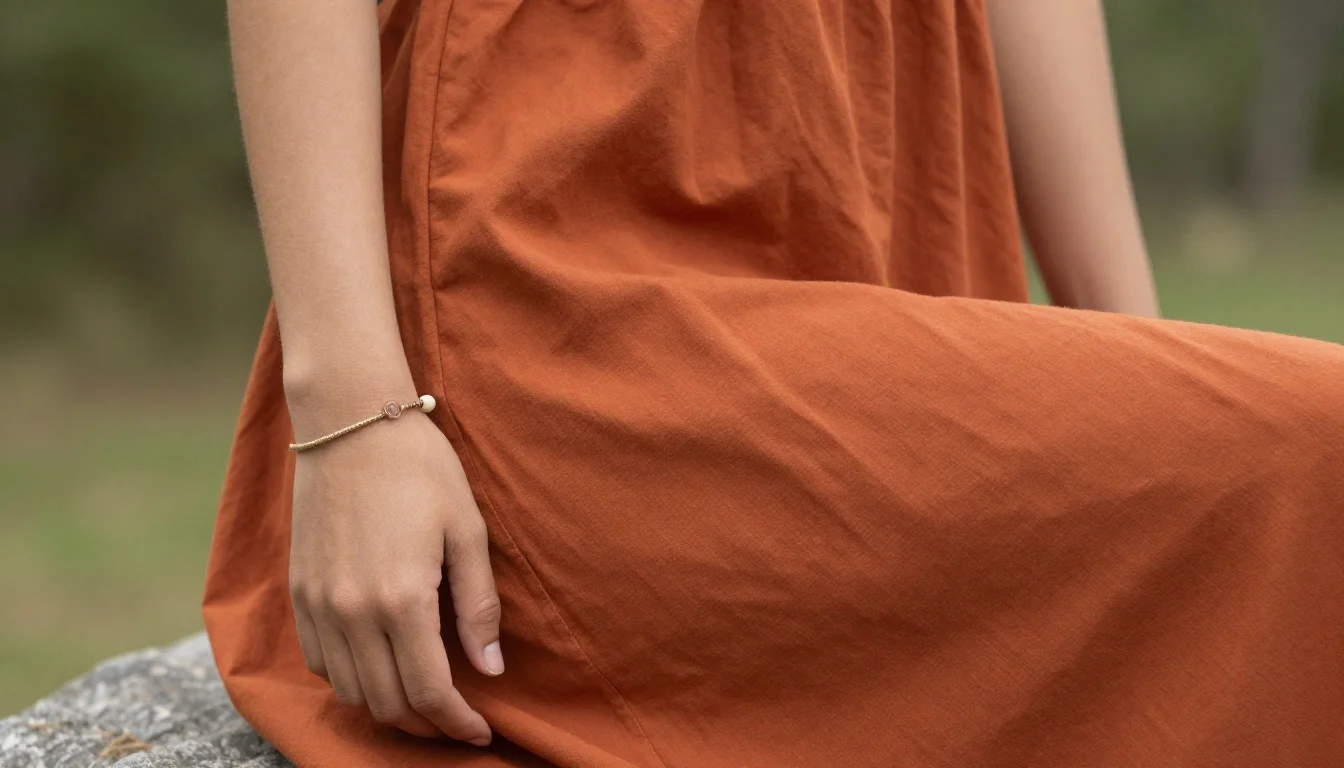
Burnt orange and rust are the most universally wearable shades in the orange family. Their depth and mutedness soften the warmth enough to work on warm, neutral, and even warm-neutral complexions. Rust is particularly versatile — it reads as an earthy neutral rather than a vivid colour. These are the oranges to reach for if you are unsure about wearing the colour, because their grounded quality makes them approachable for the widest range of skin tones.
Bright Orange and Tangerine
Bright, vivid orange is the most dramatic version and requires the most specific coloring to flatter. It works best on warm, clear complexions — Bright Spring and Warm Spring — where the vivid warmth creates an energetic, glowing effect. It also creates stunning contrast on deep skin tones. On muted or cool coloring, vivid orange can overwhelm. This is the 'statement' orange — high-impact when the coloring supports it.
Coral-Orange
Coral-orange sits at the intersection of orange and pink, which gives it enough pink warmth to bridge toward neutral and even some cool-neutral skin tones. It is the most accessible orange for people who find pure orange too warm. Warm coral flatters warm skin beautifully. Peach-orange works on fair warm skin. Soft coral is gentle enough for muted warm coloring. This is the gateway orange for anyone who thinks they cannot wear the colour.
Deep Pumpkin and Warm Amber
Deep, rich oranges — pumpkin, amber, copper — have the visual weight and warmth that suit deep warm coloring. Warm Autumn and Deep Autumn types wear these oranges with effortless authority. The depth prevents them from looking too bright or juvenile, and the warmth resonates with golden and olive skin. These are sophisticated oranges that read as rich and intentional rather than playful.
Not sure yet? See it on your face
Start my color analysisHow to Wear Orange for Your Coloring
Start with burnt orange or rust
If you have never worn orange, start with burnt orange or rust. These are the most forgiving shades — deep enough to read as sophisticated, muted enough to work with most warm and neutral complexions, and earthy enough to pair with your existing wardrobe neutrals. A rust sweater or a burnt orange blazer is a safe first step into the orange family.
Pair orange with navy for instant polish
Orange and navy is one of the strongest colour pairings in fashion. The warm-cool contrast creates visual energy, but both colours have enough depth to feel grounded and sophisticated. A rust blouse with navy trousers, or a burnt orange scarf with a navy coat, looks sharp and intentional. This pairing works across settings from casual to professional.
Use cream to soften bold orange
Cream calms orange without cooling it. A bright orange top with cream trousers, or a tangerine dress with cream accessories, lets the orange make its statement while the cream provides a visual rest. This is particularly useful for vivid oranges that might feel too bold paired with stark white or too heavy paired with dark neutrals.
Cool undertones: try coral or rust instead
If your undertone is cool, skip pure vivid orange and explore the edges of the orange family. Rust has enough depth and brown to soften its warmth. Coral-orange carries enough pink to bridge toward cool skin. Burnt sienna reads more earthy than orange. These versions let cool undertones wear orange's warmth without the temperature clash that vivid orange creates.
Orange Shades That Work Against You
Bright vivid orange on cool pink skin
Vivid, saturated orange is the hardest shade for cool undertones. The intense warmth creates a jarring clash against cool, pink-based skin — the skin can look flushed, sallow, or ruddy. Cool skin that wants warmth should try rust or burnt orange, which have enough depth and mutedness to soften the temperature conflict.
Neon or fluorescent orange on muted coloring
Neon orange overwhelms muted, soft coloring (Soft Autumn, Soft Summer). The extreme saturation makes muted features look washed out by comparison. Muted complexions need muted oranges — terracotta, rust, soft burnt sienna — where the colour's energy matches the skin's softness.
Pale peach-orange on deep skin
Very pale, washed-out peach-orange lacks the depth to create contrast against deep skin. It fades and looks insubstantial. Deep skin needs oranges with genuine depth and saturation — vivid tangerine, rich pumpkin, or deep burnt orange — to create the contrast that makes the colour intentional.
Stop guessing — discover your exact palette
See myself in my colorsOrange Swaps for Your Specific Coloring
The right shade of orange transforms it from clash to complement.
Vivid orange clashes with cool pink skin. Rust has enough depth and brown to soften the warmth, making it accessible for cool-neutral and even some cool undertones.
Neon orange overwhelms soft features. Terracotta shares your muted quality and makes a warm statement without overpowering your natural coloring.
Very deep orange can look heavy on fair skin. Lighter warm oranges — apricot, peach-orange — create the warm glow without the heaviness.
Pale peach fades against deep skin. Vivid orange creates the bold, high-contrast effect that makes deep complexions look vibrant and the colour look intentional.
Vivid orange can read as too casual for professional settings. Burnt sienna and copper carry orange's warmth in a deeper, more grounded register that suits work environments.
Neon orange accessories fight cool skin even from a distance. Cognac and rust carry warmth in a muted, earthy way that works as a warm neutral without temperature clash.
Your Season, Your Orange
Orange appears primarily in warm seasonal palettes. Your season tells you exactly which depth, saturation, and warmth of orange flatters your individual coloring.
Warm Autumn
Learn moreWarm Autumn owns the deepest, earthiest oranges: burnt orange, rust, terracotta, warm sienna, and deep pumpkin. These muted, warm shades are core Warm Autumn colours — they resonate perfectly with this season's rich, earthy warmth. Warm Autumn wears orange with more natural authority than any other season.
Warm Spring
Learn moreWarm Spring wears the brighter, clearer oranges: vivid apricot, warm tangerine, clear coral-orange, and bright warm orange. These have the warmth and clarity that matches Warm Spring's fresh, golden coloring. Unlike Autumn oranges, Spring oranges are light and clear rather than deep and earthy.
Bright Spring
Learn moreBright Spring can carry the most vivid, saturated oranges: true bright orange, electric tangerine, and vivid coral. Their high-contrast, clear coloring has the vibrancy to match bold orange without being overwhelmed. This is the season where statement orange — the kinds most people cannot pull off — looks absolutely right.
Find Your Orange
Orange is not a colour that works the same way on everyone — but the right shade on the right complexion creates an energy that no other colour matches. Whether your orange is the deep earthiness of rust, the bright warmth of tangerine, or the soft bridge of coral, knowing your version unlocks one of fashion's most impactful colours. A personalized colour analysis identifies exactly which part of the orange family makes your skin glow.
Stop guessing — preview every color on you
Preview Yourself In Your Palette
Get my personalized analysisStop guessing — preview every color on you
Preview Yourself In Your Palette

Related Guides for Who Can Wear Orange? Best Shades for You
Explore more personalized color advice based on your features.
Want to see these colors on you? What Colors Look Good on Me — free to try.
Frequently Asked Questions About Who Can Wear Orange? Best Shades for You
Can cool skin tones wear orange?
Cool skin tones can wear muted, deep, or pink-adjacent oranges — rust, burnt orange, and coral-orange. These versions soften orange's warmth enough to avoid the temperature clash that vivid orange creates on cool skin. Pure bright orange is the hardest shade for cool undertones. The key is moving toward the edges of the orange family rather than the centre.
What shade of orange suits olive skin?
Olive skin wears the warm, earthy oranges beautifully: rust, burnt orange, terracotta, warm amber, and deep pumpkin. Olive skin has warm undertones that resonate with these shades. Vivid bright orange can also work on medium-to-deep olive skin because the depth creates enough contrast. Avoid very pale peach-orange, which can look washed out.
Is burnt orange the same as rust?
They are related but distinct. Burnt orange is a darker, muted orange — still recognizably orange but with depth. Rust has more brown content — it sits closer to the brown family than burnt orange does. Rust reads more earthy and neutral. Burnt orange reads more warmly coloured. Both are flattering on similar skin tones, but rust is more versatile as a near-neutral.
What colours go with orange?
Navy is orange's strongest partner — the warm-cool contrast is striking and sophisticated. Cream softens orange without cooling it. Charcoal provides grounded depth. Teal creates vibrant complementary contrast. Chocolate brown adds earthy richness. Avoid pairing orange with pink (they can clash) or with red (the warmth can feel overwhelming).
Who looks best in bright orange?
Bright, vivid orange is most flattering on warm, clear complexions: Bright Spring, Warm Spring, and deep skin tones with warm undertones. These coloring types have the warmth and vibrancy to match bold orange. Muted seasons, cool seasons, and low-contrast coloring generally look better in rust, terracotta, or coral-orange than in vivid bright orange.