Colors That Make You LookFriendly
Some colors open conversations; others close them. Discover which shades flatter you most — and which to skip.
Friendly colors work because of how they interact with the brain's social processing systems. Warm, approachable hues lower psychological guard — they signal safety, openness, and non-threat. But 'friendly' doesn't mean bright or childish. The most socially effective colors are the ones that read as warm and genuine rather than aggressive or overwhelming, and the specific versions that work best are always shaped by your own natural coloring.


3,000+
happy clients
How Color Creates Social Openness
Friendly colors work because of how they interact with the brain's social processing systems. Warm, approachable hues lower psychological guard — they signal safety, openness, and non-threat. But 'friendly' doesn't mean bright or childish. The most socially effective colors are the ones that read as warm and genuine rather than aggressive or overwhelming, and the specific versions that work best are always shaped by your own natural coloring.
The brain evaluates social threat levels almost instantly — and color is a key input to that assessment. Colors associated with warmth, nature, and soft approachability trigger the parasympathetic nervous system response: the "rest and connect" state. Conversely, high-contrast darks and high-saturation aggressives activate a mild threat response that makes social approach feel less inviting.
Research in environmental psychology shows that warm yellow tones, soft coral, and accessible medium-depth blues consistently produce the highest ratings for "approachability" and "friendliness" in social contexts. These colors share a quality: they read as open and non-threatening without being so pale they disappear or so bright they overwhelm.
The personal coloring factor is significant: a warm coral that reads as naturally friendly and approachable on someone with warm undertones can look uncomfortable on someone with cool, pale skin — creating visual incongruence that reads as awkward rather than friendly. Genuine warmth communicates through colors that work with your natural coloring, not against it.

What is the most friendly color to wear?
Warm coral is consistently rated among the most friendly colors in social psychology research — it's warm, accessible, and associated with natural vitality. Sky blue and cornflower are close seconds due to their universal likability. The most effective friendly color for you specifically depends on your undertone: warm undertones do best in coral-peach range; cool undertones in soft blue-pink range.
Friendship-Signal Colors for Every Complexion
Warm Coral and Peach (Warm and Medium Undertones)
Coral and peach are among the most universally documented friendly colors — they're warm without being aggressive, vibrant without being overwhelming. For warm-undertoned and medium complexions, coral echoes the warm flush of healthy skin, creating an appearance of natural warmth and vitality. Peach softens the social signal slightly; apricot adds a gentle brightness. These colors on warm undertones look like you're already glowing with approachability.
Clear Medium Blue and Sky Blue (Cool Undertones)
Blue in medium depths — sky to cornflower — reads as friendly and approachable rather than authoritative. It's the universally liked color, and medium-light versions project more openness than deep navy. For cool-undertoned people, sky and cornflower harmonize naturally with blue-pink or neutral-cool complexions, creating an effortlessly approachable quality. The friendliness comes from the accessibility of the shade — it's inviting rather than imposing.
Warm Yellow and Butter (Warm and Light Coloring)
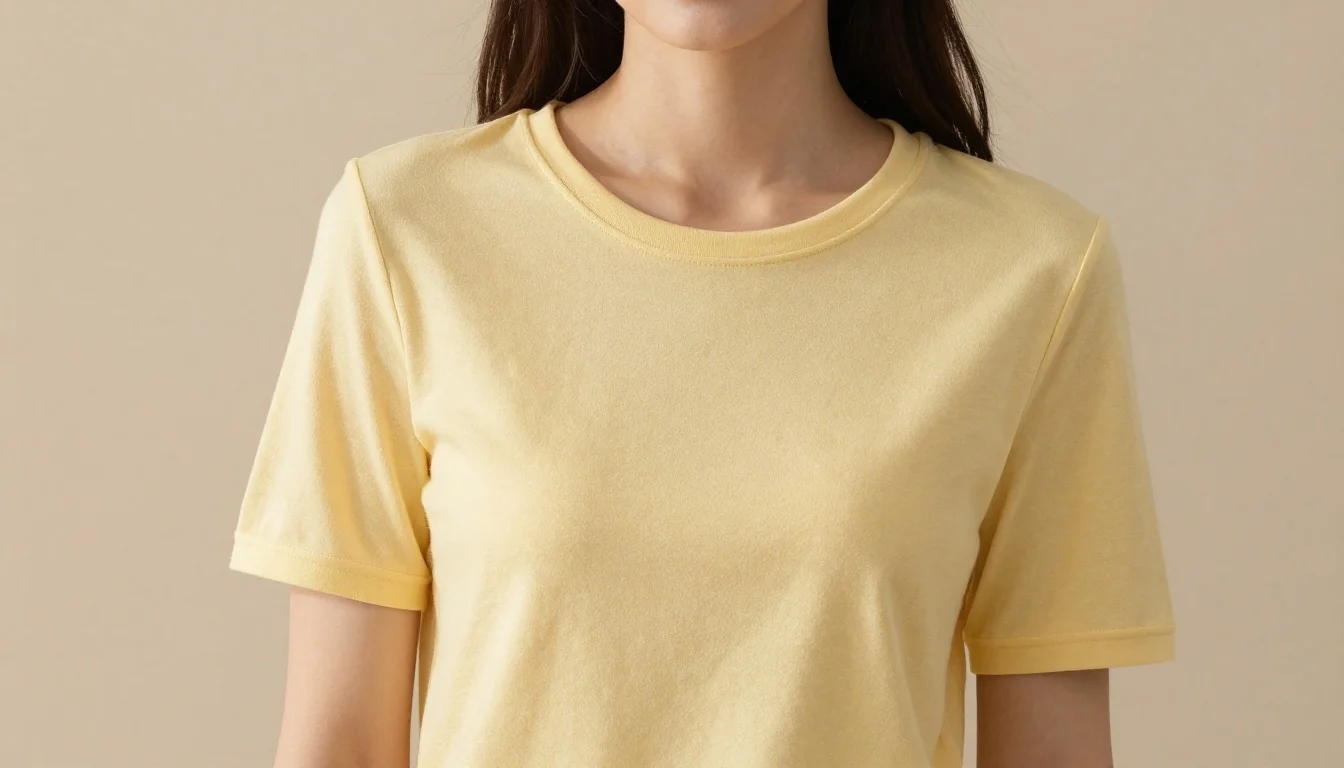
Yellow has strong associations with optimism, openness, and positive social energy. For warm and light coloring types, soft yellow and buttercup create an open, sun-touched appearance that reads as naturally cheerful and approachable. The key is avoiding the too-pale versions that wash out or the too-neon versions that overwhelm. Warm medium yellows on the right complexion look effortlessly inviting.
Soft Rose and Blush (Any Undertone, Adjusted)
Pink family tones consistently score highest in research on perceived warmth and likability. The specific version depends on undertone: warm blush and coral-pink for warm complexions, cool dusty rose and soft mauve for cool ones. Pink reads as non-threatening, warm, and socially open — the visual equivalent of a smile. At medium rather than pale depths, it has enough presence to make the friendly signal clearly.

Not sure yet? See it on your face
Start my color analysisWearing Friendly Colors Effectively
Social gatherings and meeting new people
Wear your most harmonious friendly-signal color near your face. Warm coral or peach for warm undertones, clear sky blue or soft rose for cool ones. The garment at neckline or shoulder height carries the most social weight in person-to-person interaction. A friendly color there communicates openness before you've said a word.
Networking and professional social contexts
The challenge in professional networking is balancing approachability with credibility. Solve it with a friendly color in a polished fabric or silhouette: a coral silk blouse under a tailored blazer, a cornflower shirt under a structured jacket. The color sends the warm-open signal; the tailoring maintains the professional one.
Service and hospitality roles
If your work involves making others feel welcome and comfortable — teaching, hospitality, customer service, healthcare — warm and accessible colors support your role. Warm rose, soft blue, and approachable medium tones actively lower client or patient anxiety. This isn't just aesthetic preference; there's documented evidence that warmer, approachable colors improve patient comfort scores in healthcare settings.
Day-to-day friendliness
You don't need to wear bright colors to signal friendliness. A warm cream, a soft peach, or a gentle cornflower in everyday contexts carries the approachability signal without effort. The goal is avoiding the visual signals of closure (very dark, very cold, very complex patterns) rather than always going bright. A warm neutral near your face is more friendly than a dark, cool one.
Colors That Close Social Distance the Wrong Way
Very dark or all-black from head to toe
All-black creates psychological distance — it reads as closed, protected, and non-inviting. In social contexts where you want to be approached and connected with, head-to-toe dark colors work against you. Black is sophisticated and powerful, not friendly. If you wear dark outfits, a warm color near your face or a warm accessory can significantly soften the closed-off impression.
Aggressive neon or very high-saturation brights
Paradoxically, very bright colors can read as hostile rather than friendly — high saturation at maximum brightness activates a mild overwhelm response rather than warmth. Neon yellow, electric lime, and very bright orange read as attention-demanding. Friendliness requires accessibility; overwhelming brightness feels like visual noise rather than openness.
Cold, stark colors that read as clinical
Very cool whites, institutional blues, and cold greys read as impersonal and clinical rather than warm and approachable. There's a difference between a warm sky blue and a cold clinical blue — both are in the blue family, but one reads as open and one reads as distancing. Coldness in color creates psychological distance.
Stop guessing — discover your exact palette
See myself in my colorsSwaps That Open Social Conversations
Trading colors that read as closed for ones that invite approach.
Black creates distance. A warm-toned top near your face signals openness and warmth — the primary ingredients of a friendly impression.
Medium blues are universally liked and specifically associated with approachability. Lighter, warmer blues carry more social openness than dark or cold ones.
You don't need to abandon professional colors entirely. A friendly color only near your face — blouse, scarf, top — changes the entire social impression while keeping professional polish.
Knitwear at neckline height has significant impact on how approachable your face looks. A warm, soft knit color makes the whole face look warmer and more open.
When your outfit needs to stay dark or formal, a warm-toned accessory near your face or carried openly signals approachability without changing the overall dress code.
Summer is the most natural season for friendly colors. Warm cream and peach read as naturally warm and inviting; sky blue reads as open and breezy. Both are more approachable than stark white or cool grey.
Friendly Colors by Season
The most genuinely friendly impression comes when your approachability color also works with your natural coloring. Here's how different seasonal types find their best friendly palette.
Warm Spring / Light Spring
Learn moreYour friendliest colors are your clearest warm tones: warm coral, peach, clear warm yellow, and fresh mint. Your naturally bright and golden quality means these colors look effortlessly sunny and approachable on you — they match the natural warmth in your coloring.
Cool Summer / Soft Summer
Learn moreYour friendliest colors are the soft, rose-toned blues and pinks: dusty rose, powder blue, soft mauve, and muted cornflower. These carry the friendly signal at a gentler, more romantic depth that matches your naturally soft and cool coloring.
Deep Autumn / Warm Autumn
Learn moreYour friendliest colors are the rich warm ones: terracotta, warm coral, burnt orange, and warm amber. These are friendly in the earthen, rich sense — warm and substantial rather than bright and airy. They match your naturally warm and deep natural coloring.
Find Your Most Approachable Color Palette
The colors that make you look most genuinely friendly are the ones that signal warmth and openness AND harmonize with your natural coloring. When both are true, you look naturally approachable rather than effortfully colorful. A personalized color analysis identifies the exact friendly-signal colors that work for your undertone, depth, and coloring type.
Stop guessing — preview every color on you
Preview Yourself In Your Palette
Get my personalized analysisStop guessing — preview every color on you
Preview Yourself In Your Palette

Related Guides for Colors That Make You Look Friendly
Explore more personalized color advice based on your features.
Want to see these colors on you? What Colors Look Good on Me — free to try.
Frequently Asked Questions About Colors That Make You Look Friendly
What is the most friendly color to wear?
Warm coral is consistently rated among the most friendly colors in social psychology research — it's warm, accessible, and associated with natural vitality. Sky blue and cornflower are close seconds due to their universal likability. The most effective friendly color for you specifically depends on your undertone: warm undertones do best in coral-peach range; cool undertones in soft blue-pink range.
Does yellow make you look friendly?
Yes, in the right version. Warm, accessible yellows — buttercup, warm cream, soft marigold — read as optimistic and friendly. Very pale yellow can look washed out; very bright or neon yellow reads as overwhelming. The friendliness of yellow depends on getting the saturation level right for your coloring.
Is pink a friendly color?
Pink is among the most consistently high-rated colors for perceived warmth and approachability. Specific versions matter: warm blush and coral-pink for warm complexions, cool dusty rose and soft mauve for cool ones. At medium rather than very pale depths, pink has the most effective friendly signal.
Can men wear friendly colors without looking unprofessional?
Absolutely. For men, the friendly color signal works best in shirts and tops: a warm blue, a soft coral pocket square, or a warm cream open-collar shirt all read as approachable without undermining professionalism. The key for men is choosing the approachability color in a context-appropriate fabric and silhouette.
What colors should I avoid if I want to look approachable?
Head-to-toe black creates psychological distance. Very cold or clinical colors (stark white, institutional blue, cold grey) read as impersonal. Very high-saturation neons overwhelm rather than welcome. All of these create barriers rather than openness.
How do I dress friendly for a job where I also need to look professional?
Place your friendly-signal color at neckline level — in your blouse, shirt collar, or a scarf — and keep the rest of the outfit in professional neutrals. This way your face (where social interaction happens) gets the warm, open color signal, while your overall silhouette reads as professional and polished.