Colors That Make You LookCreative
Creative people are read as creative partly through what they wear. Discover which shades flatter you most — and which to skip.
Creative people are read as creative partly through what they wear — and color plays a larger role than most people consciously recognize. Certain colors and color combinations send signals about imagination, originality, and willingness to think differently. But looking creative isn't about wearing chaotic combinations. The most effectively creative-coded wardrobes use unexpected color with intentionality — and the colors that read as creative for you depend significantly on what harmonizes with your natural coloring.


3,000+
happy clients
The Psychology of Creative Color Signals
Creative people are read as creative partly through what they wear — and color plays a larger role than most people consciously recognize. Certain colors and color combinations send signals about imagination, originality, and willingness to think differently. But looking creative isn't about wearing chaotic combinations. The most effectively creative-coded wardrobes use unexpected color with intentionality — and the colors that read as creative for you depend significantly on what harmonizes with your natural coloring.
Color associations with creativity are partly cultural, partly neurological. Purple has been linked to imagination and innovation across cultures for centuries. Unexpected color combinations signal the kind of non-linear thinking associated with creative minds. Wearing something that breaks a convention — even subtly — communicates willingness to operate outside established rules, which is how creativity is often perceived.
Blue and purple tones are associated with open sky, space, and possibility — the visual correlates of imaginative freedom. Wearing them doesn't just signal creativity to others; color psychology suggests they may also activate more expansive thinking in the wearer.
The mistake most people make with "creative dressing" is confusing busy with interesting. A chaotic outfit with many competing colors reads as disorganized rather than creative. The most visually creative dressing is intentional — a precise unexpected color choice, a single striking piece, or an unconventional combination that clearly came from a considered point of view.
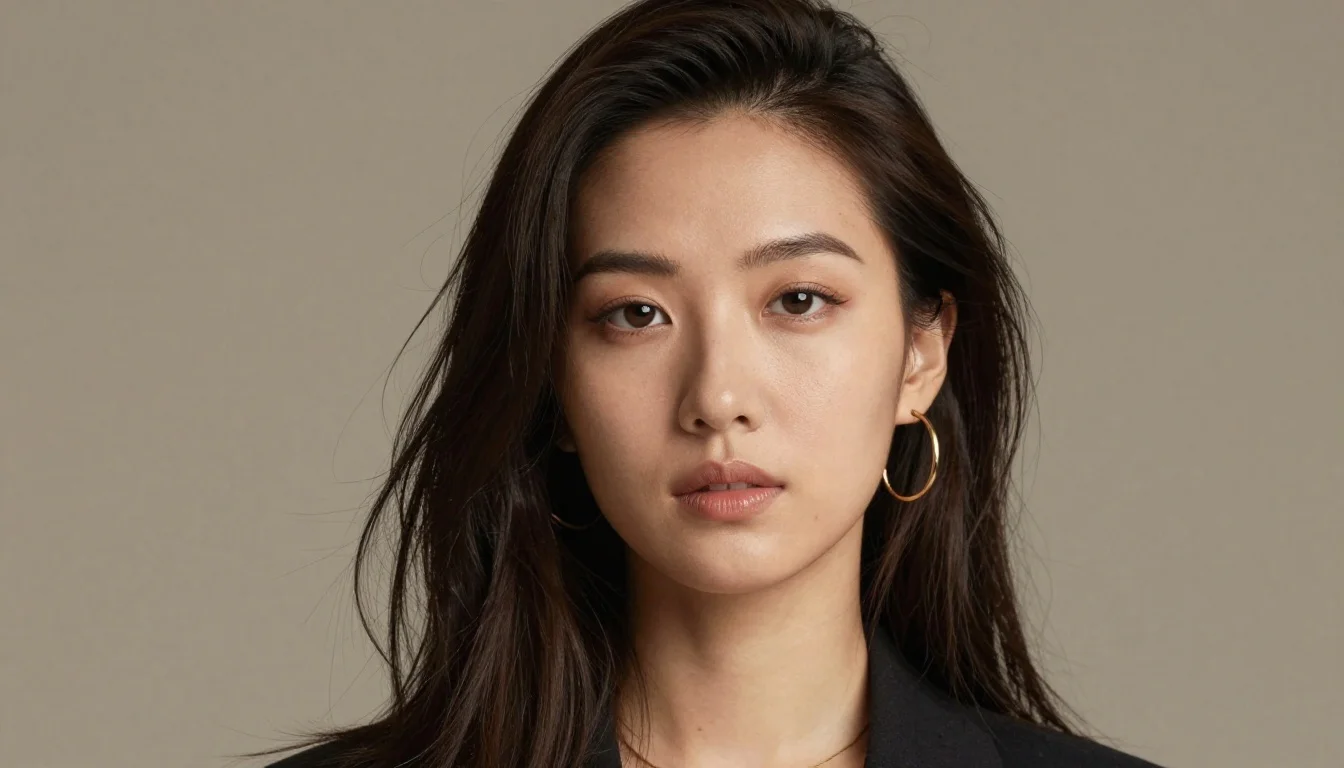
What color is associated with creativity?
Purple and violet have the strongest documented association with creativity and imagination across cultures. Blue (particularly blue-violet) is associated with open-sky freedom and has been shown to enhance creative thinking in research environments. Teal and unexpected color combinations also signal creative thinking by demonstrating willingness to operate outside conventions.
Creative-Signal Colors for Every Complexion
Deep Purple and Violet (Cool Undertones)
Purple has the longest documented association with creativity, imagination, and unconventional thinking — historically reserved for royalty and artists. For cool-undertoned people, the cool-violet family creates natural harmony with blue-pink or neutral cool skin. Deep amethyst and rich violet project creative confidence without veering into eccentric. Plum adds depth and artistry. This color family is the most direct creativity signal in the spectrum for cool complexions.
Unexpected Warm Pops (Warm and Olive Undertones)
For warm and olive complexions, the creativity signal comes from the unexpectedness of rich, saturated warm colors worn with genuine confidence. Terracotta and burnt sienna are warm tones that read as artistically considered — they're in the same visual vocabulary as earth pigments and painter's palettes. Saffron and rust worn intentionally signal a palette-consciousness that reads as creative. These colors harmonize naturally with golden and olive undertones.
Teal and Unexpected Blue-Green
The blue-green family is associated with creativity through its rare, unexpected quality — teal sits at an unexpected intersection of two primaries, which itself signals non-conventional thinking. For olive skin, teal creates immediate harmony through shared green undertones. For cool complexions, peacock blue provides vivid creative impact. Cerulean has a long association with artistic and creative environments. Jade reads as considered and original across complexion types.
Color Combination as a Creative Signal (Any Coloring)
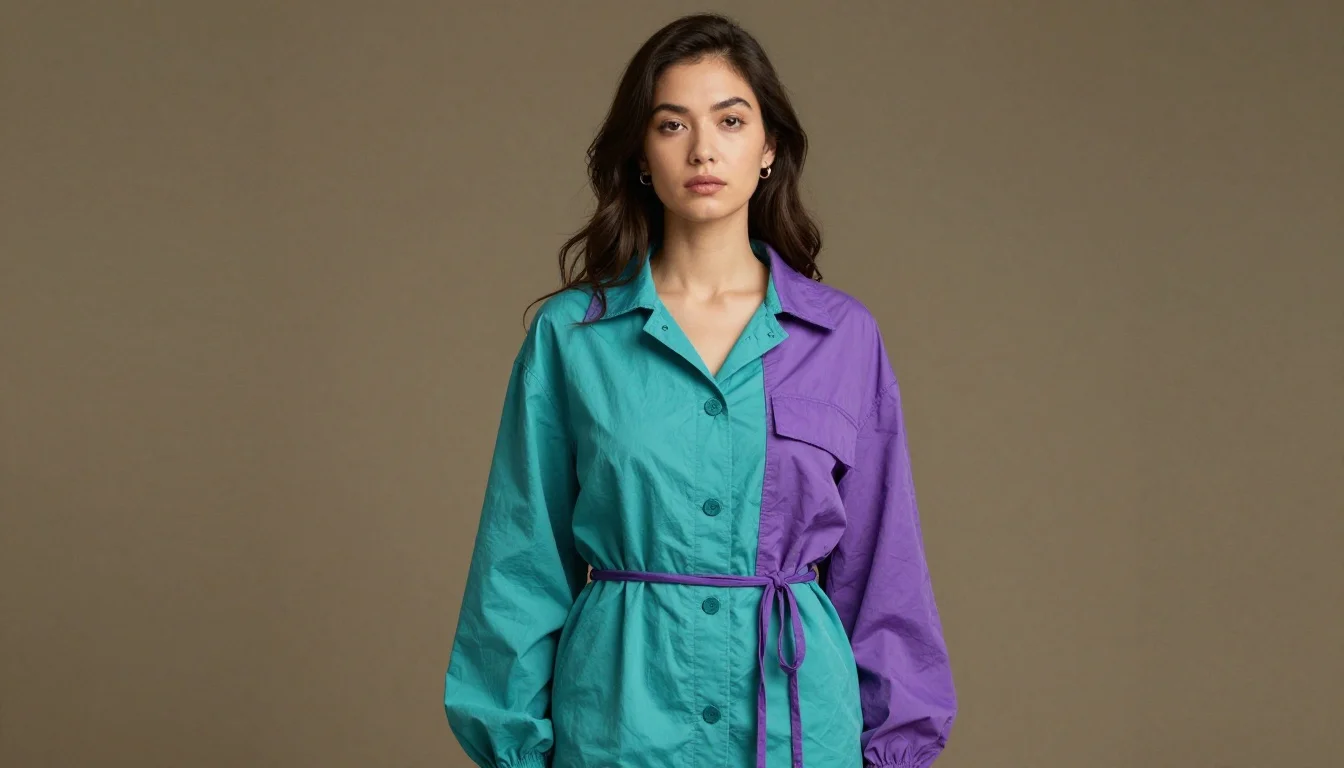
Sometimes the creativity signal isn't a single color but how colors are combined. A considered color block in two unexpected tones, a print layered with a coordinating unexpected solid, or a single striking accessory in an unconventional shade — all of these communicate creative intelligence. The key is that the combination looks chosen rather than accidental. Deliberate creative risk reads very differently from accidental mismatch.

Not sure yet? See it on your face
Start my color analysisBuilding a Creatively-Coded Wardrobe
The one creative anchor
The most effective strategy for looking creative without looking chaotic is the "one creative anchor" rule: one element in your outfit makes the unexpected color or combination choice, and everything else supports it. A precise amethyst blazer over a white shirt and tailored trousers reads as deliberately creative. Three competing creative choices reads as overwhelming.
Creative industries and studios
In creative work environments, your color palette communicates your aesthetic sensibility. Lead with colors in your most flattering creative-signal family — amethyst and violet for cool complexions, teal and peacock for olive, warm earth tones for warm. Express your specific point of view through the particular shade and how you pair it. Originality within a considered palette reads more creatively than randomness.
Client presentations and pitches
In client-facing creative contexts, balance the creativity signal with competence: pair your creative color with a structured silhouette or polished fabric. A beautifully tailored deep violet blazer communicates both creative thinking and professional capability. A loose, colorful print layered with other prints may read as creative but undermine perceived competence.
Accessories as creative signals
If your main role doesn't permit creative dressing, accessories carry the creativity signal with less risk. An unexpected bag color, a precise jewelry choice, or a striking scarf in a creative-signal color communicate visual intelligence in contexts where your clothing needs to stay conservative. The signal still lands.
Colors That Flatten the Creative Signal
All-black or excessively monochromatic dark
All-black reads as stylish and protective but not inherently creative — it's the default of people who haven't engaged with color, not the choice of someone with a developed color point of view. If creative signaling matters to you, all-black needs a creative element: an unexpected texture, a bold accessory, or one precise color accent. The creative signal requires visible color choice.
Safe, predictable corporate neutrals head to toe
Khaki, beige, grey, and navy worn together with no creative element communicate conformity and risk-aversion — the opposite of creative associations. These colors aren't uncreative in isolation (many minimalist creative aesthetics work in neutrals), but the signal depends on how deliberately they're deployed. Predictable neutral combinations without any considered element read as playing safe.
Random or accidental-looking color combinations
There's a critical difference between intentionally unconventional color and accidentally mismatched color. The creativity signal depends on the combination reading as deliberate. Chaotic combinations that look like they weren't thought about communicate disorganization rather than creative thinking. The rule: one creative choice, clearly made, is more effective than many competing creative choices.
Stop guessing — discover your exact palette
See myself in my colorsSwaps That Signal Imagination
Trading safe predictability for considered creative choices.
Outerwear is the first color impression. An unexpected coat color is the most visible single creative signal you can make — it communicates a developed color point of view.
A precisely chosen, well-fitting blazer in a creative-signal color reads as sophisticated and original simultaneously. The tailoring keeps it professional; the color makes the creative statement.
The garment nearest your face is your highest-impact creative signal. An unexpected color here — one that works beautifully with your skin tone — reads as deliberately creative.
When the overall outfit needs to stay conservative, an unexpected bag color carries the creative signal. It shows a color point of view without requiring a bold outfit.
The most legible creative signal is often a deliberate, specific unexpected color choice in an otherwise simple outfit. The jeans ground it; the top makes the creative statement.
Evening is when creative color signals land most powerfully. A deep emerald, vivid cobalt, or rich plum in silk or satin communicates both sophistication and a strong visual point of view.
Creative Colors by Season
The colors that signal creativity most effectively are the ones that also harmonize with your natural coloring. Here's how the seasonal palettes translate creative signals.
Cool Winter / Deep Winter
Learn moreYour most creative-signal colors are the vivid jewel tones: electric violet, vivid cobalt, emerald, deep plum. Your high-contrast coloring can carry these intense creative colors without being overwhelmed. The vividness of cool winter colors is itself a creative statement.
Soft Autumn / Warm Autumn
Learn moreYour creative palette is the rich earth tones: rust, burnt sienna, deep terracotta, warm olive, and saffron. These colors in your natural harmony are creative because they're unexpected in professional contexts and richly artistic in association.
Light Spring / Bright Spring
Learn moreYour creative colors are the clear, vivid pops: warm coral, clear turquoise, bright yellow-green, vivid peach. The creativity signal for your palette is unexpected warmth and vibrancy rather than deep jewel tones.
Find Your Creative Color Palette
Looking creatively confident requires knowing which colors in the creative-signal range actually harmonize with your natural coloring — and which ones fight it. When you wear a creative color that also makes your skin glow and your eyes vivid, the result is genuine visual confidence. A personalized color analysis identifies your exact creative palette: the specific purples, teals, or earth tones that work for your undertone, contrast level, and coloring type.
Stop guessing — preview every color on you
Preview Yourself In Your Palette
Get my personalized analysisStop guessing — preview every color on you
Preview Yourself In Your Palette

Related Guides for Colors That Make You Look Creative
Explore more personalized color advice based on your features.
Want to see these colors on you? What Colors Look Good on Me — free to try.
Frequently Asked Questions About Colors That Make You Look Creative
What color is associated with creativity?
Purple and violet have the strongest documented association with creativity and imagination across cultures. Blue (particularly blue-violet) is associated with open-sky freedom and has been shown to enhance creative thinking in research environments. Teal and unexpected color combinations also signal creative thinking by demonstrating willingness to operate outside conventions.
Does wearing creative colors actually make you look more creative?
Yes — both to others and potentially to yourself. People wearing unexpected or considered color combinations are perceived as more creative and original. Blue and purple tones are also associated with more expansive thinking in the wearer. The perception effect is well-established; the internal effect is more subtle.
How do I look creative without looking chaotic?
One deliberate creative choice per outfit. A precise unexpected color in a structured silhouette, or a considered color combination that clearly came from a point of view. The creativity signal depends on the choice reading as intentional. Multiple competing creative choices read as disorganized rather than creatively thinking.
Can introverts or more conservative dressers signal creativity?
Yes — through accessories and precise color choices rather than bold full-outfit statements. A bag in a carefully chosen unexpected color, a scarf in a creative-signal shade, or a single jewelry piece in an unconventional material all carry the creativity signal with less exposure. Consistent, considered creative choices in contained areas communicate a visual point of view as effectively as full creative outfits.
What if I work in a conservative industry but want to signal creativity?
Balance is the answer: one creative element paired with everything else that reads as professional. A deep violet pocket square with a grey suit, a peacock blue silk tie with navy, or an unexpected bag color with a conventional outfit — these communicate creative thinking without undermining professional credibility.
Are there creativity colors for warm undertones?
Absolutely. For warm undertones, the creativity signal comes from rich, saturated earth tones — burnt sienna, saffron, rust, terracotta — worn with intention. These are associated with artisan craft and artistic traditions. Warm teal and warm-leaning violet also work well. The creativity signal isn't exclusively in the cool-purple zone.