Colors That Make You LookCalm
Calm is a presence, not just a feeling. Discover the colors that project composure, groundedness. Discover which shades flatter you most — and which to skip.
Calm communicates competence. People who project serenity are perceived as more in control, more trustworthy, and more capable of handling pressure than those whose energy reads as activated or reactive. Color is one of the primary channels through which calm or agitation is communicated visually — and the colors that project genuine serenity are those that both carry calm associations and harmonize with your natural complexion.


3,000+
happy clients
The Neuroscience of Calm Colors
Calm communicates competence. People who project serenity are perceived as more in control, more trustworthy, and more capable of handling pressure than those whose energy reads as activated or reactive. Color is one of the primary channels through which calm or agitation is communicated visually — and the colors that project genuine serenity are those that both carry calm associations and harmonize with your natural complexion.
Certain colors genuinely lower physiological arousal — heart rate, galvanic skin response, and cortisol production. Blue wavelengths activate the parasympathetic nervous system, producing the "rest and digest" state rather than the "fight or flight" activation triggered by red. Green wavelengths produce similar calming effects, partly through evolutionary associations with safe environments. These aren't cultural associations — they're neurological responses.
Research in environmental psychology demonstrates that exposure to blue and green tones reduces perceived stress levels, lowers blood pressure in clinical settings, and increases ratings of "feeling safe and settled" in interpersonal research. These same effects operate when colors are worn: the viewer's nervous system response to a calm color is partly transferred to their perception of the person wearing it.
The personal coloring dimension is essential: a muted sage green that reads as utterly serene on olive or warm skin can look draining on very pale cool skin. The calm signal requires that the color also harmonize with your complexion — otherwise it reads as off or uncomfortable rather than settled and composed.

What colors make you look calm?
Muted blues (powder, slate, periwinkle), soft greens (sage, moss, olive), and gentle neutrals (dove grey, warm cream, dusty rose) consistently score highest for calm associations in color psychology research. The muted quality is important — saturated versions of the same colors can be activating rather than calming.
Calm-Signal Colors for Every Complexion
Soft Blues and Muted Slate (Cool Undertones)
For cool-undertoned complexions, soft blue and muted slate harmonize naturally with blue-pink or neutral cool skin. The combination creates a serene, composed impression — the color isn't fighting the complexion, and the calm association of blue reinforces the composed quality. Powder blue has one of the strongest calm associations of any color in research. Muted slate is slightly more authoritative. Dove grey reads as settled and neutral without any color temperature conflict.
Warm Sage and Muted Olive Green (Warm and Olive Undertones)
For warm and olive complexions, the most calming colors are in the green-grey register. Sage green and warm olive have documented calming properties — they share the neurological green-calm association while harmonizing with golden or green-brown undertones rather than creating a cool-warm conflict. Soft moss and warm grey-green work similarly. These colors on warm and olive complexions create a quietly grounded, composed impression that reads as settled and unflappable.
Muted Rose and Blush (Light and Neutral Undertones)
Muted pink and rose tones read as calm through their gentleness — they have warmth without activation, softness without weakness. Dusty rose and muted mauve score high for "soothing" and "gentle" associations in color psychology research. For light and neutral undertones, these tones harmonize naturally with fair or neutral skin to create a serene, gentle composure. Warm cream is the most universally calm neutral — it's the color of rest and ease.
Cool Greige and Warm Dove Neutrals (Any Undertone)
Muted neutral tones in the grey-beige spectrum read as grounded and calm across a wide range of complexion types. The key is choosing the version with the right temperature — cool greige for cool undertones, warm dove or taupe for warm ones. These neutrals communicate a settled, understated presence that reads as composure. Nothing is competing for attention; everything is in harmony. That visual quiet is the calm signal.

Not sure yet? See it on your face
Start my color analysisDressing for Composed Authority
High-pressure professional situations
In negotiations, difficult conversations, or leadership moments where projecting composure matters, soft blue, warm sage, or muted greige are your most effective colors. Avoid the temptation to "power dress" in strong, activating colors — calm reads as control and confidence just as powerfully as red, and without the aggression signal. A muted slate blazer over a soft shirt reads as settled authority.
Healthcare, counseling, and support roles
There's documented research on color and patient outcomes: soft blues and warm sage greens consistently lower patient anxiety scores in healthcare settings. If your work involves supporting others emotionally, calm colors aren't just your best personal choice — they actively help the people you're with. Lead with your calmest harmonious color near your face.
Meditation, retreat, and wellness contexts
The calm color signal works on the wearer too. Wearing muted blues, greens, and soft neutrals actually activates the parasympathetic nervous system — the research on this is consistent. If you want to feel calmer in addition to looking calmer, color is a genuine tool. The most effective calm colors for internal effect are muted blue-greens and soft sage in the natural tone register.
The calm anchor approach
If your wardrobe has a lot of vivid or activating colors, introduce one calm anchor: a muted blue blazer, a soft sage green knit, a dove grey layer. This single calm piece near your face shifts the entire impression toward composed and settled. The calm color acts as a visual resting point in an outfit that might otherwise read as activated.
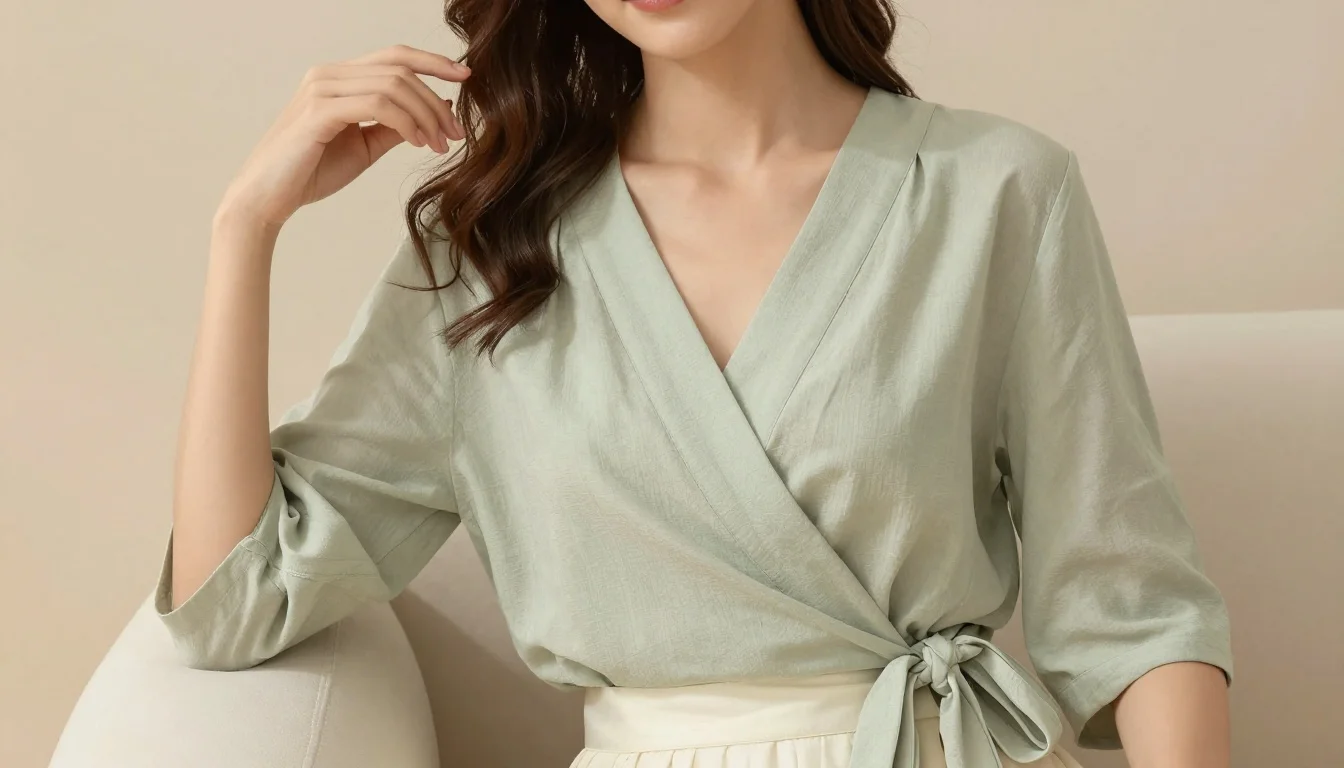
Colors That Signal Agitation or Stress
Vivid reds and orange-reds
Red wavelengths are among the most physiologically activating — they raise heart rate and signal alertness and urgency. Even when you feel calm, vivid red reads as activated to the nervous systems of everyone around you. In contexts where projecting composure matters (leadership, high-pressure environments, negotiations), red works against the calm impression.
Neon or very high-saturation colors of any hue
Maximum saturation in any color creates visual activation — it demands attention and stimulates rather than calms. Calm colors are never neon. Even blue or green at neon saturation read as stimulating rather than serene. The calm signal requires muted, softened, or natural versions of the calm-associated hues.
Busy, high-contrast, competing patterns
Visual complexity reads as mental complexity — a busy pattern in competing colors creates the visual equivalent of noise, which is the opposite of calm. The most calming outfits are visually simple: limited color palette, minimal pattern, or subtle tonal texture. Each additional visual element adds activation; calm dressing requires subtraction.
Stop guessing — discover your exact palette
See myself in my colorsSwaps That Project Composure
Trading activating colors for ones that signal settled, grounded authority.
Red signals activation and urgency; muted cool blues and greens signal calm authority. The authority is the same; the composure impression is very different.
Saturation is the primary activating agent. The soft or muted version of almost any color reads as calmer than its vivid equivalent.
Knitwear in calm tones reads as naturally settled and composed — the texture adds warmth while the color stays in the calm register.
Pattern visual complexity adds activation. A subtle tonal stripe or texture in calm tones maintains visual interest without the agitation signal of bold contrasting patterns.
Visual contrast is itself activating. A tonal outfit in calm tones reads as composed and settled — visually quiet in a way that reads as psychological quiet.
Accessories that carry activating colors undermine a calm overall impression. Muted or natural-toned accessories complete the composed look without introducing visual noise.
Calm Colors by Season
Each seasonal palette has calm colors — the muted, soft, or gentle tones that harmonize with natural coloring while projecting serenity.
Cool Summer / Soft Summer
Learn moreYour calm colors are your most naturally expressive register: dusty rose, powder blue, soft lavender, muted teal, and quiet grey. Your palette is inherently calm — soft and muted is your most flattering territory. Leaning into it projects profound composure.
Soft Autumn / Warm Autumn
Learn moreYour calm colors are the muted earth tones: warm sage, soft terracotta, muted olive, dusty warm rose, and warm grey-brown. Calm in your palette is earthy and grounded rather than cool and quiet — deeply settled and unhurried.
Light Spring / Light Summer
Learn moreYour calm colors are the clear but gentle ones: soft aqua, pale warm yellow, gentle mint, and clear pearl. Calm for your palette is light and breezy rather than muted and deep — serene through airiness rather than settledness.
Discover Your Most Calming Colors
Projecting calm requires colors that carry peace associations AND harmonize with your natural coloring — because a color that fights your complexion reads as uncomfortable rather than settled. A personalized color analysis identifies your specific calm palette: the exact blues, greens, and muted tones that make you look most composed and serene.
Stop guessing — preview every color on you
Preview Yourself In Your Palette
Get my personalized analysisStop guessing — preview every color on you
Preview Yourself In Your Palette

Related Guides for Colors That Make You Look Calm
Explore more personalized color advice based on your features.
Want to see these colors on you? What Colors Look Good on Me — free to try.
Frequently Asked Questions About Colors That Make You Look Calm
What colors make you look calm?
Muted blues (powder, slate, periwinkle), soft greens (sage, moss, olive), and gentle neutrals (dove grey, warm cream, dusty rose) consistently score highest for calm associations in color psychology research. The muted quality is important — saturated versions of the same colors can be activating rather than calming.
Why does blue make you look calm?
Blue wavelengths activate the parasympathetic nervous system — the "rest and digest" response that lowers heart rate, blood pressure, and cortisol. This is a genuine physiological effect, not just a cultural association. The calming effect is strongest with medium-to-cool blues in muted rather than vivid saturation.
Can dark colors project calm?
Yes — deep, muted darks like charcoal, deep navy, and warm dark green project a grounded, settled calm. They communicate composed authority rather than agitation. The calmest darks are muted versions without vivid brightness. Deep charcoal is deeply calm; vivid hot pink at depth is not. The muting is the calm signal, not the darkness alone.
What should I wear to look calm in a stressful meeting?
Muted slate blue, soft sage green, or a calm neutral in your undertone — close to your face in a structured, quality garment. Avoid high-contrast combinations, vivid colors, and busy patterns. Visual simplicity and a calm color at neckline level are the two most effective choices for projecting composure under pressure.
Do calm colors affect how you feel, not just how you look?
Yes. Research shows that wearing blue and green tones activates the same physiological calming responses as being in blue or green environments. The effect is more subtle when wearing rather than surrounded by a color, but it's documented. Dressing in your calm palette in a stressful week is a legitimate self-regulation strategy, not just a style choice.
Is white a calm color?
White reads as clean and clear rather than specifically calm — it can be activating through its starkness, especially in contrast contexts. Warm ivory and cream read as calmer than stark white because the warmth reduces the high-contrast edge. The calmest version of white is always the warm, soft version rather than the bright, stark one.