Trait
Overall effect
- Warm Spring
- Clear, fresh, sunlit
- Warm Autumn
- Rich, earthy, grounded
Both Spring and Autumn are warm-toned seasons. Discover how to find your perfect shade — and skip the ones that wash you out.
You already know you have warm undertones — cream won over white, gold works better than silver. But within the warm half of the color wheel there are two very different seasons: Spring, with its clear, bright, light-to-medium warmth; and Autumn, with its rich, muted, deep warmth. The colors that look amazing on a Spring can look flat and washed-out on an Autumn — and vice versa. Here's how to tell which warm family is yours.


3,000+
happy clients
You are more likely a Spring if warm peach, clear coral, golden yellow, and light camel make you look brighter. You are more likely an Autumn if terracotta, olive, mustard, and chocolate look richer and more balanced. Both seasons are warm; Spring is clearer and usually lighter, while Autumn is more muted and usually deeper.
You already know you have warm undertones — cream won over white, gold works better than silver. But within the warm half of the color wheel there are two very different seasons: Spring, with its clear, bright, light-to-medium warmth; and Autumn, with its rich, muted, deep warmth. The colors that look amazing on a Spring can look flat and washed-out on an Autumn — and vice versa. Here's how to tell which warm family is yours.
Spring and Autumn share one thing: warm undertones. That's where the similarity ends. Spring coloring is characterized by clarity and brightness — colors are warm but vivid, like a warm sunny day. Autumn coloring is characterized by richness and depth — colors are warm but muted and earthy, like a forest in October. The same coral that lights up a Spring can look harsh and too vivid on an Autumn. The same deep bronze that's perfect for an Autumn will look heavy and dull on a Spring.
The key differences come down to two additional axes: depth (how dark is your overall coloring?) and clarity (do you need vivid, clear colors, or do softer, earthier ones work better?). Spring leans lighter and clearer. Autumn leans deeper and more muted.
Getting this distinction right matters enormously because both seasons have access to warm earthy hues — but they need very different versions of them. A Spring needs warm peach, not burnt sienna. An Autumn needs terracotta, not salmon. Precision here is what separates 'looks pretty good' from 'looks genuinely stunning.'
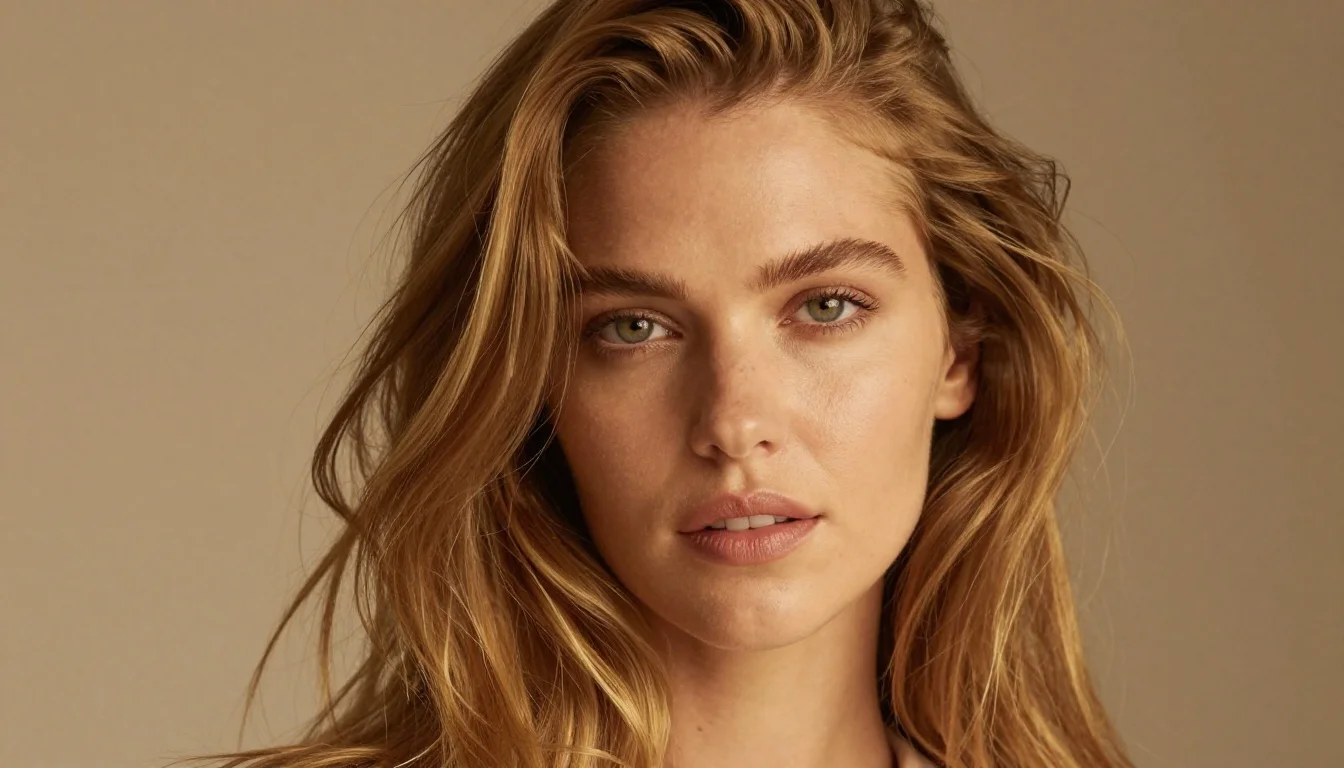
Spring colors are warm but never heavy. They have a clear, fresh quality — think sunlight filtered through spring leaves, not deep autumn shadows. The best Spring colors feel vibrant and warm simultaneously: peach rather than terracotta, warm coral rather than burnt orange, golden yellow rather than deep mustard, camel rather than dark brown. Springs can handle brighter yellows and greens than Autumns can without looking overdone.
Autumn colors are warm and rich, with an earthiness that comes from being slightly muted — never pure, never sharp. The best Autumn colors feel like the natural world in fall: deep olive, terracotta, burnt orange, rich chocolate, warm burgundy, forest green. These colors have depth and complexity that would overwhelm a Spring's lighter coloring but perfectly match an Autumn's deeper, richer natural signature.
Both seasons can wear medium-warm neutrals and middle-ground hues — medium camel, warm tan, peachy coral shades that aren't too bright or too deep. If you find yourself comfortable in these in-between shades but unsure which extreme feels right, try going lighter and more vivid (toward Spring) versus deeper and earthier (toward Autumn) to see which direction makes your skin look clearer and your eyes more vibrant.
The clearest difference between Spring and Autumn shows up in their neutrals. Springs look best in lighter, clearer warm neutrals: warm ivory, light camel, clear off-white. Autumns look best in deeper, earthier warm neutrals: rich cream, warm oatmeal, chocolate brown, deep camel. If stark ivory looks slightly harsh but medium chocolate brown looks grounding, you're leaning Autumn. If chocolate brown feels heavy but warm ivory looks luminous, you're leaning Spring.
Warm Spring and Warm Autumn share golden undertones, so compare clarity and depth rather than warmth alone.
Trait
Trait
Trait
Trait
Trait
Trait
| Trait | Warm Spring | Warm Autumn |
|---|---|---|
| Overall effect | Clear, fresh, sunlit | Rich, earthy, grounded |
| Depth | Light to medium | Medium to deep |
| Chroma | Bright and clear | Muted and complex |
| Best colors | Peach, clear coral, warm turquoise, golden yellow | Terracotta, olive, mustard, rust |
| Best neutrals | Warm ivory, light camel, clear tan | Oatmeal, deep camel, chocolate |
| Usually overwhelming | Very dark olive, heavy brown, muddy rust | Neon coral, sharp yellow, very bright turquoise |
If the middle-ground shades work but both extremes feel wrong, compare Soft Autumn with Warm Spring before choosing a final palette.

Hold a light, warm, clear color near your face (warm peach, light golden yellow, clear warm ivory). Then try a deep, warm, muted version (terracotta, deep mustard, dark chocolate brown). Which set makes your skin look more even and luminous, and your eyes more vibrant? Light and clear winning = Spring direction. Deep and muted winning = Autumn direction.
Try a bright, clear warm coral near your face. Then try a dusty, earthy terracotta — same color family, different clarity. If the vivid coral looks fresh and alive and the terracotta looks flat, you're Spring. If the terracotta looks rich and harmonious and the vivid coral looks slightly garish, you're Autumn. This single test often resolves the Spring/Autumn question faster than anything else.
Spring coloring tends to be lighter overall — golden or honey-blonde hair, warm hazel or green eyes, lighter warm skin. Autumn coloring tends to be richer and deeper — auburn, chestnut, or deep brown hair; warm brown, hazel, or rich olive eyes; medium to deep warm skin. If your natural coloring has that 'rich autumn forest' quality, you're likely Autumn. If it reads as 'sunny and clear,' you're likely Spring.
Black is off-season for both Springs and Autumns, but the reaction is instructive. Springs in black often look washed out — the depth is simply too much for their clearer, lighter coloring. Autumns in black sometimes look okay (their depth can handle it better) but still look better in very deep warm browns or charcoals. If you look truly drained in black, that's a Spring signal. If you can tolerate it but deep chocolate is clearly better, that's Autumn.
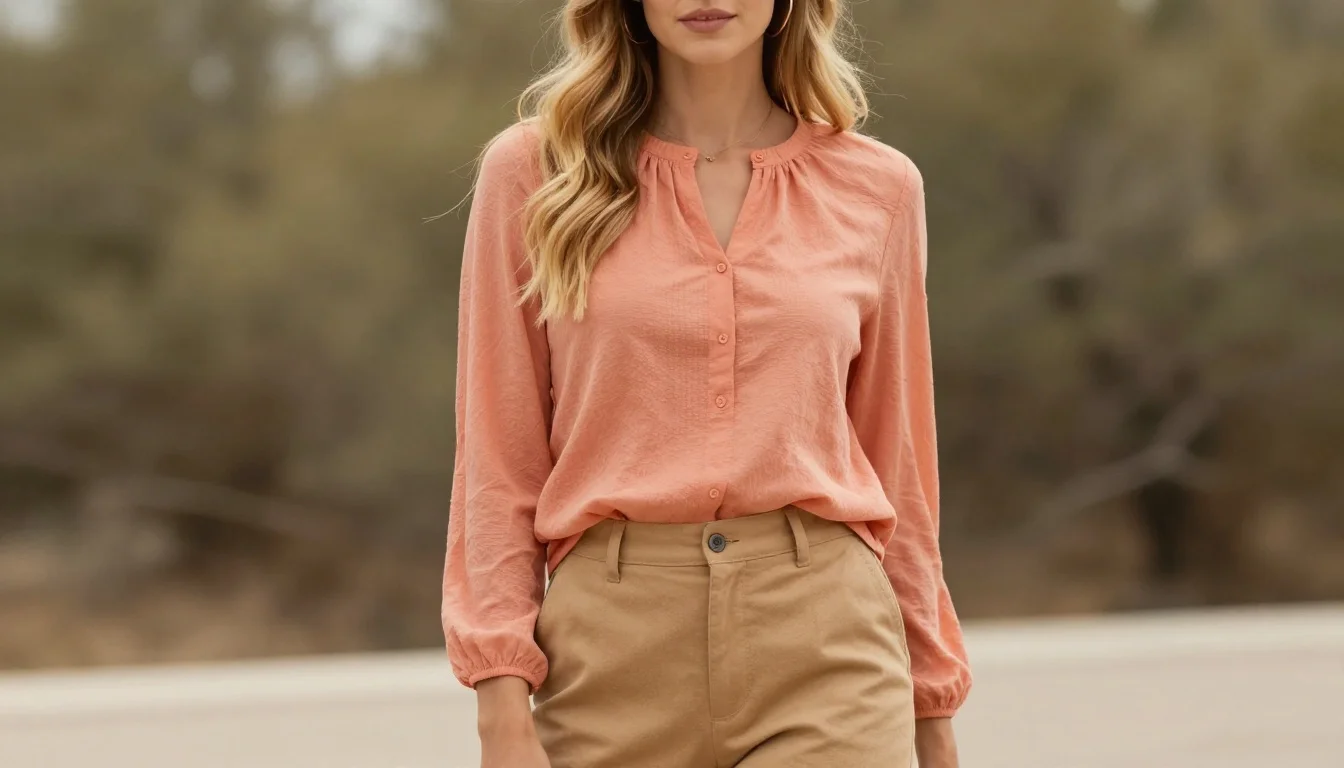
Both are warm, so the line is bright versus muted. Settle it with the free color analysis quiz and get your exact sub-season.
If vivid, clear warm colors like bright coral, clear golden yellow, or bright warm teal look slightly harsh or 'too much' against your face, you're likely Autumn. Autumn skin has richness that clashes with over-vivid colors — the muted, earthy quality of Autumn's palette harmonizes better with the depth in your natural coloring.
If deep terracotta, dark olive, or rich burnt orange makes you look tired or washed out rather than grounded and warm, you're likely Spring. Spring coloring is lighter and clearer — heavy, earthy, dark tones overwhelm it. You need the warm-clear version of earthy hues, not the warm-deep one.
Camel, tan, rust, terracotta, burnt orange, warm brown — all earthy, all warm. But a Spring's camel is lighter and clearer than an Autumn's; a Spring's 'rust' is more orange-coral while an Autumn's is more burnt and muted. Don't assume that because you're warm-toned any warm color works. Test the specific shade, not just the color family.
Same color family, different version — one for Spring, one for Autumn.
The brightness of the neutral matters. Springs do better in lighter, crisper warm neutrals. Autumns do better in deeper, earthier ones. Generic beige often sits between the two and serves neither well.
Burnt orange sits in no-man's land — too dark for most Springs, too vivid for many Autumns. Springs need a clearer, lighter warm orange. Autumns need a muted, earthier version.
Spring greens should be lighter and warmer, with a clear or slightly yellow quality. Autumn greens should be deeper and earthier — true olive, forest, or warm khaki.
Both seasons wear brown, but the depth is everything. Light camel reads fresh and warm on a Spring. Rich chocolate or dark warm brown has the depth that Autumn coloring requires.
Springs wear a brighter, clearer gold. Autumns wear a deeper, slightly more muted antique or bronze gold. Both are warm but at opposite ends of the depth scale.
Pale yellow is slightly too cool and washed for most Springs; too light and clear for Autumns. Springs need warm, clear golden yellow. Autumns need deeper, more muted mustard or golden-ochre.
Within Spring and Autumn there are sub-seasons. Your exact fit depends on your specific depth and how vivid your coloring is.
If you have lighter, more delicate warm coloring — golden or honey-blonde hair, warm hazel eyes, lighter warm skin — you likely fit Light Spring or Warm Spring. Light Spring has the most delicate warmth. Warm Spring is the 'classic' warm Spring with clear, medium-depth warmth.
If you have medium-to-rich warm coloring — chestnut or auburn hair, warm brown or hazel eyes, golden or olive skin — you likely fit Warm Autumn or Soft Autumn. Warm Autumn is the classic rich warm season. Soft Autumn is more muted and sits near the warm-neutral boundary.
Very deep, dark, rich warm coloring (deep brown hair, dark brown eyes, deeper warm skin) points toward Deep Autumn. High-contrast vivid warm coloring (striking eye-skin contrast with vivid warm features) points toward Bright Spring. Both are the more extreme versions of their respective warm seasons.
Both Spring and Autumn are warm — but the specific palette within your season is where the real magic happens. Not all warm corals are Spring corals; not all warm greens are Autumn greens. A personalized color analysis identifies your precise sub-season and the exact shades within it, giving you a curated palette that works every time you open your wardrobe.
Preview Yourself In Your Palette
Get my personalized analysisPreview Yourself In Your Palette

Explore more personalized color advice based on your features.
Want to see these colors on you? What Colors Look Good on Me — free to try.
Both are warm-undertoned, but Spring colors are clear and light-to-medium in depth — fresh, warm, and vivid. Autumn colors are muted and medium-to-deep — rich, earthy, and complex. Springs wear warm peach, clear coral, and golden yellow. Autumns wear terracotta, burnt orange, deep olive, and chocolate brown.
You'll always have one season that's a stronger fit. However, some people sit close to the border between Warm Spring and Soft Autumn — a neutral-warm position where the overlap zone works well. If you find both very clear-warm and very deep-muted colors challenging, you may be in that transitional zone and do best with middle-ground warm hues.
Yes — black sits off-palette for both warm seasons because it's a cool, stark color with no warmth. Springs typically look most washed out in it. Autumns can tolerate it slightly better due to their depth, but deep warm chocolate brown or charcoal-brown is always more flattering. Both seasons do best with very deep warm navy or dark brown as their darkest neutral.
Warm Spring is the classic warm-clear Spring type with golden undertones and medium-warm clarity. Bright Spring is a high-contrast Spring where vivid, saturated warm colors are needed — colors that would be almost too vivid for a typical Warm Spring work perfectly on a Bright Spring. Bright Spring often sits close to Bright Winter.
Warm Autumn is the classic rich-muted warm season with strong earthy warmth — terracotta, deep olive, warm rust. Soft Autumn is more muted and sits closer to neutral undertones — the colors are still warm but softer, dustier, and more balanced. Soft Autumn people often test as borderline warm/neutral.
Both are warm seasons, but Spring is bright and light — clear coral, warm turquoise, golden yellow — while Autumn is deep and muted — rust, olive, mustard, terracotta. Spring colors sparkle; Autumn colors are earthy and rich.
True Spring is the warmest, brightest of the Springs — fresh and high-chroma. True Autumn is the warmest, richest of the Autumns — deep and muted. Same warmth, opposite brightness.