Olive depth
Light olive
- Best clothing colors
- Soft teal, berry rose, muted coral, eucalyptus
- Best neutrals
- Ivory, stone, soft navy
- Use carefully
- Very dark muddy brown
Build an olive-skin clothing palette by depth and undertone, with clear colors to wear and colors to avoid.
Olive skin combines a green or golden cast with warm, cool, or neutral tendencies. That is why one universal olive palette fails. The best colors balance your undertone and match your depth: light olive skin needs less visual weight, while medium and deep olive skin can carry richer saturation and contrast.


3,000+
happy clients
The best colors for olive skin are terracotta, burnt sienna, teal, aubergine, deep coral, forest green, navy, ivory, espresso, and bronze. These shades balance olive skin’s green-gold undertone with warmth or rich contrast. Mustard, neon colors, stark white, and cool chalky pink are more likely to make olive skin look sallow.
Olive skin combines a green or golden cast with warm, cool, or neutral tendencies. That is why one universal olive palette fails. The best colors balance your undertone and match your depth: light olive skin needs less visual weight, while medium and deep olive skin can carry richer saturation and contrast.
Olive skin has a unique green or yellow-green undertone sitting beneath the surface. It's neither purely warm nor purely cool — it's neutral-warm with that distinctive greenish cast. This is why standard 'warm or cool' advice often misses the mark for you.
That green undertone reacts differently to colors than golden or pink-based skin. Certain yellows and oranges amplify the green, making you look tired. But the right warm tones — like terracotta or burnt sienna — neutralize it and bring forward your natural warmth.
Many olive-skinned people get told they're 'warm-toned' and handed mustard yellow. That's a mistake. Your green undertone needs colors that balance it, not feed into it. The trick is warmth with depth, not warmth with brightness.
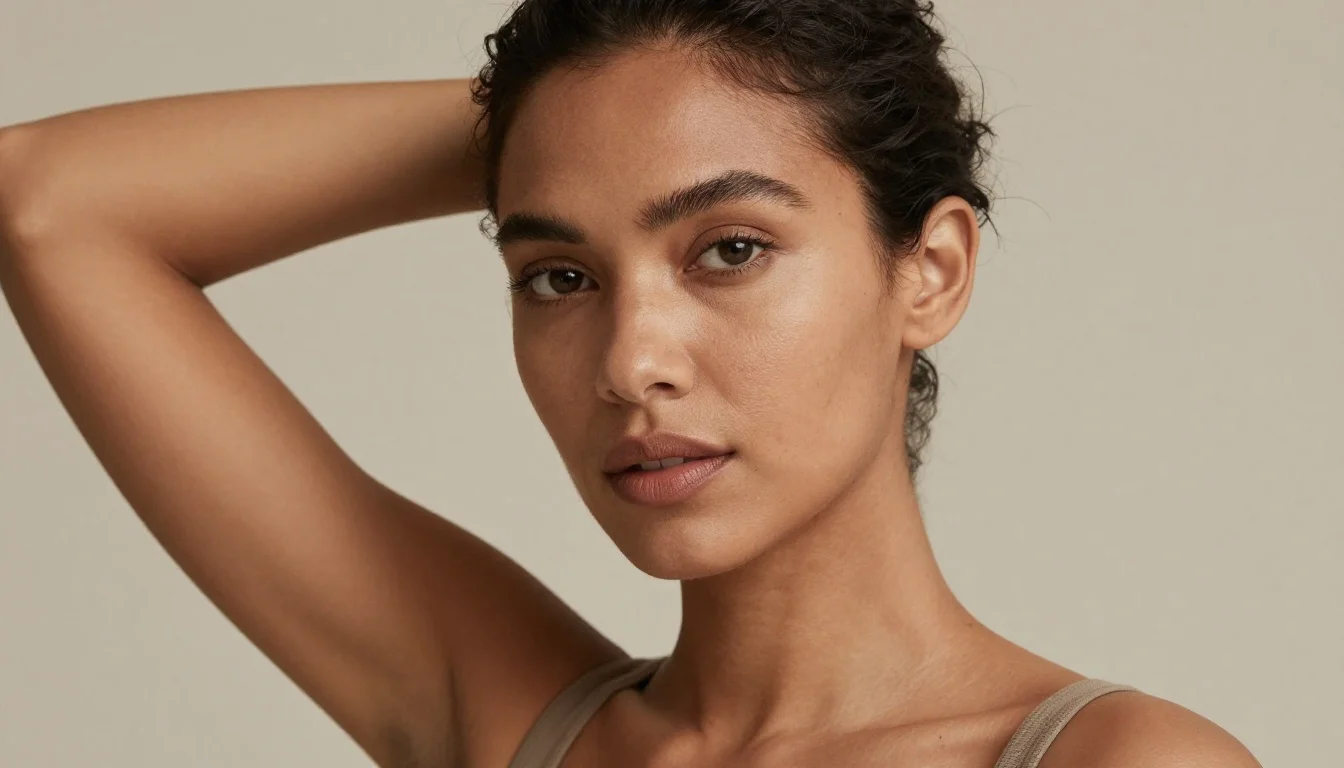
These are your foundation colors. Warm earths counteract the green in your skin by adding rich, reddish warmth. Terracotta in particular makes olive skin look sun-kissed. Burnt sienna brings out the golden quality in your complexion without pushing it yellow.
Saturated jewel tones give you the intensity your skin can handle. Teal plays off the green undertone in a complementary way rather than clashing. Aubergine adds depth without draining your color. Deep coral hits the sweet spot between pink and orange.
Standard neutrals can look dead on olive skin. Ivory works where white fails — it echoes your natural warmth. Espresso creates a seamless, rich look. Bronze metallic accessories catch light against your skin beautifully.
You'd think green would be risky with green-toned skin, but deep forest green actually creates a harmonious, monochromatic effect. Navy is your best dark neutral — it flatters universally across olive skin tones. Petrol blue adds intrigue without effort.
Use depth to set the visual weight, then shift each color slightly warmer or cooler based on how foundation and jewelry behave on your skin.
Olive depth
Olive depth
Olive depth
Olive depth
Olive depth
| Olive depth | Best clothing colors | Best neutrals | Use carefully |
|---|---|---|---|
| Light olive | Soft teal, berry rose, muted coral, eucalyptus | Ivory, stone, soft navy | Very dark muddy brown |
| Medium olive | Terracotta, teal, aubergine, forest green | Camel, espresso, warm navy | Mustard and chalky pink |
| Deep olive | Sapphire, magenta, rich teal, true red | Cream, chocolate, charcoal navy | Pale icy colors without contrast |
| Cool olive | Berry, blue-red, pine, plum | Cool taupe, charcoal, soft white | Orange camel and yellow-green |
| Warm olive | Coral, rust, petrol blue, warm teal | Ivory, cognac, chocolate | Icy lavender and blue-grey |
If foundation is always too pink or too yellow, treat olive as its own undertone rather than forcing yourself into a standard warm-or-cool palette.

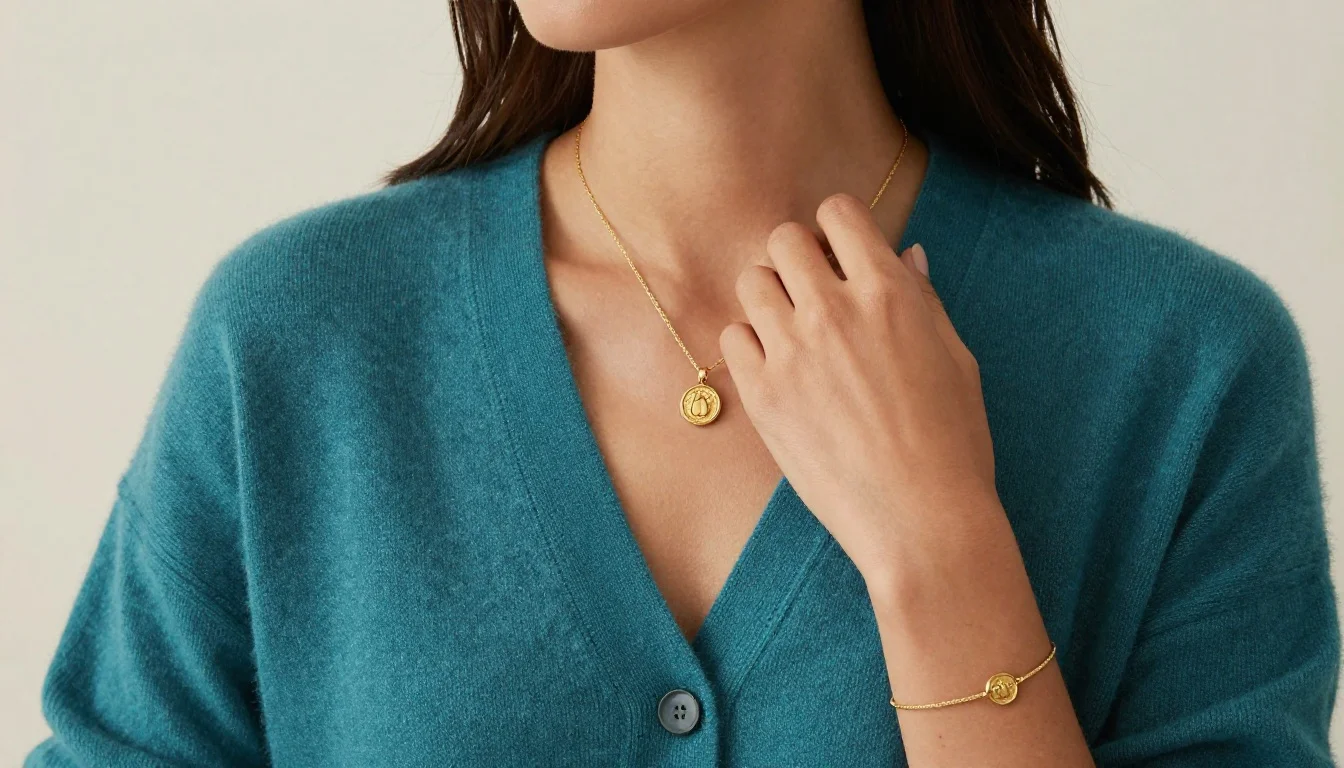
Keep your strongest colors near your face. A teal cashmere sweater or burnt sienna silk blouse does more for your complexion than any foundation. For casual days, an ivory linen tee with gold jewelry is effortlessly flattering.
Replace your standard black coat with a warm camel or chocolate-brown wool overcoat. For something bolder, a burgundy leather jacket or forest green trench works beautifully against olive skin year-round.
Warm bronze and copper on the eyes, always. For lips, choose warm berry shades — raspberry, warm plum, or terracotta-rose. Avoid cool-toned pink blush; peach or apricot blush brings natural warmth to your cheeks.
Gold is your metal. Rose gold works too. Silver can look disconnected on olive skin unless it's paired with cooler clothing. For scarves and bags, lean on burgundy, deep teal, and warm cognac.
Olive skin can sit in several seasonal families. Use the free color analysis quiz to combine undertone, depth, eyes, hair, and contrast.
Mustard amplifies the green-yellow undertone in olive skin instead of balancing it. It makes you look washed out and sallow. If you want warmth, reach for terracotta or cinnamon instead.
Bright white creates a harsh contrast that emphasizes any unevenness in olive skin. It can make you look grey-ish. Swap it for ivory, cream, or warm off-white.
Neon pink, electric blue, and highlighter green all overpower olive skin's natural subtlety. Your skin has a sophisticated warmth — neons fight against it and make your complexion look muddy.
Pale, blue-based pinks clash with olive undertones. They emphasize the green in your skin and create an unflattering contrast. Warm pink or dusty rose is a much better bet.
Small color shifts that make olive skin look healthy and luminous instead of washed-out.
Removes the harsh contrast that makes olive skin look grey and lets your natural warmth come through.
Deeper blues complement the green undertone rather than clashing with it. Same polished feel, better glow.
Yellow amplifies sallowness in olive skin. Warm reds and orangey-pinks neutralize it and bring out radiance.
Cool pinks fight olive undertones. Rich purples work with your skin's depth and look effortlessly elegant.
Cool grey can look lifeless on olive skin. Warm grey or olive tones create a cohesive, intentional palette.
Black drains warmth from olive skin. Deep brown and green maintain the cozy, rich feeling while flattering you.
Olive skin shows up across several seasonal palettes, but you're most likely in the autumn or winter family. Your specific match depends on your hair color, eye color, and how warm or cool your olive tone runs.
If your olive skin leans golden, your hair is medium-to-dark brown, and your eyes are warm brown or hazel, Warm Autumn is your likely home. You thrive in rich, warm, saturated earth tones.
If your coloring is intense — dark hair, dark eyes, and rich olive skin — Deep Autumn's bold, warm palette will feel right. Think deep reds, burnt oranges, and forest greens.
Some olive-skinned people run cooler than expected. If your olive tone has a grey or ashy quality, and you look best in jewel tones rather than earth tones, Deep Winter is worth exploring.
Olive skin is one of the most nuanced complexions to dress for — and that's actually a strength. Once you know your precise palette, shopping becomes effortless. A personalized color analysis takes your unique combination of skin, hair, and eyes into account to give you a palette that's unmistakably yours.
Preview Yourself In Your Palette
Get my personalized palettePreview Yourself In Your Palette

Explore more personalized color advice based on your features.
Want to see these colors on you? What Colors Look Good on Me — free to try.
Warm earth tones like terracotta and burnt sienna, jewel tones like teal and aubergine, and warm neutrals like ivory and espresso are the most universally flattering on olive skin. These shades balance the green undertone and bring out natural warmth.
Stark white can wash out olive skin and emphasize the green undertone. Ivory, cream, and warm off-white are much more flattering. They give you the same fresh, clean look without the harsh contrast.
Mustard yellow, neon shades, cool pastel pink, and bright white tend to clash with olive undertones. These colors either amplify sallowness or create an unflattering contrast against the green in your skin.
Olive skin is typically neutral-warm with a green or yellow-green undertone. It doesn't fit neatly into 'warm' or 'cool' categories, which is why standard undertone advice often misses. Most olive-skinned people look best in warm-leaning colors with depth and richness.
Bronze and copper eyeshadows, warm berry lip colors like raspberry and terracotta-rose, and peach or apricot blush work beautifully on olive skin. Avoid cool-toned pink products, which can clash with the green undertone.
Yes, but choose warm pastels with some saturation. Dusty rose, warm peach, and soft coral work well. Avoid cool, chalky pastels like baby pink or ice blue — they tend to make olive skin look dull.
The best color palette for olive skin tone centers on warm earth tones (terracotta, burnt sienna, cinnamon), rich jewel tones (teal, aubergine, deep coral), and warm neutrals (ivory, espresso, bronze). These shades balance olive skin's green-gold undertone instead of amplifying it, while deep forest green and navy round out a versatile, year-round olive skin palette.
For clothing, olive skin looks best in warm, saturated colors worn close to the face: teal, terracotta, burgundy, forest green, and ivory. Swap stark white for cream and black for espresso brown or deep navy. These clothing colors add warmth and depth to olive skin tones instead of washing them out.