Most Flattering Colors forBlack Hair
Black hair creates the deepest, highest-contrast coloring possible. Discover which shades complement your coloring — and which to avoid.
Black hair is one of nature's most striking features — deep, rich, and inherently high-contrast. The right colors make the most of its dramatic depth, framing your face beautifully and making your skin look luminous. The wrong ones can leave the overall appearance flat or create a dull, mismatched effect. Here's exactly how to dress for the maximum impact of black hair.


3,000+
happy clients
Why Black Hair Creates Unique Dressing Opportunities
Black hair is one of nature's most striking features — deep, rich, and inherently high-contrast. The right colors make the most of its dramatic depth, framing your face beautifully and making your skin look luminous. The wrong ones can leave the overall appearance flat or create a dull, mismatched effect. Here's exactly how to dress for the maximum impact of black hair.
Black hair creates a naturally high-contrast appearance — there's significant visual weight at the top of your face from the deep, saturated hair color. This means the coloring can handle bold, vivid colors and striking contrast that lighter hair colors sometimes struggle with. The depth of black hair becomes an anchor for strong, saturated hues.
Black hair itself comes in different undertone varieties: blue-black (with cool blue sheen), jet black (neutral), and warm black or very dark brown with warm undertones. Blue-black hair has a cool quality that works best with cool-toned colors. Warm-black and blue-black each have specific color needs — though many rules apply across both.
The most common dressing mistake with black hair is reaching reflexively for more black in clothing — a habit of matching the hair color with black garments. This creates a look with no contrast where the hair, skin, and clothing all blend together. The counterintuitive truth: black hair often looks most striking when contrasted with bold color rather than more black.
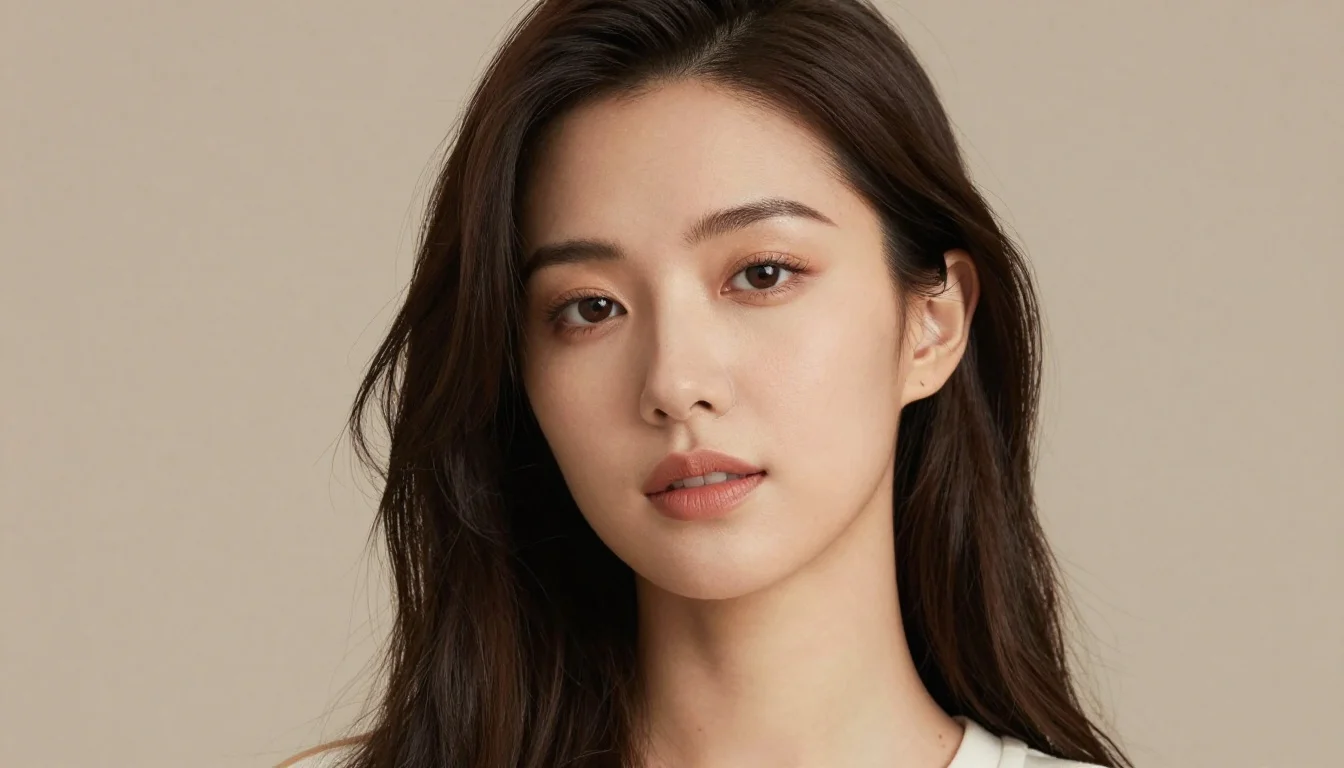
What colors look most flattering with black hair?
Vivid jewel tones (cobalt, emerald, violet), crisp white and bold brights, deep cool darks (navy, rich teal), and warm reds (crimson, berry, burgundy) are all highly flattering for black hair. The common thread is colors with genuine saturation, depth, or strong contrast — black hair's depth provides the anchor for bold, vivid choices.
Your Most Flattering Color Families
Vivid Jewel Tones
Vivid jewel tones are the most reliably spectacular color choice for black hair — the rich saturation contrasts beautifully with the depth of black, creating a look that's intentional, polished, and genuinely striking. Cobalt and sapphire create a vivid, cool contrast. Emerald adds richness and vibrancy. Deep violet creates a sophisticated, luxurious quality. These colors look effortless alongside black hair in a way that takes more work for lighter colorings to achieve.
Crisp White and Bold Brights
Maximum contrast colors — crisp white and bold, vivid brights — are some of the most flattering options for black hair because they create the highest-contrast visual effect. The jump from black hair to crisp white is one of fashion's most striking combinations. Clear, vivid red is equally powerful: the contrast between deep black hair and vivid red has been a classic for a reason. Bold brights in general work because black hair's depth provides a natural anchor for high-saturation colors.
Deep Cool Jewels and Rich Neutrals
Deep, cool neutral-darks are ideal for this combination because they provide depth without creating a clash and harmonize well with the cool undertone of most black hair (especially blue-black). Midnight navy is a consistently excellent choice — it provides near-black depth with a cool, elegant quality that complements black hair beautifully. Deep charcoal works similarly. Rich teal adds color while maintaining the cool, sophisticated tone.
Warm Reds and Berry Tones
Red in all its deep, rich forms has a natural power alongside black hair — the contrast is striking and the richness of deep reds complements the depth of black hair's color. Deep crimson and warm wine are particularly effective because they have enough depth to sit alongside black hair without being overwhelmed. Rich berry and vivid raspberry create a more contemporary vivid contrast. This is the color family that photographs most dramatically with black hair.

Ready to see cobalt & clear emerald on your face?
Start my color analysisHow to Dress Black Hair for Maximum Impact
The contrast principle
Black hair's greatest dressing asset is its ability to anchor contrast. Use it. A vivid jewel tone, crisp white, or bold bright against black hair creates one of the most visually striking combinations available. The simplest, most effective formula for black hair is: deep, bold, or vivid color near the face. A cobalt blue blouse, a vivid crimson sweater, or a crisp white shirt — all of these are effortlessly flattering combinations that require almost no other effort.
For cool/blue-black hair
If your black hair has a blue-cool sheen (blue-black), cool-toned jewels and colors are your strongest allies. Royal cobalt, vivid violet, cool fuchsia, emerald, and icy white all harmonize with the cool quality of blue-black hair while providing striking contrast. A sapphire or vivid violet top on blue-black hair is particularly beautiful — the cool resonance creates a luminous, elegant effect.
For warm-black or very dark brown
If your black hair has any warm undertone — very dark brown-black, or black with brown rather than blue highlights — warm jewels and rich warm tones are additionally available to you. Deep crimson, warm burgundy, forest green, and vivid amber all complement warm-black hair beautifully. You have access to both warm and cool options, giving you the widest color range of any hair type.
Evening and occasions
Black hair at an evening event in a deep jewel tone is one of the most striking looks in fashion. Vivid cobalt, deep violet, rich emerald — all of these look extraordinary in evening lighting against black hair. Bold red is a classic choice for a reason. Crisp white in structured evening silhouettes creates a timeless, high-contrast elegance. The only option to avoid for evening is wearing black on black — it loses the drama that black hair is capable of creating.
Colors That Underserve Black Hair
All-black from head to toe
The reflexive choice of all-black clothing with black hair creates a look with no contrast, no focal point, and no visual structure. The hair disappears into the outfit. A touch of black is fine — black trousers are always appropriate — but wearing all black near your face means your hair's depth has nothing to contrast against. Bold color or crisp white near the face is almost always more flattering.
Muddy brown and dark khaki
Muddy brown tones and dark khaki don't provide the clean contrast that black hair needs — they create a heavy, monochromatic dark effect without the elegance of deep, clean darks like charcoal or navy. The result is a look that reads as dark and heavy rather than striking. Rich cognac or warm terracotta (which have warmth and clarity) are completely different from dull muddy brown.
Dull mid-tone greys
Mid-tone grey — particularly cool, ashy mid-grey — creates a flat, low-contrast look with black hair. There's not enough contrast to look intentional and not enough depth to look rich. Deep charcoal has the depth to work. Light silver-grey can work as a cool contrast. The problematic zone is specifically mid-tone grey that sits in a visual no-man's land between contrast and tonal match.
Chalky, desaturated pastels
Very pale, washed-out pastels lack the visual energy to balance black hair's depth. The combination of deep black hair and a pale chalky pastel can look jarring rather than feminine or delicate — the contrast is too unbalanced. Clear, vivid pastels can work if they have genuine saturation. Chalky, desaturated versions don't.
Stop guessing — preview every shade on you
See myself in my colorsSwaps That Let Black Hair Make Its Statement
Trading the colors that neutralize black hair for ones that frame it beautifully.
Black-on-black creates no contrast. Jewel tones give black hair something beautiful to contrast against, making the hair itself more striking.
Mid-grey provides no contrast and looks heavy. Navy and violet have enough depth with the right color quality to complement black hair.
Muddy brown disappears against black hair with no definition. White creates maximum contrast; red creates vibrant drama.
Pale powder blue lacks saturation to balance black hair's depth. Rich sapphire has the vivid intensity to create a truly striking combination.
Dark khaki creates a heavy, muddy look. Rich teal and emerald have the color quality to complement black hair with vibrancy.
All-black coat blends with black hair, losing the hair's impact. Deep red and berry create a striking, intentional contrast.
Which Color Season Fits Black Hair?
Black hair spans several seasonal palettes depending entirely on skin undertone and overall contrast level. The hair color itself doesn't determine the season — the combination with your skin and eyes does.
Deep Winter
Learn moreIf you have black hair with cool or neutral-cool undertones in your skin, high contrast between hair and skin, and dark or vivid eyes, Deep Winter is the most common fit. Your palette is deep, cool, and vivid: royal cobalt, vivid emerald, crisp white, and deep burgundy. Maximum contrast and saturation.
Deep Autumn
Learn moreIf your black hair is warm-black or very dark brown-black, and your skin has warm, golden undertones, Deep Autumn may be your season. Your palette is warm, rich, and deep: forest green, dark terracotta, burgundy, and rich cognac. The warmest expression of deep, dark coloring.
Cool Winter
Learn moreIf your black hair is clearly cool or blue-black, your skin is fair to medium with cool undertones, and your overall contrast is high but not dramatically deep, Cool Winter may be your season. Your palette is cool and vivid but slightly lighter than Deep Winter: clear cobalt, vivid fuchsia, icy white, and sharp emerald.
Black Hair Is a Beautiful Asset — Dress It That Way
Black hair is one of the most dramatic and versatile natural colorings — its depth creates a foundation for some of the most striking color combinations in fashion. Your exact best colors depend on whether your black hair runs warm or cool, how much contrast it creates with your skin, and your eye color. A personalized color analysis identifies your exact seasonal palette so you always know how to make the most of your striking coloring.
Stop guessing — preview every color on you
Preview Yourself In Your Palette
Get my personalized paletteStop guessing — preview every color on you
Preview Yourself In Your Palette

Related Guides for Most Flattering Colors for Black Hair
Explore more personalized color advice based on your features.
Want to see these colors on you? Virtual Hair Color Try-On — free to try.
Frequently Asked Questions About Most Flattering Colors for Black Hair
What colors look most flattering with black hair?
Vivid jewel tones (cobalt, emerald, violet), crisp white and bold brights, deep cool darks (navy, rich teal), and warm reds (crimson, berry, burgundy) are all highly flattering for black hair. The common thread is colors with genuine saturation, depth, or strong contrast — black hair's depth provides the anchor for bold, vivid choices.
Should black hair avoid black clothing?
All-black from hair to outfit is worth avoiding near the face — it eliminates the visual contrast that makes black hair striking. Black trousers or skirts are always fine. The issue is black garments near the face where the hair color can't create any contrast. A touch of bold color or crisp white near the neckline creates the contrast that makes black hair look its most beautiful.
Is red a good color for black hair?
Yes — deep red in its rich forms (crimson, burgundy, wine, berry) is one of the most striking and flattering color combinations for black hair. The contrast between black hair and vivid red has been a fashion staple for good reason. The depth of black hair provides an anchor for red's vibrancy, creating a genuinely powerful visual effect.
What colors make black hair look even darker and more lustrous?
Colors that contrast strongly with black — crisp white, vivid jewel tones, and bold brights — actually make black hair appear more vivid and lustrous because they create a visual frame for the hair color. Contrast makes the darkness of black hair look more dramatic, not less. Colors that blend with it (all-black, dark grey) make it disappear.
What season is black hair?
Black hair is found across multiple seasons — Deep Winter (cool or neutral undertone, high contrast), Deep Autumn (warm undertone, warm skin), and Cool Winter (cool undertone, medium contrast). Your season is determined by your skin undertone and eye color, not just your hair color. A color analysis gives the definitive answer.