You Can Choose What YourHazel Eyes Look Like
Hazel eyes shift between green, gold, and brown depending on what you wear. Discover which shades flatter you most — and which to skip.
Hazel eyes are the only eye color with a built-in superpower: they change. Green one day, golden-brown the next — and you're controlling it. The colors you wear near your face directly influence which register of your hazel shows up. This is your guide to using that to your advantage.


3,000+
happy clients
Why Hazel Eyes Are Unlike Any Other Color
Hazel eyes are the only eye color with a built-in superpower: they change. Green one day, golden-brown the next — and you're controlling it. The colors you wear near your face directly influence which register of your hazel shows up. This is your guide to using that to your advantage.
Hazel isn't a single color — it's a combination of green, amber, and brown pigments in the iris, often arranged in rings or scattered flecks. What makes hazel remarkable is how reactive it is. The colors surrounding your eye change which pigments are visually dominant. Wear a deep purple blouse and your hazel reads intensely green. Wear a warm terracotta top and the gold-amber emerges. This isn't optical illusion — it's genuine color theory at work.
The science is complementary contrast. Green pigments in hazel are enhanced by their opposite on the color wheel — red-purple tones. The amber-gold register is activated by blue-violet tones (periwinkle, dusty blue, lavender). The brown tones are brought out by warm earthy hues that share their temperature. Choosing the right color lets you control your eye color's expression with precision.
Most advice for hazel eyes is too vague — 'wear purple' or 'avoid red'. The better approach is deciding what you want your eyes to emphasize today: the green, the gold, or the brown. Each has a completely different palette, and knowing all three gives you far more versatility than any other eye color has.
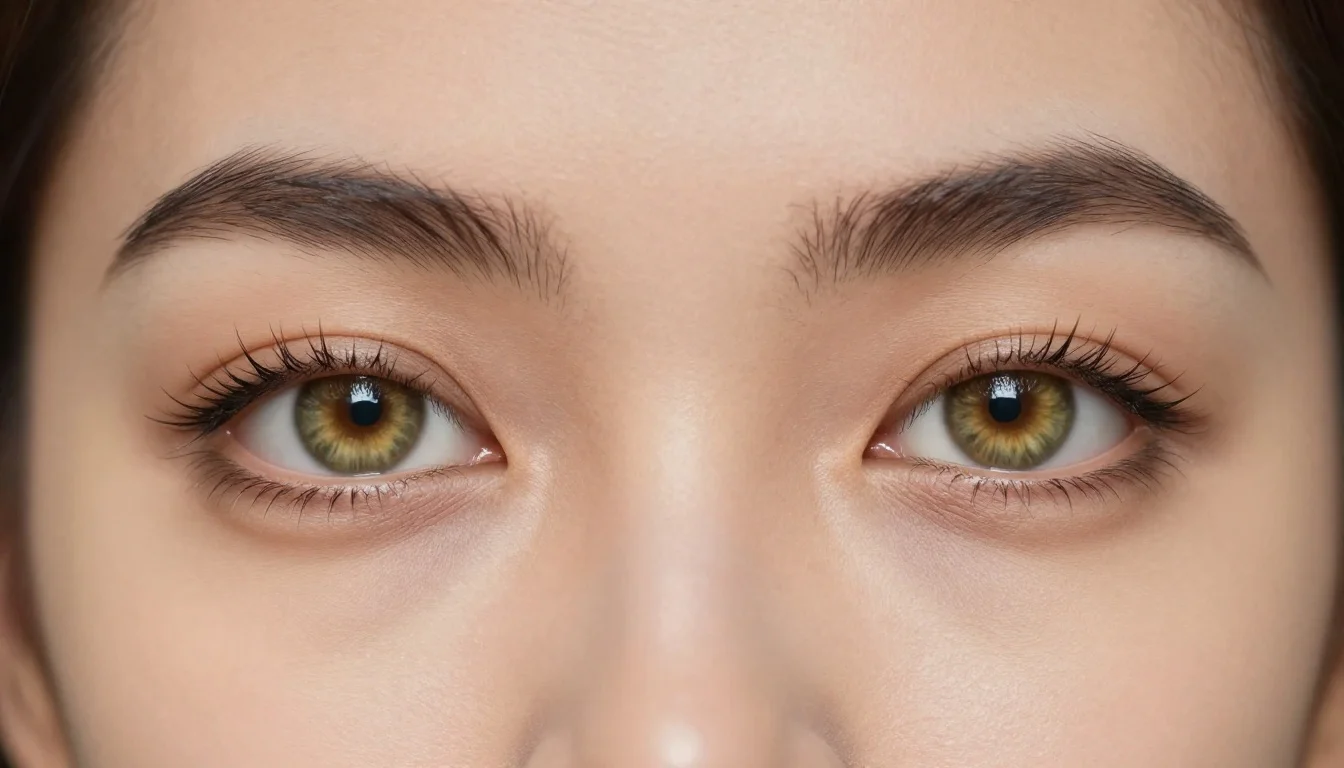
What colors make hazel eyes pop?
Deep purple and plum make hazel eyes look intensely green by complementary contrast. Periwinkle and dusty blue-violet activate the golden-amber register. Warm copper and burnt sienna bring out the brown-gold depth. All three create a vivid, chameleon effect — hazel genuinely shifts based on what you wear near your face.
Colors That Bring Out the Best in Hazel
Deep Purples & Plums (For Maximum Green)
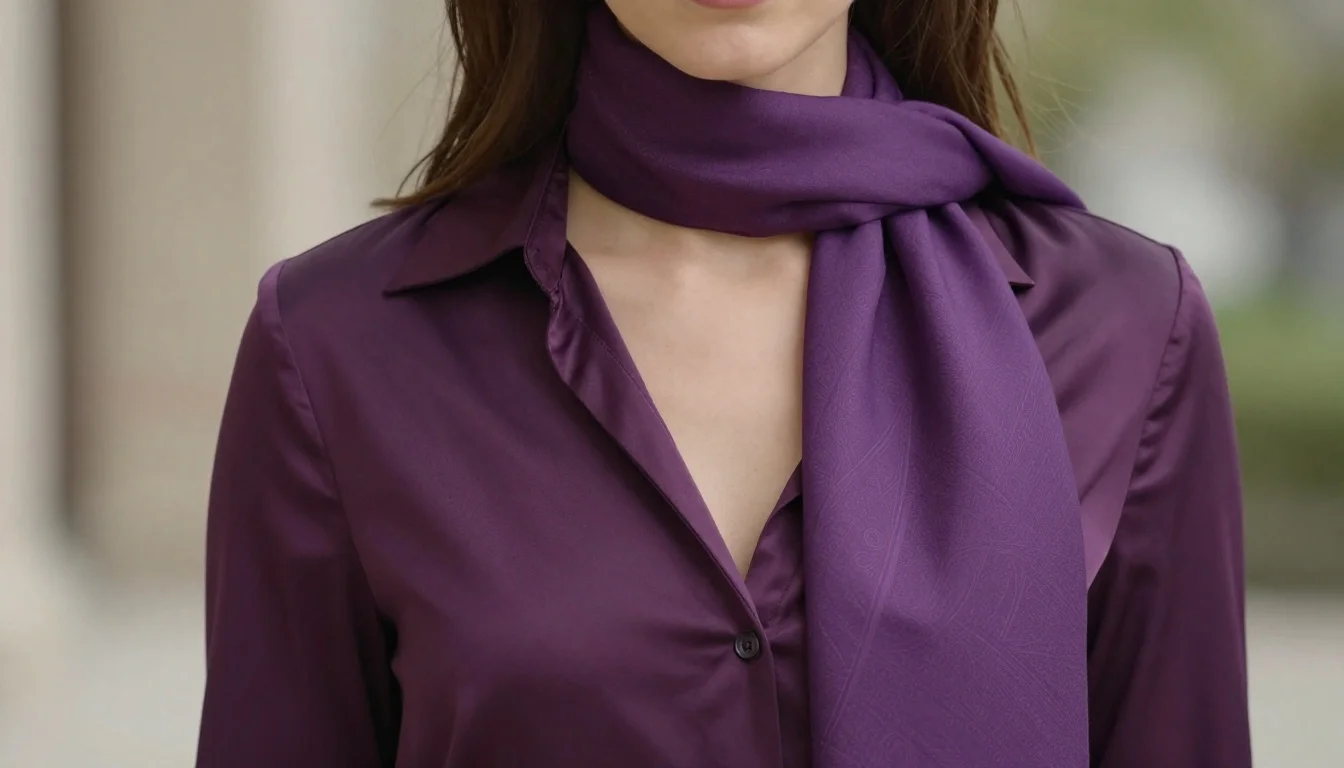
Purple and violet are the direct complementary opposites of the green-yellow register in hazel eyes. Wearing deep plum near your face activates the green flecks in your iris and pushes them to the foreground. Aubergine is particularly powerful — it has enough red-warmth to work with both the green and gold registers simultaneously. Even a soft mauve scarf creates a noticeable shift toward green in hazel.
Periwinkle & Dusty Blue (For Golden Amber)
Blue-violet tones sit opposite the warm amber-gold register in hazel irises. Periwinkle — that blue with a soft violet quality — is almost uniquely flattering for hazel because it activates the gold while the violet component also works on the green. The result is a warm, multidimensional hazel that looks lit from within. This is the "both green and gold at once" combo.
Warm Copper & Amber (For Rich Brown-Gold)
Warm earth tones in the copper-amber range echo the golden-brown base of hazel eyes in a way that feels harmonious and rich rather than competitive. These colours don't create complementary contrast — they create tonal resonance. The effect is warm, glowing, and earthy: your hazel reads as a deep, warm brown-gold rather than a shifting green. Perfect when you want a grounded, autumn look.
Warm Greens (To Echo and Amplify)
Wearing green near hazel eyes creates an echo effect — the green in your environment appears to deepen the green in your iris. Hunter green and warm forest green work particularly well because they have depth without being too stark. Olive and moss sit on the warm side of green, which harmonizes with the amber register while still emphasizing the green. A silk shirt in olive makes hazel look decisively more green.
Ready to see plum & berry violet on your face?
Start my color analysisHow to Dress With Hazel Eyes Intentionally
For the Most Eye-Catching Effect
When you want hazel eyes to make the biggest impression, reach for deep plum or aubergine near your face — a silk blouse, a fitted turtleneck, a tailored blazer. The green in your hazel will look vivid and intense against the complementary purple tone. Pair with a warm ivory or champagne for the rest of the outfit so nothing competes with the face.
For an Everyday Warm Glow
Periwinkle and dusty blue-violet are your everyday power tools. A periwinkle cashmere jumper or a lavender linen shirt creates the golden-green shift in hazel that looks naturally vibrant. These colours read as relaxed and wearable, not dramatic — so they work for a Monday morning just as much as a Saturday dinner.
For a Grounded, Earthy Look
When you want warm and grounded rather than vivid and striking, pair warm copper, burnt sienna, or amber tones with hazel. A rust-orange midi dress, a camel-and-copper striped knit, or warm cognac leather jacket all bring the golden-brown register forward. Your eyes look warm, rich, and deeply earthy — less chameleon, more jewel.
Pattern and Print Choices
Choose prints that include any of your power colours — plum, periwinkle, olive, or copper — and your eyes will pick up one of those tones throughout the day. A navy-and-plum floral makes hazel look green. An olive-and-ochre print brings out the amber-brown. Avoid prints dominated by muddy brown or washed-out yellow-green, which flatten hazel rather than activate it.
Which side of hazel do you want to lead?
Your full color season decides whether the green or the gold should lead. Take the free personal color analysis quiz to get your exact palette in about three minutes.
Colors That Muddy Hazel
Muddy brown and greige
Greige and muddy khaki tones blend into the brown base of hazel eyes and flatten the whole effect. Instead of your eyes shifting and catching light, they look dull and undifferentiated. These aren't 'safe' neutrals for hazel — they're the colours most likely to make hazel look like a nondescript brownish-grey. A warm ivory or a rich camel is better than greige every time.
Cool, sharp red
Bright, cool red (think true cherry or cool crimson) doesn't complement any register of hazel — it creates visual clutter near the eye rather than activating either the green or the gold. It pulls attention without creating useful contrast. Warm terracotta or burgundy work far better by offering warmth rather than fighting for attention.
Washed-out, muted yellow-green
Pale yellow-green (chartreuse-adjacent, dusty lime) can make hazel eyes look murky. The similar wavelengths create low contrast rather than the vivid complementary effect you want. If you want green in your outfit, go rich and deep (hunter, forest) rather than muted and yellow-toned.
Cool blue-grey
Flat blue-grey or steel blue is one colour that neither complements nor resonates with hazel. It doesn't have enough violet to activate the amber-gold, and it's too grey to create sharp contrast. The result is that hazel reads as a flat brownish-grey. Replace with periwinkle (which has the necessary violet) or a deeper navy.
Stop guessing — preview every shade on you
See myself in my colorsSwaps That Activate Your Hazel Eyes
Small changes in colour temperature that make your hazel shift and glow.
Grey flattens hazel. Periwinkle activates the gold-green shift and makes hazel eyes look intentionally luminous.
White creates no contrast with hazel. Plum brings out green; warm ivory creates a harmonious base that lets your eyes stand out.
Cool red creates visual noise near hazel. Plum creates the clean complementary contrast that makes hazel look vivid green.
Muted yellow-green muddies hazel. Rich, warm green echoes and deepens the green register of hazel eyes beautifully.
Muddy brown flattens hazel into the background. Copper resonates with the gold-amber register and makes hazel look rich and glowing.
Cool grey does nothing for hazel. Camel brings out warmth, olive echoes the green, violet activates the chameleon shift — all three beat grey.
Which Palette Might Be Yours?
Hazel eyes appear across several seasonal palettes — from soft, muted colouring to clear, warm springs. Your season depends on the full picture: skin undertone, hair colour, and overall depth and contrast.
Soft Autumn
Learn moreIf your hazel has a warm, golden-green quality and your overall colouring feels blended and earthy — medium warm-brown hair, warm or golden skin — Soft Autumn is a strong match. Your palette is warm and muted: camel, warm olive, dusty terracotta, and soft teal. Hazel eyes glow in these quietly rich tones.
Warm Spring
Learn moreIf your hazel is golden and bright — catching warm light easily — and your overall colouring is clear and warm rather than muted or deep, Warm Spring may be yours. Your palette is warm and vivid: coral, warm turquoise, peach, clear olive, and warm golden yellow. Hazel eyes look brilliant in warm, fresh spring tones.
Soft Summer
Learn moreIf your hazel leans towards grey-green rather than golden-brown, and your overall colouring feels soft, cool, and blended — light ash hair, neutral or cool skin — Soft Summer may fit. Your palette is muted and cool-neutral: dusty mauve, soft teal, heather grey, and rose. The cool, muted quality of these tones keeps hazel looking polished.
Find Your Exact Colors
Hazel eyes give you remarkable flexibility — but your ideal palette narrows down based on whether your hazel leans green, gold, or brown, and how your skin and hair interact with those tones. A personalized colour analysis maps the full picture and tells you exactly which colours make your hazel look at its most striking, every time.
Stop guessing — preview every color on you
Preview Yourself In Your Palette
Get my personalized paletteStop guessing — preview every color on you
Preview Yourself In Your Palette

Related Guides for Best Colors for Hazel Eyes
Explore more personalized color advice based on your features.
Want to see these colors on you? What Colors Look Good on Me — free to try.
Frequently Asked Questions About Best Colors for Hazel Eyes
What colors make hazel eyes pop?
Deep purple and plum make hazel eyes look intensely green by complementary contrast. Periwinkle and dusty blue-violet activate the golden-amber register. Warm copper and burnt sienna bring out the brown-gold depth. All three create a vivid, chameleon effect — hazel genuinely shifts based on what you wear near your face.
Do hazel eyes look more green or brown?
It depends entirely on what's near them. Wearing purple, plum, or violet makes hazel shift toward green. Wearing warm earthy tones — copper, terracotta, camel — makes them read more golden-brown. Wearing olive or hunter green echoes and deepens the green. You have more control over your eye color's expression than any other eye color does.
What color eyeshadow is best for hazel eyes?
For the most dramatic effect, deep plum or warm purple eyeshadow makes hazel look vivid green. Copper and warm bronze bring out the amber register. A golden-brown lid with a deep forest green liner creates a multidimensional look that works with every aspect of hazel. Avoid cool flat greys, which make hazel look muddy.
What colors should hazel eyes avoid?
Greige and muddy brown flatten hazel eyes into an undifferentiated brownish-grey. Cool blue-grey doesn't have enough violet to create useful contrast. Washed-out yellow-green creates a murky low-contrast effect. Cool, sharp red creates visual noise rather than complementary pop. All of these dull hazel instead of activating its best qualities.
Does purple really make hazel eyes look green?
Yes — this is genuine colour theory, not just a beauty tip. The green pigments in hazel are enhanced by their complementary opposite: the red-purple range. Wearing a deep plum blouse or aubergine blazer near your face causes the green in your iris to contrast against it and appear more vivid and forward. The effect is particularly clear with rich, deep purples rather than pale lavender.
Is hazel a rare eye color?
Hazel is relatively uncommon — estimated at 5–8% of the world's population, compared to brown eyes at roughly 55–79%. It's most common in people of European and Middle Eastern descent. Because hazel contains multiple pigments in varying concentrations, no two pairs of hazel eyes are identical — which is part of what makes choosing colours for them so interesting.
What color are hazel eyes exactly?
Hazel eyes are a mix of green, gold, and brown pigment in the same iris — usually a brown-to-gold ring around the pupil shifting toward green at the outer edge. They sit between brown and green on the eye-color spectrum, and lighting, makeup, and the colors you wear visibly change which tone dominates. That responsiveness is exactly why color choice matters more for hazel eyes than for any other eye color.
What are the different shades of hazel eyes?
Hazel spans several recognizable shades: green-hazel (green dominant with a gold ring around the pupil), gold-hazel (amber and honey tones throughout), and brown-hazel (brown dominant with green flecks). Deep hazel eyes lean dark brown-gold. Your dominant shade decides your best strategy — green-hazel responds most to reds and purples, while gold-hazel lights up with warm earth tones.