Hair Color
Deep Winter Hair Color: Best Shades, Dyes & Styling Ideas

Table of contents
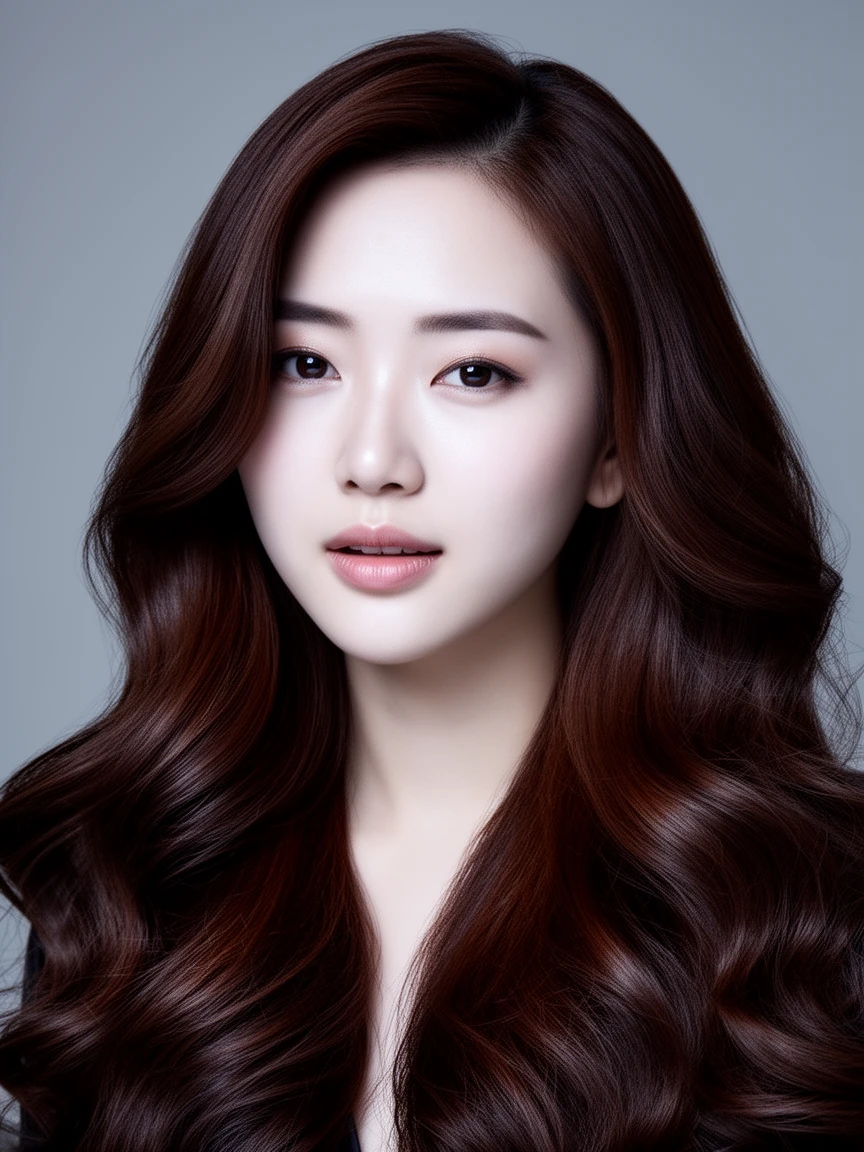
Discover the most flattering hair colors for Deep Winter coloring. From rich espresso and blue-black to icy platinum highlights, this comprehensive guide covers the cool-toned shades that complement your high-contrast features, plus expert dyeing tips and maintenance advice.
If you're a Deep Winter, you possess striking high-contrast features: typically dark hair, fair to medium skin with cool undertones, and bright or dark eyes. Your natural coloring is dramatic and intense, and the right hair color can enhance this stunning contrast.
Deep Winter hair colors are all about cool, rich, intense tones—think espresso browns, blue-blacks, deep burgundies, and icy platinum highlights. These shades complement your cool undertones and maintain the high contrast that makes Deep Winter coloring so striking.
For a complete guide to your seasonal colors including wardrobe and makeup, see our Deep Winter Color Palette Guide.
DEEP WINTER HAIR COLOR PALETTE
Flattering hair shades that enhance cool undertones and high contrast
COOL BLONDES
COOL BROWNS & BLACKS
COOL REDS & BURGUNDY
AVOID THESE
Best Natural-Looking Hair Colors for Deep Winter
If you want a hair color that looks like you were "born with it," these shades work beautifully with Deep Winter's natural coloring:
Rich Espresso (Level 3-4)
A deep, cool-toned brown that's almost black but with subtle dimension. This is the most universally flattering shade for Deep Winters who want a natural look.
Salon Ask: "Level 3 or 4 espresso with cool undertones, no warmth"
Blue-Black (Level 1-2)
True black with cool blue undertones. This creates maximum contrast and is stunning on Deep Winters with very pale or very deep skin.
Salon Ask: "Blue-black or 1B with blue base, not warm brown-black"
Cool Chocolate (Level 4-5)
A medium-dark brown with ash or neutral undertones. Slightly lighter than espresso but still deep and rich.
Salon Ask: "Level 4 or 5 cool brown, ash or neutral base"
Deep Ash Brown (Level 5-6)
The lightest "natural" option for Deep Winters—a medium brown with strong ash tones. Works well if you want some lift without going blonde.
Salon Ask: "Level 5 or 6 ash brown, cool toned"
Best Blonde Shades for Deep Winter
Deep Winters can absolutely rock blonde hair—but it must be cool-toned. The key is avoiding any golden, honey, or brassy warmth. Here are your best options:
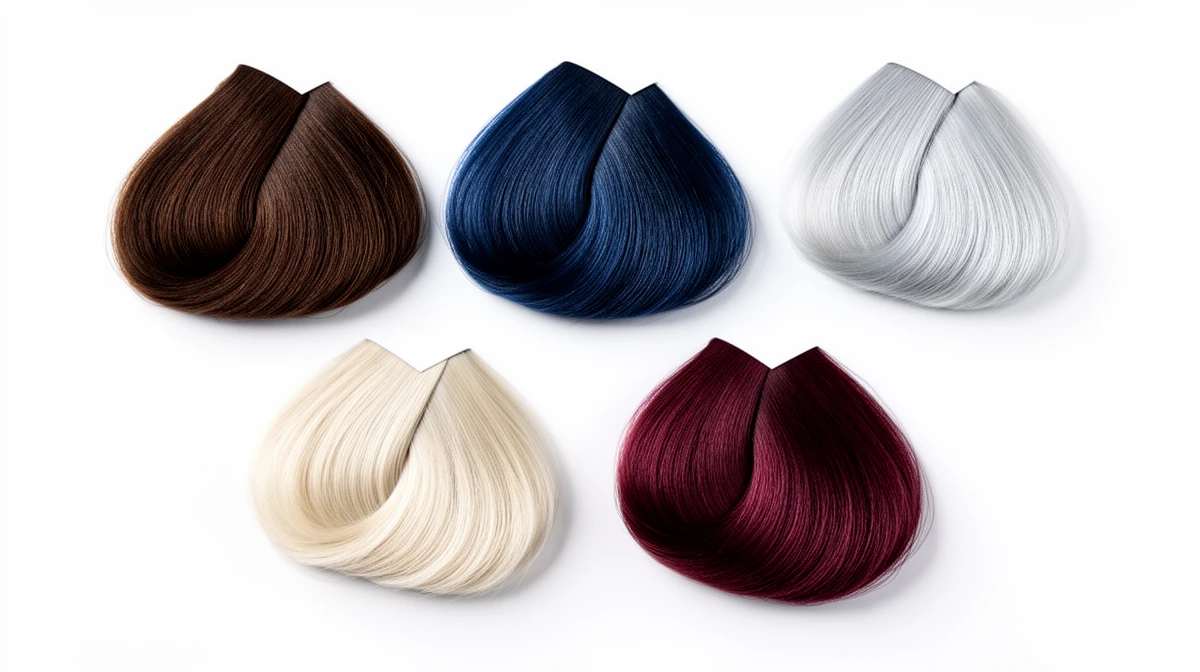
Icy Platinum Blonde (Level 10-11)
The ultimate cool blonde—almost white with icy, silvery undertones. This is dramatic and high-maintenance but absolutely stunning on Deep Winters.
Best for: Those who want maximum drama and contrast
Maintenance: High—requires purple shampoo 2-3x/week and toner every 3-4 weeks
Ash Blonde (Level 8-9)
A medium to light blonde with strong ash (gray-ish) tones. More wearable than platinum for everyday life but still distinctly cool.
Best for: First-time blondes or those wanting less maintenance
Maintenance: Medium—purple shampoo 1-2x/week
Champagne Blonde (Level 9-10)
A pale blonde with neutral-to-cool undertones and a hint of beige. Softer than platinum but still cool enough for Deep Winters.
Best for: Those who want a romantic, soft blonde without warmth
⚠️ Deep Winters Should Avoid:
- Golden blonde – Will look brassy and clash with cool undertones
- Honey blonde – Too warm and will wash you out
- Strawberry blonde – The warm peach/pink tones don't suit Deep Winter
- Butter blonde – Yellow-toned and unflattering
Pro Tip: If you're going blonde from dark hair, expect multiple sessions (3-5+) to lift your hair safely. Always go to a professional colorist experienced with high-lift techniques to avoid damage and brassiness.
Best Brunette Shades for Deep Winter
Brunette shades are the most natural and flattering for most Deep Winters. The key is choosing cool-toned browns without any red, gold, or caramel warmth.
Jet Black (Level 1)
True black without warm undertones. Creates maximum contrast and drama.
Box Dye: Revlon ColorSilk "Black 10", L'Oréal Féria "Permanent Blue Black"
Soft Black (Level 1-2)
Slightly softer than jet black, with cool neutral undertones. Less harsh but still dramatic.
Box Dye: Clairol Natural Instincts "Black 1C"
Espresso (Level 3-4)
Deep brown with cool undertones. The most universally flattering shade for Deep Winters.
Box Dye: Madison Reed "Palermo Brown", Garnier Olia "Darkest Brown 3.0"
Cool Chocolate (Level 4-5)
Medium-dark brown with ash tones. Great for adding dimension without going too light.
Box Dye: L'Oréal Superior Preference "Cooler Dark Brown 4"
Ash Brown (Level 5-6)
Medium brown with strong ash (grayish) tones. The lightest natural-looking brunette option.
Box Dye: Wella Koleston "Light Ash Brown 6/1"
Mocha (Level 5)
Medium brown with neutral-cool undertones. Less ashy than ash brown but still cool.
Box Dye: Clairol Nice 'n Easy "Medium Ash Brown 5A"
❌ Avoid These Brunette Shades:
- Golden brown – Warm yellow tones clash with cool skin
- Caramel – Too warm and will look orangey
- Chestnut – Red-brown tones don't suit Deep Winter
- Warm chocolate – Any "warm" or "golden" chocolate shades
Best Red & Auburn Shades for Deep Winter
Deep Winters can wear red hair beautifully—but it must be cool-toned reds like burgundy, wine, or plum. Avoid warm orange-based reds like copper or ginger.
Deep Burgundy
A rich, wine-colored red with cool purple undertones. This is the most flattering red for Deep Winters—dramatic yet sophisticated.
Box Dye: L'Oréal Féria "Deep Burgundy V48", Garnier Nutrisse "Black Cherry 42"
Best for: Those who want bold color without warmth
Cool Mahogany
A deep reddish-brown with cool undertones. Less dramatic than burgundy but still rich and dimensional.
Box Dye: Revlon ColorSilk "Mahogany 32", Clairol Natural Instincts "Cinnaberry 4R"
Best for: First-time red hair or subtle red dimension
Wine / Cherry
A true red with cool blue or purple undertones. Very vibrant and eye-catching.
Box Dye: Manic Panic "Vampire Red" (semi-permanent), Arctic Fox "Wrath"
Plum / Violet-Red
A deep purple-red that's sophisticated and unexpected. Works beautifully on Deep Winters who want something unique.
Box Dye: L'Oréal Colorista "Burgundy", Lunar Tides "Plum Noir"
🚫 Reds Deep Winters Should Avoid:
- Copper – Too orange and warm (see our Copper Hair Color Guide for who can wear it)
- Ginger – Warm orange-red tones clash with cool undertones
- Auburn – Traditional auburn is too warm (see our Auburn Hair Color Guide for cool auburn alternatives)
- Strawberry blonde – Peachy-pink tones don't suit Deep Winter
- Bright orange-red – Too warm and will look garish
Pro Tip: Red hair fades faster than any other color. Use color-depositing shampoo (like Overtone or Keracolor) 1-2x per week to maintain vibrancy between dye sessions.
Deep Winter Balayage & Highlights Guide
Balayage and highlights are fantastic for Deep Winters because they add dimension while maintaining the high contrast that defines your coloring. The key is using cool-toned highlights on a dark base.
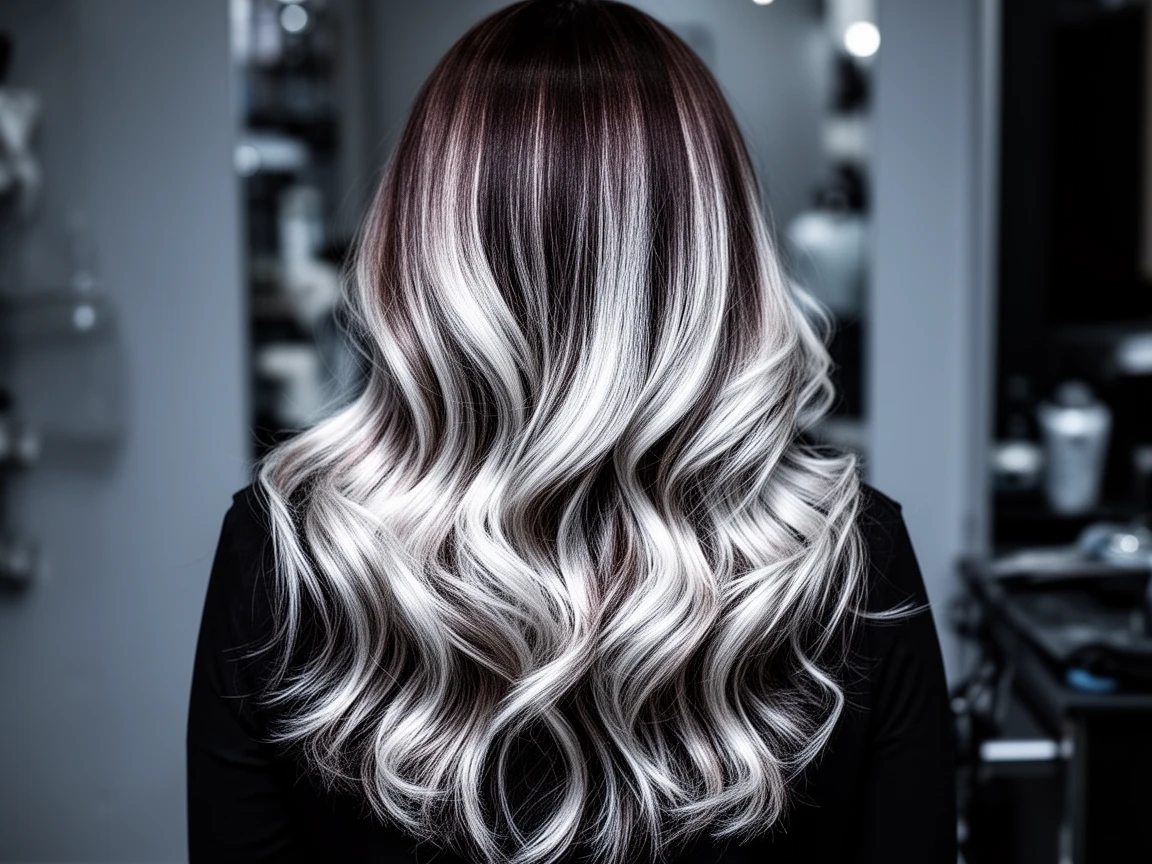
Best Highlight Colors for Deep Winter
Icy Platinum on Espresso/Black Base
The ultimate high-contrast look. Icy white-blonde highlights on a deep brown or black base create striking dimension.
Placement: Face-framing pieces, babylights throughout, or money piece (chunky face-framing)
Ash Blonde on Cool Brown Base
Softer than platinum but still cool. Level 8-9 ash blonde highlights on a level 4-5 brown base.
Placement: Full balayage, especially on ends and mid-lengths
Silvery Gray on Black Base
Trendy and sophisticated. Cool silver-gray highlights on jet black create an edgy, modern look.
Placement: Chunky pieces or ombré effect
Burgundy or Plum Lowlights on Dark Base
For a subtle pop of color. Deep burgundy or plum lowlights add richness without lightening hair.
Placement: Underneath layers or peek-a-boo sections
Balayage Techniques for Deep Winter
- Face-framing balayage: Lighter pieces around the face to brighten and lift your features
- Money piece: Two thick, bright highlights on either side of your face for high contrast
- Babylights: Very fine, subtle highlights throughout for natural-looking dimension
- Ombré: Gradual transition from dark roots to lighter (cool-toned) ends
- Reverse balayage: Darker lowlights on lighter hair to add depth
💡 What to Tell Your Stylist:
"I'm a Deep Winter (cool-toned, high contrast). I want [balayage/highlights] in a cool tone—ash, platinum, or icy blonde. No warmth, no golden tones. I need the highlights to be cool enough to complement my skin's cool undertones."
Bring reference photos from Pinterest or Instagram showing cool-toned highlights. Search terms: "icy balayage", "ash blonde highlights", "cool-toned balayage", "platinum highlights on dark hair"
Hair Colors Deep Winter Should Avoid
Certain hair colors will clash with Deep Winter's cool undertones and make your skin appear sallow, dull, or washed out. Here's what to avoid and why:
❌ Golden Blonde
Yellow-toned blondes make Deep Winters look brassy and will bring out any redness or sallowness in your skin. Stick to ash or platinum instead.
❌ Honey or Caramel
Warm brown tones with golden or orange undertones. These will completely clash with your cool skin and make you look tired or aged.
❌ Copper or Ginger
Orange-based reds are the most unflattering color for Deep Winters. They create harsh contrast and emphasize any redness in your skin tone.
❌ Warm Auburn
Traditional auburn (reddish-brown with warm tones) is too warm for Deep Winter. If you want auburn, choose cool mahogany instead.
❌ Warm Chocolate or Chestnut
Browns with reddish or golden undertones. They lack the cool tones needed to harmonize with Deep Winter coloring.
❌ Brassy or Orange Tones
Any hair color that pulls orange, brass, or yellow. This includes faded red dye, poorly done bleach jobs, and "warm" box dyes.
🔍 How to Spot Warm Tones in Hair Dye:
When choosing box dye or looking at salon color charts, watch for these keywords that indicate WARM tones (avoid these):
- "Golden", "Honey", "Caramel", "Toffee", "Butterscotch"
- "Warm", "Copper", "Ginger", "Auburn" (unless specified as "cool")
- "Sun-kissed", "Beachy", "California blonde"
- Shade numbers ending in ".3" (gold) or ".4" (copper) in professional lines
At-Home vs Salon: Dyeing Tips for Deep Winter
Should you dye your hair at home or go to a salon? Here's a breakdown of when each option makes sense for Deep Winters:
When At-Home Box Dye Works Well
Box dye is safe and effective for Deep Winters in these scenarios:
- Going darker: If you're dyeing your hair a darker shade (e.g., medium brown to espresso), box dye works great
- Root touch-ups: Maintaining your existing dark color at the roots
- Subtle color changes: Shifting from one cool tone to a similar cool tone (e.g., cool brown to blue-black)
- Adding cool-toned dimension: Using demi-permanent dyes to add depth
Best At-Home Box Dyes for Deep Winter
Madison Reed Hair Color
Clean ingredients, cool-toned shades, salon-quality results. Try "Palermo Brown" or "Florence Black"
L'Oréal Superior Preference
Wide range of cool tones. Look for shades with "cool", "ash", or "blue" in the name
Garnier Olia
Ammonia-free, oil-powered formula. Shade "3.0 Darkest Brown" is great for Deep Winters
Revlon ColorSilk
Budget-friendly with good color payoff. "Black 10" and "Mahogany 32" work well
Clairol Natural Instincts
Semi-permanent, less damaging. "Black 1C" is a great cool black option
Arctic Fox / Manic Panic (semi-permanent)
For fun colors like burgundy or plum. Vegan, conditioning formula
When You NEED a Professional Colorist
Go to a salon for these situations:
- Lightening hair: Going from dark to blonde requires professional bleaching to avoid damage and brassiness
- Balayage or highlights: Placement and blending require professional skill
- Correcting bad color: If you have brassy, uneven, or damaged hair, a colorist can fix it safely
- Drastic changes: Going from very dark to very light, or vice versa
- Maintaining platinum blonde: Platinum requires regular toning and upkeep that's best done professionally
- If your hair is damaged: A professional can assess hair health and prevent further damage
What to Tell Your Stylist
Use this script to communicate your needs clearly:
"I'm a Deep Winter, which means I have cool undertones and high-contrast features. I need hair color that's cool-toned—no golden, honey, or warm shades. I want [specific color: e.g., espresso brown / icy platinum highlights / ash balayage]. Please avoid any warmth or brassiness. I need the final result to have cool, ashy undertones to complement my skin."
Developer Volume Guide (For Pros & DIYers)
- 10 volume: Deposit only, no lift. For going darker or toning
- 20 volume: 1-2 levels of lift. Standard for most color applications
- 30 volume: 2-3 levels of lift. For lightening dark hair
- 40 volume: 4+ levels of lift. For dramatic lightening (salon only, can damage hair)
For Deep Winters going blonde: Expect to use 30 or 40 volume developer in multiple sessions. This is why professional help is crucial—improper use can severely damage hair.
Maintaining Deep Winter Hair Color
Once you've achieved your perfect Deep Winter hair color, proper maintenance is crucial to keep it looking fresh, vibrant, and—most importantly—cool-toned.
Preventing Brassiness (For Cool Blondes & Brunettes)
Purple Shampoo & Conditioner
Purple shampoo neutralizes yellow/brassy tones in blonde and light brown hair. Use 1-3x per week depending on your hair's porosity and tone.
Best brands:
- Fanola No Yellow: Professional-grade, highly pigmented (leave on 3-5 min)
- Olaplex No. 4P: Bonds while toning, great for damaged hair
- Redken Color Extend Blondage: Gentle but effective
- Joico Color Balance Purple: Affordable and works well
Blue Shampoo & Conditioner
Blue shampoo neutralizes orange/brassy tones in brunette hair. Use 1-2x per week if your brown hair is pulling warm.
Best brands:
- Matrix Total Results Brass Off: Specifically for brunettes
- Joico Color Balance Blue: Neutralizes orange tones
- Redken Color Extend Brownlights: For cool browns
Maintaining Dark Colors (Black, Espresso, Burgundy)
- Use color-depositing conditioners: Products like Overtone, Keracolor Clenditioner, or Viral ColorWash add pigment back into hair between dye sessions
- Shampoo less frequently: Wash 2-3x per week max to prevent fading
- Use cool water for rinsing: Hot water opens the cuticle and causes color to fade faster
- Apply a gloss or glaze: Every 4-6 weeks, use a demi-permanent gloss to add shine and refresh color (try Kristin Ess Signature Gloss or IGK Mixed Feelings)
- Protect from sun: UV rays fade hair color. Wear hats or use UV-protectant hair products (like Bumble and bumble Hairdresser's Invisible Oil Heat/UV Protective Primer)
Touch-Up Schedule
Permanent Hair Color (Roots)
Every 4-6 weeks for visible root touch-ups
Can be done at home with box dye if you're maintaining the same color
Highlights / Balayage
Every 8-12 weeks depending on placement and contrast
Face-framing highlights need more frequent touch-ups than all-over balayage
Platinum Blonde
Every 3-4 weeks for roots + toner every 3-5 weeks
High-maintenance color requiring frequent salon visits
Red / Burgundy
Every 3-4 weeks (red fades fastest)
Use color-depositing products weekly to extend time between dyes
Essential Color-Safe Products
- Sulfate-free shampoo & conditioner: Sulfates strip color. Use gentle, color-safe formulas (Pureology, Redken Color Extend, Olaplex)
- Deep conditioning mask: Weekly treatment to keep hair healthy and color vibrant (Olaplex No. 8, K18 Mask, Briogeo Don't Despair Repair)
- Heat protectant: Must-use before blow drying or heat styling (GHD Heat Protect Spray, Olaplex No. 7)
- Leave-in treatment: Daily protection and moisture (It's a 10 Miracle Leave-In, Living Proof Restore Repair Leave-In)
- Color-safe dry shampoo: For extending time between washes (Batiste Dry Shampoo, Klorane Dry Shampoo with Oat Milk)
Deep Winter Hair Color FAQ
Can Deep Winters have brown hair?
Absolutely! In fact, cool-toned brown hair (espresso, cool chocolate, ash brown) is the most natural and universally flattering option for Deep Winters. The key is ensuring the brown has cool undertones—no golden, caramel, or warm red tones.
Is black hair good for Deep Winter?
Yes! Black hair (especially blue-black or jet black with cool undertones) is stunning on Deep Winters. It creates the high contrast that defines this season and complements cool skin tones beautifully. Avoid brown-black or warm-toned black dyes.
Can Deep Winters go red?
Yes, but only cool-toned reds. Deep burgundy, wine, cool mahogany, cherry, and plum work beautifully. Avoid warm reds like copper, ginger, or traditional auburn. For more on red shades, check our Auburn Hair Color Guide.
What's the difference between Deep Winter and Bright Winter hair colors?
Both seasons wear cool tones, but Deep Winters look best in deeper, richer shades (espresso, blue-black, deep burgundy), while Bright Winters can wear both deep colors AND brighter, more vibrant cool tones. Deep Winters' hair should maintain depth and richness. For more, see our Bright Winter guide.
How do I know if my hair is too warm for Deep Winter?
Signs your hair is too warm: 1) It pulls orangey or brassy in natural light, 2) Your skin looks sallow or yellowish next to your hair, 3) Your eyes appear duller instead of brighter, 4) The hair color feels "off" or clashes with your wardrobe. If any of these apply, transition to a cooler shade.
Do I need to dye my hair if I'm a Deep Winter?
No! If your natural hair color already has cool undertones (cool brown, black, ash brown), you don't need to dye it at all. Hair dye is only necessary if your natural color is warm-toned (golden, brassy, caramel) or if you want to enhance your contrast with highlights or a bolder shade.
Related Articles
Deep Winter Color Palette Guide
Complete guide to Deep Winter wardrobe colors, makeup, and accessories
Bright Winter Color Palette
Discover the colors for Bright Winter—similar cool tones with more vibrancy
Copper Hair Color Guide
Learn why copper doesn't suit Deep Winter and who it flatters instead
Auburn Hair Color Guide
Find cool-toned auburn alternatives that work for Deep Winter