The Makeup Palette Made ForWarm Undertones
Warm undertones deserve makeup that echoes their golden, peachy quality. Discover which tones look natural on you — and which to skip.
If you have warm undertones, you carry a golden, peachy, or yellow-golden quality beneath your skin that most makeup tutorials treat as an afterthought. The wrong product — a cool pink blush, a silver highlight, a blue-based lipstick — looks disconnected and flat. The right one looks luminous and intentional, like your skin is lit from within. Once you understand your undertone's language, every product choice becomes obvious.


3,000+
happy clients
Why Warm Undertones Need Their Own Makeup Approach
If you have warm undertones, you carry a golden, peachy, or yellow-golden quality beneath your skin that most makeup tutorials treat as an afterthought. The wrong product — a cool pink blush, a silver highlight, a blue-based lipstick — looks disconnected and flat. The right one looks luminous and intentional, like your skin is lit from within. Once you understand your undertone's language, every product choice becomes obvious.
Warm undertones exist across every skin tone and depth — from the fairest porcelain to the deepest brown. What they share is a golden, peachy, or yellow-golden quality beneath the surface. This undertone is your complexion's temperature, and it determines whether a makeup product looks like part of your face or something sitting on top of it.
The most common mistake is reaching for products formulated for a 'neutral' or 'cool' complexion. A foundation with pink undertones creates a mismatch visible in natural light — the product's cool base fights your skin's warmth and creates an ashy or mask-like finish at the jawline. Blush in a cool fuchsia or baby pink floats on your cheeks with no undertone relationship to anchor it.
Products that share your warmth do the opposite. A golden-beige foundation disappears into warm skin seamlessly. A bronze eyeshadow echoes the warmth in your complexion and makes your whole face look more alive. A warm peach blush reads as a natural flush, not color applied from a compact. Understanding this principle transforms how you shop for and wear makeup.

What foundation undertone is best for warm skin?
Look for foundations labeled 'warm beige', 'golden beige', 'peach-neutral', or shades with a 'W' or 'Y' designation on the brand's scale. Always test on your jawline in natural light — the right shade should blend seamlessly within 30 seconds. Avoid pink-undertone foundations, which create a mask effect, and ashey-cool formulas, which look grey on warm skin.
Your Best Makeup Shades
Eyeshadow: Bronze, Amber & Warm Chocolate
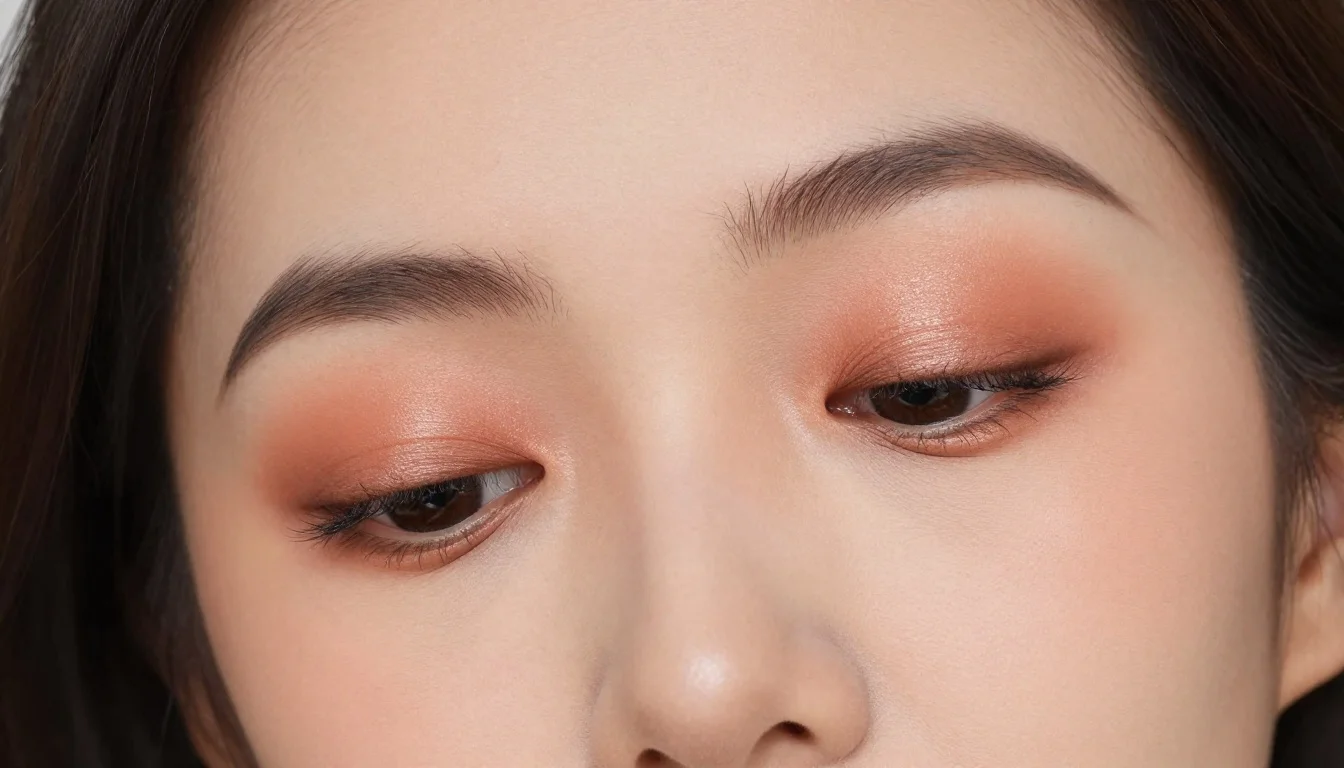
Bronze and copper eyeshadows are a natural match for warm undertones — they echo the golden quality in your skin and create a luminous, sun-kissed eye that looks effortless. Warm amber adds a richer, more saturated warmth that photographs beautifully. Terracotta brings an earthy depth ideal for evening looks. Warm chocolate brown is your neutral workhorse: defines and deepens without creating harsh contrast, wearable for any occasion.
Lip Colors: Warm Reds, Terracotta & Nude-Peach
Lip colors with warmth — a red that leans orange-red rather than blue-red, a brick that sits between rust and rose, a terracotta that feels earthy — interact with your undertone to create richness without effort. Warm nude-peach is the most versatile everyday choice: it enhances your lip's natural warmth and creates the illusion of fullness. Cool berry, blue-based reds, and pink nudes all fight your undertone and can make the rest of your face look sallow by contrast.
Blush & Bronzer: Peach, Coral & Golden Bronze
Blush on warm undertones should live in the same temperature register as your skin. Warm peach and coral share your undertone's golden-to-yellow warmth, so they read as a natural flush rather than something applied. Golden bronze bronzer deepens your warmth in a way that looks like a genuine tan — the golden cast resonates with your undertone. A warm rose (not cool rose) sits just between peach and berry and works beautifully for more polished or evening looks.
Highlight & Foundation: Golden Champagne & Warm Beige
Your highlight should enhance your skin's warmth, not pull against it. Golden champagne creates luminosity that appears to come from within your skin. Warm rose-gold adds a soft peachy dimension that complements the golden quality without feeling too yellow. For foundation, look for descriptors like "warm beige', 'golden beige', or 'peach-neutral" — these sit in the temperature zone that matches warm undertones. Avoid pink-undertone or ash foundations, which create a visible temperature mismatch in natural light.

Ready to see yourself in bronze & golden amber?
Start my color analysisHow to Apply Makeup on Warm-Undertone Skin
Foundation matching
Test foundation on your jawline in natural light — never on your inner wrist, which is often cooler than your face. Look for shades labeled 'warm beige', 'golden beige', 'peach-neutral', or shades with a 'W' designation on brand scales. The right foundation should disappear into your skin within 30 seconds. If it looks orange, go one shade lighter. If it looks pink or grey, the undertone is wrong — not the shade. Many warm-undertone wearers find success between the NC30–NC42 range on MAC's scale, or in brands' 'W' or 'Y' undertone families.
Eye application technique
Layer warmth: start with a warm champagne or golden base across the lid to create luminosity. Press warm bronze into the crease and outer third using a fluffy blending brush, blending upward in circular motions. For depth, pat a touch of rich chocolate brown or deep terracotta into the outer corner and blend softly. Line the upper lash line with espresso or dark chocolate liner — softer than black, but just as defining. A stroke of warm copper on the inner corners opens the eye beautifully. Avoid grey or silver liner in the waterline, which pulls cold against your warmth.
Blush and bronzer layering
Apply bronzer first to establish warmth across the face, then layer blush on top. Sweep golden bronze bronzer across the forehead hairline, cheekbones, nose, and chin using a large, fluffy brush — this creates a warm canvas the blush can sit within. Apply warm peach or coral blush to the apples of the cheeks and blend up toward the temples. The combination looks sun-kissed and cohesive rather than flat. For evenings, swap the peach blush for a warm rose to add richness without losing the undertone resonance.
Lip color strategy
For everyday: a warm nude-peach or terracotta applied with a lip brush and blotted once is low-maintenance and universally flattering on warm undertones. For going out: a warm red (think tomato-red or brick-red, not blue-red) applied with a lip liner of the same family for longevity. The governing principle: always err warmer. A lip color that reads slightly warm or earthy is almost always more flattering on warm-undertone skin than one that reads cool or pink. When in doubt, reach for one shade more orange-warm than your instinct tells you.
Makeup Shades That Fight Warm Undertones
Cool pink or fuchsia blush
Cool pink and fuchsia blush have a blue-based quality that creates a temperature mismatch with warm skin. Rather than reading as a natural flush, they look applied and isolated — as if the blush has nothing to do with the rest of your face. The contrast makes your underlying warmth look sallow. Swap for warm peach, coral, or warm rose for the same pop of color with undertone resonance.
Silver or icy highlight
Silver highlight pulls cold on warm undertones. The cool, icy quality of silver — especially formulas with a lavender or steel undertone — creates a stark temperature contrast against warm skin and can make the high points of your face look grey rather than luminous. Golden champagne or warm rose-gold highlighter creates the same glow without the clash.
Blue-tinted or cool-based products
Any product with a blue base — blue-red lipsticks, blue-purple eyeshadow as a neutral, cool taupe — creates a direct temperature clash with warm undertones. These products are formulated to complement cool complexions, and on warm skin they sit on the surface rather than integrating. The result looks muddy or washed out depending on the product.
Ash-grey or cool taupe eyeshadow
Ash-grey and cool taupe eyeshadows are formulated as cool neutrals, and they look flat on warm-undertone skin. The cool grey quality drains the warmth from your complexion rather than complementing it, creating a washed-out eye. Warm chocolate brown and warm bronze give you the same versatile neutrality with undertone resonance — they define just as effectively without the temperature clash.
Stop guessing — preview every shade on you
See myself in my shadesProduct Swaps for Warm Undertones
Replace products that fight your temperature with versions formulated to resonate with your warmth.
Cool pink has no undertone relationship with warm skin. Peach and coral share your golden register — same brightness, real resonance.
Blue-based reds fight warm undertones. Warm reds and terracottas interact with your golden quality to look intentional and rich.
Silver reads cold on warm skin and can pull grey. Gold creates luminosity that looks like your skin lit from within.
Cool taupe washes out warm undertones. Warm chocolate brown has the same versatility with undertone resonance.
Pink undertones create a mask effect on warm skin. Golden beige disappears seamlessly into your temperature range.
Cool purple and blue-grey create direct temperature clash. Terracotta and amber echo your undertone and look luminous.
Which Seasonal Palette Fits Your Warm Undertones?
Warm undertones appear across several seasonal palettes. Your specific season determines how saturated, muted, light, or deep your ideal makeup palette should be. The key variable is whether your warmth is light and bright (Spring) or rich and earthy (Autumn).
Warm Autumn
Learn moreIf your warmth is earthy and golden — your best colors feel rich, muted, and autumnal — Warm Autumn is likely your season. Your makeup sweet spot is warm and grounded: terracotta blush, bronze eyeshadow, warm brick or rust lips, and a golden champagne highlight. Everything should feel warm and connected, not bright or cool.
Warm Spring
Learn moreIf your warm undertones feel light and peachy — your best colors are warm but bright and clear rather than muted — Warm Spring is worth exploring. Your makeup is lighter and sunnier: coral and peach blush, golden amber eyeshadow, warm peach-red lips, and a soft golden highlight. More luminous and fresh than Autumn's richness.
Deep Autumn
Learn moreIf your warm undertones come with deep coloring — dark hair, deep eyes, strong contrast — Deep Autumn fits. Your makeup goes more saturated and intense: deep warm bronze eyeshadow, rich terracotta or warm plum lips, bronzed cheeks, and a burnished rose-gold highlight. Warmth at maximum depth and richness.
Find Your Most Flattering Warm-Undertone Palette
Warm undertones respond beautifully to makeup that speaks their language — the challenge is knowing exactly how warm, how saturated, and how deep your ideal shades should be. A personalized color analysis goes beyond "warm vs. cool" to identify your specific seasonal palette, which maps directly to a precise makeup guide: the exact blush families, lipstick ranges, eyeshadow depths, and foundation undertones that work for your unique version of warm-undertone skin.

Related Guides for Makeup for Warm Undertones
Explore more personalized color advice based on your features.
Want to see these colors on you? Skin Undertone Test — free to try.
Frequently Asked Questions About Makeup for Warm Undertones
What foundation undertone is best for warm skin?
Look for foundations labeled 'warm beige', 'golden beige', 'peach-neutral', or shades with a 'W' or 'Y' designation on the brand's scale. Always test on your jawline in natural light — the right shade should blend seamlessly within 30 seconds. Avoid pink-undertone foundations, which create a mask effect, and ashey-cool formulas, which look grey on warm skin.
What blush color suits warm undertones?
Warm peach, coral, and warm rose blush are the most universally flattering on warm undertones. They share the same golden-warm register as your skin, so they read as a natural flush rather than something applied. Avoid cool pink, fuchsia, and mauve blush, which have a blue-based quality that clashes with warm undertones.
What lipstick colors work for warm undertones?
Warm red, brick rose, terracotta, and warm nude-peach are your strongest lip color families. These all have enough warmth to resonate with your undertone without going purely orange. The governing rule: always go slightly warmer than your instinct suggests. Blue-based reds, cool pinks, and cool mauve lipsticks fight warm undertones and can make the rest of your face look flat.
What eyeshadow looks best on warm undertones?
Warm bronze, golden amber, rich terracotta, and warm chocolate brown are the most flattering eyeshadow families for warm undertones. They echo the golden quality in your complexion and create luminosity rather than contrast. Warm chocolate brown is your everyday neutral — it defines without harshness. Avoid ash-grey and cool taupe, which drain warmth from the face.
What highlighter works for warm undertones?
Golden champagne and warm rose-gold highlighters are ideal for warm undertones. They enhance your skin's warmth and create luminosity that appears to come from within. Silver, icy, and cool-champagne highlights create a temperature mismatch on warm skin and can look grey or ashy at the high points of your face.
How do I know if I have warm undertones for makeup?
A few reliable tests: gold jewelry looks more flattering on you than silver; your veins appear more green than blue-purple; you tan easily and rarely burn; peach, coral, and warm earthy colors tend to look more vibrant on you than cool pink or icy shades. If warm-based makeup products consistently look more natural on you than cool ones, warm undertones are confirmed.