Lipsticks That IlluminateCool Undertones
Cool undertones glow with lipstick shades that share their pink-blue frequency: cool berry. Discover which tones look natural on you — and which to skip.
Cool undertones — pink-based, blue-based, or rosy — respond to a completely different lipstick register than warm skin does. The shades that make a cool complexion look luminous are the ones that share its temperature: cool berry shades that echo the pink in your skin, raspberry and cool rose that bring out its natural flush, classic cool reds that feel genuinely bold rather than muddy, and deep plum that adds evening drama. Understanding your undertone is the most reliable shortcut to lipstick shades that look like they belong to your face.


3,000+
happy clients
Why Cool Undertones Need Cool-Toned Lipstick
Cool undertones — pink-based, blue-based, or rosy — respond to a completely different lipstick register than warm skin does. The shades that make a cool complexion look luminous are the ones that share its temperature: cool berry shades that echo the pink in your skin, raspberry and cool rose that bring out its natural flush, classic cool reds that feel genuinely bold rather than muddy, and deep plum that adds evening drama. Understanding your undertone is the most reliable shortcut to lipstick shades that look like they belong to your face.
Cool undertones are the pink, rosy, or blue-based quality beneath your skin's surface. Unlike your surface tone — which changes with the season, with health, and with age — your undertone stays fixed. It is the constant temperature frequency of your skin. And because your lips sit at the center of your face, any lipstick shade you wear enters into an immediate relationship with that frequency. Cool lipsticks share the temperature of cool skin and create harmony; warm lipsticks fight it and create a muddy, off quality that is hard to identify but unmistakable to see.
For cool undertones, the lipstick shades that work all share a key characteristic: they are formulated with blue or pink rather than yellow or orange. Cool berry shades have a blue-red base rather than an orange-red one. Cool rose has violet-pink warmth rather than peachy warmth. Raspberry sits squarely in the cool-red family. Classic cool red — the true blue-red that is sometimes called "true red" — is the signature power shade of cool undertones everywhere. Plum adds depth with a cool violet base. Each of these shades resonates with the rosy-cool frequency of your skin.
The shades to avoid are equally specific: warm peachy-orange nudes that add yellow to a pink-based complexion, warm brick reds and terracottas that carry the orange-warmth cool skin cannot absorb, and warm coral-orange shades that sit entirely outside your temperature range. The incompatibility is not subtle on cool skin — warm lipstick shades look orange or muddy rather than vibrant, and peachy nudes look garish rather than natural. The fix is simply staying on your side of the temperature spectrum.
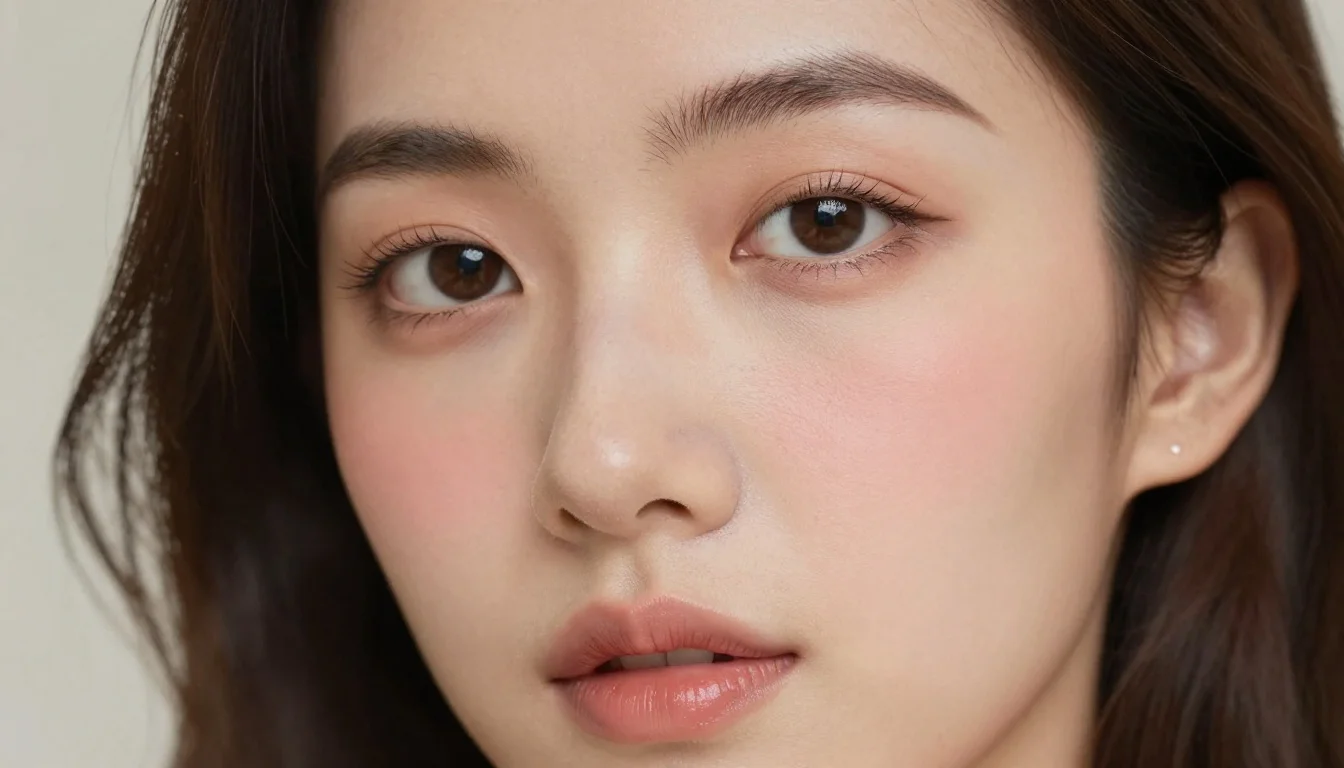
What lipstick colors are best for cool undertones?
The best lipstick shades for cool undertones share a cool base: cool berry shades with a blue-red base, raspberry and cool pink-red, cool rose with a violet-pink quality, classic blue-red or cool red, and deep violet-plum. All of these harmonize with the pink or blue-based frequency of cool undertones and make the complexion look clear and luminous rather than muddy or orange-tinted.
Your Best Lipstick Shades
Cool Berry
Cool berry shades are the quintessential lipstick family for cool undertones. They carry a blue-red base that harmonizes with the pink or rosy frequency of cool skin — the result is a vivid, luminous color that looks like it was formulated for your face specifically. Cool berry makes fair cool skin look fresh and defined; on medium or dark cool skin, it creates deep, striking contrast. Look for berries described as cool, blueberry, or boysenberry rather than warm or cranberry-toned. This is the family to build first.
Raspberry
Raspberry sits at the crossroads of pink and red — one of the most universally flattering registers for cool undertones. It is brighter and more vibrant than berry but not as high-contrast as a classic bold red. Raspberry on cool skin looks instantly polished: it brings out the natural pink of your complexion and creates clean, defined contrast around your features. Cool pink-red and rose-red are softer expressions of the same family — excellent for work or daytime occasions where full raspberry feels too bold.
Cool Rose
Cool rose is the everyday workhorse shade for cool undertones — a pink with a blue or violet base that looks naturally harmonious on cool skin. Where a warm pink would look orange-adjacent or muddy, a cool rose looks like a refined, polished version of your natural lip color. Rosy mauve adds dusty depth and works beautifully for autumn and winter. Dusty cool rose is a softer, more muted version suited to understated looks. These are your no-fail, any-occasion lipstick shades.
Classic Cool Red
Classic cool red — formulated with a blue rather than orange base — is the power shade of cool undertones. It is one of the most flattering high-contrast looks on cool skin because the cool base resonates with your undertone and the depth creates strong, defined contrast. Cherry red sits slightly warmer than pure blue-red while remaining in cool territory. Crimson adds depth to the family. These are your occasion and evening power shades — the ones that make the look complete without any other effort.
Plum
Plum is cool undertone's deep evening shade — adding drama and intensity with a violet-purple base that harmonizes beautifully with pink or blue-based skin. Unlike warm wine (which carries orange-red warmth), cool wine and violet-plum stay in cool territory throughout. Deep plum on fair cool skin creates extreme but harmonious contrast. On medium or dark cool skin, it adds depth that looks rich rather than overwhelming. These are your most sophisticated, statement-making lip shades.

Ready to see yourself in berry & blueberry pink?
Start my color analysisHow to Wear These Shades
Start with your cool rose for everyday
Cool rose is your foundation lipstick — the shade that goes with everything and enhances your natural coloring without effort. A rosy mauve for understated days, a clearer cool rose for work and casual occasions, and a brighter blue-pink rose for weekends form the core of a cool undertone lipstick wardrobe. Because all three share your undertone's temperature, they work with any complexion level from very fair to deep cool-toned skin. Pair with a cool rose lip liner in the same family to extend wear and define your lip shape.
Use cool berry for your signature look
Cool berry is the shade most uniquely suited to cool undertones — it is your signature in a way that no warm-undertoned person can replicate with the same result. A cool berry lip with minimal other makeup (clean skin, mascara, defined brows) is a complete, polished look. Pair with cool silver or white gold jewelry, which shares the cool temperature of both your skin and your lip color. A berry lip in the cool family reads as intentional and sophisticated rather than trying too hard.
Wear classic cool red for maximum impact
A true blue-red on cool undertones is one of the most powerful lipstick moments in beauty — because the shade and the skin are in perfect temperature alignment, the result is genuinely striking. Classic cool red works for formal occasions, evening looks, and any situation where you want your face to command attention. Keep the rest of your makeup minimal when wearing it: clean skin, curled lashes, defined brows. The lip is the statement and needs space to be one.
Build toward plum for evening and winter
Deep plum and cool wine are your cold-weather and evening lip shades — they add darkness and depth that is appropriate to the season and the occasion. The key to wearing deep plum without looking theatrical is preparation: exfoliate and hydrate your lips before application, use a lip liner to define and prevent bleeding, and apply with a lip brush for precision. On cool undertones, deep plum looks genuinely luxurious rather than costumey because the violet base harmonizes with your skin's frequency.
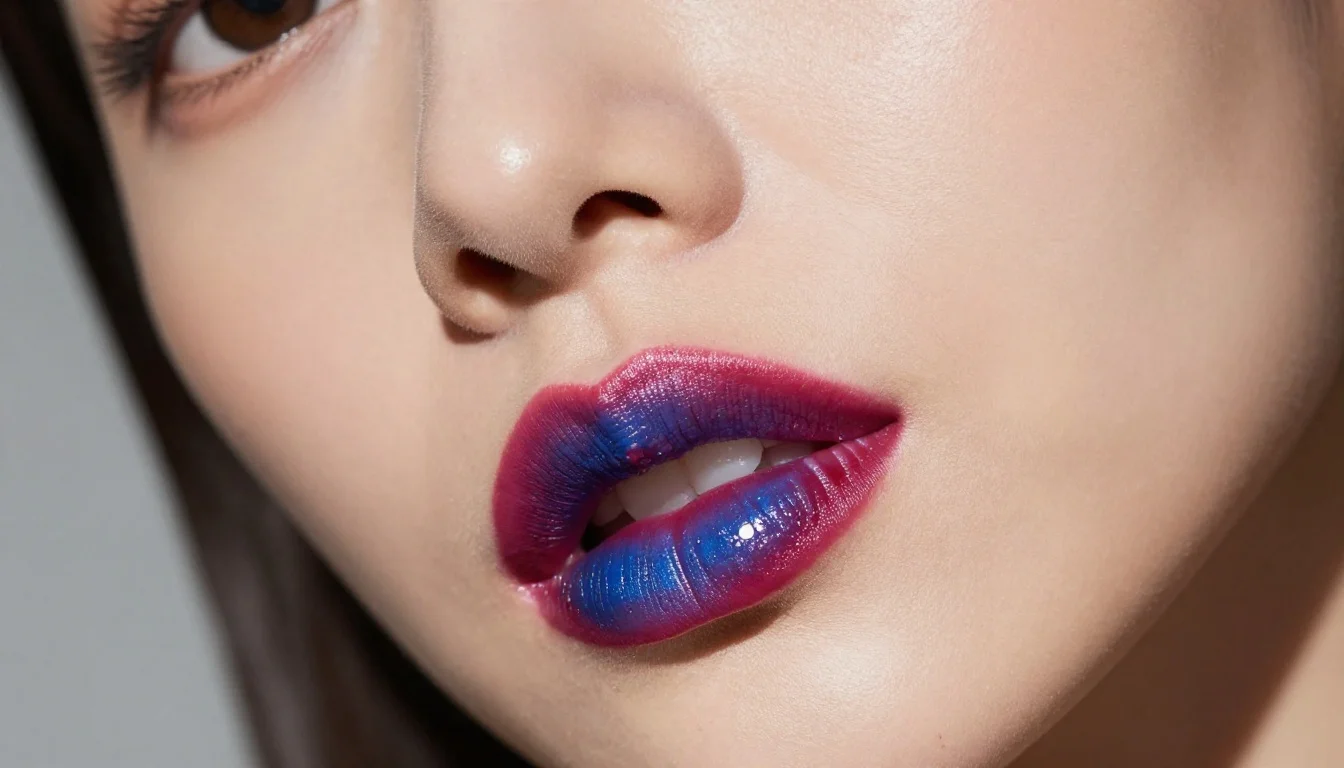
Lipstick Shades That Work Against Cool Undertones
Warm peachy-orange nudes
The most common lipstick mistake for cool undertones is choosing a nude in the peach or honey family. These nudes have yellow-orange bases that add warmth to a cool complexion — and the result looks orange-tinted or muddy rather than natural. What reads as a natural, skin-like nude on warm undertones looks garish and off-temperature on cool skin. Your nudes should have a pink or rosy base, not a golden or peachy one. Look for shades labeled mauve, pink-nude, cool nude, or rosy beige.
Warm brick reds and terracotta
Brick red and terracotta lipsticks are formulated with orange-warmth — the exact opposite of what cool undertones can absorb. On cool skin, these shades look muddy and simultaneously too orange and too flat. The orange base fights the pink-blue frequency of cool skin rather than complementing it. If you want a deep red, choose a classic cool red or cherry red. If you want earth-toned color, a deep berry or cool wine will give you depth without the orange conflict.
Warm coral and orange-adjacent shades
Coral lipsticks occupy the warm orange-pink zone — a zone that sits outside the temperature range of cool undertones. Even softer, more wearable corals have a yellow-orange base that creates temperature conflict on pink or rosy skin. The result is a look that feels slightly wrong without being identifiably why. If you want a fresh, vibrant lip, cool rose or raspberry will give you the same energy without the undertone clash. Stay away from anything labeled coral, salmon, or peach-orange.
Stop guessing — preview every shade on you
See myself in my shadesLipstick Swaps for Cool Undertones
Trade warm-based shades for cool-toned alternatives that harmonize with your complexion.
Peachy nudes have yellow-orange bases that look muddy and off-temperature on cool skin. A mauve or pink-nude with a rosy base looks natural and skin-like on cool undertones — the definition of a true nude for your complexion.
Warm pinks have a yellow-orange base that conflicts with cool skin's pink-blue frequency. A cool rose or blue-pink is formulated in exactly the temperature register of your undertone — it looks like a more vivid version of your natural lip color.
Brick red and warm red carry orange warmth that clashes with cool undertones. A true blue-red is formulated with a cool base that harmonizes with cool skin, making the red look vivid and bold rather than muddy.
Warm cranberry has an orange-red base that does not translate well to cool skin. A cool berry or boysenberry has a blue-red base that resonates with your undertone, making the depth look rich and intentional rather than muddy.
Warm wine has an orange-red base that creates undertone conflict on cool skin. Violet-plum and cool dark berry sit in the same depth register but with a blue-violet base that harmonizes beautifully with cool undertones.
Coral and orange-pink are warm-undertone territory. Raspberry gives you the same brightness and summer energy with a cool blue-pink base that works harmoniously with your complexion.
Which Seasonal Palettes Have Cool Undertones?
Cool undertones appear across several seasonal palettes — your specific season within the cool family determines the exact shades and depths that suit you most. The three most common cool seasonal types are Cool Summer, Cool Winter, and Light Summer.
Cool Summer
Learn moreCool Summer has cool, muted undertones with a soft, dusty quality — pinkish or blue-toned skin without strong contrast or depth. If you are Cool Summer, your lipstick shades are softer and more muted within the cool family: soft berry, dusty cool rose, soft raspberry, and rosy mauve. Your palette avoids high intensity and darkness; your best shades are understated, refined, and cool.
Cool Winter
Learn moreCool Winter is the high-contrast end of cool undertones — cool, clear skin with strong depth and intensity. If you are Cool Winter, your palette handles the most dramatic shades: true blue-red, deep violet-plum, vivid cool berry, and high-contrast raspberry. Your skin has the intensity to wear the boldest cool shades and make them look intentional rather than overwhelming.
Light Summer
Learn moreLight Summer combines cool undertones with lightness and delicacy — fair, cool, soft skin with low contrast. If you are Light Summer, your best lipstick shades are the lightest in the cool family: soft pink-nude, light cool rose, sheer berry, and delicate raspberry. Depth and intensity can overwhelm your coloring; your most flattering shades are light, cool, and beautifully soft.
Find Your Exact Shade
Cool undertone is your starting point — but your specific season within the cool family determines the exact register of berry, the right depth of plum, and the correct lightness of rose that makes your complexion look extraordinary. A personalized color analysis identifies whether you are Cool Summer, Light Summer, Cool Winter, or another cool season and maps the specific lipstick shades that work for your exact combination of depth, saturation, and undertone.

Related Guides for Best Lipstick for Cool Undertones
Explore more personalized color advice based on your features.
Want to see these colors on you? Skin Undertone Test — free to try.
Frequently Asked Questions About Best Lipstick for Cool Undertones
What lipstick colors are best for cool undertones?
The best lipstick shades for cool undertones share a cool base: cool berry shades with a blue-red base, raspberry and cool pink-red, cool rose with a violet-pink quality, classic blue-red or cool red, and deep violet-plum. All of these harmonize with the pink or blue-based frequency of cool undertones and make the complexion look clear and luminous rather than muddy or orange-tinted.
What lipstick colors should cool undertones avoid?
Cool undertones should avoid warm-based lipsticks: peachy-orange nudes, warm coral, brick red, terracotta, warm cranberry, and warm wine. These shades have yellow-orange bases that create temperature conflict with cool skin — the result looks muddy or slightly off rather than vivid and harmonious. The fix is to choose the cool-undertone version of each color family: cool rose instead of warm rose, cool red instead of brick red, berry instead of cranberry.
Can cool undertones wear red lipstick?
Yes — and a classic cool red is one of the most flattering shades for cool undertones. The key is the formulation: classic red lipstick, true red, cherry red, and crimson all tend to have a blue or cool base, which harmonizes perfectly with cool skin. The result is a vivid, striking look that looks intentional and polished. Avoid brick red, warm red, and orange-red — these have warm bases that create undertone conflict.
What is the best nude lipstick for cool undertones?
The best nude for cool undertones has a mauve, rosy, or pink base — not a peach or honey base. Look for shades described as cool nude, mauve, pink-nude, or rosy beige. A cool-undertone nude looks like a naturally refined version of your own lip color. Avoid nudes labeled peach nude, honey beige, warm beige, or apricot — these have warm bases that look off-temperature on cool skin, sometimes appearing orange or muddy.
Does berry lipstick suit cool undertones?
Berry is one of the most naturally flattering lipstick families for cool undertones — particularly cool berry shades with a blue-red base. Berry works because it shares the cool, pink-blue temperature of cool skin, creating harmony rather than conflict. The depth adds definition and contrast. Avoid warm berries like cranberry or tomato-red, which have orange warmth that does not translate well to cool skin. Cool berry, boysenberry, and blueberry pink are your berry family shades.
How do I know if my undertone is cool?
Several indicators point to cool undertones: your veins appear blue or blue-purple rather than greenish; silver jewelry looks more flattering than gold; you tend to burn rather than tan easily; shades like mauve, cool rose, and berry look naturally harmonious on you; and classic red lipstick looks better on you than orange-red or brick red. A professional color analysis identifies your undertone with precision and places you within the specific cool season that fits your depth and saturation level.