Shade family
Blonde
- Ask for
- Ash, pearl, platinum, cool champagne
- Why it works
- Brightens without reflecting yellow
- Maintenance
- Medium to high
Choose a cool hair color by natural depth, salon tone, and the maintenance needed to stop brassiness.
The best hair colors for cool skin tones share a clean ash, pearl, violet, blue, or cool-neutral base. Depth still matters: fair cool skin may glow in pearl blonde, while deeper cool coloring can carry espresso or blue-black. Choose the tonal family first, then account for maintenance before you book the salon.


3,000+
happy clients
Ash blonde, platinum, pearl blonde, mushroom brown, cool taupe, icy brunette, cool espresso, blue-black, burgundy, and violet auburn flatter cool skin tones. Avoid honey, golden caramel, and orange copper when they reflect yellow or orange onto the face. The best option also needs to match your natural depth and the amount of toning you can maintain.
The best hair colors for cool skin tones share a clean ash, pearl, violet, blue, or cool-neutral base. Depth still matters: fair cool skin may glow in pearl blonde, while deeper cool coloring can carry espresso or blue-black. Choose the tonal family first, then account for maintenance before you book the salon.
The undertone of your skin — whether it reads pink, rosy, or blue-cool — sets the temperature of your entire complexion. Hair color placed close to your face reflects light back onto your skin. A warm golden blonde reflects warm yellow-orange light; against cool-pink skin, that reflected warmth creates a subtle muddy mismatch that makes skin look slightly sallow or tired. An ash blonde reflects cooler light that harmonizes with pink skin, making the complexion look clean and luminous.
The key principle for cool undertones: match the temperature of your hair to the temperature of your skin. This doesn't mean going dramatically cool or platinum — it means choosing formulations that are ash, cool-neutral, or true-toned rather than golden, honey, or brassy. Even a warm brunette can be reformulated as a cool chestnut or ash brown that flatters cool skin in a way the warm version never would.
One common misconception: that cool undertones need to stay light or blonde. Cool undertones appear in very dark hair as readily as in light — deep blue-black and cool espresso look striking on cool skin. The contrast is intentional and clear. What matters is the temperature of the shade, not how dark or light it is. Cool skin can carry cool hair color at any depth.
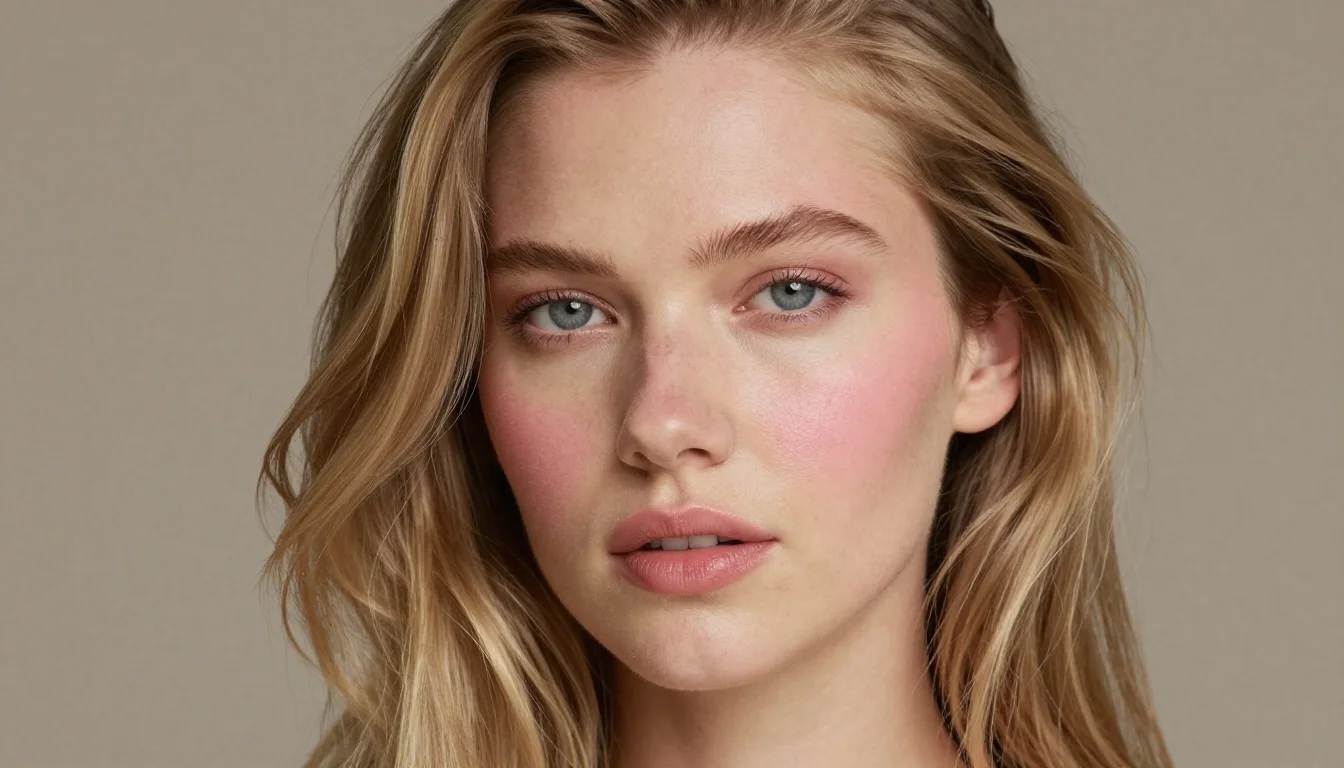
Ash blonde is the quintessential hair color for cool undertones — the grey-cool quality in ash hair resonates with the pink and blue in cool skin, creating a harmonious, luminous look. Platinum blonde takes this to the extreme: it requires genuinely cool or neutral undertones to work without looking harsh, but on cool pink skin, platinum looks deliberately striking. Cool sandy blonde is more approachable — slightly warmer than true ash but still cool enough not to fight your complexion.
Brown hair for cool undertones needs to run cool or neutral-cool — never golden or warm-toned. Ash medium brown has a grey undertone that prevents it from reflecting golden light onto cool skin. Mushroom brown is a particular favourite: its cool, desaturated quality sits at a natural-looking depth while flattering cool complexions. Cool chestnut has enough red to be interesting while staying on the cool side of the red-brown spectrum.
Very dark, cool-leaning hair creates clean, high contrast against cool-toned skin — particularly effective on fair, pale, or medium cool skin. Blue-black has a bluish sheen that resonates with the blue quality in cool undertones; together they look intentionally bold. Cool espresso is slightly softer: a very dark brown with a cool rather than warm cast, it creates deep contrast without the severity of true black. On cool-undertoned skin with naturally dark features, these shades look effortlessly powerful.
Reds for cool undertones need to lean blue or violet rather than orange. Burgundy and wine-red have a blue-based quality that complements cool skin's pink undertone rather than fighting it. Deep cherry red looks striking against cool skin — the richness of the red contrasts with cool skin without clashing. Even auburn can work for cool undertones if it's cooler (more brown-red) rather than warm (orange-red). The distinction: orange-based reds fight cool undertones; blue-based and violet-reds flatter them.
Take this vocabulary to your colorist and compare each family by effect and upkeep, not by the box photo alone.
Shade family
Shade family
Shade family
Shade family
Shade family
| Shade family | Ask for | Why it works | Maintenance |
|---|---|---|---|
| Blonde | Ash, pearl, platinum, cool champagne | Brightens without reflecting yellow | Medium to high |
| Light brunette | Mushroom, cool taupe, ash brown | Keeps softness without caramel warmth | Low to medium |
| Deep brunette | Icy brunette, cool espresso, blue-black | Creates clean contrast against cool skin | Low to medium |
| Red | Burgundy, wine, violet auburn, cool cherry | Uses blue-red instead of orange-red | Medium |
| Creative | Pearl silver, smoky lilac, cool rose | Echoes pink, blue, or violet undertones | High |
Ask how often the shade needs gloss, toner, or purple/blue shampoo before choosing a high-maintenance blonde or creative color.

When booking a hair color appointment, the most important instruction you can give your stylist is 'I have cool undertones — please keep the formula cool or neutral, not warm or golden.' Colorists often default to warm formulas because they're more forgiving on most clients. Explicitly requesting 'ash', 'cool', or 'no warm/golden tones' prevents the most common cool-undertone mistake. If in doubt, ask to see the actual formula being mixed — looking for descriptors like 'ash', 'pearl', 'cool', or a 'C' or 'A' designation in the tone letter.
Cool-undertoned hair needs consistent toning to stay flattering. Use a purple or blue shampoo once or twice a week to counteract brassiness in blonde or brown hair. For dark cool hair (blue-black, cool espresso), a blue or violet gloss every 4-6 weeks helps maintain the cool depth. Think of toning not as maintenance for vanity but as the process that keeps your hair colour doing what you chose it to do. Without it, any warm residue in the formula creeps forward.
If you want highlights, specify ash or cool highlights rather than warm, honey, or caramel. Babylights in an ash or pearl blonde tone are particularly flattering on cool-undertoned medium or dark brown hair — they create brightness without warmth. Avoid 'sun-kissed' or 'beachy' highlight techniques, which typically involve warm golden tones. Instead ask for 'cool balayage' or 'ash melt' to get the brightness with the right temperature.
If you're choosing a red hair colour with cool undertones, anchor yourself to the blue side of the red spectrum. Burgundy, wine, and cool cherry are safe choices. When choosing dark hair, avoid descriptions like 'espresso with warm tones' or 'dark chocolate with caramel' — both suggest warm undertones in the formula. Look for 'cool espresso', 'soft black', or 'cool dark brown'. Dark hair with blue tones — sometimes called 'raven' or 'blue-black' — is one of the most naturally flattering options for very cool-undertoned skin.
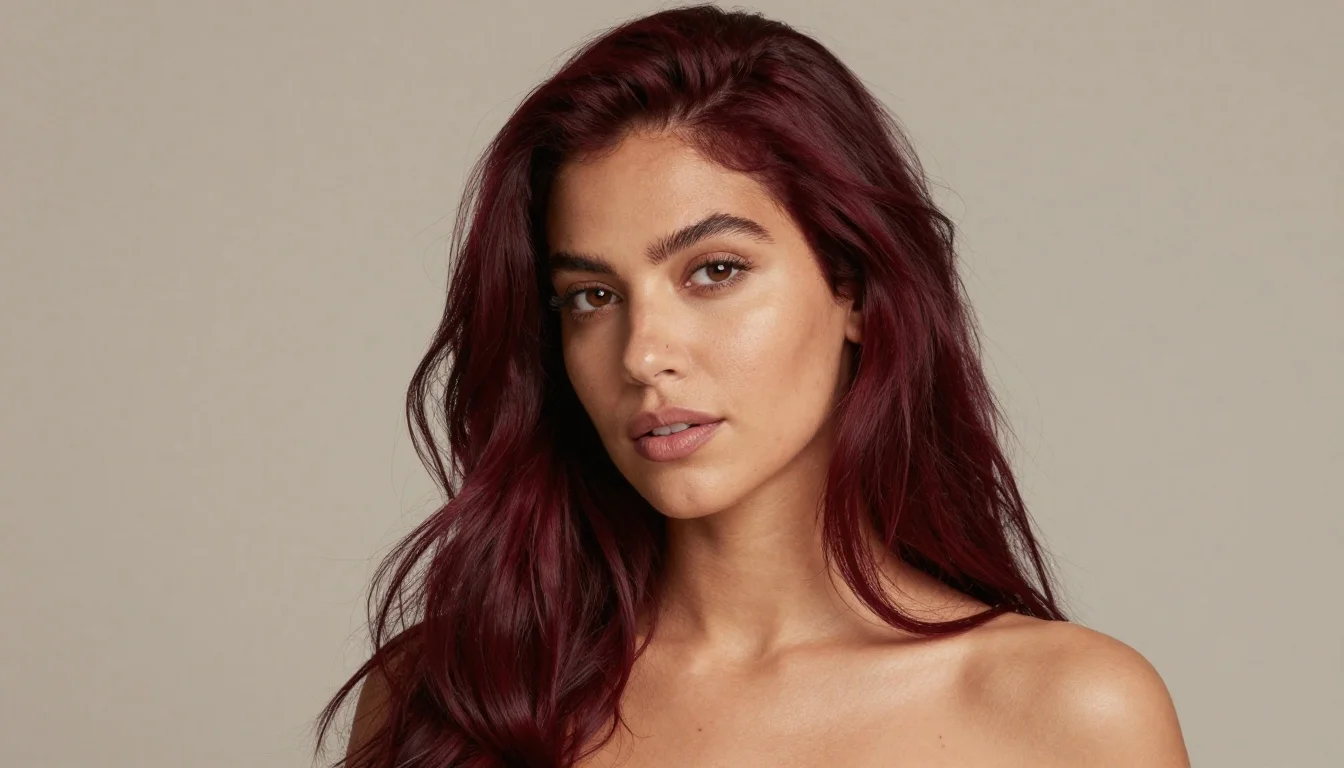
Cool undertones can look amazing in ash blonde, mushroom brown, or blue-black, but the depth still matters. Start with the free hair color quiz then preview your shortlist on your own photo.
Golden, honey, and buttery blonde tones reflect warm yellow-orange light back onto the face. Against cool-pink or cool-rosy skin, this reflected warmth creates a sallow clash. The skin's coolness fights the hair's warmth, and the result is a complexion that looks slightly muddied or tired. Golden blonde is the most common hair color mistake for cool-undertoned people.
Warm copper and orange-leaning auburn have a strong orange cast that sits in direct conflict with cool undertones' pink or blue quality. The orange of the hair and the pink of the skin don't share an undertone relationship — they create contrast without harmony. If you love red hair, look for cooler versions: burgundy, cool auburn, or wine red rather than copper or orange-red.
A warm medium brown or caramel highlights placed around a cool face reflects golden-warm light that makes cool skin look sallow. This is one of the most common highlights mistakes: the warmth in caramel or honey highlights reads as unflattering undertone conflict against cool skin. Choose ash or cool balayage highlights instead — the tonal difference is significant on cool-undertoned complexions.
Brassiness — the orange-yellow tones that develop in blonde or brunette hair over time — is particularly unflattering for cool undertones. As hair becomes brassy, it increasingly reflects warm light that clashes with cool skin. Maintaining tone with purple or blue toning shampoo is not optional for cool-undertoned people with coloured hair — it's the difference between hair that flatters and hair that drains.
Replace warm-toned shades that fight cool undertones — with cool alternatives that let your skin's natural clarity show.
Golden blonde reflects warm light that clashes with cool-pink skin. Ash blonde reflects cool light that creates clean harmony.
Warm brown creates sallow reflections on cool skin. Ash and mushroom brown let your complexion look its cleanest.
Caramel highlights bring warm reflections around cool skin. Ash or pearl highlights add brightness without the undertone conflict.
Orange-based reds clash with cool undertones. Blue-based reds like burgundy and cherry harmonize with the pink in cool skin.
Warm dark tones reflect golden light that muddies cool complexions. Cool dark shades create clean, striking contrast.
Without consistent toning, all hair color drifts warm. For cool undertones, that drift is the most visible and unflattering.
Cool undertones appear in several seasonal families. Your exact season depends on your depth (light to dark), your contrast level, and how your coolness reads — rosy, pink, or blue-cool.
Cool Summer has a soft, cool, and muted coloring — pink-cool skin, naturally ashy or mousy hair, grey or blue-grey eyes. Your best hair colors are soft and cool: ash blonde, rose-blonde, dusty medium brown. Avoid both stark black and strongly warm tones — Cool Summer's softness is disrupted by high contrast or warm warmth.
Cool Winter has bold, cool contrast — very clear or pale skin with a strong blue-pink undertone, dark hair, and striking eyes. You can carry the full range of cool hair colors: platinum, ash blonde, cool medium brown, and blue-black all look intentional on Cool Winter's high-contrast canvas. Your depth can go very light or very dark.
Light Summer shares Cool Summer's cool undertone but is lighter in overall depth — very fair or light skin, light hair, often blue or soft grey eyes. Your best hair colors are the lightest versions of cool: pearl blonde, soft ash, light cool brown. Avoid going much darker than your natural color, which disrupts the light and airy quality that defines your coloring.
Cool undertones span a range — from softly cool (Cool Summer) to boldly cool (Cool Winter) — and the specific hair shades that flatter you most depend on your depth, contrast, and exactly where your cool undertone lands. A personalized color analysis identifies your seasonal type and gives you a precise hair color direction: which blonde tone, which brunette temperature, which red family works best for your exact version of cool.
Explore more personalized color advice based on your features.
Want to see these colors on you? Skin Undertone Test — free to try.
Ash blonde, ash brown, mushroom brunette, blue-black, and cool-toned reds like burgundy are the most flattering hair colors for cool undertones. The key is choosing formulations that are labeled 'ash', 'cool', or 'pearl' rather than 'golden', 'honey', or 'warm'. Temperature of the shade matters more than the depth — any shade from very light to very dark can work as long as it leans cool.
Yes — ash blonde and platinum blonde are particularly flattering on cool undertones. The cool, grey-toned quality of ash blonde resonates with the pink or blue in cool skin, creating clean luminosity. Avoid golden or honey blonde, which reflects warm light that clashes with cool complexions. Platinum works best on the coolest, lightest skin tones — it's very striking on true cool-undertoned fair skin.
Yes, but choose reds that lean blue or violet rather than orange. Burgundy, wine red, cool cherry, and cool auburn all complement cool undertones by sharing the same blue-red quality as the skin's pink undertone. Avoid warm copper and orange-auburn, which sit in strong conflict with cool skin. The diagnostic question: does the red look more like red wine or more like autumn leaves? Wine-reds flatter cool skin; autumn-leaf reds do not.
Warm hair color on cool-undertoned skin creates a subtle but persistent clash. The warm tones in the hair reflect golden light back onto the face, creating a slightly sallow or muddy quality that makes the skin look tired or off. It's rarely dramatic, but it means your hair color is working against your complexion rather than for it. The fix is either toning the hair cooler or choosing a cooler formula next time.
Use a purple or blue toning shampoo once or twice weekly — this neutralizes the yellow and orange tones that develop as hair color fades. Also avoid heat without heat protectant and limit time in chlorine pools, both of which accelerate brassiness. At the salon, ask for a cool gloss or toner after every color service. For cool undertones, maintaining the cool tone of hair is essential — brassiness is more visible and more unflattering than for warm-undertoned people.
No — cool undertones can wear dark hair beautifully. Cool espresso, blue-black, and soft black are all flattering on cool-undertoned skin. The contrast between dark hair and cool-toned skin looks intentional and striking, not harsh. What to avoid with dark hair is warm tones within the formula: a warm-based espresso reflects golden light that muddies cool skin. Specify 'cool' or 'ash' even when choosing very dark shades.