The Best Blush Shades forWarm Undertones
Warm undertones need blush with a yellow-orange base to harmonize with the skin. Discover which tones look natural on you — and which to skip.
Warm undertones — the golden, peachy, or yellow quality beneath your skin — need blush shades with a warm base to look harmonious. Peach, coral, warm rose, and terracotta are the warm-undertone blush family. Apply a cool pink or blue-toned rose on warm skin and it reads as artificial, too pink, or slightly alien. Apply a soft peach or coral and it looks like your own warmth, amplified.


3,000+
happy clients
Why Warm Undertones Need Warm-Based Blush
Warm undertones — the golden, peachy, or yellow quality beneath your skin — need blush shades with a warm base to look harmonious. Peach, coral, warm rose, and terracotta are the warm-undertone blush family. Apply a cool pink or blue-toned rose on warm skin and it reads as artificial, too pink, or slightly alien. Apply a soft peach or coral and it looks like your own warmth, amplified.
Warm undertones have golden, peach, or yellow pigmentation beneath the skin's surface. This warmth is the defining quality of your complexion — it's what makes you look sun-kissed in summer and glowing in the right light. Blush that shares this warm base echoes and amplifies the natural quality of your skin. Blush that's cool-toned — pink, lavender, blue-based rose — fights the warm undertone and creates a temperature clash that reads as artificial.
The warm-blush family encompasses a wide range: from the palest soft peach on light warm skin to deep terracotta on deep warm skin. The common thread is the underlying warmth — a yellow or orange base that harmonizes with the golden-to-peachy quality of warm undertones. Even within the pink family, a peachy-pink or warm rose (with a hint of orange) works on warm undertones while a blue-pink does not.
The practical benefit of matching blush to warm undertones is that the color integrates with the skin rather than sitting on top of it. Warm peach blush on warm skin looks like your cheeks caught the sun. Cool pink blush on warm skin looks like product. The integration is the whole goal — blush should add color that reads as coming from within the skin, not applied to the surface.

What blush color is best for warm undertones?
Peach, coral, warm rose, and terracotta are the most flattering blush shades for warm undertones. The common thread is a yellow or orange base that harmonizes with the golden quality of warm skin. For light warm skin, soft peach and apricot work best. For medium warm skin, warm coral and peachy-rose. For deep warm skin, terracotta and brick rose.
Your Best Blush Shades for Warm Undertones
Peach: The Signature Warm-Undertone Blush
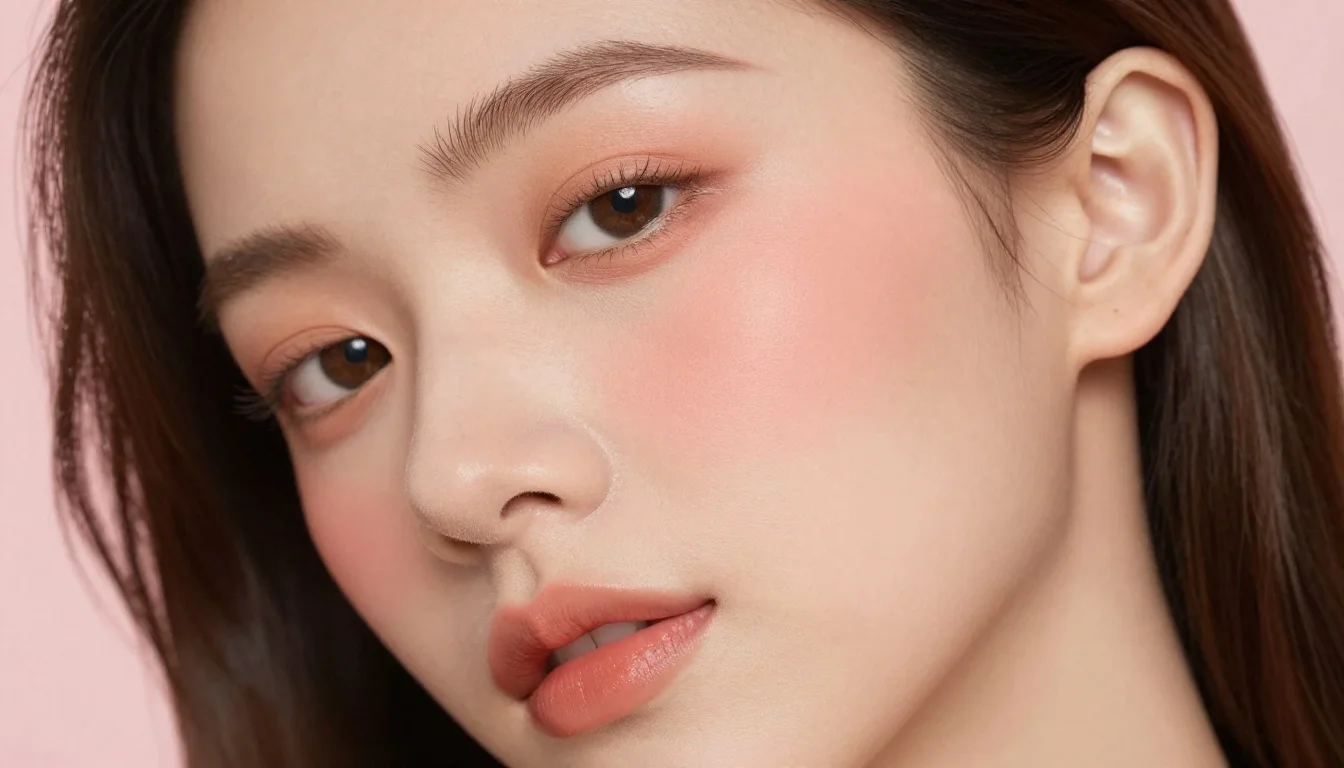
Peach is the quintessential warm-undertone blush because its yellow-orange base mirrors the undertone exactly. On warm skin, peach blush reads as a natural warmth — the color integrates with the golden quality of the skin and looks like the cheeks simply caught the light. The shade family runs from very pale apricot on light warm skin to deeper golden peach on deeper warm complexions. The warmer and more golden the skin, the more warmth the blush can carry without looking artificial.
Coral: Warmth With Energy
Coral — the family between orange and pink — is warm-undertone-flattering because of its orange base. The pink element keeps it from reading as pure orange, while the orange element gives it the warmth that harmonizes with golden skin. Coral blush on warm undertones looks vibrant and alive in a way that cool blush cannot achieve — the warmth resonates with the skin rather than fighting it. Choose coral shades that lean slightly more pink for fair warm skin and slightly more orange for deeper warm skin.
Warm Rose: When You Want Softness
Warm rose sits between peach and pink — it has enough pink to read as rose but enough warmth to harmonize with warm undertones. For warm undertones who love the rose-pink family but find pure cool pink reads as too artificial on their skin, warm rose is the solution. The trick is finding roses with a peach or yellow base rather than a blue base — peachy-pink and warm mauve rather than cool pink or blue-rose.
Terracotta: Rich Warmth for Deeper Skin
Terracotta is the elevated warm-undertone blush family for medium-to-deep warm complexions. The earthy warmth of terracotta — brownish orange-red — harmonizes beautifully with deep golden and olive-warm skin tones where lighter peach reads as too light. On warm olive to deep warm skin, terracotta and brick-rose blush create a sophisticated, sun-baked warmth that looks natural and intentional. Terracotta doubles as a light contour on very warm deep skin.

Ready to see yourself in peach & apricot?
Start my color analysisHow to Apply Blush for Warm Undertones
Layer peach blush with bronzer for a sun-kissed effect
Warm undertones are uniquely suited to the blush-and-bronzer layering technique. Apply a warm matte bronzer first to add depth and warmth to the perimeter of the face, then layer a sheer peach or coral blush over the apples of the cheeks. The bronzer and blush share a warm base, so they blend seamlessly rather than clashing. The result is a cohesive, sun-warmed look that complements warm undertones perfectly.
Use cream blush for the most natural warm-skin result
Cream blush blends into warm skin with a naturally luminous quality — it integrates with the skin rather than sitting on top. For warm undertones, a sheer cream peach or coral blush applied with fingertips or a dense brush creates the most natural flush effect. The creaminess adds a slight glow that echoes the natural luminosity of warm-undertone skin. Build from a light base and layer for intensity.
Match blush warmth to your skin's depth
Light warm skin looks best with softer, lighter peach and apricot blush. Medium warm skin can handle warm coral and peachy-rose. Deep warm skin looks most natural in deeper terracotta and brick-rose. The principle: as skin depth increases, the blush can carry more warmth and depth without overpowering. Matching blush depth to skin depth creates the integration that makes blush look natural.
Try warm blush as a subtle eye accent
Warm undertones can extend a peach or soft coral blush onto the lower lash line and the inner corners of the eye for a cohesive warm monochromatic look. Pressing a small amount of your cheek blush below the eye with a fingertip — just a wash of warm color — creates a sun-kissed, slightly tired-in-a-beautiful-way quality that looks effortless on warm skin. This technique works particularly well with peachy-gold tones.
Blush Shades That Fight Warm Undertones
Cool blue-pink or fuchsia blush
Cool pink and fuchsia blush have a blue base that creates a visible temperature clash with warm skin. On warm golden or peachy skin, a blue-pink blush reads as artificial — the cool product sits on top of the warm skin without integrating. The contrast between a cool-toned blush and warm-toned skin is the exact opposite of what you want: product that reads as applied rather than as natural flush.
Lavender and lilac blush
Lavender and lilac blush are on the cool-to-purple end of the spectrum — the opposite temperature of warm undertones. These shades can look beautiful on very cool skin where the purple echo works, but on warm skin they read as bruise-colored or ashy. The temperature mismatch between cool-purple blush and warm golden skin is one of the most obvious blush mistakes.
Blue-based rose
A rose blush that leans blue rather than warm — the kind of dusty rose that reads almost lavender-pink — fights warm undertones. The blue base creates the temperature clash even within the rose family. Test roses by asking whether they read warm (peachy-rose, warm mauve) or cool (blue-rose, dusty lavender-rose). Warm undertones need the first category.
Very cool or ashy tones
Ashy, greyed-down, or very cool muted blush shades that work on cool summer palettes create a greying effect on warm skin. Warm undertones need warmth in the blush — removing the warmth makes the complexion read as dull or sallow by contrast. Even a "neutral" blush can lean too cool for warm undertones.
Stop guessing — preview every shade on you
See myself in my shadesBlush Swaps for Warm Undertones
Replacing cool-toned blush with warm-toned alternatives that harmonize with golden skin.
Cool pink creates a temperature clash on warm skin. Peach echoes the warmth of golden undertones and reads as a natural flush.
Blue-rose fights warm undertones. Peachy-pink and warm mauve sit in the warm family and integrate beautifully.
Cool coral has a blue base that fights warm undertones. Warm coral and salmon share the orange base that harmonizes with golden skin.
Muted cool shades read as ashy on warm undertones. Terracotta and brick rose lean into the warmth and look rich and intentional.
Warm undertones look most luminous with warm-toned shimmer. Gold and peach highlights resonate with the skin's undertone rather than fighting it.
Warm undertones are naturally suited to the bronzer-blush layering technique. The shared warm base creates a cohesive, sun-kissed look.
Which Seasonal Palette Has Warm Undertones?
Warm undertones appear across several seasonal palettes. Your specific season depends on your depth, whether your warmth is light or rich, and your overall contrast level.
Warm Spring
Learn moreLight-to-medium skin with a clear, warm golden undertone and bright, fresh quality belongs to Warm Spring. Your blush: bright peach, warm coral, and peachy-pink. Spring warmth is lighter and more luminous than Autumn — your blush reflects that freshness with lighter, clearer warm tones.
Warm Autumn
Learn moreMedium-to-deep skin with a rich, golden or coppery warm undertone belongs to Warm Autumn. Your blush: warm terracotta, earthy coral, and brick rose. Autumn warmth is deeper and earthier than Spring — your blush reflects that with more depth and earthiness in the warm family.
True Spring
Learn moreClear, warm skin with a distinctly yellow-golden quality and a bright overall appearance belongs to True Spring. Your blush: warm peach, light coral, and golden apricot. True Spring needs warmth and brightness — the clearest, lightest end of the warm blush family.
Find Your Exact Warm-Undertone Blush
Warm undertones in the right blush are extraordinary — a soft peach or coral flush that resonates with golden skin reads as natural health rather than makeup. A personalized color analysis identifies your specific season within the warm family and gives you exact blush shades, product recommendations, and application guidance for your specific warm complexion.

Related Guides for Best Blush for Warm Undertones
Explore more personalized color advice based on your features.
Want to see these colors on you? Skin Undertone Test — free to try.
Frequently Asked Questions About Best Blush for Warm Undertones
What blush color is best for warm undertones?
Peach, coral, warm rose, and terracotta are the most flattering blush shades for warm undertones. The common thread is a yellow or orange base that harmonizes with the golden quality of warm skin. For light warm skin, soft peach and apricot work best. For medium warm skin, warm coral and peachy-rose. For deep warm skin, terracotta and brick rose.
Can warm undertones wear pink blush?
Warm undertones can wear pink blush — but only pinks with a warm base. Peachy-pink and warm mauve work well on warm skin. Cool pink with a blue base, fuchsia, and lavender-pink all create a temperature mismatch on warm undertones. Test a pink blush by asking whether it leans toward peach-pink (warm) or blue-pink (cool) — warm undertones need the first.
What is the difference between coral and peach blush for warm undertones?
Peach blush leans softer and more skin-close — it has a lighter, more apricot quality. Coral blush is more vibrant and energetic — it has more orange-pink saturation. Both work beautifully on warm undertones. Peach looks more natural and everyday; coral reads as more intentional and vivid. For everyday wear, peach or apricot. For a statement warm look, coral.
Do warm undertones look good with bronzer and blush together?
Yes — warm undertones are actually the best candidate for the bronzer-plus-blush technique. Because both bronzer and peach or coral blush share a warm orange-yellow base, they layer seamlessly without clashing. Apply bronzer first along the perimeter and hollows of the face for warmth and depth, then layer sheer peach blush on the apples of the cheeks for a flush. The combined effect is a sun-kissed glow that looks entirely natural on warm skin.
Why does cool pink blush look wrong on my warm skin?
Cool pink blush has a blue base that creates a temperature clash against warm golden skin. The warm quality of your undertone and the cool quality of a blue-pink blush sit in opposite registers — the product reads as sitting on top of the skin rather than integrating with it. The result looks like a flush of a different color than your natural warmth, which reads as artificial. Warm peach and coral blush share your skin's temperature register and integrate seamlessly.