Best Lowlights forGreen Eyes
Green eyes are rare and luminous — the right lowlights intensify their colour by creating the. Discover how to find the colors that actually flatter your coloring.
Green eyes are among the rarest and most striking eye colours — but they need the right hair backdrop to truly shine. Unlike blue or brown eyes, green sits in a middle ground: it has warmth, depth, and a subtle golden quality that most lowlight choices either activate or suppress. The right lowlights create a warm-rich contrast that draws out the green intensity of the iris, making eyes appear more vivid, deeper, and more dramatically coloured. The wrong choices — usually cool, flat, or competing hues — can make green eyes look grey, washed out, or simply unremarkable.


3,000+
happy clients
Why Hair Depth Transforms the Way Green Eyes Read
Green eyes are among the rarest and most striking eye colours — but they need the right hair backdrop to truly shine. Unlike blue or brown eyes, green sits in a middle ground: it has warmth, depth, and a subtle golden quality that most lowlight choices either activate or suppress. The right lowlights create a warm-rich contrast that draws out the green intensity of the iris, making eyes appear more vivid, deeper, and more dramatically coloured. The wrong choices — usually cool, flat, or competing hues — can make green eyes look grey, washed out, or simply unremarkable.
Green eyes derive their colour from a combination of Rayleigh scattering (the same phenomenon that makes the sky blue) and moderate amounts of melanin in the iris. This means green eyes are somewhat light-dependent — their vibrancy shifts dramatically based on surrounding colours and the quality of light hitting them. Hair colour plays a direct role in this: the tonal depth and warmth of surrounding hair affects how the green in the iris is perceived.
Lowlights introduce depth and dimension into hair that creates visual contrast against the face. For green eyes, warm-toned depth is particularly effective because it sits in the complementary colour range — rich reds, ambers, and auburn tones on the opposite side of the colour wheel from green. When warm-toned lowlights frame the face, they amplify the green quality in the iris through colour contrast, making it appear more saturated and vivid.
The most common mistake with green eyes is choosing lowlights that are too cool or too ashy. Cool, flat lowlights — mushroom brown, ash grey, cool espresso — create a muted, low-contrast backdrop that flattens green eyes rather than intensifying them. Warm lowlights in the auburn, chestnut, and rich brown family create the ideal contrast: warm depth that makes green stand out as the brightest, coolest colour in the face.
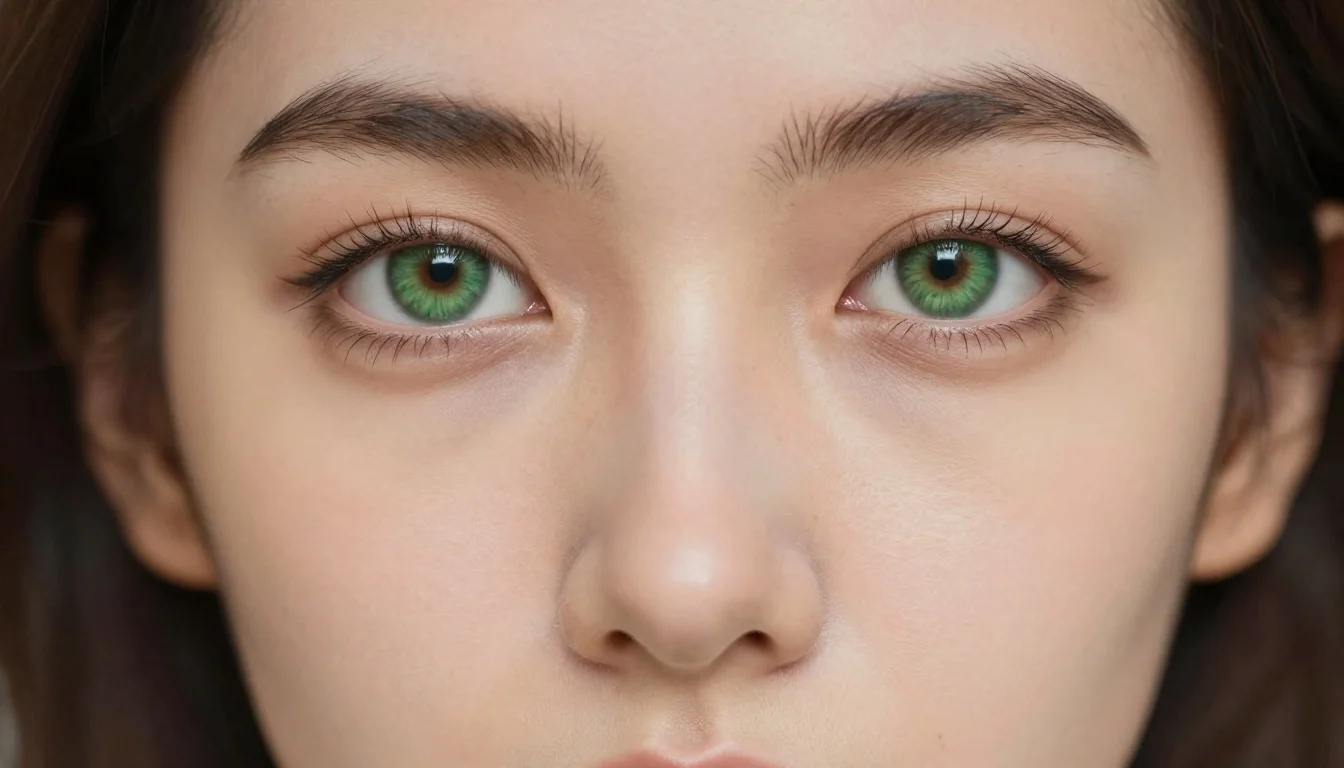
What lowlights are most flattering for green eyes?
Auburn, warm chestnut, and rich chocolate lowlights are the most flattering for green eyes. Red and auburn tones are complementary to green on the colour wheel, creating a contrast that makes green eyes appear more saturated and vivid. Warm chocolate and chestnut provide similar benefits with a more subtle, natural look. All flattering choices for green eyes share one quality: warmth.
Your Best Lowlight Tones for Green Eyes
Auburn and Red-Brown
Auburn and red-brown lowlights are the most powerful enhancers for green eyes because red and green sit opposite each other on the colour wheel. This complementary contrast makes both colours appear more vivid — the warmer and redder the lowlight, the greener and more intense the eyes appear by comparison. Auburn lowlights placed through lighter or medium brown hair create a dimensional, fiery depth that makes green eyes look almost jewel-like.
Rich Chestnut and Warm Brown
Rich chestnut and warm brown lowlights create a grounded, earthy depth that makes green eyes pop without the intensity of red-toned auburn. Chestnut has a subtle reddish-warm quality that still benefits from the complementary contrast principle while remaining wearable and natural-looking. These are ideal for green-eyed individuals who want the enhancement without a dramatically warm hair colour.
Deep Chocolate and Warm Espresso
Deep, warm-toned lowlights in chocolate and espresso create maximum contrast for green eyes when used on lighter bases. The darkness itself provides a striking backdrop against which the bright green iris reads as luminous and vivid. Critically, these must stay warm — a warm espresso rather than a cool blue-black — to maintain the colour-temperature relationship that benefits green eyes.
Caramel and Golden Brown
Caramel and golden brown lowlights work beautifully for green eyes with golden or hazel qualities. The golden warmth in these shades draws out the yellow-green and warm green tones in the iris, making the eye colour appear richer and more complex. This is an excellent choice for lighter hair bases where deep auburn or chocolate lowlights might be too dramatic — caramel keeps the palette warm without going dark.
Ready to see yourself in auburn & red brown?
Start my color analysisGetting the Most From Your Lowlights With Green Eyes
Placement for eye enhancement
For green eyes, lowlight placement matters. Ask your colourist to concentrate warmth-enhancing lowlights in the upper layers and near the face frame — the sections closest to the eye area. When the deepest, richest lowlight tones frame the face directly, they create the strongest contrast with the iris, maximising the visual pop of green eyes. Interior layers can carry cooler or more neutral depth.
Combining with highlights
Green eyes look their most vivid when hair has genuine dimension — both lowlights and highlights in the same session. The most effective combination for green eyes is warm auburn or chestnut lowlights paired with honey, caramel, or golden highlights. This creates a sun-kissed warmth throughout the hair that frames the green iris beautifully, with the variation in depth making the eyes appear more vivid than on a flat monochromatic base.
Eye makeup coordination
With warm lowlights enhancing green eyes, complement with copper, bronze, warm plum, or rust eyeshadow tones. These warm colours echo the lowlight shades while further intensifying the green contrast. Avoid cool blue or grey eyeshadow when wearing warm lowlights — the temperature mismatch between eye makeup and hair colour reads as disconnected rather than intentional.
Clothing colours to complete the look
Warm lowlights and green eyes look most polished when paired with warm, earthy clothing tones. Terracotta, warm olive, rust, deep camel, and warm burgundy all echo the hair warmth while complementing the green iris. For maximum eye impact, wearing a green-adjacent or complementary tone — like a deep rust or warm terra cotta — in your upper-body clothing directly beneath the face creates the strongest possible frame for green eyes.
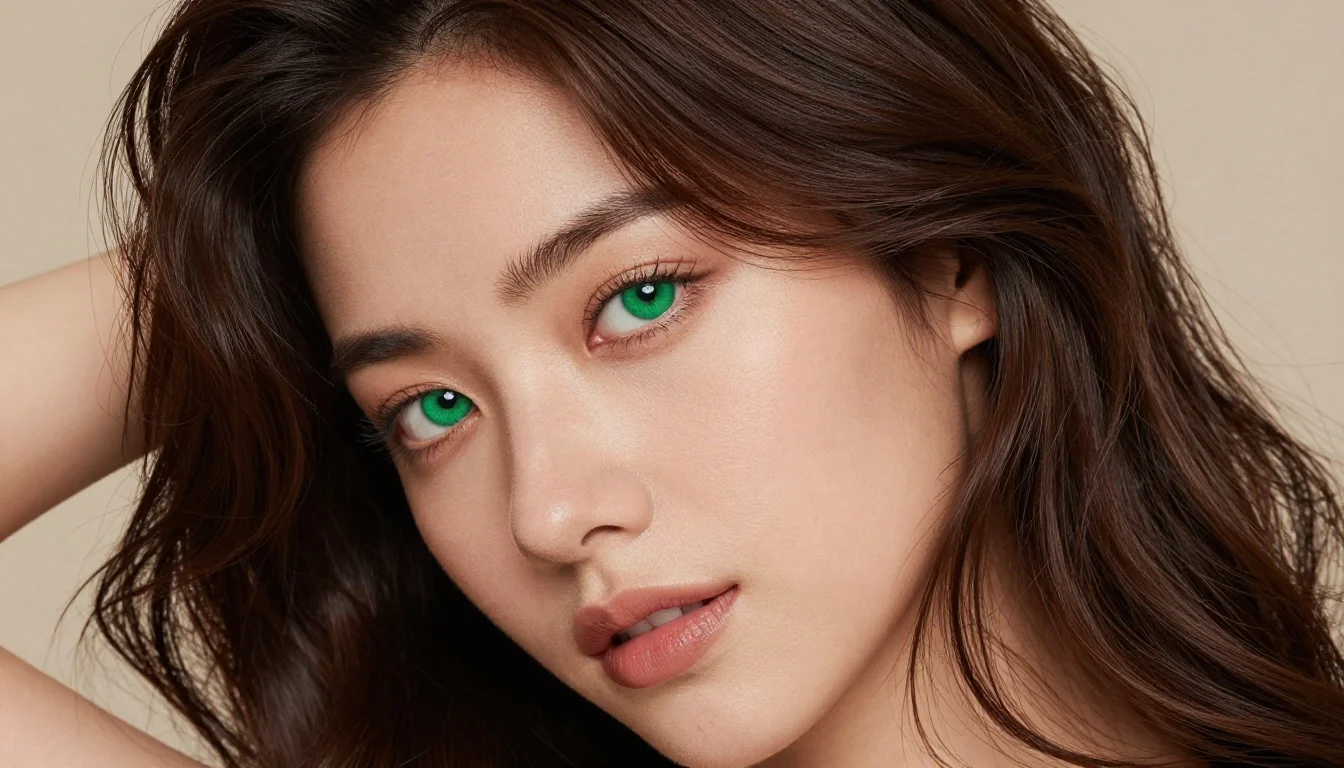
Lowlight Tones That Dull Green Eyes
Ash brown and cool mushroom
Cool, ashy lowlights remove the warmth that green eyes need to appear vivid. Ash brown and mushroom tones are in the grey-cool family, which creates a temperature mismatch with the warm-cool balance of green eyes. The result is eyes that appear greyer and less vivid — the green looks dulled rather than intensified.
Blue-black or cool dark brown
While dark lowlights can be striking, cool-based very dark shades — blue-black, cool ebony, cool very dark brown — create a stark contrast that overwhelms rather than enhances green eyes. The coolness of these tones competes with green rather than complementing it, and the extreme darkness can make the face appear heavy without lifting the eye colour.
Violet or purple-toned brown
Violet and purple-toned lowlights create a colour clash with green eyes. While complementary contrast can work beautifully (as with red and green), violet and green clash rather than complement — they sit adjacent on the wheel rather than opposite. Purple-toned hair lowlights can make green eyes look more grey or muddied rather than more vivid.
Very light platinum or cool blonde lowlights
Cool, very light lowlights used for contrast lack the warmth that benefits green eyes. On darker hair, cool platinum lowlights create an unnatural, cool contrast that makes green eyes look pale and washed out rather than intensely green. Warm blonde or honey tones are always preferable to cool blonde for green-eyed individuals.
Stop guessing — preview every shade on you
See myself in my shadesLowlight Swaps for Green Eyes
Trading cool and flat tones for warm, rich alternatives that intensify green eye colour.
Ash brown mutes the warmth that green eyes need to appear vivid. Warm chestnut activates the complementary colour contrast that makes green irises glow.
Cool dark lowlights compete with green rather than contrast it. Warm dark shades provide the same depth while keeping the colour temperature relationship that benefits green eyes.
Violet and green create an unflattering clash. Auburn and copper directly complement green through colour-wheel contrast, making the eye colour appear more saturated.
Cool blonde removes warmth and mutes green eyes. Warm caramel and honey maintain the golden warmth that frames green eyes at their most vivid.
Grey mushroom tones have no warmth to complement green eyes. Warm toffee and cinnamon share the amber-warm family that reads as complementary contrast to the green iris.
Cool tones near the face frame the eye area in a flattering but muted way for green eyes. Warm auburn and warm brown placed near the face provide the direct complementary contrast that makes green eyes appear their most vivid.
Which Palette Might Be Yours?
Green eyes appear across multiple seasonal palettes but are particularly common in spring and autumn types. Your seasonal palette determines exactly how warm, light, or deep your lowlights should go.
Warm Autumn
Learn moreGreen eyes with golden or hazel warmth and warm-toned medium skin often fall in Warm Autumn. Your best lowlights are rich auburn, chestnut, warm mahogany, and dark cinnamon. You can handle intense warm depth and the highest warmth contrast — this approach makes your green eyes look their most dramatic and vivid.
Warm Spring
Learn moreClear, bright green eyes with warm-toned lighter skin often fall in Warm Spring. Your best lowlights are lighter warm tones: honey brown, warm caramel, golden chestnut. Keep the lowlights warm but not too dark — you want warm luminosity rather than rich depth, which can feel heavy for spring colouring.
Soft Summer
Learn moreMuted, grey-green eyes with cool or neutral-cool undertones may fall in Soft Summer. Your best lowlights are softer, more muted warm tones — soft chestnut, warm taupe-brown — rather than intense auburn. The goal is gentle warm depth rather than stark contrast, which can overwhelm the soft quality of your colouring.
Find Your Exact Shade for Green Eyes
Green eyes range from pale sage to vivid emerald, with enormous variation in whether they lean warm, cool, or golden. The exact lowlight tone that best enhances your specific green depends on the precise hue of your iris, your skin undertone, and your natural hair depth. A personalised colour analysis identifies your seasonal palette and gives you the precise shade language to communicate with your colourist — so you leave the salon with lowlights that genuinely make your green eyes look extraordinary.
Related Guides for Best Lowlights for Green Eyes
Explore more personalized color advice based on your features.
Want to see these colors on you? What Colors Look Good on Me — free to try.
Frequently Asked Questions About Best Lowlights for Green Eyes
What lowlights are most flattering for green eyes?
Auburn, warm chestnut, and rich chocolate lowlights are the most flattering for green eyes. Red and auburn tones are complementary to green on the colour wheel, creating a contrast that makes green eyes appear more saturated and vivid. Warm chocolate and chestnut provide similar benefits with a more subtle, natural look. All flattering choices for green eyes share one quality: warmth.
Should lowlights for green eyes be warm or cool?
Warm, without exception. Green eyes have a warm-cool complexity that requires warm hair tones to activate the vivid green quality of the iris. Cool lowlights — ash brown, mushroom, cool espresso — create a muted, cold backdrop that makes green eyes appear grey or washed out. Warm tones in the auburn, chestnut, and golden-brown family create the complementary contrast that makes green eyes appear genuinely vivid.
Can lowlights make green eyes look more intensely green?
Yes — this is precisely what the right lowlights do. Auburn and warm chestnut lowlights intensify green eyes through complementary colour contrast: warm red tones and green sit opposite each other on the colour wheel, so placing warm depth near green eyes makes the green appear more saturated and vivid. Many people with green eyes find that the right lowlights make their eye colour appear to change shade — from a muted green to a bright, jewel-toned green.
Do auburn lowlights work on all hair shades for green eyes?
Auburn lowlights blend naturally into medium to dark brown hair bases and even work on darker blonde hair. On very light blonde hair, a softer warm chestnut or honey might be more proportionate than intense auburn. On black hair, auburn lowlights provide dramatic warm dimension. The key is that the warmth should always be present — the exact shade of auburn can vary by base colour, but warm undertones should be non-negotiable for green eyes.
What colours to avoid with green eyes in lowlights?
Avoid ash brown, cool mushroom, grey-toned lowlights, violet-toned brown, and cool espresso or blue-black. All of these share a cool temperature that either creates a colour clash with green or simply fails to provide the warm contrast that makes green eyes vivid. Cool lowlights are the most common mistake for green-eyed clients and the easiest to correct by switching to a warm-toned alternative.
How many shades darker should lowlights be for green eyes?
For the most flattering effect on green eyes, lowlights that are two to four shades darker than the base hair colour create the ideal level of contrast. Too subtle (one shade) and the dimensional effect is minimal; too extreme (five or more shades) and the result can look harsh rather than natural. The exact depth depends on your base colour — lighter bases can use darker lowlights proportionally, while already-dark hair needs only subtle depth variation.