Best Highlights forDark Skin
Highlights on dark skin need enough contrast to be visible without looking harsh or unnatural. Discover how to find the colors that actually flatter your coloring.
Highlights on dark skin require a different approach than on lighter complexions. The goal is creating visible dimension — shades that show up against deep melanin-rich skin — while keeping the result harmonious rather than harsh. Dark skin with its warm, neutral, or sometimes cool undertones has specific highlight families that work beautifully and others that look disconnected or abrupt.


3,000+
happy clients
Why Deep Melanin Changes the Highlight Approach
Highlights on dark skin require a different approach than on lighter complexions. The goal is creating visible dimension — shades that show up against deep melanin-rich skin — while keeping the result harmonious rather than harsh. Dark skin with its warm, neutral, or sometimes cool undertones has specific highlight families that work beautifully and others that look disconnected or abrupt.
Dark skin contains high concentrations of melanin — the pigment that gives skin its depth and richness. This affects how highlights interact with the overall look in two important ways. First, very light highlights create high contrast against deep complexions, which can look dramatic but also artificial if not executed thoughtfully. Second, dark skin often has warm undertones — brown, red, gold, or neutral — that determine which highlight tones will look natural versus disconnected.
The most flattering highlights for dark skin are those that honor the skin's warmth. Rich warm tones — honey, caramel, amber, golden — create dimension that looks like natural light playing through the hair rather than a sharp color boundary. These warm highlights complement the golden, brown, and red undertones common in dark complexions. Cool highlights like ash blonde or platinum create a color clash that reads as artificial against the warmth of most dark skin.
The depth of the starting hair color matters enormously for dark skin. Dark brown or black hair requires significant lifting to show color, which creates the risk of banding or orange tones if not done carefully. Many colorists experienced with dark skin recommend starting with a lighter base goal — honey or caramel rather than platinum — to avoid over-processing and to achieve a result that integrates naturally with deep complexions.
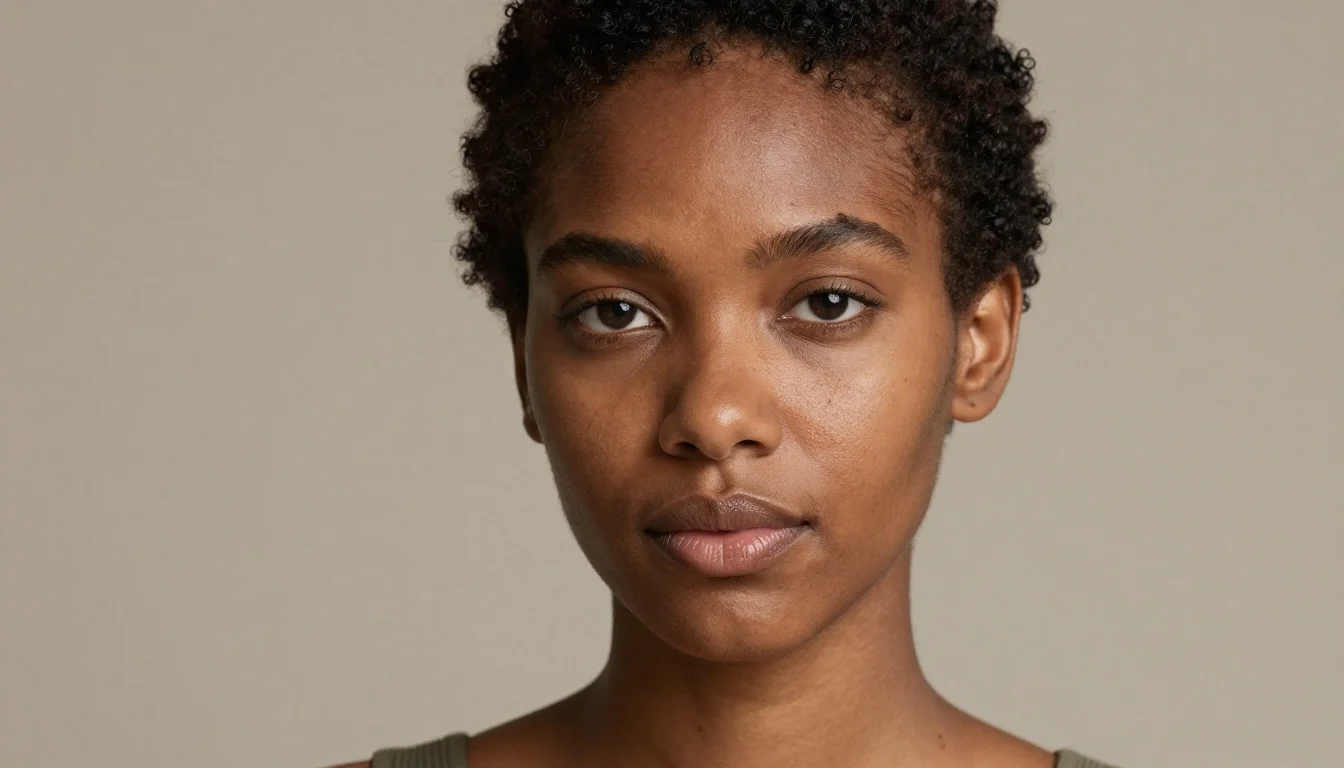
What highlights look best on dark skin?
Caramel, honey, golden brown, copper, and auburn highlights look best on dark skin. These warm tones complement the golden and red undertones common in deep complexions, creating visible dimension that looks natural rather than harsh. Cool or ashy highlights generally conflict with the warmth of dark skin.
Your Best Highlight Shades
Rich Caramel and Honey
Caramel and honey highlights are the signature flattering choice for dark skin because they complement the warm undertones present in most deep complexions. These shades are warm enough to be visible against dark hair and skin without creating harsh contrast, and they add a luminous quality that makes dark complexions glow. Deep caramel is particularly effective — rich enough to show up, warm enough to harmonize.
Warm Copper and Auburn
Copper and auburn highlights add a richness that works exceptionally well with dark skin because the warmth of red-brown tones complements the golden and red undertones common in deep complexions. These shades create visible dimension without harsh contrast and have the benefit of looking natural on dark hair — they're closer to the base color while still creating real dimension.
Golden Brown and Chestnut
Deeper warm highlights — golden brown, chestnut, mocha — work beautifully as subtle dimension on very dark complexions. These shades are close enough to the natural base to look natural in texture and placement, while still catching the light to create the visual warmth that dark skin looks best with. They're the ideal choice for those who want dimension without dramatic contrast.
Dimensional Blonde for Dark Skin
When dark skin tones desire lighter highlights, dimensional warm blonde — bronde, toasted blonde, golden caramel — creates the best result. These shades have enough warmth to avoid looking ashy or disconnected against deep complexions, and the warm golden quality harmonizes with the skin rather than fighting it. Face-framing placement of these lighter tones creates brightness without full all-over lightening.

Ready to see yourself in caramel & honey?
Start my color analysisHow to Style and Maintain Highlights on Dark Skin
Face-framing for maximum impact
Face-framing highlights are particularly impactful on dark skin because the warmth of highlight shades against deep complexions creates a beautiful halo effect around the face. Ask your colorist to concentrate the lightest pieces around your hairline and face — this creates luminosity that reflects onto your skin and makes the whole complexion look more glowing.
Staged lightening for dark hair
Dark hair often requires multiple sessions to lift without causing damage or unwanted banding. Work with a colorist who recommends a staged approach: reaching honey or caramel tones first before going lighter if desired. This protects the hair's integrity and produces warmer, more flattering results at each stage.
Warm toners are essential
After lightening dark hair, a warm toner in caramel, golden, or honey is essential for dark skin. This converts any orange or brassy tones to intentional warmth, and ensures the highlights harmonize with the skin rather than looking like lifted-but-not-toned color. Never skip the toning step on dark hair.
Protecting melanin-rich hair
Dark hair is often naturally strong but can be damaged by the bleaching required for significant lightening. Use bond-building treatments like Olaplex at every highlight appointment, and invest in a moisturizing routine for highlighted sections. Deep conditioning weekly keeps highlighted dark hair healthy and prevents breakage at the lightened pieces.
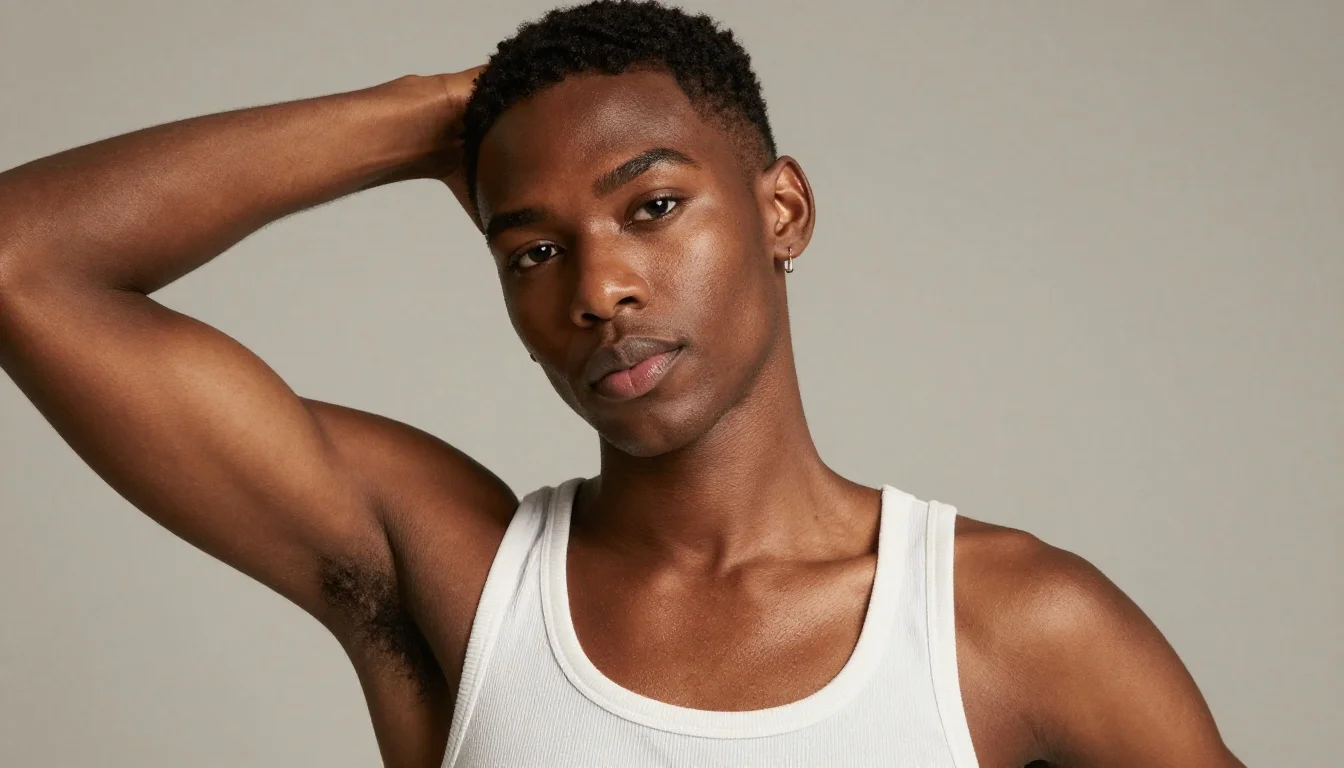
Highlight Shades That Clash With Dark Skin
Ashy or cool blonde highlights
Cool ashy highlights against dark skin create a gray, disconnected quality that looks unnatural against the warmth of most dark complexions. The cool-warm conflict between ash highlights and warm-undertoned deep skin is one of the most common and unflattering highlight mistakes on dark complexions.
Platinum or icy white highlights
Stark platinum highlights on dark skin create dramatic contrast that reads as harsh rather than luminous. Without warmth, the transition from very dark to very light creates an artificial boundary. If you want bright highlights, warm them with a golden or honey toner rather than using stark cool platinum.
Vivid or neon highlights
Fashion colors — vivid red, blue, or purple highlights — can look striking against dark skin but require significant bleaching to show up, risking damage to already-highlighted hair. If desired, these work best as an intentional fashion statement with professional execution rather than as a natural-looking enhancement.
Very orange or brassy highlights
Highlights that haven't been lifted or toned properly and land in the orange range look unfinished on dark skin. While warmth is good for dark complexions, orange specifically reads as insufficient processing rather than intentional warmth. A good warm toner converts orange to golden caramel.
Stop guessing — preview every shade on you
See myself in my shadesHighlight Swaps for Dark Skin
Replacing highlight choices that clash with dark complexions for those that enhance them.
Cool ashy highlights conflict with the warmth of dark skin. Caramel and golden brown harmonize with deep complexions for a natural, luminous look.
Stark platinum against dark skin reads as harsh. Honey and amber create visible dimension with warmth that complements rather than clashes.
Untoned or ash-toned highlights look orange or grey against dark skin. A warm golden toner creates the intentional warmth that makes dark complexions glow.
Single-tone highlights on dark hair can look flat. Multiple warm shades create real depth and movement that reads as natural.
Length-only highlights miss the skin-brightening opportunity. Face-framing warm pieces create a glow that reflects onto deep skin beautifully.
Sulfates strip color and moisture from highlighted dark hair faster. Sulfate-free products maintain the warm tones longer and keep hair healthy.
Which Color Season Fits Dark Skin?
Dark skin spans several seasonal palettes. The best highlights depend on whether your deep complexion has warm, neutral, or cool undertones.
Deep Autumn
Learn moreDark skin with warm, golden-brown undertones and naturally dark hair often fits Deep Autumn. Your best highlights are rich and warm: deep caramel, auburn, and dark golden — shades that amplify your natural richness without going light or cool.
Deep Winter
Learn moreDark skin with neutral or cool undertones and very high contrast natural features often sits in Deep Winter. Your highlights should be warmer than your natural base — honey and caramel rather than ash — but the most dramatic contrast still works for your coloring.
Warm Autumn
Learn moreMedium-deep skin with warm, earthy undertones and naturally dark brown hair often fits Warm Autumn. Your highlights should be rich warm tones — copper, chestnut, and amber — that enhance the earthy quality of your complexion.
Find Your Perfect Highlights
The best highlights for dark skin depend on the specific undertones of your complexion — warm golden, neutral, or cool — as well as your natural hair depth. A personalized color analysis identifies exactly where your coloring sits and which highlight families will create the most natural, radiant result against your dark skin.

Related Guides for Best Highlights for Dark Skin
Explore more personalized color advice based on your features.
Want to see these colors on you? What Colors Look Good on Me — free to try.
Frequently Asked Questions About Best Highlights for Dark Skin
What highlights look best on dark skin?
Caramel, honey, golden brown, copper, and auburn highlights look best on dark skin. These warm tones complement the golden and red undertones common in deep complexions, creating visible dimension that looks natural rather than harsh. Cool or ashy highlights generally conflict with the warmth of dark skin.
Can dark skin have blonde highlights?
Yes, with the right tone. Warm blonde shades — honey, golden, bronde, toasted — work well on dark skin by providing warmth that harmonizes with deep complexions. Cool or platinum blonde creates a starker contrast that reads as artificial. Face-framing warm blonde highlights create beautiful luminosity without all-over lightening.
How many sessions does it take to highlight dark skin?
Depending on how light you want to go and the health of your hair, 1-3 sessions is typical. Starting with caramel and honey goals often achieves a great result in one session. Going lighter requires staged lightening over multiple appointments to protect hair integrity.
Should dark skin avoid purple shampoo?
Generally yes. Purple shampoo neutralizes warmth — the quality dark skin complexions look best with in their highlights. If your highlights have gone very orange (not just warm golden), a single purple shampoo use may help, but regular use will make highlights look grey and disconnected from your warm complexion.
What is the best highlight technique for dark skin?
Balayage — a freehand painting technique — is particularly flattering on dark skin because it creates soft, graduated highlights that blend naturally into dark hair. It avoids the harsh line at the root that foil highlights can create, and allows your colorist to concentrate warmth around the face where it creates the most luminosity against dark skin.