Best Hair Colorsfor Pale Skin
Pale skin is high-reflectivity and responds dramatically to nearby hair color. Discover which shades complement your coloring — and which to avoid.
Pale skin is one of the most responsive skin types to hair color — it reflects nearby tones readily, meaning the wrong hair color can make fair skin look washed out, sallow, or drained, while the right one creates a porcelain, luminous effect. The key isn't following universal 'pale skin rules' but understanding whether your pale skin has cool, warm, or neutral undertones — because the same blonde that looks stunning on cool-pale skin can look unflattering on warm-pale skin.


3,000+
happy clients
Why Pale Skin Responds So Strongly to Hair Color
Pale skin is one of the most responsive skin types to hair color — it reflects nearby tones readily, meaning the wrong hair color can make fair skin look washed out, sallow, or drained, while the right one creates a porcelain, luminous effect. The key isn't following universal 'pale skin rules' but understanding whether your pale skin has cool, warm, or neutral undertones — because the same blonde that looks stunning on cool-pale skin can look unflattering on warm-pale skin.
Pale skin has lower melanin content, which means it reflects more light and picks up color temperature from nearby fabrics and — critically — hair. When hair color has warm tones near pale skin, the skin picks up warmth and can look golden or peachy. When hair has cool or ashy tones, pale skin picks up coolness and can look pink or porcelain. This responsiveness is a feature, not a bug — it means the right hair color can actually change how your skin reads.
The most important variable for pale skin is undertone. Cool-pink pale skin (like many naturally fair Northern Europeans) harmonizes beautifully with cool or neutral hair colors — platinum, ash blonde, cool brunette, blue-black. Warm-pale skin with ivory or golden undertones responds better to warm shades — honey blonde, caramel brown, warm auburn. Getting this wrong is the most common hair color mistake for pale skin.
Contrast also matters enormously for pale skin. Very light skin with very light hair can create a low-contrast look where everything blends together. Very dark hair on very pale skin creates high contrast that looks dramatic and striking. Neither is inherently wrong — but you need to choose deliberately based on the effect you want, not just what's 'safe.'
What is the best hair color for pale skin?
It depends on your undertone. Cool-pale skin (pink undertones) looks best with cool or neutral shades: platinum blonde, ash blonde, cool brunette, blue-black. Warm-pale skin (ivory or golden undertones) looks best with warm shades: honey blonde, warm chestnut, auburn. Black hair creates striking contrast with any pale skin.
Your Most Flattering Hair Color Families
Cool and Platinum Blonde
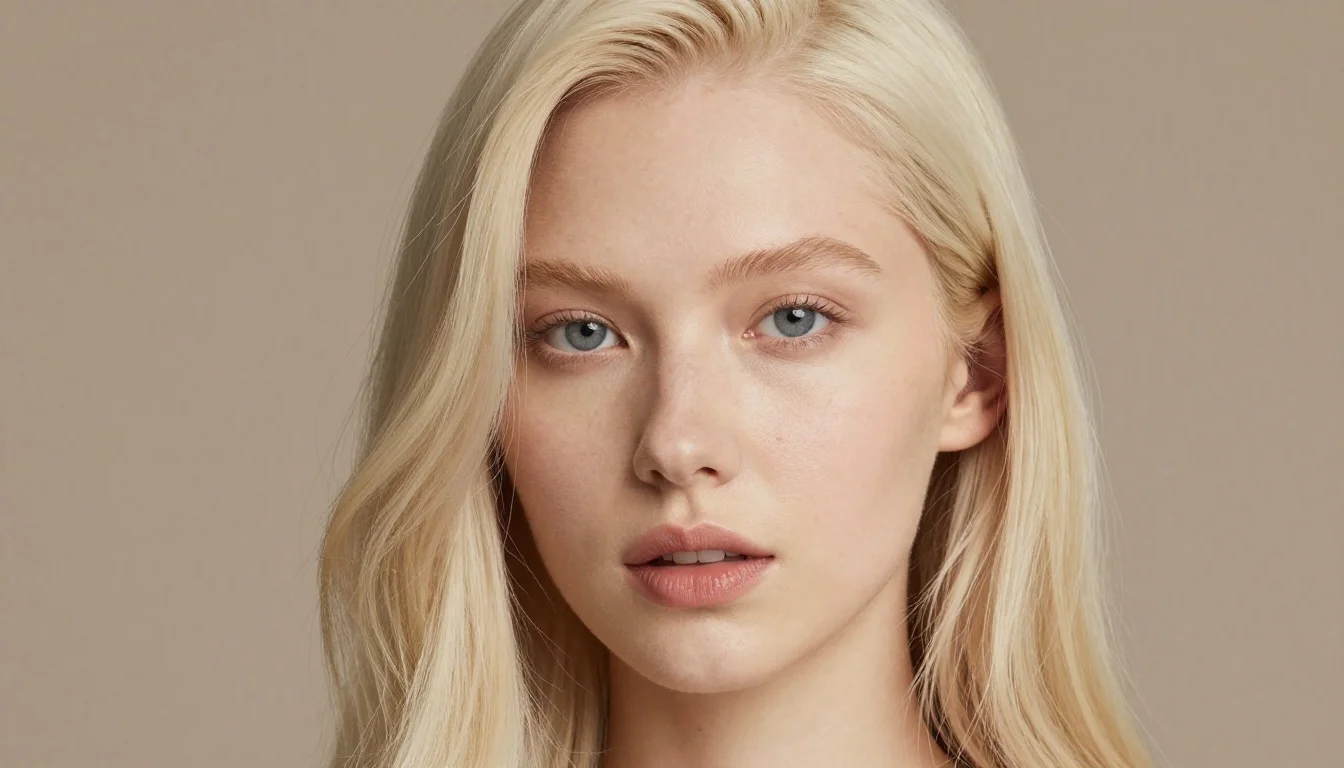
For pale skin with cool pink undertones, platinum and ash blonde create a luminous, porcelain effect. The cool hair temperature harmonizes with the pink in pale skin, creating a cohesive, ethereal look. This combination photographs beautifully and looks striking in natural light. The key is that the skin must have genuinely cool undertones — on warm-pale skin, cool blonde looks stark and unflattering.
Rich Brunette with Depth
Brunette shades create beautiful contrast with pale skin regardless of undertone — you just need to choose warm or cool within the brown family. Cool espresso and dark walnut suit cool-pale skin by creating high contrast without warmth conflict. Warm chestnut and chocolate brown suit warm-pale skin by creating contrast while mirroring the skin's golden warmth.
Classic Black
Black hair creates the maximum contrast with pale skin and is one of the most striking combinations possible. The contrast makes pale skin look porcelain and vivid rather than washed out. Cool blue-black suits cool-pale skin perfectly. Soft black and deep brunette-black are more versatile. This is a high-commitment, high-impact choice that suits pale skin with natural or dyed dark hair maintenance.
Warm Auburn and Red
Red and auburn shades have a long history with pale skin for good reason — the warm red tone creates a rosy, healthy glow on fair complexions. Strawberry blonde is the gentlest option, adding warmth without drama. Auburn creates beautiful medium contrast. Copper red and classic red are bold but stunning on pale skin when the skin has neutral or warm undertones.

Ready to see yourself in platinum blonde & ice blonde?
Start my color analysisChoosing Hair Color for Pale Skin
Identify your undertone first
The single most important step before choosing hair color with pale skin is identifying whether you have cool, warm, or neutral undertones. Look at your wrist veins in natural light — blue-purple veins suggest cool undertones, green veins suggest warm undertones. Look at what metals suit you — silver for cool, gold for warm. This single piece of information determines whether ash blonde or honey blonde, cool espresso or warm chestnut will look best on you.
Going platinum or very light
Platinum and light blonde shades look most natural and stunning on pale skin with genuinely cool undertones. If you have cool-pale skin and want to go platinum, it's one of the most harmonious combinations possible. If your pale skin has warm undertones, going very light means choosing warm blonde rather than cool platinum, and maintaining tone carefully to prevent brassiness.
Considering contrast
Decide what contrast level you want. Dark hair on pale skin (black, dark espresso) creates high, dramatic contrast. Light hair on pale skin creates a soft, low-contrast look. Medium brunette creates natural contrast. None of these is wrong — choose based on your personality and the effect you want. High contrast tends to look more striking and dramatic; low contrast looks softer and more ethereal.
Maintaining pale skin hair colors
Pale skin shows tonal changes in hair very clearly because the contrast between hair and skin makes the hair's quality highly visible. Brassiness, fading, and regrowth are more obvious on pale skin than any other skin tone. Budget for regular toning and color maintenance if you're coloring your hair, especially if going lighter.
Hair Colors That Flatten Pale Skin
Warm honey blonde on cool-pale skin
If your pale skin has distinctly cool or pink undertones, warm honey or golden blonde creates a temperature mismatch — the warmth of the hair picks up the pink in the skin and creates an unflattering peachy-pink clash. Cool-pale skin needs cool or neutral blonde, not warm golden.
Very dark brown on very pale skin without color treatment
Very dark, flat brown (not black) on very pale skin can create an odd middle-contrast look that has neither the crispness of black-and-pale contrast nor the softness of lighter combinations. Flat dark brown can also look dull on pale skin. If going dark brunette, choose a rich shade with depth — espresso, dark chocolate — not a flat medium-brown.
Muddy or warm-neutral brown on cool-pale skin
Warm-neutral browns on cool-pale skin can create a disconnected look where the warmth of the hair conflicts with the coolness of the skin. The result is that neither the hair nor the skin looks at its best. Choosing clearly cool or clearly warm brunette avoids the middle-ground muddle.
Orange-brassy tones
Brassiness — the warm orange that appears when blonde or brown hair fades or is poorly lifted — is particularly unflattering on pale skin. Orange tones can make pale skin look sallow and dull. Using toning treatments and choosing a colorist who understands toning is essential for pale skin going lighter.
Stop guessing — preview every shade on you
See myself in my shadesHair Color Swaps for Pale Skin
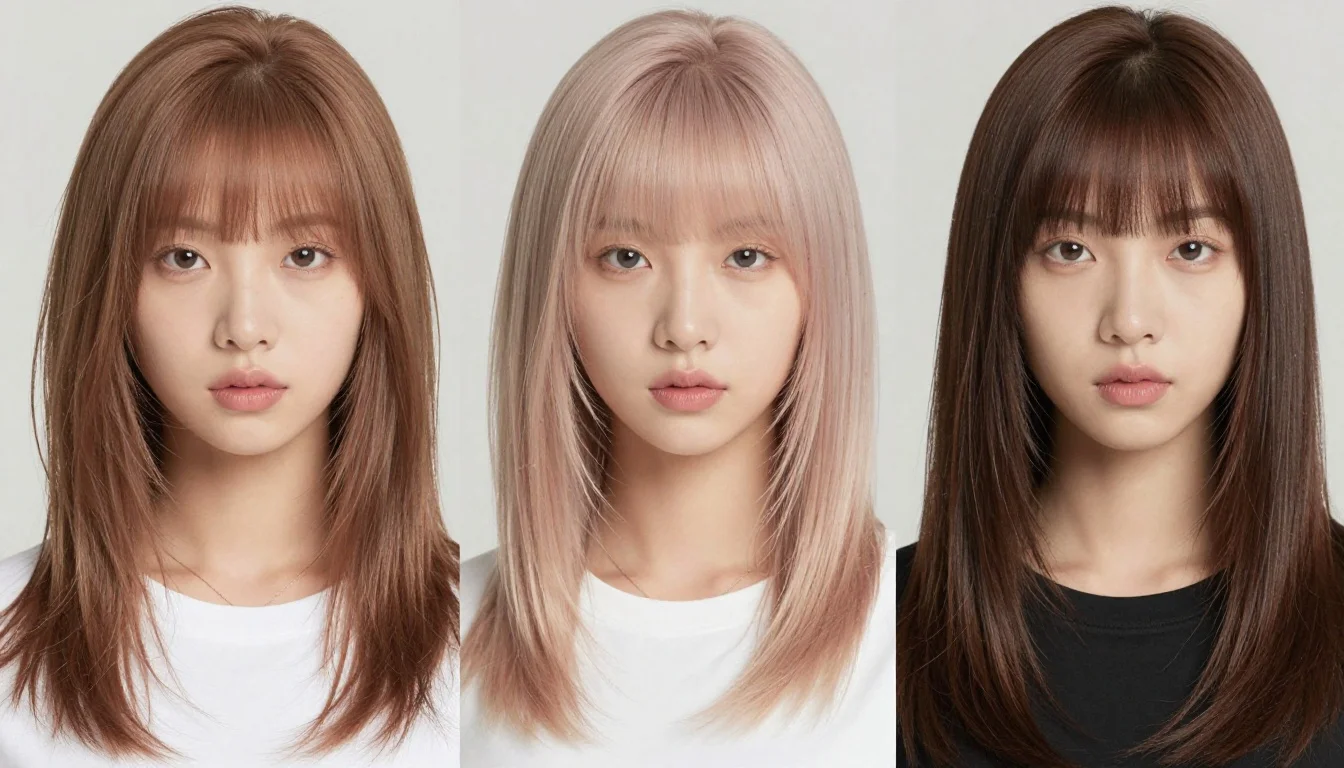
Replacing shades that create temperature conflict with ones that make pale skin luminous.
Cool blonde harmonizes with pink-pale skin; honey blonde creates an unflattering warm-pink conflict.
Warm blonde resonates with ivory-pale skin; ash blonde creates a stark, disconnected look.
Flat medium brown looks dull on pale skin. Depth in rich brunette shades creates contrast that makes pale skin luminous.
A black with richness and dimension looks intentional against pale skin; flat black can look harsh.
Auburn's warm-red tones create a rosy glow on pale skin; orange-red can make fair skin look sallow.
Cool highlights harmonize with pink undertones; warm caramel creates a clashing orange-pink effect.
Which Color Season Are You?
Pale skin spans several seasonal palettes depending on undertone, contrast level, and eye color. Your undertone and natural hair color are the key determinants.
Cool Summer
Learn morePale skin with soft pink or neutral-cool undertones, light to medium-brown or ash-blonde natural hair, and soft eyes most often falls in Cool Summer. Hair colors: cool ash blonde, soft brunette, dark ash — nothing warm or vivid.
Cool Winter
Learn morePale skin with clear cool or blue-pink undertones, high contrast coloring, and vivid eyes falls in Cool Winter. Hair colors: black, deep espresso, cool dark brunette — the high contrast between pale skin and dark hair is characteristic.
Light Spring
Learn morePale skin with warm or golden undertones, light natural hair, and warm eyes falls in Light Spring. Hair colors: warm blonde, honey, strawberry blonde, light auburn — warmth and lightness together.
Find Your Exact Hair Color Match
The best hair color for pale skin depends on the specific quality of your fair skin — its undertone, depth, and the contrast level you carry naturally. A personalized color analysis identifies whether you're a cool, warm, or neutral pale skin type and gives you precise guidance on which color families — from the exact shade of blonde to the specific warmth of brunette — will make your fair skin look its most luminous.
Related Guides for Best Hair Color for Pale Skin
Explore more personalized color advice based on your features.
Want to see these colors on you? Virtual Hair Color Try-On — free to try.
Frequently Asked Questions About Best Hair Color for Pale Skin
What is the best hair color for pale skin?
It depends on your undertone. Cool-pale skin (pink undertones) looks best with cool or neutral shades: platinum blonde, ash blonde, cool brunette, blue-black. Warm-pale skin (ivory or golden undertones) looks best with warm shades: honey blonde, warm chestnut, auburn. Black hair creates striking contrast with any pale skin.
Does blonde look good on pale skin?
Yes, but the type of blonde matters enormously. Cool ash and platinum blonde suit pale skin with cool, pink undertones beautifully. Warm honey and golden blonde suit pale skin with ivory or warm undertones. The wrong temperature of blonde — cool blonde on warm-pale skin, or warm blonde on cool-pale skin — creates an unflattering clash.
Does dark hair suit pale skin?
Yes — dark hair creates dramatic, striking contrast with pale skin that looks beautiful and intentional. Black and deep espresso on pale skin is a classic combination. The high contrast makes pale skin look porcelain and vivid rather than washed out. Choose a dark shade with richness and depth rather than flat, matte dark brown.
What hair color makes pale skin look less washed out?
Contrast is your friend. Choose hair that's distinctly darker or lighter than your skin rather than a middle-tone brunette that creates a similar-value, low-contrast look. Rich brunette, deep espresso, black, or bold auburn all create enough contrast to make pale skin look luminous rather than flat.
Can pale skin go red?
Yes — pale skin is particularly well-suited to red and auburn hair. The warm red tones create a rosy, healthy glow on fair complexions. Strawberry blonde is the softest option; auburn creates medium contrast; copper and classic red are bold and striking. Pale skin with cool undertones can wear auburn beautifully; pale skin with warm undertones suits warm copper and golden red.