Best Winter Colors forBrunettes
Discover the most flattering winter colors for brunettes. Discover which shades flatter you most — and which to skip.
Brown hair is a natural chameleon — it picks up warmth in sunlight and depth in shadow. Winter is the season to lean into that richness. The right cold-weather palette will make your hair look luminous and your complexion radiant, while the wrong shades can dull both. This guide identifies the exact colors brunettes should reach for when the temperature drops.


3,000+
happy clients
Why Hair Color Changes How Clothes Look on You
Brown hair is a natural chameleon — it picks up warmth in sunlight and depth in shadow. Winter is the season to lean into that richness. The right cold-weather palette will make your hair look luminous and your complexion radiant, while the wrong shades can dull both. This guide identifies the exact colors brunettes should reach for when the temperature drops.
Brunette hair spans a wide range — from warm chestnut and toffee through to cool ash-brown and near-black espresso. Each shade creates a different color relationship with your skin and the clothes you wear. Winter light is cooler and lower, which means warm-toned brunettes need extra richness in their wardrobe to maintain that sun-kissed depth.
Color contrast also plays a role. If you have light skin and dark brown hair, you carry high natural contrast — bold, saturated colors will harmonize beautifully. Medium-contrast brunettes (medium skin, medium-brown hair) look best in colors with some depth and richness rather than extremes. Low-contrast brunettes benefit from monochromatic layering and sophisticated neutrals.
Winter is also the season when skin can look sallow or flat without the right colors nearby. Choosing flattering shades near your face — in scarves, coats, and tops — can make the biggest visible difference. Getting this right takes the guesswork out of getting dressed.
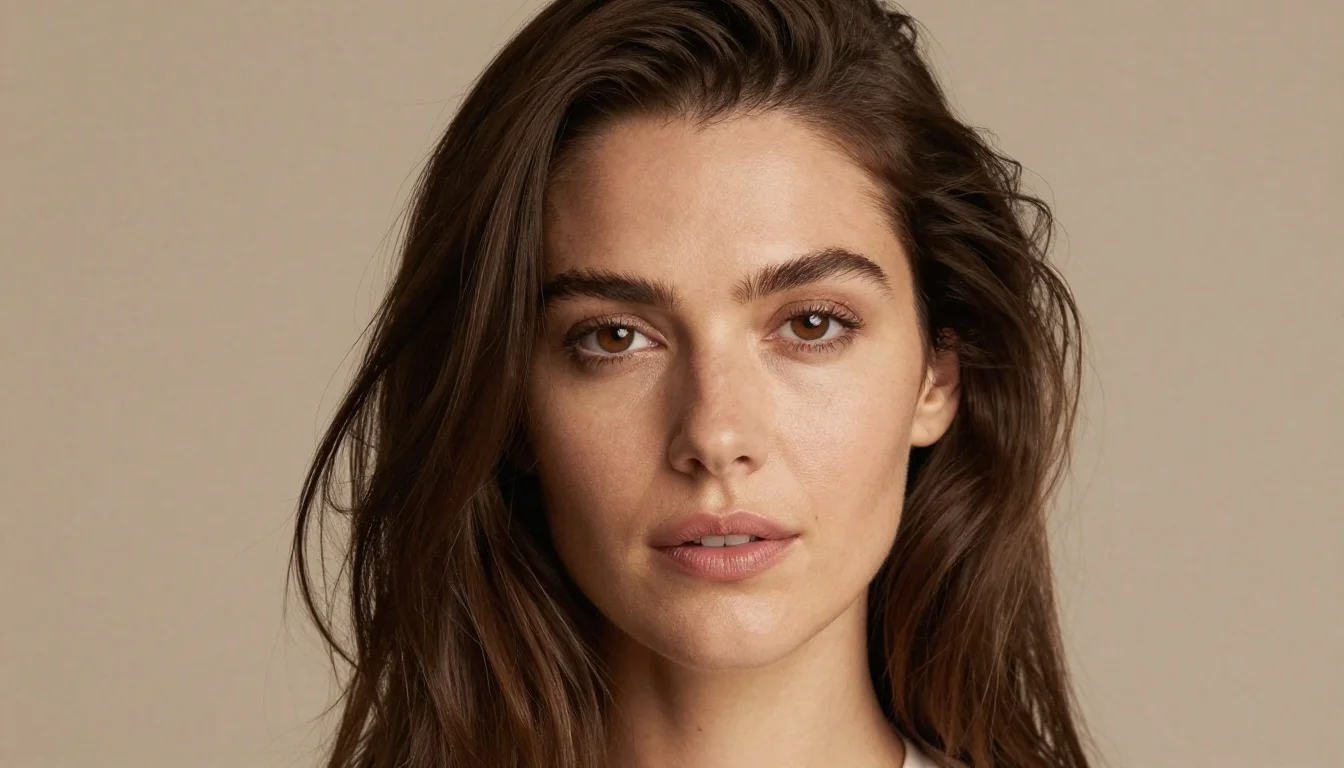
Do all brunettes suit the same winter colors?
Not exactly. Warm chestnut brunettes look best in earthy-based winter shades like burgundy, camel, and deep olive. Cool ash-brown and near-black brunettes are better served by true jewel tones and classic darks. Your skin undertone matters as much as your hair color.
The Best Winter Colors for Brunettes
Jewel Tones
Deep jewel tones create stunning contrast against medium to dark brown hair and make warm-toned skin glow. These saturated shades are most flattering in matte or slightly lustrous fabrics — velvet, wool-crepe, and ponte are ideal for winter.
Warm Burgundy & Wine
Red-adjacent shades share undertones with the warm glints naturally present in chestnut and caramel-brown hair. Wearing them creates a cohesive, intentional look that makes hair appear richer. These work beautifully in knitwear, coats, and tailored pieces.
Warm Neutrals
Tonal dressing — pairing warm brown clothing with brunette hair — creates an effortlessly chic look. Camel and cognac in particular echo the warmth in brown hair without competing with it. Cream and ivory soften darker complexions and add luminosity to the face.
Cool Classic Darks
Cool-toned brunettes — those with ash-brown or near-black hair — look sharp and polished in these classic winter darks. The cooler the hair tone, the more these shades harmonize. They work especially well in tailored coats, trousers, and structured knitwear.

Ready to see sapphire blue & emerald green on your face?
Start my color analysisHow to Wear Winter Colors as a Brunette
Coat Strategy
A camel or burgundy coat is a brunette's winter essential. Both shades complement brown hair from every angle — they look polished when you step inside and stand out beautifully against grey winter skies. Invest in a quality wool or cashmere-blend for maximum impact.
Scarf & Knitwear
Place your most flattering colors closest to your face. For brunettes, a jewel-toned scarf or a wine-red roll-neck will reflect warmth back onto your complexion. Chunky knits in emerald or sapphire make an especially bold winter statement.
Monochromatic Dressing
Tonal outfits in warm brown, chocolate, or cognac shades create a runway-worthy look that lets your hair be the contrast. Layer different textures — suede, cashmere, wool — in the same color family for visual interest.
Color Blocking
Brunettes can carry off strong color combinations beautifully. Try navy and burgundy, emerald and camel, or black and ruby. Keep one color dominant and use the other as an accent through accessories or a layering piece.
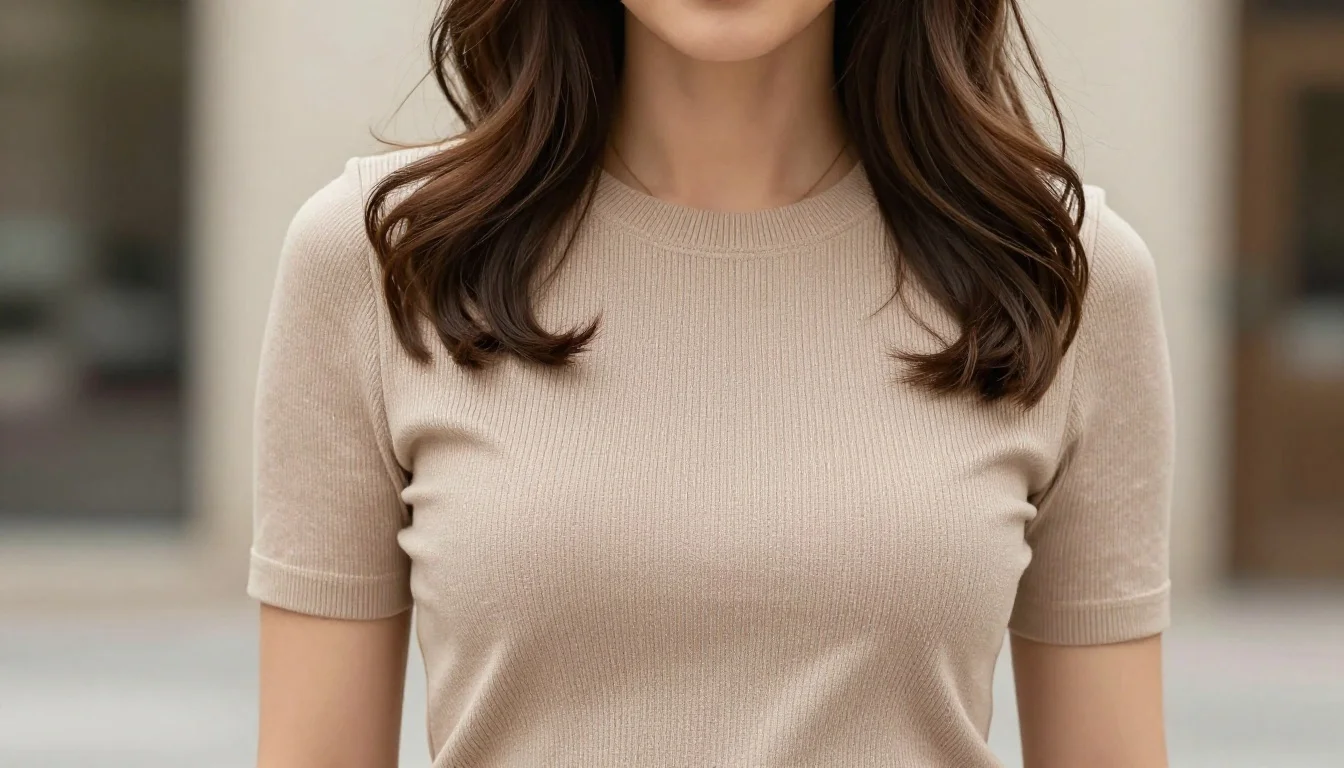
Colors That Can Clash With Brown Hair in Winter
Neon or Acid Brights
Electric hues compete with the natural warmth and depth of brunette hair rather than complementing it. They can make hair look flat in comparison and overwhelm medium complexions.
Washed-Out Pastels
Overly pale or chalky versions of lavender, mint, or baby pink can drain warm undertones from the face and create a stark, unflattering contrast with dark hair in winter light.
Orange-Based Shades
True orange or pumpkin tones can clash with the red or golden undertones in chestnut hair, creating a muddy or overwhelming effect unless your skin carries warm tan undertones to balance it.
Stop guessing — preview every look on you
See these looks on my photoEasy Color Swaps for Brunettes This Winter
Small changes, big difference — update your autumn wardrobe for winter
Deeper warm tones do more work in low winter light and complement brown hair more actively than a pale neutral.
True ivory and warm whites sit closer to brunette skin undertones and avoid the starkness of bright white against dark hair.
Deeper versions of neutrals give more grounding and sophistication to winter outfits when paired with brunette coloring.
A wine-based red harmonizes with the warmth in brown hair rather than competing with it, creating a more cohesive look.
Slightly oxidized or matte metal tones echo the depth in brunette hair rather than looking overly bright in winter light.
Warm-toned leather creates a beautiful echo with brunette hair and breaks the all-dark uniformity of winter outfits.
Your Color Season Connection
Brunette hair appears across multiple personal color seasons. Knowing your season refines your palette further beyond hair color alone.
Warm Autumn
Learn moreChestnut and golden-brown brunettes with warm undertones often fall here. Your best winter shades lean into rust, terracotta, deep olive, and burnished gold.
Deep Winter
Learn moreDark brown to near-black hair with cool or neutral undertones and high contrast skin often lands in Deep Winter. Jewel tones, true black, and icy brights are your best allies.
Soft Autumn
Learn moreMedium-toned ash-brown brunettes with muted coloring and warm-neutral undertones often belong here. Focus on dusty, toned-down versions of warm winter shades.
Your Winter Wardrobe, Simplified
Brunettes have an enormous range of flattering winter options. Focus on rich jewel tones, warm wine and berry shades, sophisticated camel and cognac, and clean classic darks. Keep your most impactful colors closest to your face and let your hair do the rest of the work. When you dress in your most complementary palette, brown hair looks richer, skin looks healthier, and getting dressed feels effortless.
Stop guessing — preview every color on you
Preview Yourself In Your Palette
Get my personalized paletteStop guessing — preview every color on you
Preview Yourself In Your Palette

Related Guides for Best Winter Colors for Brunettes
Explore more personalized color advice based on your features.
Want to see these colors on you? What Colors Look Good on Me — free to try.
Frequently Asked Questions About Best Winter Colors for Brunettes
Do all brunettes suit the same winter colors?
Not exactly. Warm chestnut brunettes look best in earthy-based winter shades like burgundy, camel, and deep olive. Cool ash-brown and near-black brunettes are better served by true jewel tones and classic darks. Your skin undertone matters as much as your hair color.
Can brunettes wear black in winter?
What is the best coat color for brunettes in winter?
Camel and burgundy are the two most universally flattering coat colors for brunettes. Camel echoes the warmth of brown hair and looks polished against most skin tones. Burgundy adds richness and depth and works beautifully in both casual and dressy contexts.
Should brunettes avoid wearing brown in winter?
No — tonal dressing in warm browns is actually a very sophisticated look for brunettes. The key is varying the depth and texture: pair a chocolate turtleneck with camel trousers, for example. Avoid matching your clothing too closely to the exact shade of your hair, as it can look unintentional.
What colors make brunette hair look more vibrant in winter?
Jewel tones like emerald, sapphire, and amethyst create the highest contrast and make dark hair look dramatically rich. Warm reds and burgundies also enhance the reddish glints in chestnut hair. Wearing these shades near your face — in a scarf or top — will have the most visible effect.
Are pastels ever flattering for brunettes in winter?
Deep, warm-toned pastels can work — think dusty rose, soft sage, or muted lavender rather than bright baby versions. They work best when balanced with a richer layer or structured piece. Avoid very pale, chalky pastels near the face in winter, as they can make skin look flat.