Wedding Guest Outfitsfor Olive Skin
Olive skin glows in the right wedding guest colors — and disappears in the wrong ones. Discover how to build looks with shades that actually flatter you.
Olive skin at a wedding is an opportunity — the right dress color makes your complexion look luminous and your features vivid, while the wrong one flattens everything. The best wedding guest colors for olive skin amplify its warm, golden-green undertone rather than fighting it. That means leaning into rich jewel tones, warm earth accents, and a few key neutrals that make olive skin glow rather than disappear.


3,000+
happy clients
Why Olive Skin Has Specific Color Rules at Weddings
Olive skin at a wedding is an opportunity — the right dress color makes your complexion look luminous and your features vivid, while the wrong one flattens everything. The best wedding guest colors for olive skin amplify its warm, golden-green undertone rather than fighting it. That means leaning into rich jewel tones, warm earth accents, and a few key neutrals that make olive skin glow rather than disappear.
Olive skin has a unique undertone: yellow-green beneath the surface, with warm melanin above. This dual register means colors interact with olive skin differently than with warm golden or cool pink skin. Colors with yellow or green in their base can merge with olive skin, creating a washed-out effect. Colors that contrast against the yellow-green register — warm reds, deep jewels, rich earths — make the skin look rich and vivid.
At a wedding, you're typically photographed in natural and artificial light across the whole day. Colors that make olive skin glow in midday light also need to read well in golden-hour and candlelit indoor light. Warm jewel tones, rich terracotta, and deep berry all photograph beautifully against olive skin in mixed lighting. Pale beige and yellow-adjacent colors tend to look flat or slightly green-tinged in photographs.
Fabric matters at weddings too. Matte fabrics and soft sheens tend to look more natural against olive skin than stark metallic or heavy shimmer, which can create unflattering contrast. A deep jewel-tone silk or a rich crepe in terracotta or wine reads as intentional and polished — the kind of look that photographs as well as it looks in person.
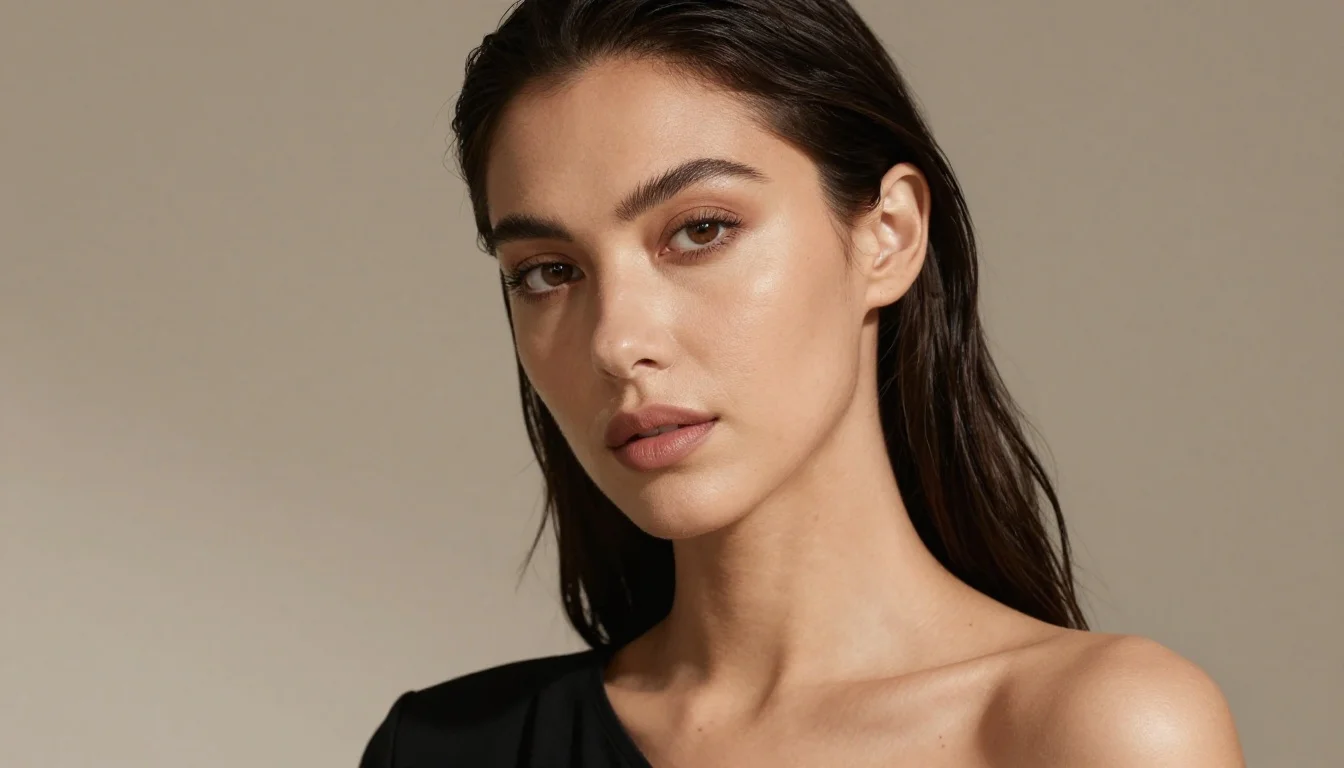
What colors look best for wedding guest outfits with olive skin?
Deep jewel tones — emerald, sapphire, warm amethyst — are the most flattering wedding guest colors for olive skin. They create complementary contrast with olive's warm-green undertone and photograph beautifully in all wedding lighting. Deep terracotta, rich burgundy, and warm wine are excellent alternatives with more warmth. Avoid yellow-adjacent tones and pale beige, which blend into olive skin without definition.
Your Best Wedding Guest Colors
Deep Jewel Tones
Deep jewel tones are the most reliable wedding guest palette for olive skin. Rich emerald creates warm-cool tension that makes olive skin look luminous — the green quality in olive skin reads as golden against emerald rather than muddy. Deep sapphire provides the strongest complementary contrast with olive's warm base, making the skin look vivid. Warm amethyst sits at the red-purple edge where the color complements olive skin's warmth without introducing cool-temperature conflict.
Warm Earth Tones
Warm earth tones in their richest, most saturated versions resonate with olive skin's warmth while providing enough depth to create definition. Deep terracotta is particularly effective — it shares the warmth of olive skin but sits at a different value level, creating a rich tonal look where olive skin looks golden and intentional. Spiced copper and cognac have similar tonal harmony with enough richness to stand apart from the skin at the neckline.
Rich Berry & Wine
Berry and wine tones in the red-purple range do something unique for olive skin: they're warm enough to harmonize with olive's undertone while being far enough from the yellow-green register to create clear contrast. Deep burgundy at a wedding is sophisticated and universally effective for olive complexions. Rich plum and deep fuchsia add a modern edge that photographs beautifully under all lighting conditions.
Statement Neutrals
Statement neutrals for olive skin at weddings need warmth and depth. Deep warm navy is an excellent wedding guest choice — it creates clear contrast against olive skin while having enough warmth to harmonize. Warm champagne (golden rather than cool silver) is a safe non-white that reads as sophisticated at weddings and makes olive skin look glowing. Rich chocolate brown in a luxe fabric feels elevated rather than casual.

Ready to see emerald & sapphire on your face?
Start my color analysisHow to Dress for a Wedding with Olive Skin
Choose richness over paleness
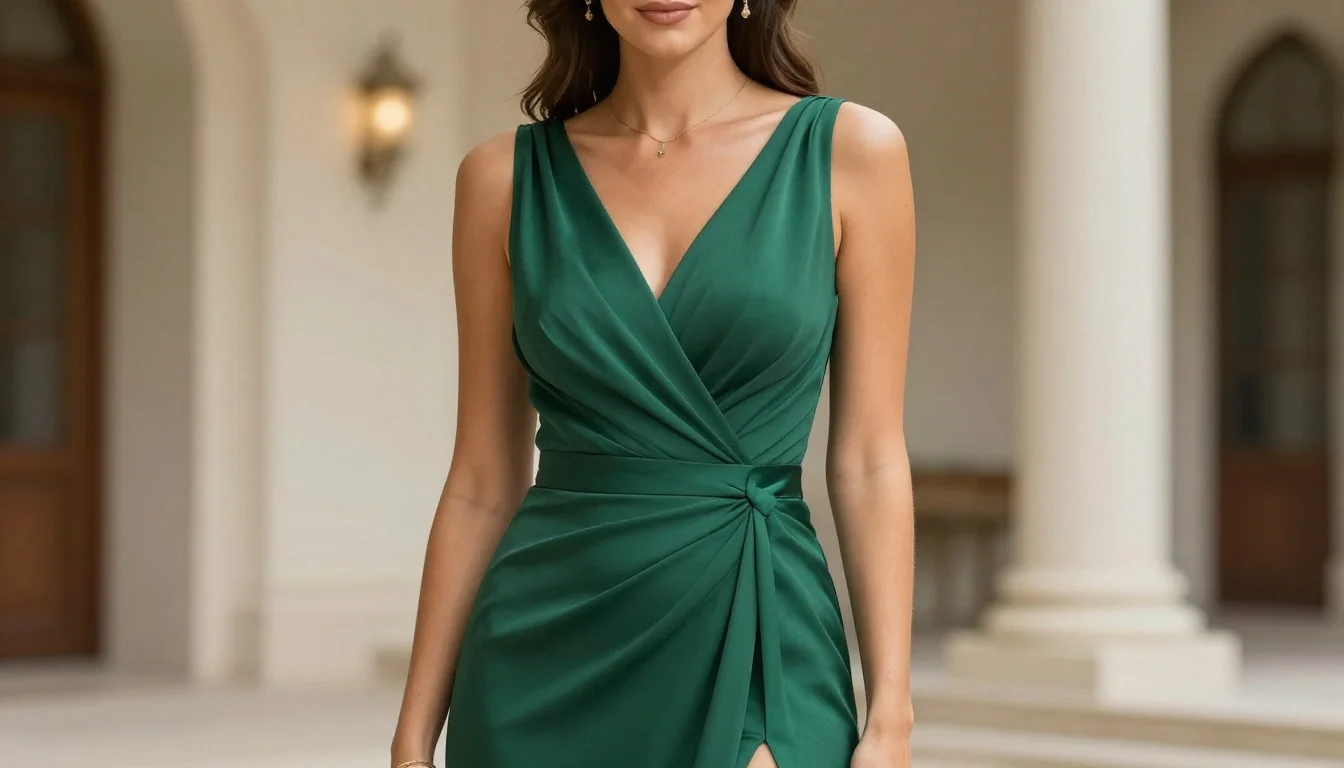
At a wedding, olive skin benefits from rich, saturated colors rather than pale or muted ones. A deep emerald midi dress makes olive skin look luminous in both natural outdoor ceremony light and warm indoor reception light. A pale sage or dusty olive does neither. The richer and more saturated your color choice, the more intentional and vivid your olive complexion will look in photographs.
Match metal accessories to warmth
For weddings, gold and bronze accessories serve olive skin better than silver. Yellow gold echoes the golden quality in olive's warm undertone, creating a harmonious look where jewelry, skin, and dress feel unified. Bronze is the most flattering metal — it sits between gold and copper in a register that makes olive skin look naturally radiant. If the dress is cooler (deep sapphire, amethyst), rose gold bridges warm and cool beautifully.
Heels and shoes in warm neutrals
For footwear, warm camel, nude-for-olive (which skews warm-tan rather than pink-beige), and rich cognac brown all elongate olive-toned legs more effectively than cool nude or pale beige. A nude shoe for olive skin should have a warm golden or tan bias — most standard 'nude' shoes lean pink, which creates a stark cool contrast against olive skin. When in doubt, warm camel or cognac brown is more flattering than standard nude.
Consider the venue and season
Season matters for how olive skin photographs. Summer outdoor weddings in strong natural light call for vivid, clear jewel tones — emerald, sapphire, warm amethyst. Winter indoor weddings in warm artificial light suit deep berry, burgundy, and rich terracotta particularly well. The candlelit or golden indoor light at winter receptions makes warm earth tones look extraordinary on olive skin. Spring garden weddings are ideal for warm rose, deep dusty rose with warmth, or clear teal.
A fun job for well-dressed guests
Some couples turn guest photography into a game with a wedding photo scavenger hunt — printable photo challenges that pair perfectly with a shared album.
Colors That Flatten Olive Skin at Weddings
Yellow-adjacent and warm gold
Yellow and warm golden tones sit in the same yellow register as olive skin's undertone, creating a monochromatic blend where clothing and skin become indistinguishable. At a wedding, this reads as flat and slightly washed-out rather than radiant. If you want warm metallic, choose bronze or copper rather than gold — they share warmth but don't compete with the yellow-green quality in olive skin.
Pale beige and champagne-pink
Very pale beige and champagne-pink lack the contrast needed to frame olive skin at a wedding. The pale warm base blurs into olive's mid-range value, creating a face that seems to disappear rather than glow. These colors can also look slightly green-tinted in photographs taken against olive skin. Icy white (if the dress code allows it) or warm off-white are both better neutral choices.
Cool grey and silver
Cool grey and silver don't harmonize with olive's warm undertone and lack the richness to create striking contrast. They read as flat against olive skin — neither warm enough to resonate nor deep enough to create definition. Warm charcoal has the depth without the temperature conflict; deep navy has warmth and depth combined.
Bright lime or chartreuse
Yellow-green colors amplify the green register in olive skin rather than contrasting it. At a wedding — where you want to look radiant, not monochromatic — these colors create a blending effect where the warmth in both the color and the skin merge into one undifferentiated warmth.
Stop guessing — preview every look on you
See these looks on my photoYour Wedding Guest Look, Upgraded
Swap colors that flatten olive skin for ones that make it glow.
Pale champagne blends into olive skin without creating definition. Deep emerald and amethyst provide the contrast and saturation that make olive skin look luminous at the ceremony.
Golden yellow sits in olive skin's yellow register and creates a monochromatic blur. Terracotta and cognac share the warmth but have enough depth to stand apart — making the skin look golden rather than flat.
Silver and grey fight the warmth of olive skin without adding meaningful contrast. Sapphire creates the strongest complementary contrast; wine creates warm tonal richness — both photograph beautifully.
Silver introduces cool temperature that competes with olive skin's warmth. Gold and bronze resonate with the golden quality in olive undertones — jewelry reads as integrated rather than an afterthought.
Standard 'nude' shoes lean pink — which creates a cool-temperature contrast against olive legs. Warm camel and cognac match the warm tone of olive skin, creating the illusion of longer, more unified legs.
Pale silver clutches introduce cool contrast that doesn't serve olive skin. Bronze and cognac maintain the warm palette; a jewel-tone clutch adds another point of vivid color that anchors the whole look.
Which Palette Might Be Yours?
Olive skin spans several seasonal palettes depending on your undertone's warmth, your depth, and your eye color. Your exact season tells you the specific emerald, terracotta, or wine that works best for your version of olive.
Soft Autumn
Learn moreIf your olive skin is medium in depth, warm but muted, and your eyes are soft warm brown or hazel, Soft Autumn is likely yours. Your wedding guest palette is soft and earthy: dusty terracotta, muted teal, warm moss green, and dusty rose. Everything is warm but slightly softened — vivid jewel tones can overwhelm your softer coloring.
Deep Autumn
Learn moreIf your olive skin is deeper golden-brown, your hair is dark, and your overall coloring has rich intensity, Deep Autumn suits you. Your wedding guest colors can go the richest: forest green, deep burgundy, warm chocolate, cognac, and spiced amber. The most saturated warm-and-deep seasonal palette suits the most striking versions of olive skin.
Warm Autumn
Learn moreIf your olive skin has a clear warm-golden quality, your hair is warm dark brown, and your eyes are golden-amber or warm hazel, Warm Autumn is your season. Your wedding guest palette is richly earthy: deep terracotta, warm rust, forest green, cognac, and golden camel. All of these make olive skin look intentionally golden and luminous.
Find Your Exact Wedding Colors
Olive skin is a broad category — it spans fair olive with barely-there warmth to deep golden-olive with rich intensity. Your exact season pinpoints which specific emeralds, terracottas, and wines make your version of olive skin glow most at a wedding. A personalized color analysis moves you from 'colors that work for olive skin generally' to the exact shades that make you look most radiant on the day.
Stop guessing — preview every color on you
Preview Yourself In Your Palette
Get my personalized paletteStop guessing — preview every color on you
Preview Yourself In Your Palette

Related Guides for Wedding Guest Outfit for Olive Skin
Explore more personalized color advice based on your features.
Want to see these colors on you? What Colors Look Good on Me — free to try.
Frequently Asked Questions About Wedding Guest Outfit for Olive Skin
What colors look best for wedding guest outfits with olive skin?
Deep jewel tones — emerald, sapphire, warm amethyst — are the most flattering wedding guest colors for olive skin. They create complementary contrast with olive's warm-green undertone and photograph beautifully in all wedding lighting. Deep terracotta, rich burgundy, and warm wine are excellent alternatives with more warmth. Avoid yellow-adjacent tones and pale beige, which blend into olive skin without definition.
Can olive skin wear emerald to a wedding?
Yes — emerald is one of the most flattering wedding guest colors for olive skin. The warm-cool tension between emerald green and olive's yellow-green undertone creates a vivid contrast that makes olive skin look luminous. Rich, deep emerald works better than pale or muted sage, which can read as too tonally similar to olive's greenish quality.
Should olive skin wear gold or silver jewelry at a wedding?
Gold, bronze, and rose gold consistently outperform silver for olive skin at weddings. Yellow gold resonates with olive's warm undertone, creating a harmonious look where jewelry, skin, and dress feel unified. Silver introduces a cool temperature that fights olive skin's warmth. Bronze is the most flattering choice — it sits between gold and copper in a register that feels naturally suited to olive.
What dress color makes olive skin look radiant at weddings?
The most radiant wedding guest colors for olive skin are rich jewel tones (emerald, sapphire, warm amethyst), deep warm earths (terracotta, cognac, warm rust), and rich berry-wine tones (deep burgundy, plum, deep fuchsia). These colors create enough contrast against olive's warm-green register to make the skin look vivid and golden rather than flat. The richness and saturation level matters: vivid versions outperform pale or muted versions.
What nude shade works best for olive skin at weddings?
The right 'nude' for olive skin at a wedding skews warm-tan rather than pink-beige. Standard nude shoes and bags lean pink, which creates an unflattering cool contrast against olive legs and hands. Look for nude shades described as warm camel, honey, or tan — they match the warm tone of olive skin and create a more elongating effect. Warm cognac is often more flattering than any nude for olive skin.
Is terracotta good for olive skin at a wedding?
Deep, rich terracotta is excellent for olive skin at a wedding — it shares the warmth of olive's undertone while being deep enough to create definition rather than blending in. The key is choosing the most saturated, richest version of terracotta rather than muted or pale versions. Spiced cognac and warm rust have similar appeal. These colors look especially beautiful in golden-hour outdoor light and warm indoor reception lighting.