The Best Wedding Dress Colorsfor Pale Skin
The right wedding dress color for pale skin can make your complexion look porcelain and luminous. Discover how to find the colors that actually flatter your coloring.
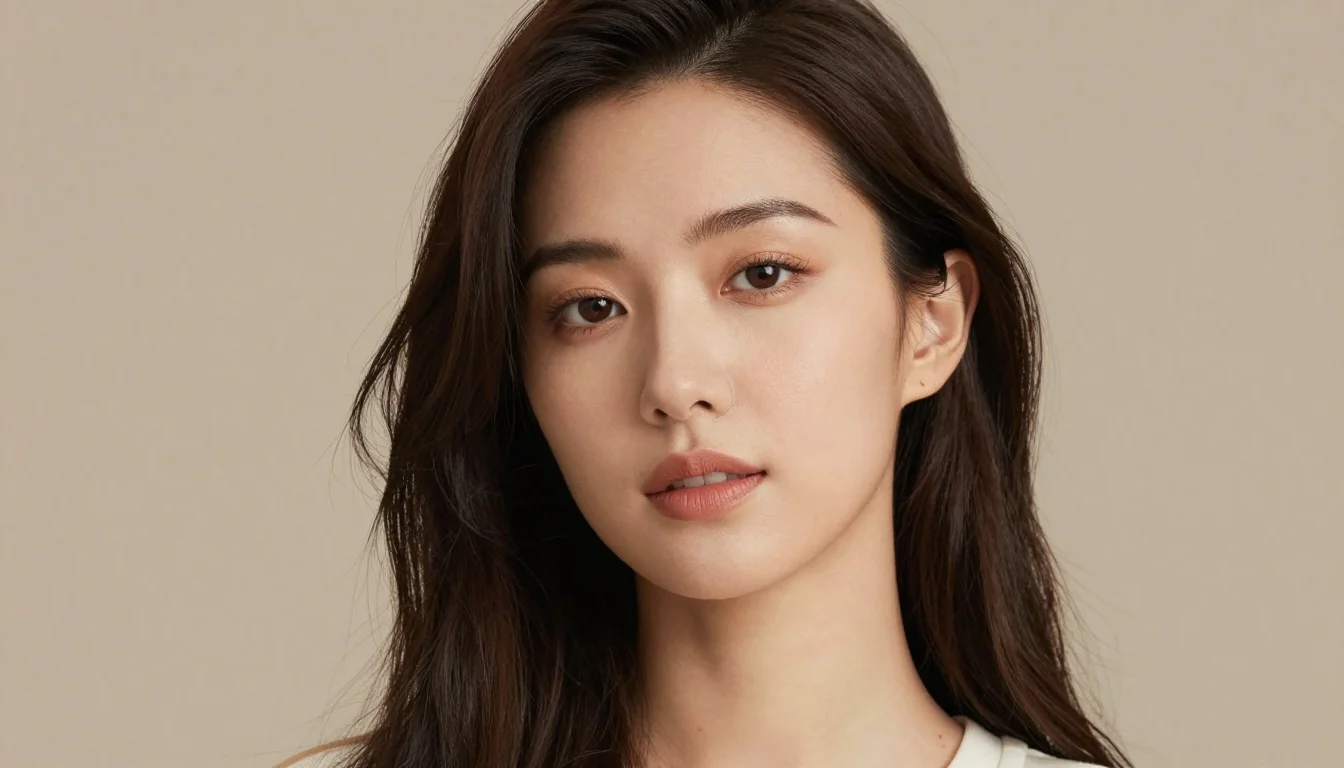
Pale skin and a white wedding dress sounds like a natural pairing — but it's actually one of the trickiest combinations to get right. The wrong shade of white can make a fair complexion disappear entirely into the dress, leaving you looking washed out and colourless in your wedding photos. The right shade creates the porcelain, luminous look that fair-skinned brides dream of. This is your once-in-a-lifetime event — knowing which whites, ivories, and blushes work for pale skin is one of the most useful pieces of information you can have before stepping into a bridal salon.


3,000+
happy clients
Why Pale Skin Makes Wedding Dress Color Selection Critical
Pale skin and a white wedding dress sounds like a natural pairing — but it's actually one of the trickiest combinations to get right. The wrong shade of white can make a fair complexion disappear entirely into the dress, leaving you looking washed out and colourless in your wedding photos. The right shade creates the porcelain, luminous look that fair-skinned brides dream of. This is your once-in-a-lifetime event — knowing which whites, ivories, and blushes work for pale skin is one of the most useful pieces of information you can have before stepping into a bridal salon.
Pale skin has very low pigment and high reflectivity — it picks up colour temperature from nearby fabric more readily than medium or deep complexions. When a fair-skinned bride stands in a bright white gown, the eye has difficulty distinguishing between the dress and the skin at the neckline and shoulders, creating a washed-out effect where face and dress blur together. This is especially pronounced in outdoor wedding photography under direct sunlight.
The specific undertone of your pale skin determines which white family flatters you most. Pale skin with pink or blue-pink undertones (cool pale) looks best in pure whites, bright whites, and cool ivories — the shared cool temperature creates a beautiful, crisp contrast. Pale skin with warm or golden undertones (warm pale) looks best in ivory, champagne, and warm blush — these shades share the warm temperature of the skin rather than clashing with it.
Photography is everything on your wedding day. What appears as a subtle difference in the fitting room becomes dramatically amplified in professional photographs — especially in outdoor light, flash photography, and the backlit conditions of a ceremony with windows behind the altar. Pale skin photographed against the wrong white can lose all definition, while the right shade creates the glowing, ethereal bridal look that fair complexions are capable of at their best.
Should pale skin brides wear white or ivory?
It depends on your undertone. Cool pale skin — with pink or blue-pink undertones — can wear pure white beautifully. Warm pale skin — with golden or peachy undertones — is typically more flattered by ivory. The way to know for certain is to hold both shades against your bare face in natural light and observe which one makes your skin look luminous versus washed out.
The Most Flattering Wedding Dress Shades for Pale Skin
Pure White and Bright White (for cool pale skin)
If your pale skin has cool, pink, or blue-pink undertones, you are one of the rare brides for whom pure white genuinely works. The shared cool temperature between your skin and a true white gown creates a crisp, elegant harmony — rather than a washed-out blur. Cool pale skin in bright white photographs with a striking, porcelain quality. The key is that your skin must be genuinely cool-toned; warm pale skin in pure white loses definition.
Ivory and Soft White (for warm pale skin)
Pale skin with warm or golden undertones finds its best bridal match in ivory. Ivory's warm undertone harmonizes with the warmth in fair skin, creating a cohesive, glowing look rather than a stark contrast. Antique ivory and cream white provide enough difference from the skin tone to give definition without fighting the warmth of the complexion. Many pale-skinned brides are surprised to find that ivory — traditionally considered a 'not-quite-white' — actually makes them look better than pure white.
Blush and Soft Rose
Blush gowns are universally flattering on pale skin because they add a delicate warmth and color that prevents the skin from disappearing into the dress. Pale blush creates a soft contrast against fair complexions — enough difference to define the neckline and décolletage without the starkness of a dark color. Ballet pink and nude blush are particularly beautiful on pale skin as they create an almost-ethereal, romantic effect that photographs exquisitely.
Champagne (for warm pale skin)
Champagne works beautifully on pale skin with warm undertones — the golden quality of champagne brings warmth to fair skin and creates a luxurious, sophisticated look. On cool pale skin, champagne can look slightly off, as the warm undertone doesn't quite harmonize with cool pink skin. But on warm pale skin, champagne is a stunning choice that photographs particularly well in golden-hour and candlelit settings.

Ready to see diamond white & white on your face?
Start my color analysisGetting It Right: Bridal Advice for Pale Skin Tones
Determine your undertone first
Before any dress shopping, establish whether your pale skin is cool or warm-toned. Look at the veins on your inner wrist: blue or purple veins indicate cool undertones; green veins indicate warm undertones; both indicate neutral. Cool pale skin opens the full range of whites; warm pale skin should start with ivory and champagne. This single piece of knowledge narrows your dress selection dramatically.
Test in natural light
Bridal showrooms are lit with soft flattering light designed to make everything look beautiful. Step outside or near a window with your fabric swatches and look at your skin under natural daylight. The effect of each shade will be far more honest in natural light than under showroom conditions — and your photos will be in natural light, so this is the test that matters.
The contrast principle
Pale skin often benefits from a slight contrast in the dress — either cooler or warmer than the skin, but with enough difference to provide visual definition. The most common mistake pale-skinned brides make is choosing a dress shade so close to their skin that there is no contrast at all. A little difference, whether in temperature or depth, creates the structure that makes pale skin look radiant rather than colourless.
Consider your makeup palette
Your wedding makeup will also interact with your dress color. If you are wearing a warm ivory or champagne gown, lean into warm makeup tones — peachy blush, warm nude lip, golden highlights. If you are wearing pure white, cooler makeup tones — rosy blush, berry lip, cool highlighter — create a more cohesive overall look. Brief your makeup artist on your dress shade before your trial.

A simple way to collect your wedding photos
Once the dress is decided, sorting your photo-sharing early saves a scramble later. Many couples now set up a QR-code wedding photo gallery so guests upload their pictures to one place the moment they take them.
Wedding Dress Shades That Can Wash Out Pale Skin
Stark bright white for warm pale skin
If your pale skin has warm or golden undertones, a stark bright white creates a temperature conflict that is unflattering and photographs poorly. The cool brightness of optical white makes warm pale skin look slightly yellow or peachy by comparison, while also lacking the definition to distinguish face from fabric at the neckline. Warm pale brides should try ivory before white.
Very pale champagne or very pale blush
Extremely pale shades — nearly-white champagne, the palest possible blush — can create the same problem as wearing white: there is too little contrast between dress and skin for any definition to appear. On pale skin, fabric needs to be at least slightly different in depth or temperature from the complexion to create a flattering, defined look. Choose blush or champagne with enough depth to show against fair skin.
Deep ivory or dark ecru
Very deep, dark ivory shades can read as a creamy yellow against pale skin, particularly in photography, making fair complexions look slightly sallow. There is a goldilocks range for pale skin: the ivory should be warm enough to provide definition but not so deeply toned that it creates an unflattering yellow contrast against the lightest complexions.
Stop guessing — preview every look on you
See these looks on my photoBridal Shade Swaps for Pale Skin
Making the switch from dress colors that wash out pale skin to ones that make it glow.
Optical white creates a cool-warm temperature clash with warm pale skin. Ivory shares the warmth of fair skin, providing flattering harmony instead of washed-out contrast.
A blush so pale it's nearly white provides no contrast against pale skin. A blush with actual presence — enough pink to show — creates a delicate, defining contrast that photographs beautifully.
Mismatched veil and gown shades create a distracting colour conflict. Matching the veil to the dress creates a cohesive bridal look; a blush-edged veil on an ivory gown adds a romantic, photogenic touch.
Wedding photographers often note that brides wear foundation a shade too light to look 'bridal'. Your actual skin tone, properly matched and photographed against the right dress shade, is infinitely more photogenic than a paler-than-natural base.
Blush gowns have warm undertones. Rose gold or warm gold jewelry continues the warm palette and creates a romantic, unified look. Cool silver can look slightly off against warm blush tones.
A lip color too close to pale skin disappears in photography. The slight depth of a soft berry, dusty rose, or warm nude provides the definition that makes pale skin look radiant rather than blank in photos.
Your Seasonal Color Profile
Pale skin appears across several seasonal colour profiles, and the differences matter enormously for wedding dress selection. The seasonal framework helps identify not just your dress shade but your entire bridal palette.
Cool Summer
Learn moreThe most common seasonal home for pale skin with soft pink or neutral-cool undertones. Cool Summer brides look beautiful in pure white and bright white gowns — their cool, soft colouring harmonizes with the crisp quality of white. Blush in soft, dusty rose tones is also stunning. Your wedding palette naturally leans towards soft lavender, muted rose, cool sage, and dusty blue.
Cool Winter
Learn morePale skin with high contrast — vivid eyes, distinctly cool blue-pink undertones, and a crisp, striking quality — belongs to Cool Winter. Bright white is your ideal dress shade; it enhances rather than washes out your dramatic colouring. Cool Winter brides look extraordinary in pure white with high-contrast accessories — bold flowers, deep green foliage, striking jewel-toned details.
Light Spring
Learn morePale skin with a delicate warmth — peachy-fair complexion, light golden or strawberry-blonde hair — often falls in Light Spring. Warm ivory and peachy blush are your ideal dress shades. Your wedding palette naturally leans toward peach, soft coral, warm cream, and golden yellow — a romantic, warm spring palette.
The Dress That Makes You Luminous
Fair skin in the right bridal shade is one of the most beautiful combinations in wedding fashion — porcelain, luminous, and timelessly elegant. The key is knowing your specific undertone: cool pale skin opens the full range of whites and pure shades; warm pale skin finds its best match in ivory, champagne, and warm blush. Your wedding photographs will be viewed for generations. A professional color analysis before your dress shopping removes all guesswork and gives you the specific guidance to walk into every bridal appointment knowing exactly what to look for.
Stop guessing — preview every color on you
Preview Yourself In Your Palette
Get my personalized paletteStop guessing — preview every color on you
Preview Yourself In Your Palette

Related Guides for Wedding Dress Color for Pale Skin
Explore more personalized color advice based on your features.
Want to see these colors on you? What Colors Look Good on Me — free to try.
Frequently Asked Questions About Wedding Dress Color for Pale Skin
Should pale skin brides wear white or ivory?
It depends on your undertone. Cool pale skin — with pink or blue-pink undertones — can wear pure white beautifully. Warm pale skin — with golden or peachy undertones — is typically more flattered by ivory. The way to know for certain is to hold both shades against your bare face in natural light and observe which one makes your skin look luminous versus washed out.
Can very pale skin wear blush wedding dresses?
Yes, and blush is often the most flattering option for pale skin because it provides a gentle, flattering contrast. The key is choosing a blush with enough colour presence to show against fair skin — a blush so pale it's nearly white provides no definition. A genuine soft pink or dusty rose provides the delicate contrast that makes pale skin look luminous.
Will pale skin get washed out in a white wedding dress?
It can, especially if the white is a pure, stark optical white and your skin is warm-toned. The most common scenario is warm pale skin in bright white — the temperature conflict and the tonal similarity of dress and skin combine to create a washed-out look. Cool pale skin is actually better suited to bright white. The solution is to find the shade that provides a slight temperature or depth contrast with your specific complexion.
Does champagne work for pale skin wedding dresses?
Champagne works beautifully for pale skin with warm undertones. The golden quality of champagne brings warmth to fair skin and creates a rich, luxurious bridal look. For pale skin with cool undertones, champagne can look slightly off — it may make the skin appear slightly yellow. Cool pale skin is better served by pure white or cool blush.
What makeup should pale skin wear with a white wedding dress?
With a cool white gown on cool pale skin, cooler makeup tones — rosy blush, berry or soft red lip, cool-toned highlight — create cohesion. With a warm ivory or champagne gown on warm pale skin, warm makeup — peach blush, warm nude lip, golden highlight — works better. The key principle is matching the temperature of your makeup to the temperature of your dress for a unified, photographable look.