Summer Colorsfor Tan Skin
Tan skin in summer has a natural warmth that the season intensifies. Discover which shades flatter you most — and which to skip.
Tan skin and summer are a natural pairing — the warmth of the season and the warmth of the complexion seem like they should be easy to dress. But the challenge is real: colors that looked great in spring can feel too cool or too pale against a tan, while the summer push toward pastels and linens can leave tanned skin looking washed out rather than golden. The colors that genuinely flatter tan skin in summer are the ones with warmth, vibrancy, or deep contrast — not the pale, diffuse tones that seem seasonally appropriate but lack the punch to make tanned skin look radiant.


3,000+
happy clients
Why a Tan Complicates Seasonal Color Rules
Tan skin and summer are a natural pairing — the warmth of the season and the warmth of the complexion seem like they should be easy to dress. But the challenge is real: colors that looked great in spring can feel too cool or too pale against a tan, while the summer push toward pastels and linens can leave tanned skin looking washed out rather than golden. The colors that genuinely flatter tan skin in summer are the ones with warmth, vibrancy, or deep contrast — not the pale, diffuse tones that seem seasonally appropriate but lack the punch to make tanned skin look radiant.
Tan skin has a warm, golden quality — whether natural or sun-deepened — that behaves differently from both pale and dark complexions in summer light. The warmth in a tan doesn't need to be 'activated' like it does in winter; it's already present and visible. What it needs is contrast, harmony, or both: colors that either resonate with the warmth or stand distinctly apart from it.
The mistake most people make with tan skin in summer is reaching for the same pale, washed-out tones that saturate seasonal fashion. Baby blue, pale yellow, dusty rose — these colors have no meaningful relationship with tanned skin. They're too light to create contrast and too cool or too diffuse to harmonize. They simply reduce the visual impact of what is already a striking complexion.
The summer colors that genuinely work for tan skin fall into three reliable families: warm brights that harmonize with the golden undertone, cool vivid tones that create striking contrast, and deep, rich darks that frame the complexion with intentional depth. All three approaches work — the diffuse mid-tones in the middle are the problem.
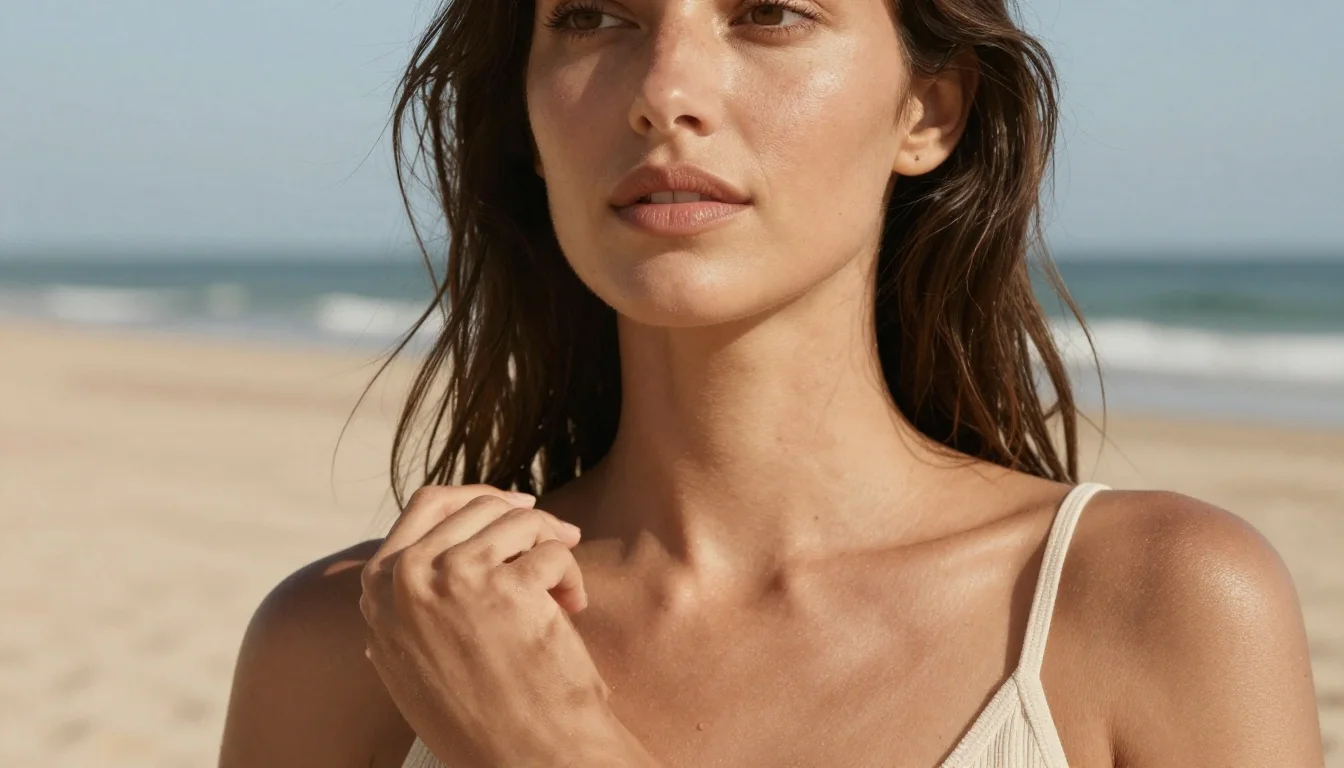
What colors look best on tan skin in summer?
Warm corals, vivid blues, crisp whites, and earthy saturated neutrals all look excellent on tan skin in summer. Vivid coral and tangerine harmonize with the golden warmth of a tan. Cobalt blue and turquoise create striking cool-warm contrast. Crisp white provides clean maximum contrast. Deep earthy tones like cognac and rich khaki add luxurious harmony. Avoid pale pastels and cool grey tones.
Your Most Flattering Summer Color Families
Warm Coral and Orange Family
Warm corals and oranges are the quintessential tan-skin summer colors — they harmonize with the golden warmth of a tan while adding vibrancy and energy. Vivid coral is particularly reliable: it's warm enough to resonate but not so orange that it clashes. Tangerine and terracotta look increasingly striking as a tan deepens. Avoid chalky, pale coral versions; the saturation is what makes these work.
Bold White and Ivory
White creates the cleanest possible contrast against tan skin, and in summer it's also seasonally perfect. The greater the tan, the more striking white becomes — the contrast between a golden-brown complexion and a crisp white linen shirt or dress is visually immediate and effortless. Warm ivory and cream work particularly well with tans that have golden undertones. White is the one summer color that works equally across all approaches to dressing tan skin.
Rich Cobalt and Vivid Blues
Cool, vivid blues create a striking complementary contrast with the warm tones in tan skin. Cobalt is the most powerful: its vivid, clean blue sits at the opposite end of the color wheel from golden-warm tones, making both the color and the complexion look more intense. Clear aqua and turquoise have a tropical, summer-specific quality that looks particularly good against tanned skin outdoors. Deep teal adds richness to the contrast.
Earthy Saturated Neutrals
Warm, earthy neutrals harmonize with the natural undertones of tan skin without creating stark contrast. These tones — rich khaki, warm olive, camel — feel easy and effortless because they work with the complexion rather than fighting or contrasting it. The key is saturation: these need to be rich, deep earthy tones rather than washed-out dusty ones. Deep camel and cognac in particular look luxurious against a golden tan.

Ready to see coral & tangerine on your face?
Start my color analysisHow to Dress Tan Skin in Summer
The classic summer formula
White plus a warm accent color is the most effortless formula for tan skin in summer. White linen trousers with a coral top, a white sundress with cognac sandals, a white shirt with turquoise accessories — the crisp white frames the tan while a warm or vivid accent adds interest. This formula works at the beach, at brunch, or at a summer dinner and requires minimal thought.
Maximizing a deepening tan
As a tan deepens through summer, the colors that work shift slightly toward higher contrast and deeper richness. Cobalt blue, rich emerald, and vivid magenta all look increasingly striking against a deep summer tan. If you've been wearing pale coral in June, by August you might be ready for the deeper, more saturated versions. Let your tan guide you toward more vivid color rather than retreating to pale tones.
Summer events and occasions
For summer weddings, parties, and occasions, tan skin looks best in warm jewel tones and vivid brights. A coral or terracotta maxi dress, a cobalt midi, or a rich aqua wrap dress all photograph beautifully against tanned skin in natural light. Avoid pale, romantic tones that look better on fair skin — they don't translate to the summer tan the same way vivid and warm tones do.
Summer work attire
In professional summer settings, tan skin looks polished in warm neutrals and clean whites. A tailored white blazer with warm khaki trousers, a rich camel dress in a lightweight fabric, or a deep olive linen suit — all use the harmony between tan skin and warm, earthy neutrals to create an intentional, pulled-together look. Avoid the generic 'summer navy' if it's a cool, slate navy — warm mid-navy works, but cool grey-navy fights the tan's warmth.
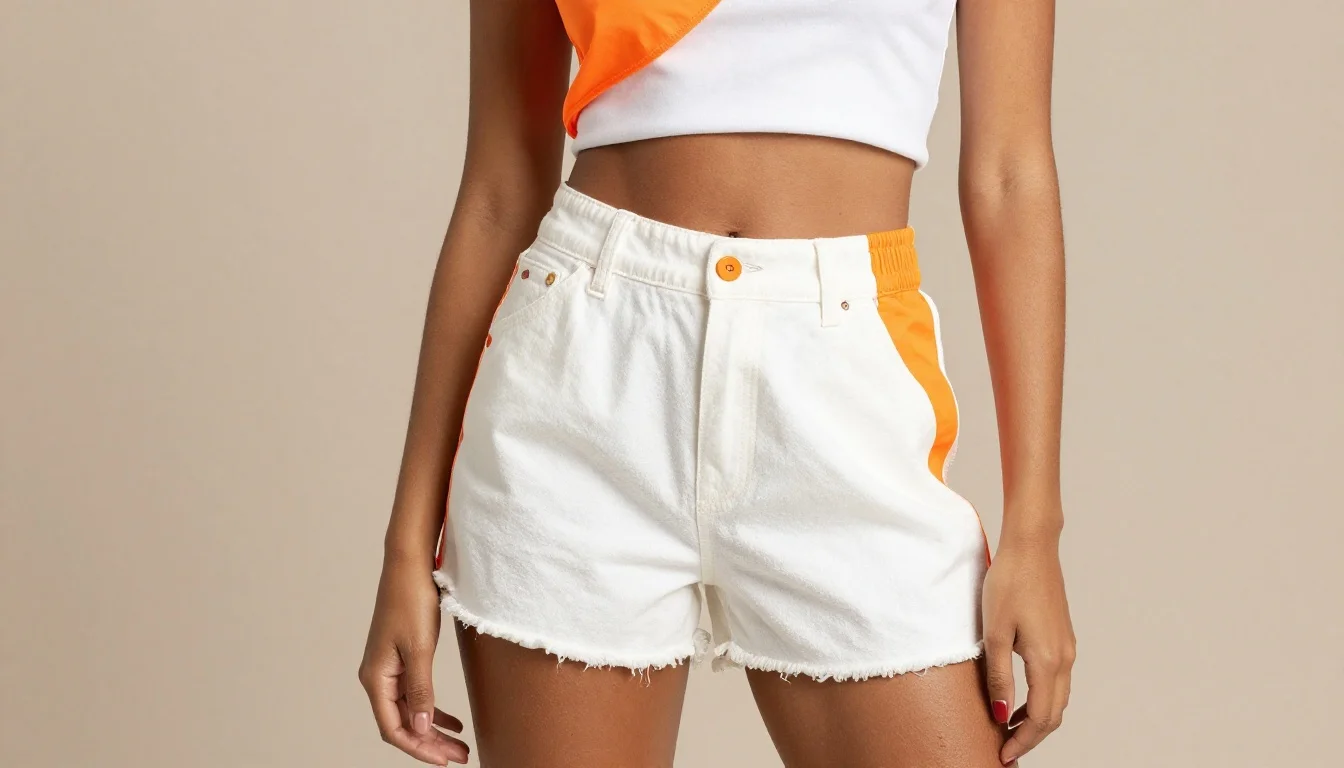
Colors That Work Against Tan Skin in Summer
Pale, chalky pastels
Pale pastels — dusty rose, powder blue, chalky lavender — have no meaningful relationship with tan skin. They're too light to create effective contrast and their faded quality clashes with the warm, golden vitality of a tan. The result is a look where the outfit and the skin tone seem disconnected rather than complementary.
Cool grey and silver
Cool grey tones fight the warmth in tan skin rather than complementing or contrasting it. Light grey and silver-grey in particular have an unflattering interaction with golden-warm complexions — they make tan skin look dull and muddy rather than warm. Charcoal and deep slate work; it's the mid-tone and light cool greys that cause problems.
Mustard yellow
Mustard and olive-yellow are one of the most cited "terrible on tan skin" colors. The yellow-green quality of mustard clashes with the warm but non-yellow undertone of most tans, creating a sallow, greenish look rather than a warm one. True golden yellow and warm saffron are completely different; mustard specifically is the problem.
Muted, greyish purples
Dusty lavender and muted mauve have a cool, grey-purple quality that fights the warmth of tan skin without creating clear enough contrast to look intentional. They sit in an awkward middle zone: not warm enough to harmonize, not saturated enough to contrast. Vivid, rich purple is a different story — it creates a dramatic complementary contrast against warm skin.
Stop guessing — preview every look on you
See these looks on my photoSummer Swaps for Tan Skin
Trading colors that flatten or fight a tan for ones that make it glow.
Dusty rose has no contrast or harmony with tan skin. Vivid coral resonates with the warm undertone while adding the saturation tan skin needs to look radiant.
Pale blue washes out against tan skin. Cobalt and turquoise have the saturation to create the striking cool-warm contrast that makes tanned skin glow.
Mustard creates a sallow, greenish clash with tan skin. Saffron brings warm brightness; ivory creates clean contrast.
Pale mint disappears against tan skin without creating meaningful contrast. White maximizes contrast; coral harmonizes with the golden warmth.
Cool grey-purple fights tan skin's warmth awkwardly. Cognac harmonizes; turquoise creates a vivid complementary contrast.
Dusty blush is too pale and cool to do anything for tan skin at night. Terracotta and cobalt have the depth and presence to look striking against a tanned complexion.
Which Color Season Fits Tan Skin in Summer?
Tan skin spans several color seasons — natural tan with warm undertones, sun-deepened medium skin, and warm-toned olive skin all fall into different seasonal families. The common thread is warmth, which makes autumn-adjacent seasons most common.
Warm Autumn
Learn moreIf your tan has distinctly warm, golden, or bronze undertones and your hair and eyes are warm-toned, Warm Autumn is likely your season. Your summer palette uses the richest warm tones: golden amber, terracotta, warm coral, and cognac. Summer heat simply amplifies the warmth already in your coloring.
Warm Spring
Learn moreIf your tan is on the medium side with a yellow-gold warmth and you have lighter or brighter features overall (lighter eyes, warmer hair), Warm Spring may fit. Your summer palette uses lighter, brighter warm tones: peachy coral, golden yellow, warm turquoise, and clear warm green. The spring palette simply has more brightness than autumn.
Deep Autumn
Learn moreIf your tan is naturally deep and rich with earthy, warm undertones and you have dark, warm-toned hair and eyes, Deep Autumn fits. Your summer palette is the richest of the warm tones: deep mango, burnt orange, cognac, and warm olive. Summer gives these colors their brightest seasonal expression.
Find Your Exact Summer Palette
Tan skin in summer has a natural warmth that deserves colors chosen to match it — vivid, warm, or boldly contrasting rather than pale and diffuse. The specific tones that work best depend on whether your tan has golden, bronze, or olive undertones and how your overall contrast sits. A personalized color analysis identifies your season precisely and gives you a complete warm-weather palette that makes your complexion look its most radiant all summer long.
Stop guessing — preview every color on you
Preview Yourself In Your Palette
Get my personalized paletteStop guessing — preview every color on you
Preview Yourself In Your Palette

Related Guides for Summer Colors for Tan Skin
Explore more personalized color advice based on your features.
Want to see these colors on you? What Colors Look Good on Me — free to try.
Frequently Asked Questions About Summer Colors for Tan Skin
What colors look best on tan skin in summer?
Warm corals, vivid blues, crisp whites, and earthy saturated neutrals all look excellent on tan skin in summer. Vivid coral and tangerine harmonize with the golden warmth of a tan. Cobalt blue and turquoise create striking cool-warm contrast. Crisp white provides clean maximum contrast. Deep earthy tones like cognac and rich khaki add luxurious harmony. Avoid pale pastels and cool grey tones.
Does white look good on tan skin?
Yes — white is one of the most flattering summer colors for tan skin. The contrast between crisp white and a golden-tan complexion is visually striking and effortless. The deeper the tan, the more dramatic the white contrast becomes. Both cool bright white and warm ivory work well, depending on whether the tan has cooler or warmer undertones.
What should tan skin avoid in summer?
Pale pastels, cool grey tones, mustard yellow, and muted purples tend to work against tan skin. Pale pastels lack contrast and harmony with a tan. Cool greys fight the warm undertone. Mustard creates an unflattering sallow clash. Muted lavender and mauve sit in an awkward zone — not warm enough to harmonize, not vivid enough to contrast. The solution is always more saturation or more depth.
What colors make a summer tan look darker?
Crisp white creates the maximum contrast that makes a tan look deepest and most golden. After white, cobalt blue and deep navy also amplify the contrast that makes tan skin appear more vibrant. Cool, vivid colors in general tend to emphasize the warm depth of a tan more than warm, harmonizing tones do.
What summer colors work for olive tan skin?
Olive tan skin has a warm yellow-green quality that makes it slightly different from a golden tan. Colors that work best include rich terracotta, warm cognac, vivid cobalt, deep emerald, and crisp white. Avoid colors with a yellow-green cast (mustard, lime) as they can clash with the olive undertone. The richest, most saturated versions of warm and cool tones both work well.