Your First Deep WinterWardrobe
Deep Winter coloring is intense, dark, and cool-to-neutral in temperature. Discover how to build looks with shades that actually flatter you.
Deep Winter coloring is intense, dark, and cool-to-neutral in temperature — high contrast, rich in depth, and capable of carrying colors that would overpower nearly anyone else. Building a starter wardrobe for this season means choosing pieces with genuine depth and saturation. Pale, washed-out, or muted colors underperform on Deep Winter coloring; rich, dark, and vivid tones are where this palette excels. Twelve to fifteen targeted pieces will establish a wardrobe with serious visual impact.


3,000+
happy clients
Why Deep Winter Coloring Demands Rich Colors
Deep Winter coloring is intense, dark, and cool-to-neutral in temperature — high contrast, rich in depth, and capable of carrying colors that would overpower nearly anyone else. Building a starter wardrobe for this season means choosing pieces with genuine depth and saturation. Pale, washed-out, or muted colors underperform on Deep Winter coloring; rich, dark, and vivid tones are where this palette excels. Twelve to fifteen targeted pieces will establish a wardrobe with serious visual impact.
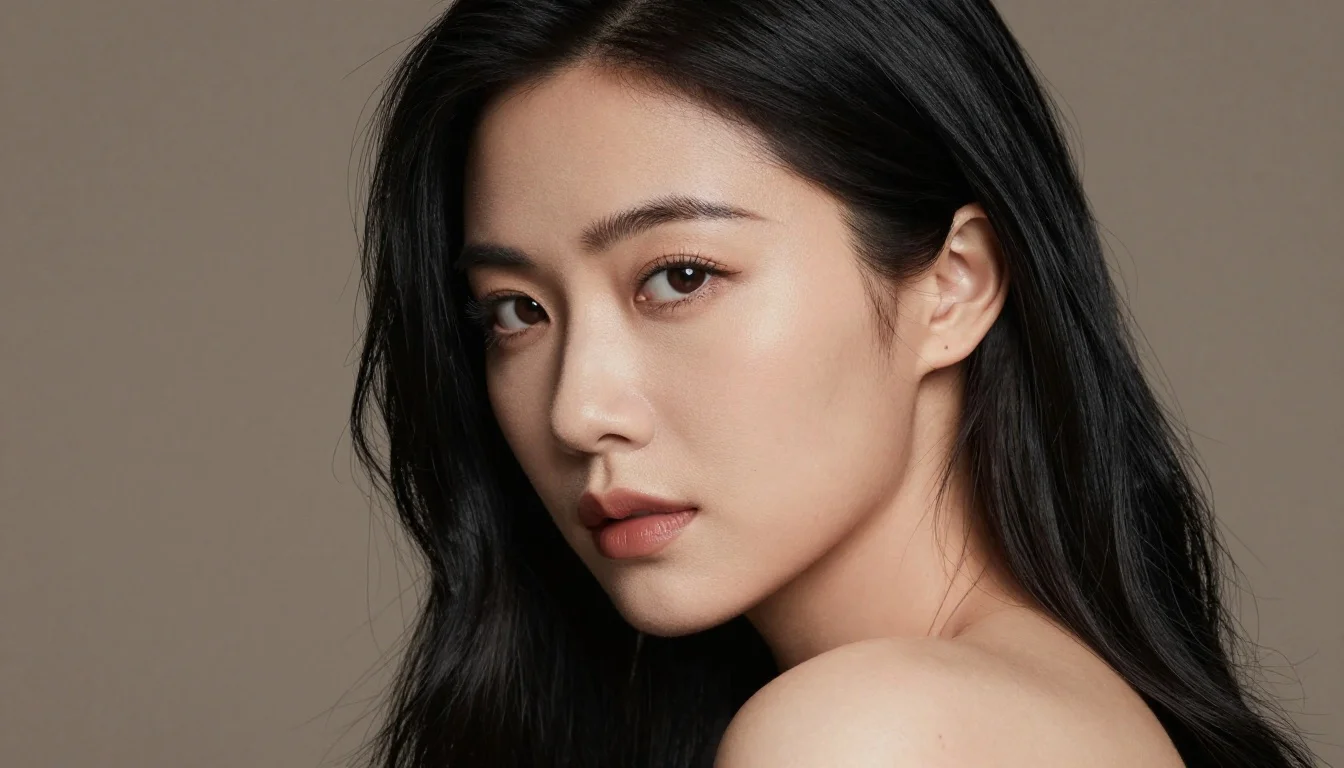
Deep Winter sits at the intersection of Winter and Autumn in the twelve-season system — cool or neutral in undertone, but with the Autumn family's deep pigmentation. The result is dark, richly pigmented features: very dark hair (often cool dark brown or black), skin ranging from fair with dramatic contrast to medium or deep cool-toned, and eyes that are typically very dark or intensely pigmented. This high-intensity coloring creates a visual gravity that only saturated, deep colors can match.
The most common Deep Winter mistake is wearing colors that are too light, too muted, or too warm. Pastels disappear; warm camel and golden brown create a warm-cool conflict; black-and-white works well but vivid deep jewel tones work even better. Deep Winter is one of the few seasonal types where vivid, saturated color is a genuine neutral-equivalent — you can wear deep emerald or intense violet with the same ease that other seasons wear grey.
Deep Winter's starter wardrobe differs from Cool Winter's in one key way: depth takes priority over coolness. While both seasons wear vivid jewel tones and dark darks, Deep Winter can lean into slightly warmer, deeper tones where Cool Winter stays more distinctly cool. Your palette accommodates slightly warmer darks — deep burgundy, rich forest green, dark plum — that pure Cool Winter avoids.
What are the best starter colors for Deep Winter?
Black, deep burgundy, vivid emerald, and stark white are the most versatile Deep Winter starter colors. Black is your primary neutral, burgundy and emerald are your rich accent colors, and white provides contrast — all the foundations of this high-impact palette.
Your Deep Winter Foundation Colors
True Black and Deep Charcoal
Black is Deep Winter's primary neutral — the anchor color everything else works against. Unlike most other seasons where black is harsh, Deep Winter coloring has the depth and contrast to make black look intentional and powerful. A black trouser, black blazer, and black dress cover a wide range of occasions while always looking polished.
Deep Jewel Tones
Deep jewel tones are Deep Winter's power palette — colors with enormous depth and saturation that match the richness of your natural coloring. Burgundy, forest green, and deep plum all work as near-neutrals for Deep Winter: they pair with black, with each other, and with deep navy. These colors photograph magnificently against dark, high-contrast features.
Vivid Saturated Colors
Vivid, fully saturated colors are a Deep Winter strength. Where other seasons are overwhelmed by these intense shades, Deep Winter coloring holds its own against them. A vivid emerald blouse or deep crimson statement piece works for this palette in a way it simply cannot for lighter or softer seasonal types. Include one vivid statement color as a regular piece — not a special occasion exception.
Deep Neutral Darks
Beyond black, Deep Winter needs additional deep darks as neutrals. Very dark navy, deep espresso (cool-leaning), and near-black forest green fill out the bottom-and-layering wardrobe with depth. These aren't lighter versions of the jewel tones — they're genuinely dark, anchoring colors that provide structure without competing with face-framing jewels.

Ready to see jet black & charcoal on your face?
Start my color analysisBuilding Your 12-Piece Deep Winter Starter Wardrobe
The 4 bottoms
Four bottoms spanning your deepest palette colors: black trouser (essential), very dark navy or deep indigo trouser, dark charcoal formal bottom, and deep burgundy or forest green statement bottom. This gives you formal, smart casual, and dressy occasion pieces — all in the deep, rich tones that make Deep Winter look most polished.
The 4 tops
Four tops covering your key families: a white or crisp light shirt (your contrast piece — stark white works for Deep Winter), a rich burgundy or plum blouse, a vivid jewel tone top (emerald, sapphire, or violet) for your signature color, and a black knit as a layering essential. Each top should be either deep or vivid — nothing muted or pastel.
The 2 layers
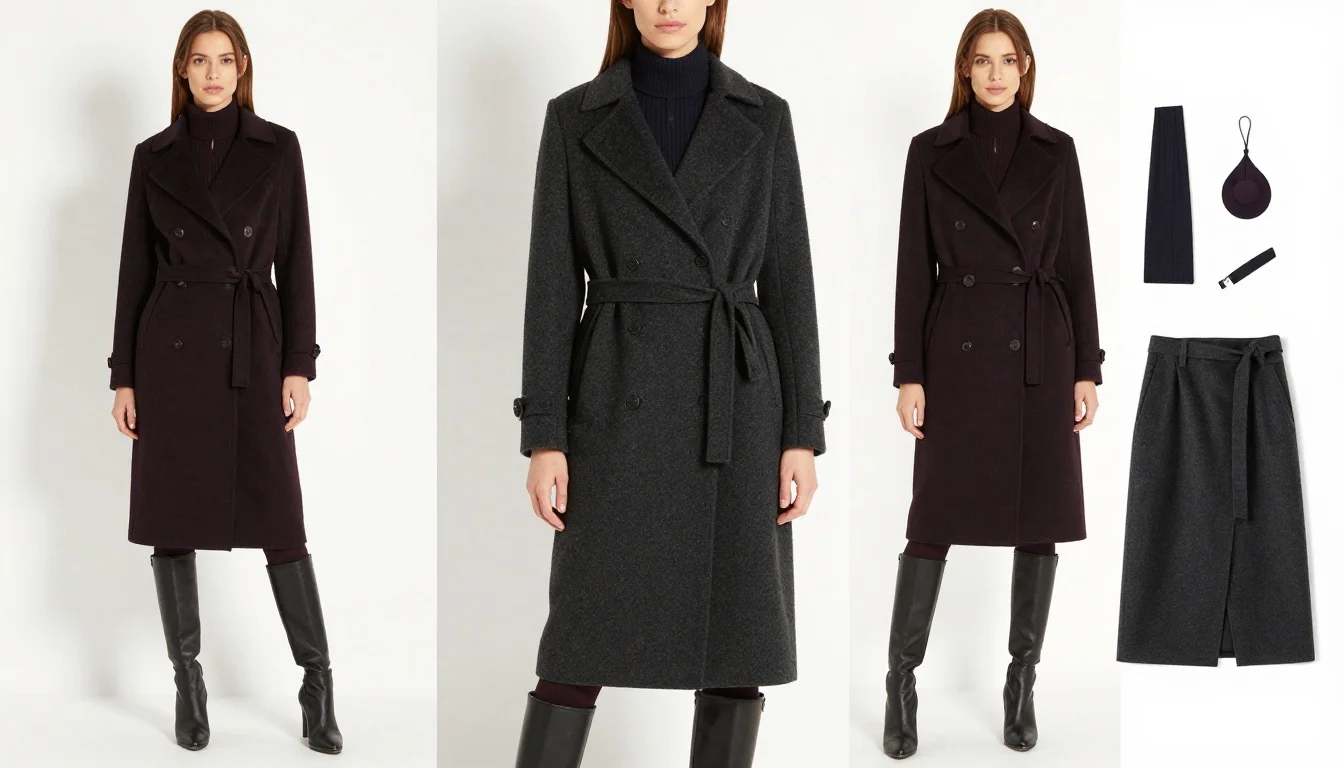
A black blazer and a deep jewel-toned cardigan or blazer (dark forest, deep plum, or navy). The black blazer handles all formal occasions; the jewel-toned layer brings depth and richness to casual or creative contexts. Deep Winter can wear a burgundy or emerald blazer as a near-neutral — use this capacity.
The 2 outerwear pieces
A black coat and a deep jewel-toned coat. Black is functional; a deep forest green, rich burgundy, or midnight navy coat is a signature Deep Winter outerwear piece. One of each gives you versatility across all occasions and weather. Both should be deep, not dark-medium — genuinely dark pieces.
Colors to Leave Out of Your Starter Wardrobe
Light pastels and washed-out tones
Pale, chalky pastels have no visual weight against Deep Winter's high-contrast coloring — they disappear and make the overall look feel incomplete. If you want lighter moments in your wardrobe, choose vivid or clear versions (ice blue, bright white) rather than pale, dusty ones.
Warm golden brown and camel
Warm golden tones conflict with Deep Winter's cool-to-neutral base. Camel, warm tan, and golden brown create a yellow-warm contrast with cool skin that reads as disconnected. Reserve warm tones for accessories if needed — keep main pieces cool or neutral.
Muted and dusty colors
Muted, greyed-down colors — dusty rose, heather grey, muted sage — belong to summer palettes and lack the intensity Deep Winter needs. The palette thrives on saturation and depth. Muted tones use your coloring's dramatic quality as an unflattering backdrop rather than letting it shine.
Orange and warm-toned reds
Orange-influenced colors and warm reds clash with Deep Winter's cool undertone. If you want red, choose deep cool red, burgundy, or deep crimson — rich, cool versions rather than warm-orange ones.
Stop guessing — preview every look on you
See these looks on my photoThe Foundational Deep Winter Swaps
Trading lighter or warmer defaults for the deep, rich pieces Deep Winter actually needs.
Warm or light neutrals lack the depth Deep Winter coloring needs. Black and deep plum match the palette's intensity and create a polished, intentional look.
Pale tones disappear against Deep Winter's dramatic features. Rich, saturated colors hold their own and make your coloring look deliberate.
Mid-tones lack the depth that anchors Deep Winter outfits. Very dark navy and black create the high-contrast foundation this palette excels at.
Olive is a warm autumn color that conflicts with Deep Winter tone. Deep forest and vivid emerald have the richness and appropriate temperature for this palette.
Warm reds and coral fight Deep Winter undertones. Deep crimson and magenta deliver the same visual impact in cool tones that actually complement this palette.
Pastels are too light and insubstantial for Deep Winter. A deep cardigan provides the same functional layering with visual weight that matches your coloring.
About Deep Winter Coloring
Deep Winter sits between the Winter and Autumn families in the twelve-season system — sharing Winter's cool-to-neutral undertone and Autumn's deep, rich pigmentation.
Deep Winter
Learn moreYour palette includes jet black, vivid jewel tones (emerald, sapphire, violet, magenta), deep darks (forest green, burgundy, plum, navy), stark white as a contrast, and every other deeply saturated cool-neutral tone.
Cool Winter
Learn moreIf your coloring runs distinctly cool rather than deep-and-neutral, Cool Winter may be your season — it shares the Winter palette but prioritizes coolness over depth.
Deep Autumn
Learn moreIf your coloring is deep but with a clearly warm rather than cool undertone, Deep Autumn may be your season — it shares the depth of Deep Winter but in warm rather than cool tones.
Find Your Exact Deep Winter Palette
Deep Winter covers a range of high-contrast, deeply pigmented coloring from cool to neutral in temperature. Your exact position within the season determines which vivid jewel tones and deep darks work best for your individual coloring. A personalized color analysis gives you a precise palette with your most flattering shades.
Stop guessing — preview every color on you
Preview Yourself In Your Palette
Get my personalized paletteStop guessing — preview every color on you
Preview Yourself In Your Palette

Related Guides for Starter Wardrobe for Deep Winter
Explore more personalized color advice based on your features.
Want to see these colors on you? What Colors Look Good on Me — free to try.
Frequently Asked Questions About Starter Wardrobe for Deep Winter
What are the best starter colors for Deep Winter?
Black, deep burgundy, vivid emerald, and stark white are the most versatile Deep Winter starter colors. Black is your primary neutral, burgundy and emerald are your rich accent colors, and white provides contrast — all the foundations of this high-impact palette.
Can Deep Winter wear warm tones?
In a starter wardrobe, avoid warm tones in main pieces — camel, golden brown, and orange-influenced colors conflict with Deep Winter's cool-to-neutral undertone. Accessories in warm tones can work in small amounts, but foundations should stay deep, cool, or neutral.
How is Deep Winter different from Cool Winter?
Deep Winter has more depth and can tolerate slightly warmer darks than Cool Winter. Cool Winter stays very distinctly cool; Deep Winter accepts slightly warmer darks like deep burgundy and forest green. Both wear vivid jewel tones and black, but Deep Winter leans into richness where Cool Winter leans into clarity.
Can Deep Winter wear pastels?
Not in a starter wardrobe. Pastels lack the depth and saturation that Deep Winter coloring demands — they look washed out and insubstantial. Icy, vivid versions of light colors (icy white, clear light tones) work better than chalky or muted pastels.
What is the single most important piece in a Deep Winter wardrobe?
A black blazer — it's the most versatile, most impactful piece for Deep Winter. It elevates everything, works in formal and creative contexts, and provides the foundation for the palette's high-contrast aesthetic. If you invest in one Deep Winter piece, it's this.