Your First Deep AutumnWardrobe
Deep Autumn is the richest, most saturated of the autumn palettes. Discover how to build looks with shades that actually flatter you.
Deep Autumn is the richest, most saturated of the autumn palettes — your coloring is high-contrast, dark, and warm. Getting dressed with this in mind doesn't require a full wardrobe overhaul immediately. Start with 12 to 15 versatile pieces in your most flattering shades and you'll have a functional, cohesive wardrobe that works across occasions. This guide prioritizes wearability over novelty: every piece should work with at least three others you already own or are about to buy.


3,000+
happy clients
Why Deep Autumn Needs Different Foundations
Deep Autumn is the richest, most saturated of the autumn palettes — your coloring is high-contrast, dark, and warm. Getting dressed with this in mind doesn't require a full wardrobe overhaul immediately. Start with 12 to 15 versatile pieces in your most flattering shades and you'll have a functional, cohesive wardrobe that works across occasions. This guide prioritizes wearability over novelty: every piece should work with at least three others you already own or are about to buy.
Deep Autumn coloring is warm and dark — rich brown, olive, or deep warm skin tones; dark warm-brown or black hair; eyes in deep brown, hazel, or olive. This specific combination is flattered by colors that match its intensity and warmth. The problem most Deep Autumns encounter when starting out is defaulting to standard wardrobe 'neutrals' — navy, grey, black, white — that work for the majority but actively undermine Deep Autumn coloring.
Black near your face wears you rather than the reverse. Grey looks flat and lifeless against warm, richly pigmented skin. Pure white creates a stark, draining contrast. The good news: Deep Autumn has access to a full palette of genuinely versatile 'neutrals' — deep warm browns, rich olive greens, chocolate, warm camel — that function exactly as navy and grey do for cool-season types but actually flatter your coloring instead of fighting it.
Building your starter wardrobe means accepting these Deep Autumn neutrals as your foundations. Once you have four or five pieces in deep warm brown, olive, and rich terracotta-adjacent tones, everything else adds naturally. The palette is cohesive by design — all Deep Autumn colors sit in the same warm, deep register and automatically work together.
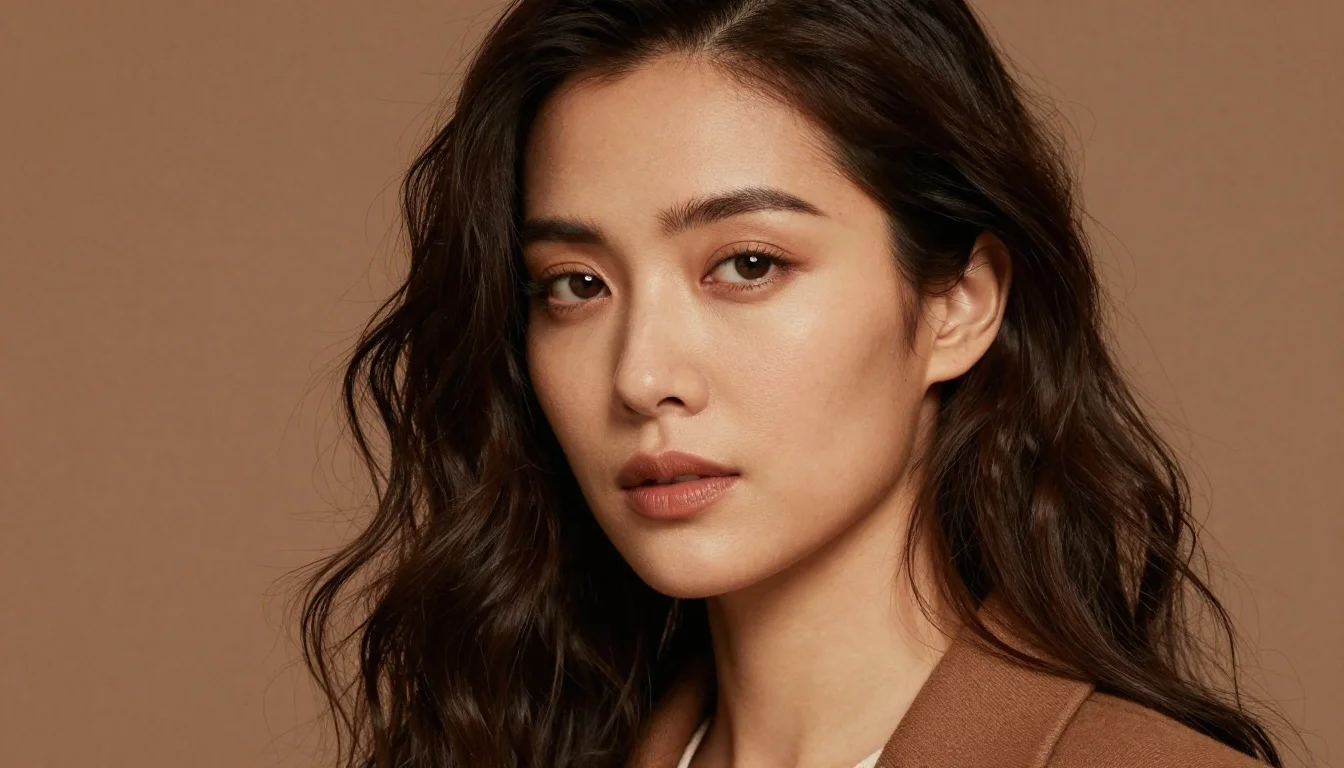
What are the best starter colors for Deep Autumn?
Deep warm brown, olive green, terracotta, and camel are the most versatile Deep Autumn starter colors. These four families cover your darkest neutrals, your mid-tone neutrals, your warm accents, and your light neutrals — all the building blocks you need for a functional wardrobe.
Your Deep Autumn Foundation Colors
Deep Warm Brown
Deep warm brown is your primary neutral — it replaces the navy and charcoal that cool seasons rely on. Every Deep Autumn starter wardrobe needs at least two pieces in this family: a rich chocolate trouser or jean and a warm espresso blazer or cardigan cover everything from casual to polished. Chocolate brown is the most versatile single color in your palette; if you own nothing else, start here.
Olive and Forest Green
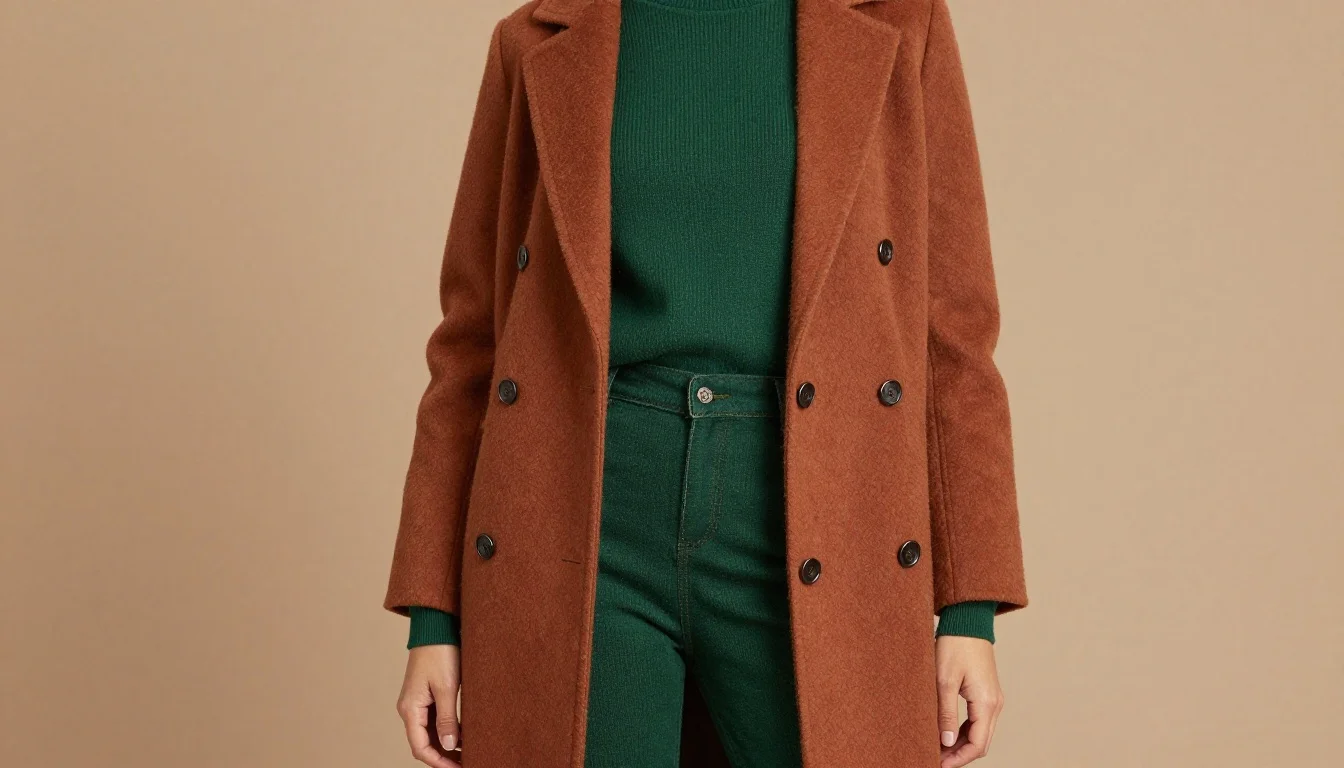
Olive green is Deep Autumn's second anchor neutral — it works as a bottom, a layer, or a statement top with equal ease. Dark olive trousers with a rich brown sweater is one of the most effortlessly flattering outfits in this palette. Olive also functions as a surprising neutral with warm terracotta and burnt orange — colors that are statement shades for other seasons but daily basics for Deep Autumn.
Terracotta and Rust
Terracotta and rust are Deep Autumn's warm accent colors — saturated enough to be the focal point of an outfit but grounded enough to work as everyday pieces. A deep terracotta top with olive trousers and cognac accessories is a fully Deep Autumn outfit that requires no effort to assemble. Add one terracotta and one rust piece to your starter wardrobe.
Warm Camel and Tan
Camel is your lighter neutral — the equivalent of cream or ivory for cool seasons, but warmer and more flattering on Deep Autumn skin. A camel coat or camel knitwear is enormously versatile: it works with every other color in your palette. If you need one lighter piece for layering or transitional weather, camel is the most reliable choice.

Ready to see chocolate & espresso on your face?
Start my color analysisBuilding Your 12-Piece Deep Autumn Starter Wardrobe
The 4 bottoms
Start with four bottoms in your darkest neutrals: a chocolate brown trouser, an olive green trouser or skirt, a dark-wash warm-toned denim (brown-black or deep indigo with warm cast), and a camel or warm tan casual bottom. These four cover formal, smart casual, and relaxed occasions across all seasons and pair with every top you own.
The 4 tops
Four tops in your most wearable colors: a rich chocolate or espresso knit, a deep terracotta or rust top, a warm forest green blouse or tee, and a camel or cream lightweight layer. Each top should pair with at least three of your four bottoms. Avoid prints in your starter wardrobe — solids give you maximum versatility while you're learning your palette.
The 2 layers
Two layers cover most combinations: a warm brown or olive blazer that works as a formal layer and a rich knit cardigan in chocolate or camel for casual layering. A Deep Autumn blazer in dark warm brown is one of the most impactful wardrobe investments — it upgrades any outfit and works with all your palette colors.
The 2 outerwear pieces
A camel coat for daytime and a dark chocolate or olive jacket for casual use. Camel is the single most versatile outerwear color for Deep Autumn — it complements every other palette color. Dark olive or brown leather for casual weekend use rounds out outerwear. Both should be warm-toned, not cool.
Colors to Leave Out of Your Starter Wardrobe
Black
Black drains warmth from Deep Autumn skin and creates an artificially stark contrast. It's not that Deep Autumn can never wear black — it's that black shouldn't be a foundation piece or worn near your face. In a starter wardrobe, deep warm brown does everything black does but actually flatters you.
Cool grey
Cool grey is a flat, lifeless color on Deep Autumn's warm, rich coloring. It has no warmth to interact with and no depth to create contrast. Olive, dark khaki, or warm taupe all serve the same functional role as grey but work with Deep Autumn coloring rather than fighting it.
Navy and cool blue
Navy functions as a neutral for cool seasons but has no warmth to complement Deep Autumn's warm base. If you need a blue in your starter wardrobe, choose a warm teal or deep blue-green rather than pure cool navy.
Pure white and stark pastels
Stark white and chalky pastels wash out Deep Autumn's rich coloring. Your version of 'light' is warm ivory, golden cream, or warm sand — not stark white. These feel similar but produce completely different results near your face.
Stop guessing — preview every look on you
See these looks on my photoThe Foundational Deep Autumn Swaps
Trading generic wardrobe staples for ones that actually flatter Deep Autumn coloring.
Charcoal is flat and cool against Deep Autumn skin. Chocolate brown delivers the same formality with warmth that makes Deep Autumn coloring glow.
Black and grey lack warmth. Olive and espresso have the depth to create contrast without draining warmth from your complexion.
Cool blue denim sits awkwardly with Deep Autumn coloring. Warm dark denim or olive creates natural cohesion with your palette.
Bright cool red clashes with warm skin. Terracotta and brick are the Deep Autumn equivalent — same visual impact, actually flattering.
A black coat is a missed opportunity for Deep Autumn. Camel integrates with your palette in a way black never can.
Cool white or pink-cream looks stark. Golden ivory or warm cream harmonizes with Deep Autumn skin for a natural, radiant effect.
About Deep Autumn Coloring
Deep Autumn is one of the twelve color seasons in the seasonal color analysis system. It sits at the intersection of the Autumn and Winter families — deeply warm and richly saturated, but with more depth and contrast than Warm Autumn.
Deep Autumn
Learn moreYour palette includes the richest, most saturated warm tones: deep chocolate, olive, terracotta, burnt sienna, warm forest green, cognac, camel, and rich rust. You can handle more depth and intensity than Soft or Warm Autumn types.
Warm Autumn
Learn moreIf your coloring is warm but lighter or softer than Deep Autumn, Warm Autumn may be a closer fit — your palette is similar but slightly less intense and more golden overall.
Deep Winter
Learn moreIf you find your coloring is warm but also very high-contrast with cooler elements, Deep Winter may overlap with your palette — both seasons share depth, but Deep Winter runs cooler.
Find Your Exact Deep Autumn Palette
Deep Autumn is a broadly defined season — your specific depth, warmth, and contrast level will determine exactly which shades within the palette are most flattering. A personalized color analysis identifies your precise seasonal home and gives you a curated set of your best colors, so your starter wardrobe is built on the shades that genuinely work for your individual coloring rather than generic seasonal approximations.
Stop guessing — preview every color on you
Preview Yourself In Your Palette
Get my personalized paletteStop guessing — preview every color on you
Preview Yourself In Your Palette

Related Guides for Starter Wardrobe for Deep Autumn
Explore more personalized color advice based on your features.
Want to see these colors on you? What Colors Look Good on Me — free to try.
Frequently Asked Questions About Starter Wardrobe for Deep Autumn
What are the best starter colors for Deep Autumn?
Deep warm brown, olive green, terracotta, and camel are the most versatile Deep Autumn starter colors. These four families cover your darkest neutrals, your mid-tone neutrals, your warm accents, and your light neutrals — all the building blocks you need for a functional wardrobe.
Can Deep Autumn wear black in a starter wardrobe?
It's better to skip black in your starter wardrobe and invest in deep warm brown instead. Black lacks the warmth to complement Deep Autumn coloring and can drain richness from your complexion, especially near your face. Deep chocolate achieves the same depth with dramatically better results.
How many pieces do I need to start a Deep Autumn wardrobe?
Twelve to fifteen pieces is enough for a functional starter wardrobe: four bottoms, four tops, two layers, and two to three outerwear pieces. Focus on solid colors in your most versatile shades before adding patterns or statement pieces.
What is the most versatile color for Deep Autumn?
Chocolate warm brown is the single most versatile Deep Autumn color — it functions as a neutral (like navy or charcoal for cool seasons) while actively flattering warm coloring. A rich chocolate blazer or trouser works with every other color in the Deep Autumn palette.
Do Deep Autumns need to avoid navy?
Navy is less flattering for Deep Autumn than warm dark tones because it has a cool undertone that doesn't harmonize with the warmth of the palette. It's not a hard rule, but in a starter wardrobe, investing in warm-toned darks — chocolate, olive, deep teal — gives you better results than reaching for navy.