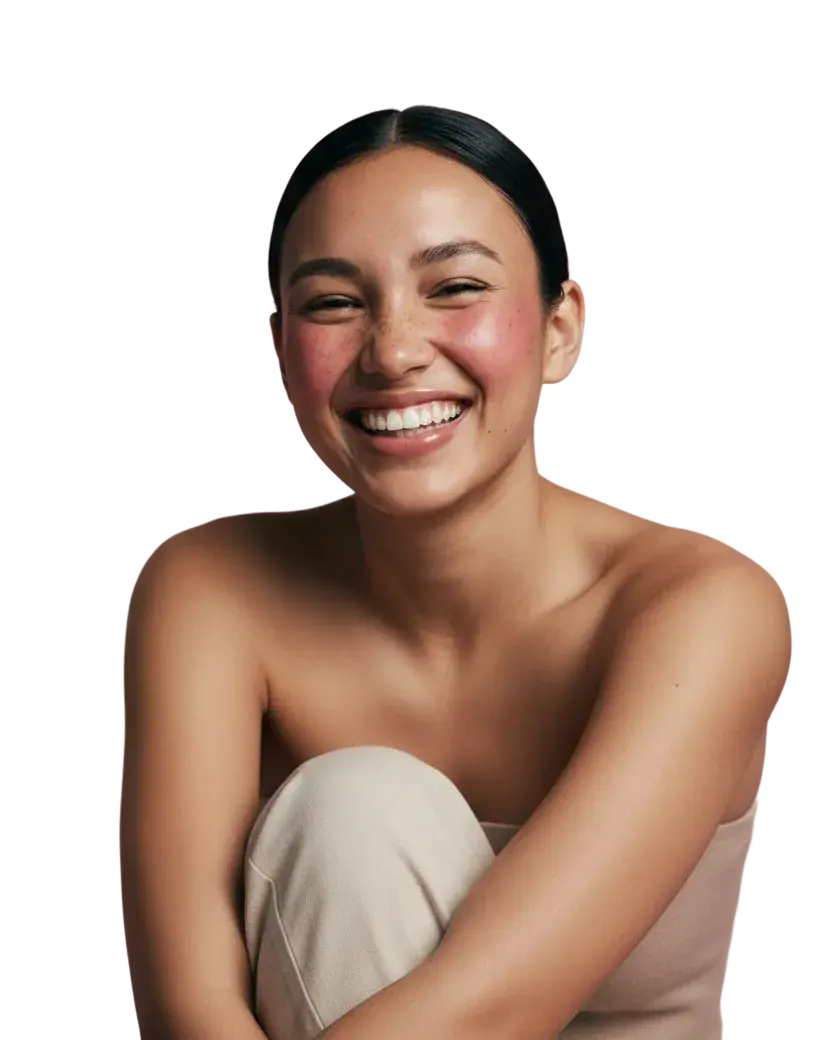
Warm undertones and the spring palette share a fundamental quality: warmth. Spring's colors at their best are clear, fresh, and golden — and when your skin runs warm (golden, peachy, yellow-warm), those spring shades resonate naturally with your complexion. The challenge is knowing which spring colors are truly warm and which only look warm in isolation. This guide gives you the warm-spring combination that actually works.
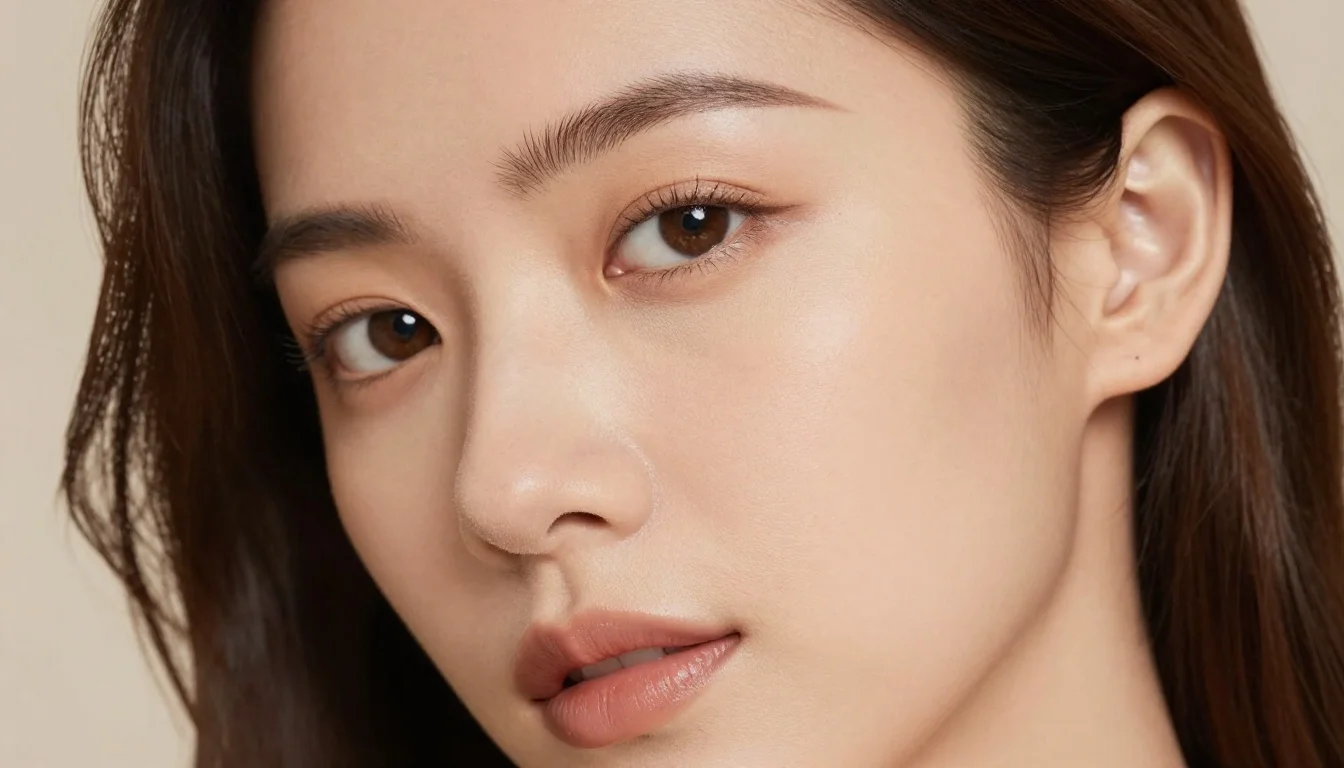
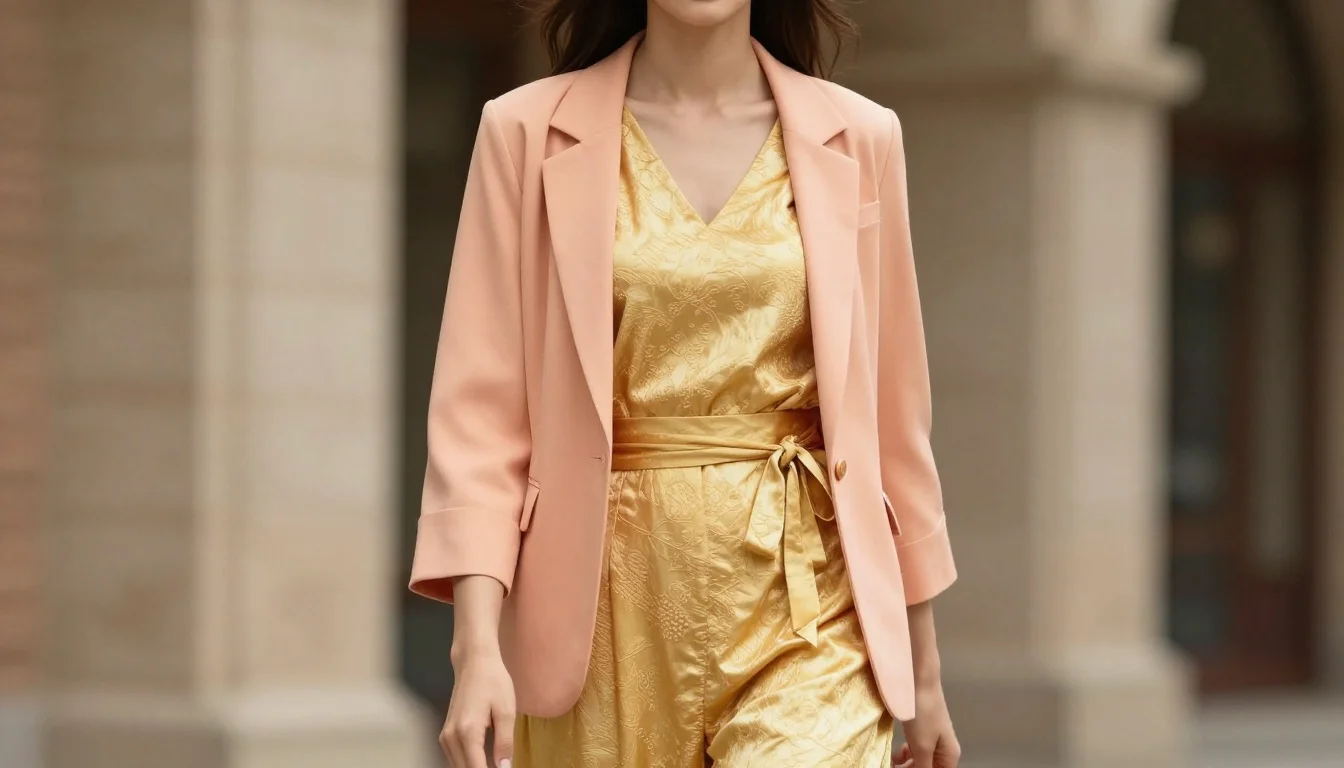
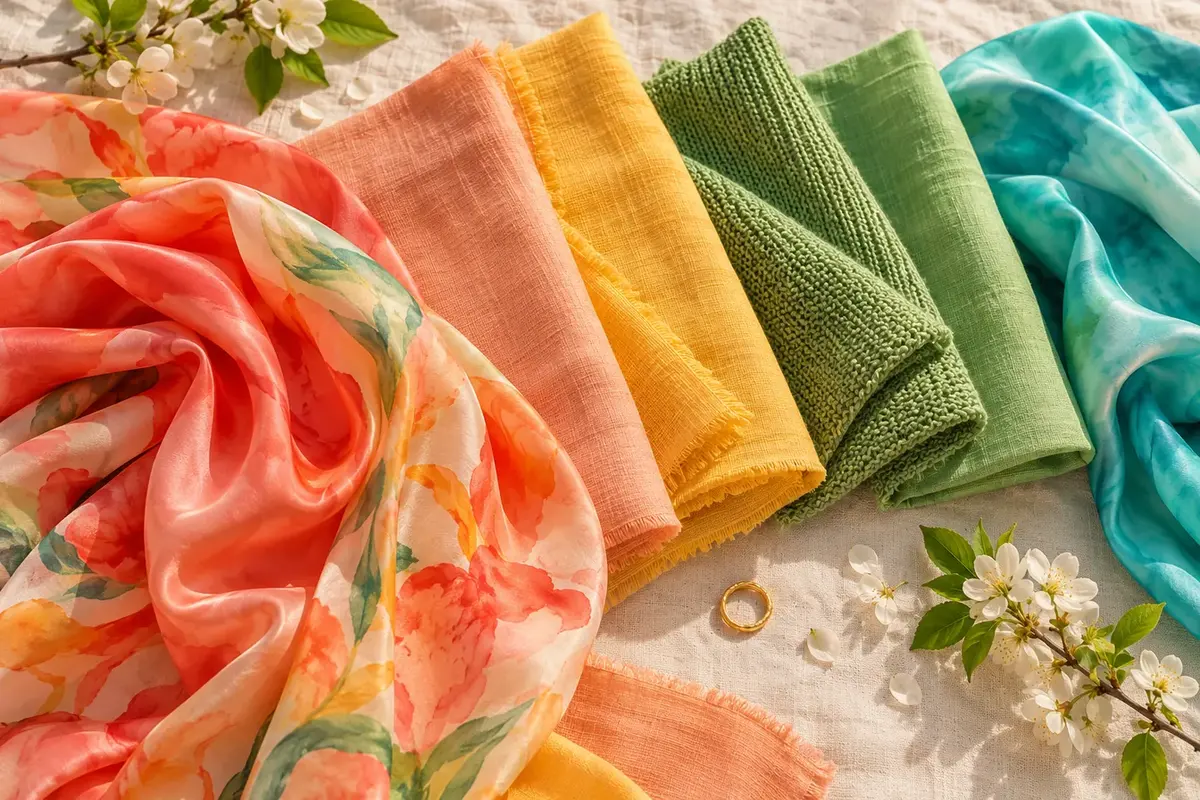
Warm undertones mean your skin has a golden, peachy, or yellow base rather than a pink, beige-neutral, or blue-toned one. This warmth is the defining feature of your complexion, and it interacts positively with any clothing that shares that warmth. Spring's best colors — warm coral, golden yellow, clear warm green, vivid peach — all have the warm undertone quality that resonates with golden and peachy skin.
Where spring can go wrong for warm undertones is in the palette's cooler edges. Spring's color range is wide: it includes warm coral and golden yellow at one end, but also cool lavender, icy pink, and bright fuchsia at the other. The cool spring shades create a temperature conflict with warm undertones — the warmth in the skin fights the coolness in the clothing, and the result is a sallow, muddy, or washed-out look rather than the glowing radiance that warm undertones are capable of.
The key insight for warm undertones in spring dressing is that the spring palette is your friend precisely when you stay on its warm side. The warmest spring shades — those with golden, orange, and green-yellow warmth — are where warm-undertone skin looks its most radiant. The cooler spring edges are where other skin types may thrive but warm undertones don't.