Prom Dress Colors forPale Skin
Pale skin photographs differently than medium or dark complexions. Discover which shades flatter you most — and which to skip.
Prom is one night where everything has to work — the dress, the lighting, and the hundreds of photos that will follow you forever. For pale skin, the color of your gown is the single most important decision. Pale skin is highly reflective and picks up color temperature from nearby fabric more readily than deeper complexions. The right color makes fair skin look porcelain-bright and luminous; the wrong one makes you look washed out or disappear into the dress entirely. Here's exactly where to look.


3,000+
happy clients
Why Pale Skin Needs Intentional Color at Prom
Prom is one night where everything has to work — the dress, the lighting, and the hundreds of photos that will follow you forever. For pale skin, the color of your gown is the single most important decision. Pale skin is highly reflective and picks up color temperature from nearby fabric more readily than deeper complexions. The right color makes fair skin look porcelain-bright and luminous; the wrong one makes you look washed out or disappear into the dress entirely. Here's exactly where to look.
Pale skin reflects light rather than absorbing it. This means the colors you wear directly near your face have a stronger visual effect on how your skin reads than they would on medium or dark complexions. A dusty, low-saturation color next to pale skin amplifies the paleness and creates a flat, washed-out effect. A vivid, saturated color creates contrast and structure — making pale skin look deliberately porcelain rather than simply pale.
Prom photography adds another layer. Flash photography flattens and brightens everything, which can make pale skin appear even more washed out when paired with the wrong dress. Deep, saturated colors create a clear separation between face and gown that photographs dramatically. Pale, low-contrast dress colors on pale skin can make flash photos look like there's no definition between skin and fabric.
The other consideration is ballroom lighting. Most prom venues use warm amber lighting that adds a golden cast to everything. For pale skin with pink or cool undertones, warm lighting can be flattering or not depending on the dress color. Knowing whether your pale skin is warm-ivory, cool-pink, or neutral helps you choose a dress that works with that lighting rather than against it.
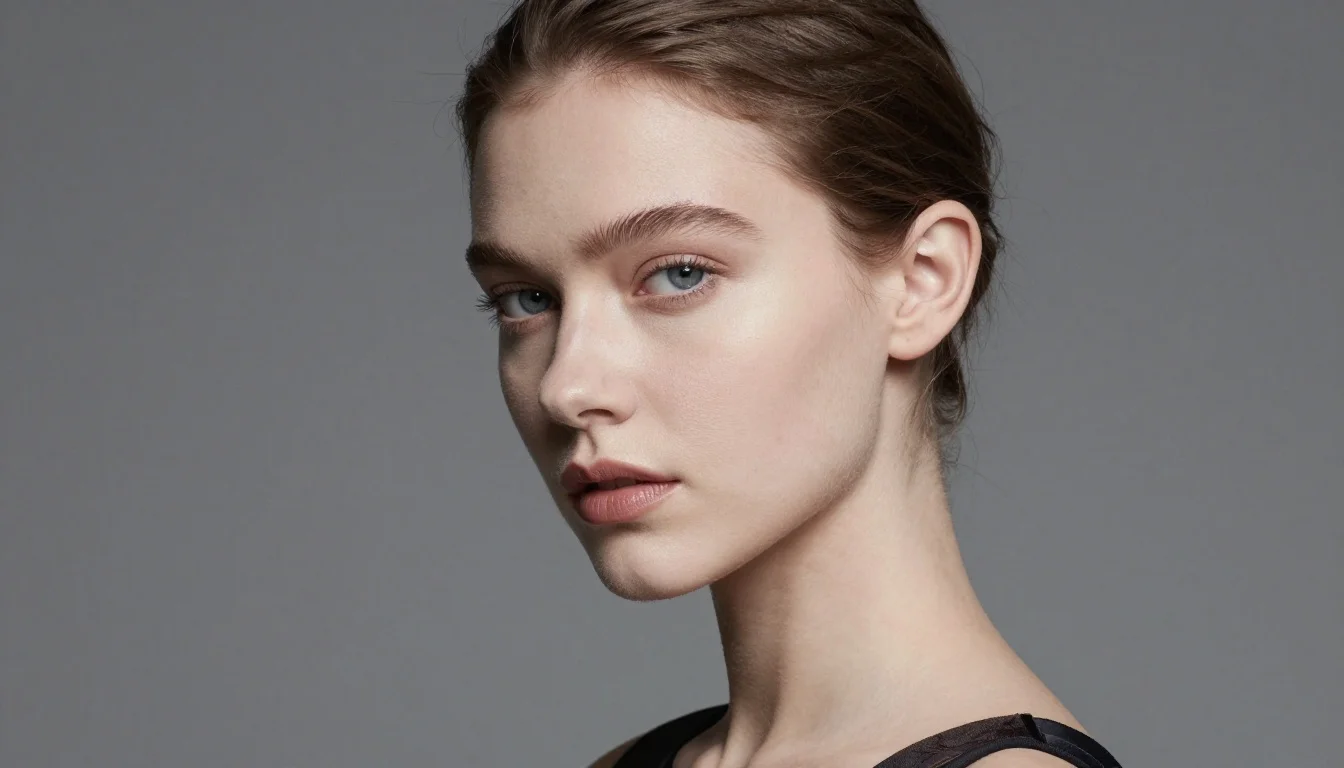
What prom dress colors look best on pale skin?
Deep jewel tones are consistently the best choice for pale skin at prom: royal sapphire, deep emerald, rich amethyst, and vivid cobalt all create strong contrast that makes fair skin look luminous. Bold red is a classic that always photographs well on pale skin. Deep berry and burgundy are excellent. For a lighter option, choose clear, saturated pastels rather than chalky, washed-out ones.
Your Most Flattering Prom Dress Color Families
Deep Jewel Tones
Deep jewel tones create the maximum contrast that makes pale skin look intentionally porcelain rather than washed out. Royal sapphire is particularly powerful — the cool-blue depth creates a dramatic frame for pale skin, especially if your complexion has pink or cool undertones. Emerald and teal work if your pale skin has warm-ivory undertones. Vivid cobalt is bold and photographs beautifully against fair skin in any lighting.
Rich Berry and Plum
Berry and red-adjacent tones are pale skin's best friend at prom. Burgundy creates a dramatic, cool-warm contrast that makes fair complexions look luminous and intentional. Vivid raspberry and hot pink have enough saturation to hold their own against pale skin without washing it out. These colors also photograph beautifully — the contrast between rich berry tones and fair skin is striking under flash.
Bold Primary Red
Red is a classic prom choice for pale skin — and with good reason. True red creates a high-contrast, striking combination with pale skin that photographs dramatically and looks like a deliberate, confident style choice. For cool pale skin, go cherry red or crimson; for warm-ivory pale skin, a warmer red-coral works equally well. Red is never subtle, but it's almost always stunning on fair complexions.
Vivid Cool Pastels
The key with pastels for pale skin is saturation. Pale, chalky pastels disappear into fair skin with no contrast. But clear, vivid pastels — ones that have real color energy rather than a washed-out quality — work beautifully. Clear sky blue against pale skin creates a fresh, bright look. Vivid lavender creates a soft-but-defined contrast. Think 'pastel with presence' — not faded.

Ready to see sapphire & emerald on your face?
Start my color analysisHow to Style a Prom Dress for Pale Skin
Choose depth over subtlety
Pale skin benefits from dresses with clear color intention — dark and vivid rather than soft and blended. A deep sapphire satin gown tells a visual story. A pale blush tulle gown requires everything else (makeup, accessories, lighting) to do extra work to compensate for the lack of contrast. When in doubt, go richer and deeper. Your skin will look more luminous against a strong color.
Prom makeup strategy
With a deep or vivid dress, let the color do the work. A clean, dewy base that shows pale skin's natural luminosity, paired with a complementary lip, is often more striking than heavy makeup that competes with the gown. For a berry or red dress, a matching berry lip is classic. For jewel tones, a neutral-to-warm eye with a precise lip keeps everything polished.
Jewelry metals
If your pale skin has cool or pink undertones, silver and white gold jewelry is your natural match — it harmonizes with both cool dress colors and fair skin. If your pale skin is warm-ivory, gold jewelry adds warmth and richness alongside deeper warm-toned dresses. Mixed metals in statement pieces can work with neutral-undertone fair skin.
Fabric choices
For pale skin at prom, fabric finish matters more than you'd think. Satin and silk charmeuse in a rich color create a luminous, photogenic look. Velvet in deep tones creates dramatic depth. Avoid pale matte fabrics — they flatten the look rather than adding dimension. Sequins and shimmer in your best color family add visual interest without competing with fair skin.
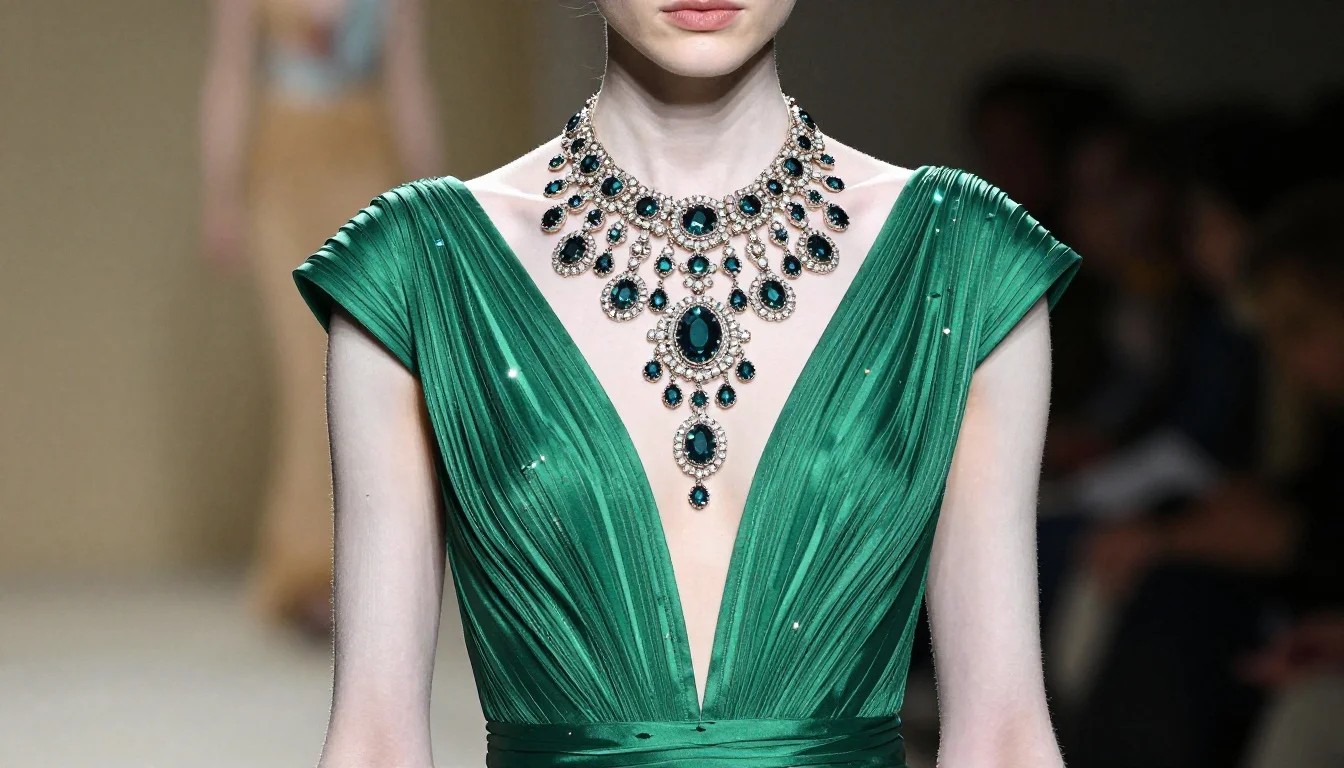
Prom Colors That Wash Out Pale Skin
Very pale blush and dusty rose
Pale blush is one of the most common prom choices and one of the most problematic for pale skin. When blush is too close to your own skin tone, the dress and face blend into one undifferentiated pale mass with no focal point. If you want pink, go deep — vivid raspberry, hot pink, or rich berry all have the saturation to create real contrast.
Champagne and pale gold
Pale champagne and off-white gold sit very close to ivory or pale skin tones, creating a washed-out, monochromatic look without any definition. Under warm ballroom lighting, champagne on pale skin can look like you're wearing a negligee. If you want a metallic or neutral-warm look, go for a richer antique gold with real depth, not pale champagne.
Nude and skin-tone beige
Nude beige is explicitly designed to match skin tone — which is why it's one of the worst choices for pale skin at prom. The visual effect is a gown that appears to disappear, leaving you looking naked. Even on medium or dark skin, nude requires precise matching to look intentional. On pale skin, it almost universally looks shapeless and under-dressed.
Washed-out pastels
Chalky, very desaturated pastels — dusty powder blue, faded lavender, pale mint — have no visual weight to create contrast against pale skin. Everything reads at the same pale, low-saturation register. Under flash photography, the combination looks particularly flat. Clear, saturated pastels are fine; dusty, chalky ones are not.
Stop guessing — preview every look on you
See these looks on my photoProm Dress Color Swaps for Pale Skin
Trading the prom choices that wash out pale skin for ones that make it luminous.
Blush on pale skin creates a same-tone blur with no definition. Deep raspberry has the saturation to frame pale skin rather than blend into it.
Pale champagne disappears against pale skin under ballroom lighting. Deep emerald creates the striking contrast that makes a gown memorable in every photo.
Dusty powder blue has no saturation to define pale skin. Clear sky blue or vivid cobalt has the visual energy to create a bright, fresh contrast.
Nude looks like a non-choice on pale skin. Red is the quintessential pale-skin prom color — dramatic, high-contrast, and photographically stunning.
Pale lavender fades against pale skin. Deep amethyst has the depth to frame fair skin with richness — the contrast makes it look like porcelain, not pale.
Stark white requires the right undertone to not clash. Warm ivory works for pale skin with golden undertones; cool crisp white for pink undertones. Both are safer than bright white.
Which Color Season Are You?
Pale skin spans several seasonal palettes — the specific colors that look best on you depend on whether your fair complexion runs cool, warm, or neutral. Knowing your season means knowing your entire prom color palette, not just one dress color.
Cool Winter
Learn moreIf your pale skin has distinct cool or blue-pink undertones, your hair is dark (dark brown or black), and your overall coloring has high natural contrast, Cool Winter is likely yours. Your prom palette is vivid and cool: icy pastels, vivid cobalt, clear emerald, bright fuchsia. You carry the most saturated, high-contrast colors best.
Cool Summer
Learn moreIf your pale skin has soft, muted pink or neutral-cool undertones and your overall coloring feels soft rather than stark, Cool Summer fits. Your prom palette is cool and medium-depth: dusty rose (with real saturation), soft raspberry, slate blue, and mauve. Everything has a refined, elegant quality.
Light Spring
Learn moreIf your pale skin has a warm, golden-ivory quality, your hair is light (blonde or light brown), and everything about your coloring is bright and delicate, Light Spring is your season. Your prom palette includes warm peach, coral, clear aqua, and warm sky blue — the lightest, most delicate warm colors.
Find Your Exact Prom Color
Pale skin at prom has more options than many people realize — the key is understanding what your specific fair complexion needs: depth for contrast, saturation for presence, or vivid clarity for photos. The specific version of pale skin you have (cool-pink, warm-ivory, or neutral) determines which end of each color family looks most stunning. A personalized color analysis identifies your exact seasonal palette so you walk into prom knowing exactly which colors will make you look luminous — in person and in every single photo.
Stop guessing — preview every color on you
Preview Yourself In Your Palette
Get my personalized paletteStop guessing — preview every color on you
Preview Yourself In Your Palette

Related Guides for Prom Dress Colors for Pale Skin
Explore more personalized color advice based on your features.
Want to see these colors on you? What Colors Look Good on Me — free to try.
Frequently Asked Questions About Prom Dress Colors for Pale Skin
What prom dress colors look best on pale skin?
Deep jewel tones are consistently the best choice for pale skin at prom: royal sapphire, deep emerald, rich amethyst, and vivid cobalt all create strong contrast that makes fair skin look luminous. Bold red is a classic that always photographs well on pale skin. Deep berry and burgundy are excellent. For a lighter option, choose clear, saturated pastels rather than chalky, washed-out ones.
Can pale skin wear a blush prom dress?
Very pale blush is risky for pale skin — it can blend into fair skin tone and create a washed-out, undefined look. If you love blush, look for a version with real saturation: a deeper rose, vivid dusty rose, or light raspberry. The goal is enough color definition between your skin and the gown that there's a clear, flattering contrast in photos.
Is red a good prom dress color for pale skin?
Red is one of the best prom dress colors for pale skin. True red creates high contrast against fair complexions that photographs dramatically and looks striking under any lighting. For cool pale skin, cherry red or crimson; for warm-ivory pale skin, a slightly warmer red-coral. It's a classic combination that never looks anything other than intentional.
Should pale skin avoid white for prom?
Not entirely, but with care. Cool crisp white works for pale skin with cool undertones, and warm ivory works for warm-pale skin — both create a defined separation between skin and fabric because the undertone is matched. Stark bright white on pale pink skin can create an unflattering cool clash. If you wear white, choose a version with the right undertone for your specific complexion.
What is the worst prom dress color for pale skin?
Nude and skin-tone beige is the worst choice — it's designed to look like skin, so it has zero contrast against pale skin. Very pale blush and washed-out pastels are close seconds. The common thread is low saturation with no visual separation between the dress and fair skin. Any color that can be described as 'barely there' or 'soft and diffused' will likely disappoint on pale skin.