Mix and Match Wardrobefor Soft Autumn
Soft Autumn coloring is warm, muted, and gently earthy. Discover how to build looks with shades that actually flatter you.
Soft Autumn is the most understated of the autumn seasons — warm and earthy, but in a gentle, blended way. Your coloring has a softness to it: nothing too stark, nothing too bright. That same softness that makes your coloring beautiful also makes wardrobe building easier than you might think. Because Soft Autumn colors share a consistent warmth and muted quality, they mix and match with remarkable ease. The challenge is knowing which pieces to invest in so that pulling any two items from your wardrobe produces a combination that looks effortfully put-together.


3,000+
happy clients
Why Soft Autumn Coloring Has Built-In Wardrobe Logic
Soft Autumn is the most understated of the autumn seasons — warm and earthy, but in a gentle, blended way. Your coloring has a softness to it: nothing too stark, nothing too bright. That same softness that makes your coloring beautiful also makes wardrobe building easier than you might think. Because Soft Autumn colors share a consistent warmth and muted quality, they mix and match with remarkable ease. The challenge is knowing which pieces to invest in so that pulling any two items from your wardrobe produces a combination that looks effortfully put-together.
Soft Autumn sits at the crossroads of warm and soft. Your natural coloring — typically medium to light-medium brown or ash-blonde hair, warm or peachy-neutral skin, and soft brown, hazel, or grey-green eyes — has a gentle, harmonious quality. Colors in your palette share two consistent qualities: warmth (yellow or golden undertones) and mutedness (no pure brights or high-saturation shades). That combination means almost everything in your palette coordinates naturally with everything else.
This is the good news for Soft Autumn capsule building: you don't have to worry much about clashing within your palette. A dusty terracotta and a muted sage green will always work together because they share the same warm, soft quality. The risk isn't clashing — it's disappearing. Soft Autumn colors at their most muted can create an outfit that feels too blended, too low-contrast, too gentle to make an impression. The capsule strategy is to build in just enough depth to create visual structure.
The framework is: soft warm neutrals as your foundation, slightly deeper versions of those neutrals as your structural pieces, and warm muted accents for interest. Everything shares the same family. Nothing is harsh. But the range of depth — from your lightest warm blush to your deepest warm olive — gives the eye something to follow.
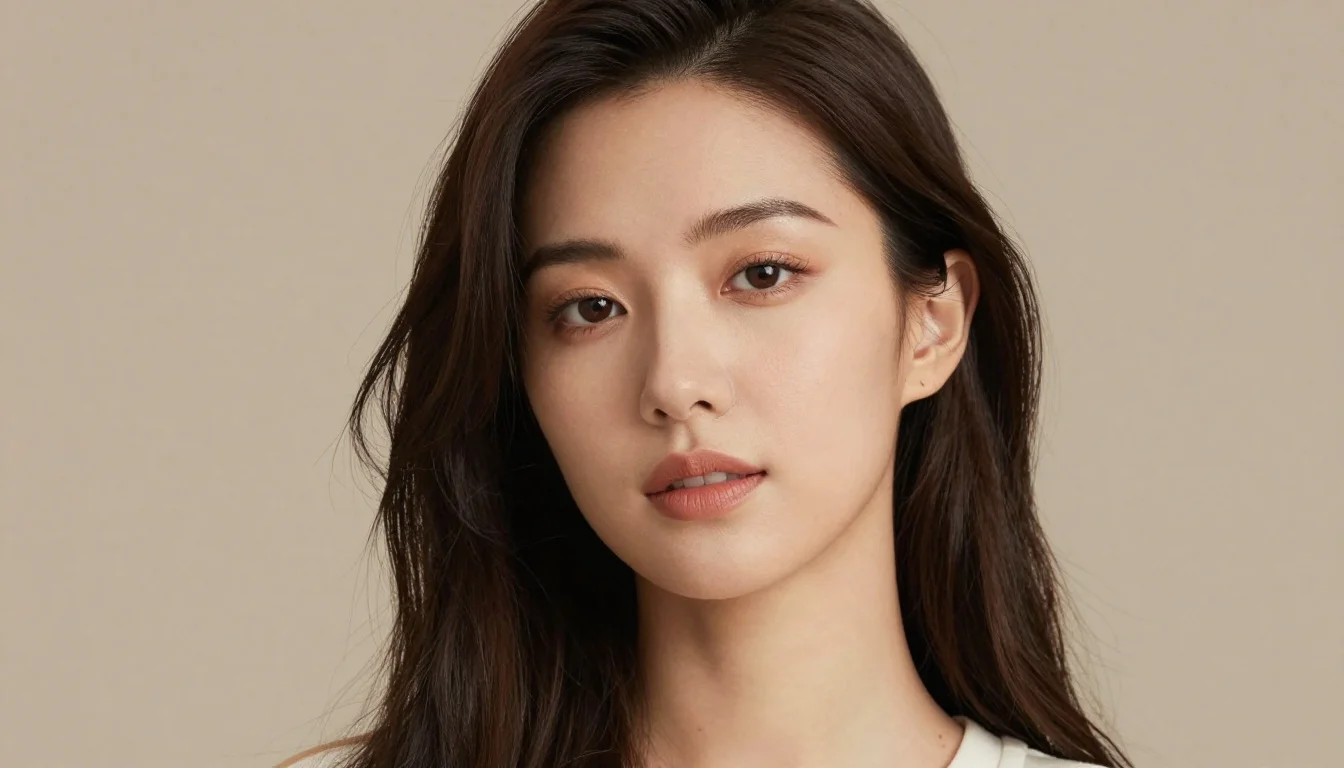
What are the best neutral colors for a Soft Autumn capsule wardrobe?
Warm ivory, oatmeal, camel, warm stone, and deep olive are the ideal neutrals for Soft Autumn. These warm, muted tones coordinate naturally with each other and with your accent colors. Avoid cool grey and stark white, which have the wrong undertone for your palette.
Your Soft Autumn Color Families
Soft Warm Neutrals (Your Foundation)
These light-to-medium warm neutrals are your foundational pieces — the basics that form the canvas of your capsule. Warm ivory and oatmeal work as your lightest layers, camel and warm stone as mid-tones. Everything in this family coordinates with everything else, and with your accent colors. Look for pieces with a yellow or golden undertone rather than a pink or grey one.
Earthy Depth (Your Structural Pieces)
These deeper versions of your neutrals are what give your capsule its visual structure. A deep olive coat, warm chocolate trousers, or dark camel blazer creates the contrast needed to prevent your Soft Autumn palette from blending into one uniformly gentle impression. These are your most versatile investment pieces — they go with everything while providing the depth that makes outfits look polished.
Warm Muted Accents (Your Interest Colors)
These peachy-pink-orange tones are uniquely Soft Autumn — they have warmth and a gentle glow without any sharp brightness. A dusty terracotta blouse, muted peach knit, or warm rose cardigan adds color interest to your palette while coordinating naturally with all your warm neutrals. These are your soft statement pieces.
Muted Greens and Blues (Your Sophisticated Accents)
Sage green and dusty teal extend your accent range with slightly cooler tones that still have the muted quality of your palette. They coordinate with warm neutrals while adding the variety needed for a complete wardrobe. Muted olive bridges the green and neutral families seamlessly. Avoid anything too saturated or bright in these colors — the key quality is always that gentle, dusty softness.

Ready to see ivory & oatmeal on your face?
Start my color analysisBuilding the Soft Autumn Capsule in Practice
Layer within the palette
The Soft Autumn palette's natural harmony means layering within it always works. A warm ivory shirt under a sage green cardigan under a camel coat — three distinct colors from three families — creates a beautiful, cohesive look because they share the same warm, muted undertone. Don't be afraid to layer multiple colors; the palette coordinates them automatically.
Use depth to create structure
The key to avoiding the 'too blended' risk is always including one deeper piece. Deep olive trousers with a muted peach blouse: the depth gives the eye a focal point. Warm chocolate boots with a camel coat and oatmeal knit: the depth grounds the look. Think of your deeper pieces as the structural element that prevents the softness from becoming formlessness.
Lean into texture
Because Soft Autumn colors share such consistent warmth and softness, texture becomes a primary tool for interest. Knit against woven, suede against linen, matte against soft shine — these contrasts add depth without requiring strong color contrast. A camel chunky knit and warm ivory silk shirt are the same color family but look rich together because of the texture difference.
Pattern mixing in Soft Autumn
Soft Autumn handles tonal, earthy patterns beautifully: warm plaids in camel and olive, botanical prints in terracotta and sage, abstract prints in warm neutrals. When mixing patterns, keep the color families consistent — both patterns should pull from the same warm, muted palette. A sage and camel plaid with a warm ivory floral works because they share a palette. A terracotta floral with a cool grey stripe doesn't.
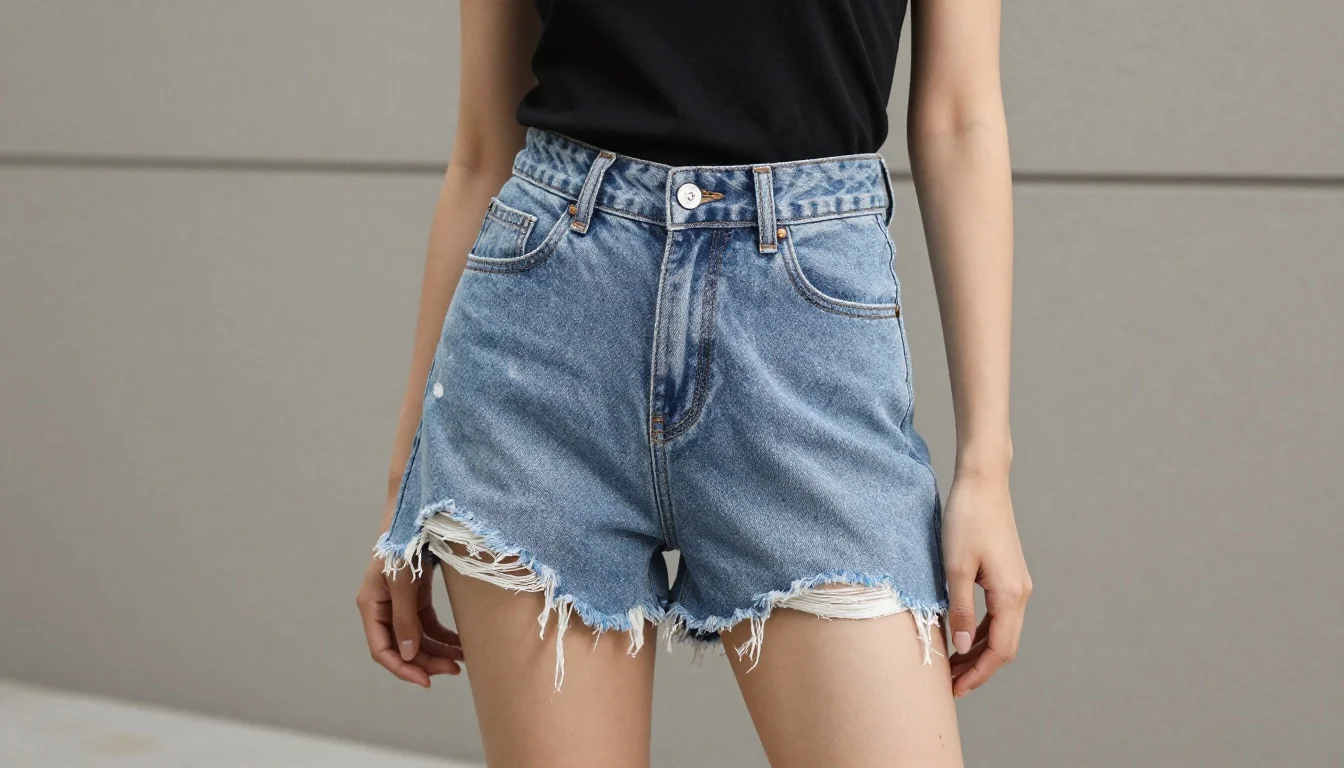
Colors That Break Soft Autumn Cohesion
High-saturation brights
Electric blue, vivid red, bright yellow, hot pink — any pure, saturated bright sits completely outside the Soft Autumn palette. These colors share none of the muted, warm quality that gives your palette its cohesion. One bright piece becomes an orphan that coordinates with nothing else you own and creates a visual jarring against your naturally soft coloring.
Cool grey and blue-grey
Cool greys feel like neutrals but carry a blue undertone that fights the warmth of your entire palette. A cool grey blazer or blue-grey trousers will look disconnected from warm camel, sage green, and terracotta. Your version of grey is warm stone or warm greige — the same value range but with a yellow-golden undertone.
Stark white and icy tones
Stark white has a cool, high-contrast quality that overwhelms the soft warmth of Soft Autumn coloring. It also breaks capsule cohesion because nothing in your palette coordinates naturally with a cold, bright white. Warm ivory or cream — softer, slightly yellow-toned — is your white. The difference is subtle in isolation but visible in context.
Deep, cool jewel tones
Vivid sapphire, cool emerald, bright violet, and deep magenta are too cool, too saturated, and too intense for Soft Autumn. They create an undertone conflict with your warm palette and a saturation conflict with your muted quality. Deep warm teal is the closest your palette gets to a jewel tone, and even that should be in a slightly muted, dusty version.
Stop guessing — preview every look on you
See these looks on my photoSwaps That Bring Your Wardrobe Into Cohesion
Replacing the pieces that break Soft Autumn coordination with ones that strengthen it.
White is too cool and bright for Soft Autumn. Warm ivory and oatmeal have the same lightness with the warmth that coordinates naturally with your entire palette.
Cool grey fights the warm undertone of every other piece in your palette. Warm stone and camel coordinate naturally with sage, terracotta, and warm ivory.
Cool blues sit outside your warm palette. Deep olive and warm chocolate deliver the same professional weight while coordinating with everything you own.
Pure, bright red and orange are too saturated for Soft Autumn. Dusty terracotta is the same warm family with the gentle mutedness that fits your coloring.
Cool pastels don't share the warm quality of your palette. Sage green and warm periwinkle offer soft color interest while staying within the warm, muted family.
Black is too cool and stark for most Soft Autumn coloring. Deep olive and dark camel provide the same statement weight with the warmth that completes your palette naturally.
Your Autumn Neighbours
Soft Autumn is one of three autumn seasons. Understanding how your season relates to its neighbours helps you navigate the boundaries of your palette when shopping.
Deep Autumn
Learn moreDeep Autumn shares the warm, earthy quality of Soft Autumn but with more intensity and depth. If you find Soft Autumn colors too gentle or low-contrast for your preference, Deep Autumn may offer the same warmth with more visual power.
Warm Autumn
Learn moreWarm Autumn is the most golden and orange-accented autumn season. It shares the warmth of Soft Autumn but with more richness and a stronger golden character. If your coloring has a distinctly golden quality, Warm Autumn may be your home.
Soft Summer
Learn moreSoft Summer is the cool equivalent of Soft Autumn — same muted, gentle quality, but with cool rather than warm undertones. It's Soft Autumn's nearest neighbour across the warm-cool boundary and shares the same approach to blended, harmonious color.
A Wardrobe That Gets Easier Every Year
A Soft Autumn capsule wardrobe has a compounding effect: every new piece you add in your palette works with everything you already own. The investment in understanding your palette pays off every morning when every combination you reach for looks cohesive. The specific warm neutrals and muted accents that work best for you depend on your particular skin undertone, hair color, and contrast level. A personalized color analysis gives you a precise palette — not just the season, but the exact shades within it that make your coloring look most luminous.
Stop guessing — preview every color on you
Preview Yourself In Your Palette
Get my personalized paletteStop guessing — preview every color on you
Preview Yourself In Your Palette

Related Guides for Mix and Match Wardrobe for Soft Autumn
Explore more personalized color advice based on your features.
Want to see these colors on you? What Colors Look Good on Me — free to try.
Frequently Asked Questions About Mix and Match Wardrobe for Soft Autumn
What are the best neutral colors for a Soft Autumn capsule wardrobe?
Warm ivory, oatmeal, camel, warm stone, and deep olive are the ideal neutrals for Soft Autumn. These warm, muted tones coordinate naturally with each other and with your accent colors. Avoid cool grey and stark white, which have the wrong undertone for your palette.
Can Soft Autumn wear black?
Pure black is generally too cool and stark for Soft Autumn coloring. Warm chocolate brown or deep olive provides the same depth without the cool-warm conflict. If you prefer very dark pieces, look for black with a warm brown undertone rather than a blue-black.
What accent colors work best for Soft Autumn?
Dusty terracotta, muted peach, warm rose, sage green, and dusty teal are excellent accent colors for Soft Autumn. They share the warm, muted quality of your palette while adding color interest. Avoid anything too saturated or cool-toned.
How is Soft Autumn different from Warm Autumn?
Soft Autumn is more muted and blended, with less intensity in its colors. Warm Autumn has more golden, rich warmth and stronger contrast. Soft Autumn colors are like looking at Warm Autumn through a soft filter — the same warmth but with more gentleness.
What metals suit Soft Autumn?
Gold and warm bronze in matte or satin finishes are ideal for Soft Autumn. Highly polished gold or silver can be too bright. Rose gold works beautifully. Avoid cool silver, which has the same undertone conflict as cool grey in clothing.