Minimalist Wardrobe forWarm Undertones
Build an intentional capsule wardrobe around warm undertones. Discover how to build looks with shades that actually flatter you.
If your skin has a yellow, golden, or peachy cast — if gold jewelry always looks better than silver, if you look healthy in burnt orange and tired in grey — you have warm undertones. Building a minimalist wardrobe around this knowledge transforms how you get dressed. Instead of a closet full of "maybes", you have a 15-piece system where every color was chosen because it was made for skin exactly like yours.


3,000+
happy clients
Why Warm Undertones Deserve a Dedicated Color System
If your skin has a yellow, golden, or peachy cast — if gold jewelry always looks better than silver, if you look healthy in burnt orange and tired in grey — you have warm undertones. Building a minimalist wardrobe around this knowledge transforms how you get dressed. Instead of a closet full of "maybes", you have a 15-piece system where every color was chosen because it was made for skin exactly like yours.
Warm undertones — characterized by yellow, golden, or peachy tones in the skin — respond completely differently to color than cool undertones do. Colors that read rich and intentional on warm skin can look jarring or sallow on cool skin, and vice versa. Yet most wardrobe advice ignores undertone entirely, resulting in closets filled with colors that are approximately right but never truly flattering.
The defining characteristic of warm undertones is that they harmonize with colors in the warm half of the color wheel — yellows, oranges, reds, warm greens, and earthy browns. These colors have the same underlying warmth as your skin, creating cohesion rather than conflict. Cool colors — blues, greys, purples, and cool pinks — can fight warm undertones, making skin appear sallow or tired.
A minimalist wardrobe for warm undertones solves this completely. By choosing only 3-4 colors that all share the warm-earthy quality your undertone requires, every piece in your wardrobe works harmoniously — with each other and with your skin. There are no more compromises or "good enough" items. Every piece is exactly right.
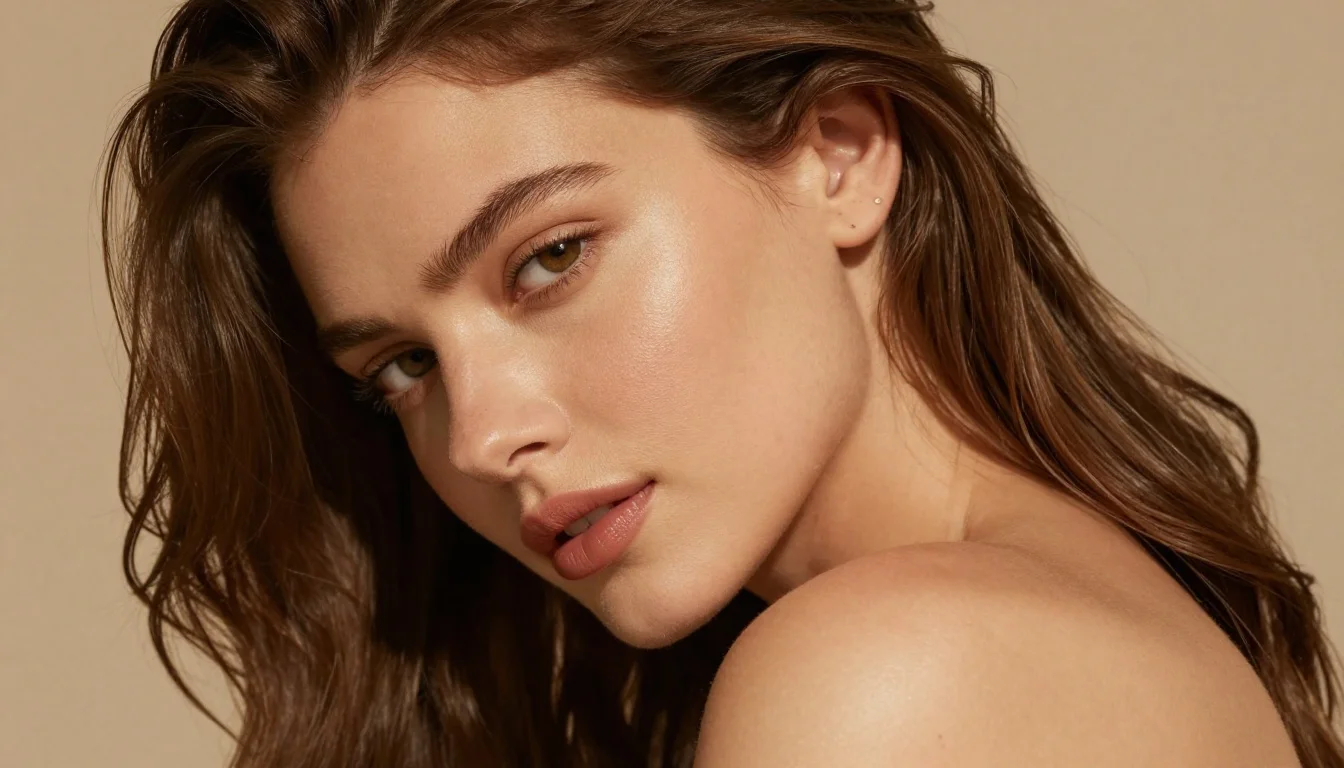
What colors suit warm undertones in a minimalist wardrobe?
Warm undertones suit a palette of golden, earthy, and yellow-based colors: warm camel, ivory, terracotta, rust, warm olive, and moss green. These colors share the same yellow or golden quality as the skin undertone, creating natural harmony. The most cohesive minimalist wardrobe for warm undertones is built on two warm neutrals (camel and ivory) with terracotta as the primary accent and olive as the secondary.
Your Minimalist Color Palette
Neutral 1: Warm Camel & Honey
Warm camel and honey are the defining neutrals of a warm-undertone wardrobe. They share the exact yellow-golden quality of your skin, creating a harmonious, intentional look. This is your all-seasons neutral — pants, coats, blazers, and bags in this range anchor the entire system.
Neutral 2: Warm Cream & Ivory
Warm cream and ivory are the light neutrals that work near your face without introducing coolness. Where bright white or cool grey can create an unflattering contrast with warm skin, ivory harmonizes beautifully — the slight warmth in the tone connects to the warmth in your complexion.
Accent 1: Terracotta & Rust
Terracotta and rust are the most consistently flattering accent colors for warm undertones. The orange-red quality echoes the golden tones in your skin, creating a look that appears effortlessly coordinated. One to two pieces in this family elevates the entire wardrobe.
Accent 2: Warm Olive & Moss
Warm olive and moss green share the same earthy, yellow-based undertone as your skin. Unlike cool or bright greens, these earthy greens harmonize with warm complexions rather than competing with them. They provide a clean, nature-forward alternative to terracotta as your accent color.

Ready to see your palette on your face?
Start my color analysisThe Minimalist Formula for Warm Undertones
The Color Ratio
70% of your wardrobe is your two core neutrals (warm camel and warm ivory). 20% is your primary accent (terracotta or rust). 10% is your secondary accent (olive or moss green). In a 15-piece wardrobe, this means 10-11 neutral pieces, 3 terracotta pieces, and 1-2 olive pieces. Every combination within this system works because every color shares the same warm, golden undertone.
The 15-Piece Formula
5 tops (2 warm ivory or cream, 2 terracotta, 1 olive) + 3 bottoms (2 warm camel or tan, 1 terracotta or olive) + 2 outerwear (1 camel coat, 1 dark tan or warm brown jacket) + 2 dresses (1 terracotta, 1 warm ivory or camel) + 2 shoes (warm tan and cognac or warm brown leather) + 1 bag (tan, cognac, or rust leather). Every piece connects to every other piece.
How Every Piece Earns Its Place
The minimalist rule for warm undertones: does this color share the yellow, golden, or peachy quality of my skin? If the answer is no — if the color is ashy, cool, or blue-based — it does not belong in the system. The test is simple: hold the fabric near your face in natural light. If your skin looks glowing, healthy, and vibrant, the color earns its place. If it looks flat or tired, leave it.
Gold, Not Silver
Accessories are part of your color system too. Gold, brass, copper, and warm wood tones all harmonize with warm undertones. Silver, chrome, and cool metallic accessories belong to a different color story. In a minimalist wardrobe, even your hardware, your jewelry, and your watch should share the warm tone of the rest of your system.
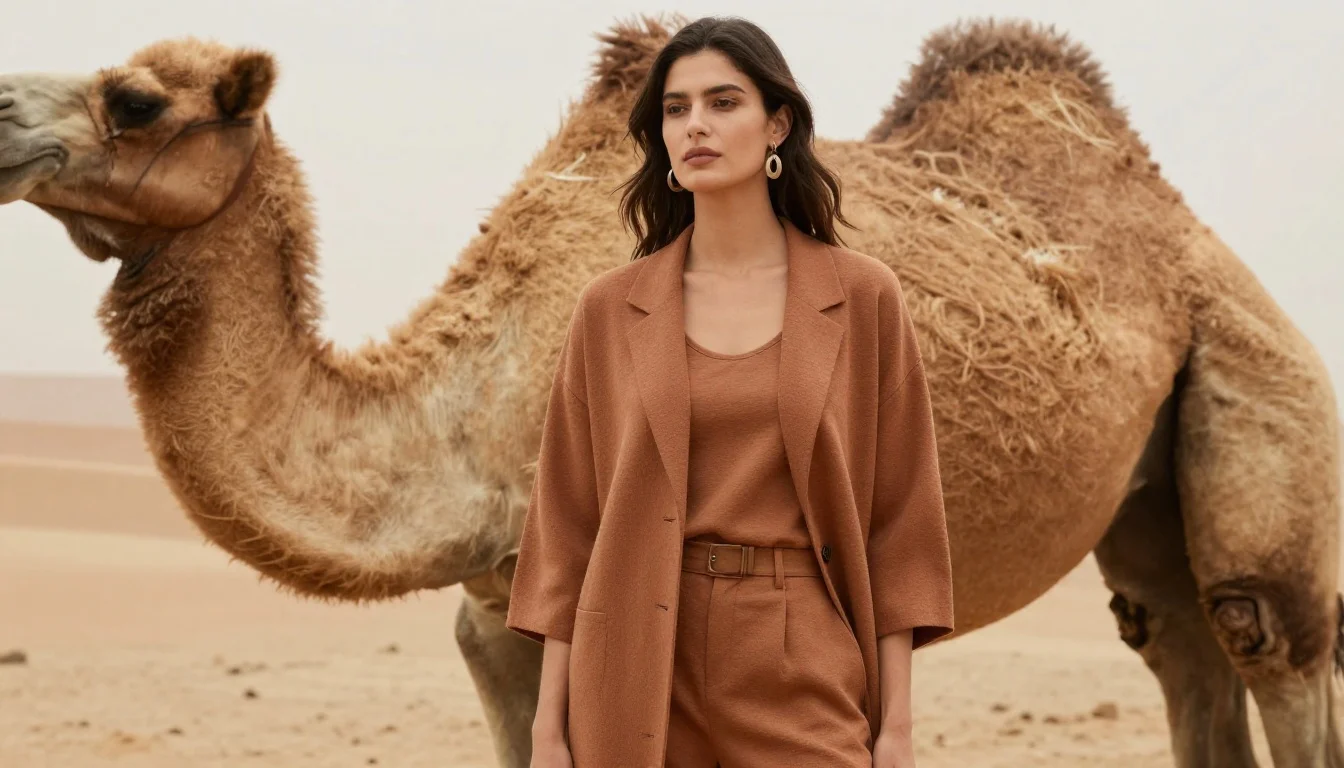
Colors That Fight Warm Undertones
Cool or Ashy Grey
Grey with a blue, purple, or cool undertone is one of the most consistently unflattering colors for warm undertones. It creates a sallow, tired appearance by introducing coolness that conflicts with your natural skin warmth. If you need a grey, choose one with a clear warm or taupe base.
Bright Cool White
Cool white with a blue or grey cast clashes with the yellow warmth of warm-undertoned skin, creating an unnatural contrast. Always choose warm ivory or cream as your light neutral instead.
Cool Pink & Lilac
Cool pinks and purples with a blue or grey base fight the yellow undertone in warm skin, often creating a sallow quality near the face. Warm pinks (peach, coral, salmon) are a completely different story and work beautifully.
Icy or Cool Pastels
Icy lavender, pale mint, and cool baby blue all have a coolness that directly conflicts with warm undertones. They create neither harmony nor flattering contrast — just visual confusion. In a minimalist system, they also orphan themselves, connecting to nothing else in the warm palette.
Stop guessing — preview every look on you
See these looks on my photoSwaps That Warm Your Wardrobe Without Adding More
Replace cool-toned pieces with warm-toned ones that connect to your whole system
Camel does the same neutral job as grey for warm undertones while actually harmonizing with your skin rather than fighting it.
Ivory has a subtle warmth that connects to warm skin undertones — bright white's coolness creates a jarring contrast instead of the clean look you're going for.
Cool-toned outerwear disconnects from warm skin, especially near the face. A camel coat looks like an intentional extension of your natural coloring.
Terracotta gives you the same visual impact as a bold color choice but within your warm undertone system — every other piece in your wardrobe can pair with it.
Oatmeal with a grey cast fights warm undertones. The same light, cozy aesthetic in a warmer ivory or honey shade works beautifully with your skin tone instead.
A warm-toned bag bridges every piece in your warm-undertone system. Cognac connects to your camel outerwear, your terracotta accents, and your olive pieces simultaneously.
Which Palette Might Be Yours?
Warm undertones are a shared characteristic across several seasonal palettes — the depth of your coloring and the specific quality of your warmth determines which season you belong to. These are the most common seasonal types for warm-undertoned complexions.
Warm Autumn
Learn moreThe quintessential warm-undertone season for medium-depth complexions. Warm Autumn palettes are centered entirely on the earth tones described here — camel, terracotta, rust, olive, and warm brown. If this color system feels like it was built for you, Warm Autumn is likely your season.
Warm Spring
Learn moreFor warm undertones with lighter, clearer features. Warm Spring uses the same warm, golden palette but in lighter, brighter versions — peach, warm coral, light camel, and soft gold rather than deep terracotta and dark olive. If the Autumn palette feels too heavy, Spring is the lighter expression of the same warmth.
Deep Autumn
Learn moreFor warm undertones in darker, higher-contrast complexions. Deep Autumn extends the warm palette into richer, more saturated territory — deep chocolate, dark olive, burnt sienna, and rich cognac. If you have warm undertones and a deeper complexion, this season provides the intensity your features can carry.
Find Your Exact Colors
The minimalist system here is built for warm undertones — but the exact shade of camel, the specific terracotta, and whether your olive should lean more yellow or more brown all depend on your precise undertone depth and the other features in your coloring. A Palette Hunt color analysis identifies your exact seasonal palette so every piece you invest in is exactly right, not just approximately right.
Stop guessing — preview every color on you
Preview Yourself In Your Palette
Get my personalized paletteStop guessing — preview every color on you
Preview Yourself In Your Palette

Related Guides for Minimalist Wardrobe for Warm Undertones
Explore more personalized color advice based on your features.
Want to see these colors on you? Skin Undertone Test — free to try.
Frequently Asked Questions About Minimalist Wardrobe for Warm Undertones
What colors suit warm undertones in a minimalist wardrobe?
Warm undertones suit a palette of golden, earthy, and yellow-based colors: warm camel, ivory, terracotta, rust, warm olive, and moss green. These colors share the same yellow or golden quality as the skin undertone, creating natural harmony. The most cohesive minimalist wardrobe for warm undertones is built on two warm neutrals (camel and ivory) with terracotta as the primary accent and olive as the secondary.
What colors should warm undertones avoid?
Warm undertones should avoid cool-toned colors: ashy grey, cool white, cool pink and lilac, icy pastels (mint, lavender, baby blue), and silver metallics. These colors have a blue or purple undertone that fights the yellow warmth in the skin, often making complexion appear sallow or tired. Warm versions of these colors (peachy pink, warm sage, cream) work beautifully instead.
How do I know if I have warm undertones?
Warm undertones are indicated by: skin that looks golden or peachy (rather than pink or rosy), gold jewelry looking better than silver, veins appearing green rather than blue-purple on your inner wrist, and skin that tans easily rather than burning. If burnt orange, camel, and terracotta consistently look flattering on you while grey and cool pink feel wrong, warm undertones are almost certainly your undertone type.
Can warm undertones wear navy or blue?
Deep, warm navy with a slight green or brown undertone can work for warm undertones — particularly for darker or more saturated complexions. However, bright, cool cobalt blue and icy blue tend to fight warm undertones. In a minimalist wardrobe, navy is not the most efficient choice for warm undertones because it does not connect to the rest of the warm palette. Warm neutrals work harder within the system.
What is the 15-piece minimalist wardrobe formula for warm undertones?
5 tops (2 ivory/cream, 2 terracotta, 1 olive) + 3 bottoms (2 camel/tan, 1 terracotta or olive) + 2 outerwear (1 camel coat, 1 warm brown jacket) + 2 dresses (1 terracotta, 1 ivory or camel) + 2 shoes (warm tan and cognac leather) + 1 cognac or rust bag. Every piece shares the same warm, golden color story — making every combination inherently wearable.
What jewelry metals work for warm undertones?
Gold, brass, bronze, copper, and warm-toned metals are ideal for warm undertones — they share the same golden quality as the skin. Silver, white gold, and platinum with a cool, silver tone work better for cool undertones and can look dissonant against warm skin. In a minimalist wardrobe, choosing warm metals consistently means your accessories integrate seamlessly with the rest of your warm-toned system.