Minimalist Style Colorsfor Pale Skin
Minimalism and pale skin are a natural match — but only with the right neutrals. Discover which shades flatter you most — and which to skip.
Pale skin and minimalist fashion seem like a perfect pairing — until you realize that the wrong "neutral" can make pale skin look sallow, washed out, or ghostly. The minimalist palette of whites, greys, creams, and blacks is deceptively nuanced. Temperature matters enormously here: cool-toned pale skin glows in clean, stark whites and icy tones, while warm-toned pale skin needs creams and soft warm neutrals. This guide maps out the exact minimalist shades that make pale skin look luminous rather than drained.


3,000+
happy clients
Why Minimalist Dressing Requires Precision for Pale Skin
Pale skin and minimalist fashion seem like a perfect pairing — until you realize that the wrong "neutral" can make pale skin look sallow, washed out, or ghostly. The minimalist palette of whites, greys, creams, and blacks is deceptively nuanced. Temperature matters enormously here: cool-toned pale skin glows in clean, stark whites and icy tones, while warm-toned pale skin needs creams and soft warm neutrals. This guide maps out the exact minimalist shades that make pale skin look luminous rather than drained.
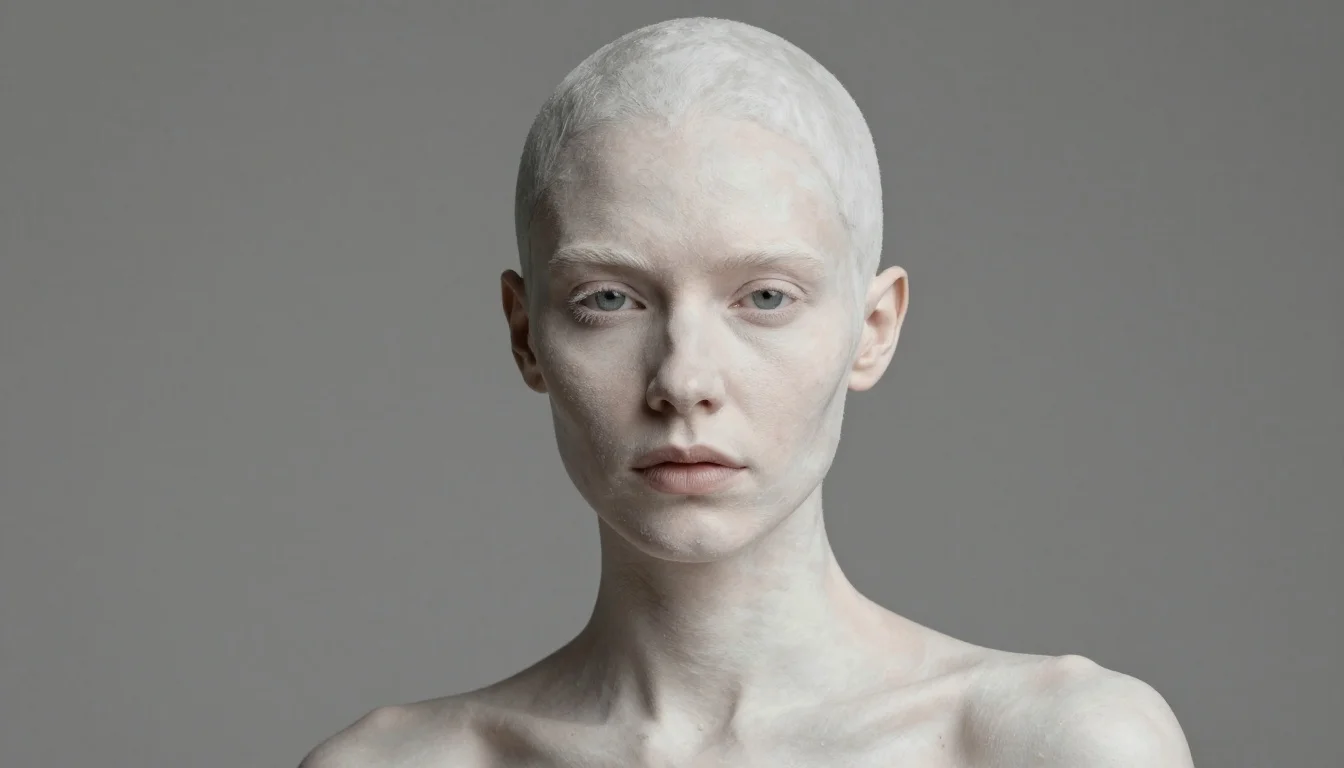
Pale skin has very little natural contrast buffer. When your skin is light and you wear light clothing — which is central to minimalism — you need every tonal choice to work precisely. The difference between a brilliant white and a chalky off-white can be the difference between looking polished and looking pallid.
Undertone is the deciding factor. Pale skin with pink or cool undertones reflects cool-toned neutrals beautifully, making ivory and warm beige look slightly yellow by comparison. Pale skin with warm or neutral undertones finds that stark cool whites create a slightly ashy or harsh appearance, while creams and soft warms look naturally clean.
The minimalist wardrobe's reliance on single-color dressing makes getting the right shade even more critical — you cannot use another color to correct or distract. One perfectly chosen piece at a time means each piece carries more visual weight, and a single mismatched neutral undermines an otherwise tight edit.
What neutral colors work best in a minimalist wardrobe for pale skin?
It depends on your undertone. Cool pale skin looks best in brilliant white, soft charcoal, and cool grey. Warm pale skin looks best in ivory, warm cream, greige, and warm off-black. The key is staying within one temperature family so all your neutrals mix seamlessly.
Your Best Minimalist Color Families
Stark Whites and Icy Tones
For pale skin with cool or pink undertones, stark cool white creates a luminous, clean contrast that reads as intentional and refined. Icy whites with faint blue or lavender undertones actually make pale cool skin glow — the shared cool temperature creates harmony rather than clash. This is the minimalist foundation shade that works hardest for cool-toned pale skin.
Warm Creams and Soft Ivories
For pale skin with warm or peachy undertones, cream and ivory are the correct white alternatives. These tones share the warm temperature of the skin without amplifying it to the point of looking yellow — they sit at the edge of warmth, creating a harmonious, clean look. A perfect oat-toned minimal set on warm pale skin looks effortless and alive.
Soft Stone and Greige
The greige family — grey with a warm beige undertone — is the middle ground that works across most pale skin undertones. It avoids the starkness of cool grey and the creaminess of ivory, landing in a sophisticated neutral zone. These tones create texture and depth in a minimalist wardrobe without introducing color. A mushroom grey or warm stone coat over pale skin reads as expensive and deliberate.
Charcoal and Near-Black
Pale skin creates strong natural contrast with dark neutrals — but black can be harsh on very pale, pink-toned skin, creating an almost costume-like drama. Soft charcoal and warm off-black are the minimalist solution: they have the depth and structure of black without the stark harshness. These are the anchor shades in a pale-skin minimalist wardrobe, grounding the lighter pieces.

Ready to see brilliant white & icy blue on your face?
Start my color analysisHow to Build a Minimalist Wardrobe Around Pale Skin
Building your neutral base
Choose two or three core neutrals from your undertone family. For cool pale skin: brilliant white, soft charcoal, and a mid cool grey. For warm pale skin: ivory, greige, and warm off-black. Every piece in your wardrobe should work within this range. When everything is the same temperature family, the whole wardrobe mixes effortlessly.
Tonal dressing
Head-to-toe tonal dressing — all ivory, all grey, all cream — is one of minimalism's most elegant expressions and one that pale skin handles particularly well. Keep the shades within two values of each other: light grey top with slightly darker grey trousers, or ivory top with oat trousers. The variation prevents the monochrome look from appearing flat.
Texture as the design element
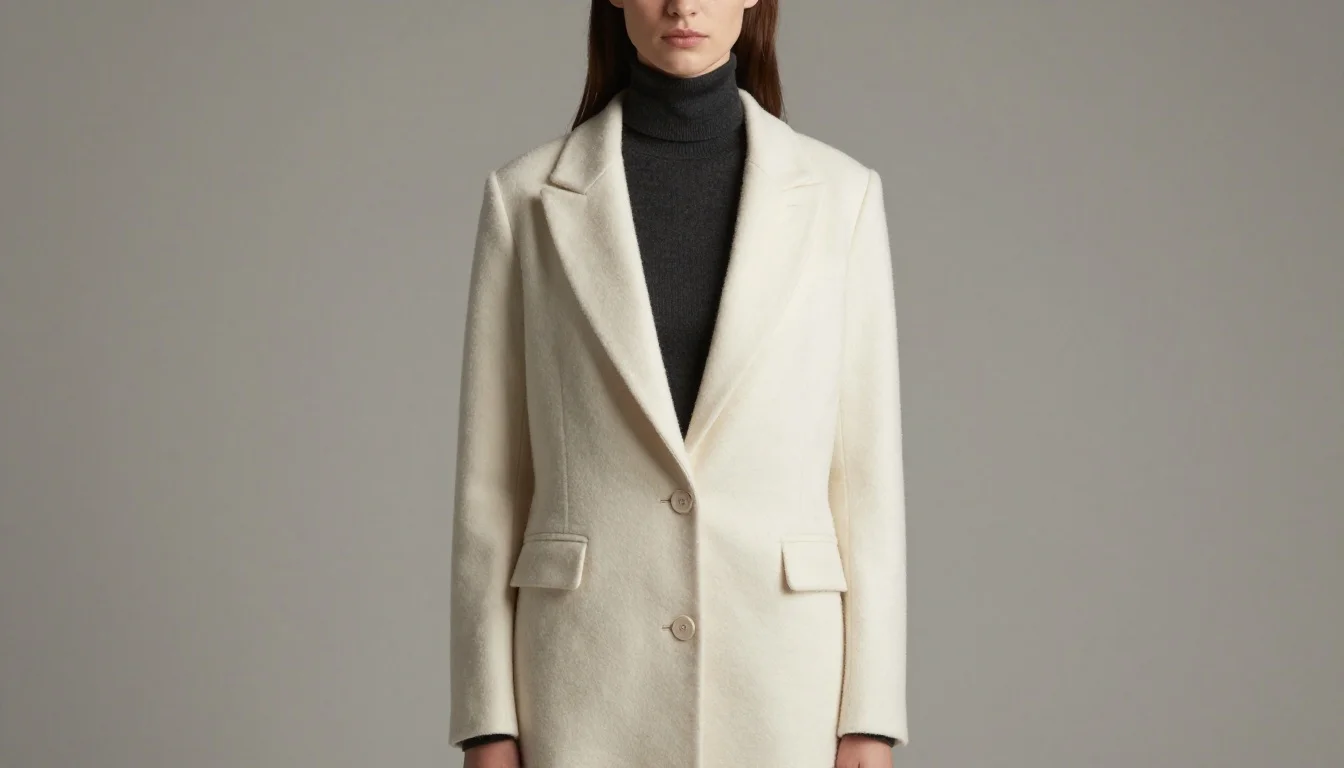
When working with a minimal color palette, texture becomes your visual interest. A matte cotton tee, a brushed wool coat, and a crisp linen trouser all in the same oat-cream family looks rich because of the material variation. This is where minimalist dressing on pale skin excels — the palette is simple, so the quality and texture of the fabric becomes the statement.
Avoiding the washed-out effect
The most common minimalist mistake on pale skin is wearing head-to-toe light neutrals without structure. Always have one element that creates definition — a well-tailored silhouette, a clearly darker trouser, a defined neckline. A crisp white shirt with a dark charcoal trouser gives the minimalist look its necessary edge on pale skin without adding color.
Minimalist Shades That Underperform on Pale Skin
Yellow-toned beige
Beige with a yellow bias sits too close to certain pale skin undertones and looks muddy rather than neutral. It can make pale skin appear sallow or greenish. Warm beige that reads more peachy or oat-toned works; the yellow-dominant versions do not.
Cold steel grey (for warm-toned pale skin)
A hard, blue-grey steel tone can make warm-toned pale skin look ashy. The temperature conflict registers visually as lack of health. Cool-toned pale skin handles it fine; warm-toned pale skin needs grey that leans warmer — mushroom, warm greige, or soft charcoal.
Stark pure black (as head-to-toe)
All-black against very pale, particularly pink-toned skin, can read as theatrical rather than minimalist. It creates so much contrast that the effect is dramatic rather than understated. Soft charcoal or very dark navy provides the same dark anchor with less visual intensity.
Dusty pastel greys
Chalky, desaturated grey-pastels — dusty lavender-grey, washed sage-grey — can wash out pale skin entirely. They lack both the warmth to flatter and the depth to create contrast. For a minimalist palette, these are filler shades with no visual payoff on pale skin.
Stop guessing — preview every look on you
See these looks on my photoMinimalist Upgrades for Pale Skin
Small temperature and tone shifts that make a neutral palette work with pale skin instead of against it.
Chalky whites sit in an ambiguous temperature zone that can look unintentional. Choose one direction — cool or warm — and your whites immediately look cleaner and more considered.
For most pale skin tones, a slightly warm grey is more flattering than a hard cool grey. Mushroom and greige still read as grey but have just enough warmth to prevent the ashy effect.
Deep charcoal and near-navy have the depth of black without the harshness. On pale skin, they create the necessary contrast without the stark, costume-quality drama of true black.
Traditional camel with a yellow bias can make pale skin appear sallow. Pale stone and warm sand are the minimalist-appropriate alternatives — still warm, but without the yellow that competes with the skin.
Dusty beige lacks clarity and sits flat against pale skin. Warm putty and clean greige have enough tonal definition to read as an actual choice rather than an oversight.
Harsh bright white in a textured knit against warm-toned pale skin can look clinical. Oat and raw linen tones soften the effect while maintaining the clean, minimal aesthetic.
Which Palette Might Be Yours?
Pale skin appears in multiple seasonal color palettes. Your exact season determines which minimalist neutrals look best on you. Most pale-skinned people fall into one of the light or cool seasons.
Light Summer
Learn moreIf your pale skin has soft cool-pink undertones, your hair is light (blonde, light brown, or ash), and your overall coloring feels delicate and low-contrast, Light Summer is likely your season. Your minimalist palette includes powder white, soft dove grey, and pale blush-pink neutrals. Stark or warm colors overwhelm your coloring.
Light Spring
Learn moreIf your pale skin has warm peachy undertones, your hair is golden-blonde or warm light brown, and your overall look feels fresh and warm rather than cool and soft, Light Spring is likely yours. Your minimalist palette includes ivory, warm cream, and pale warm straw tones. Cool whites and stark blacks are too harsh.
Cool Winter
Learn moreIf your pale skin is distinctly cool with blue or pink undertones and you have dark or strongly contrasting hair or features, Cool Winter may be your season. Your minimalist palette includes brilliant stark white, deep charcoal, and icy cool tones. You can carry the starkest contrasts of all the pale-skin seasons.
Find Your Exact Colors
Minimalism on pale skin demands precision — the wrong neutral undermines everything. Understanding whether your pale skin runs cool or warm determines whether you should build around stark whites or soft creams, cool greys or warm mushroom tones. A personalized color analysis identifies your exact seasonal palette and gives you a precise edit of minimalist shades that make pale skin look luminous and intentional.
Stop guessing — preview every color on you
Preview Yourself In Your Palette
Get my personalized paletteStop guessing — preview every color on you
Preview Yourself In Your Palette

Related Guides for Minimalist Style Colors for Pale Skin
Explore more personalized color advice based on your features.
Want to see these colors on you? What Colors Look Good on Me — free to try.
Frequently Asked Questions About Minimalist Style Colors for Pale Skin
What neutral colors work best in a minimalist wardrobe for pale skin?
It depends on your undertone. Cool pale skin looks best in brilliant white, soft charcoal, and cool grey. Warm pale skin looks best in ivory, warm cream, greige, and warm off-black. The key is staying within one temperature family so all your neutrals mix seamlessly.
Can pale skin wear all-black minimalist outfits?
Yes, but stark all-black can look theatrical rather than minimalist on very pale, pink-toned skin. A better approach is deep charcoal or soft black rather than pure black, or introducing one mid-tone neutral piece to reduce the harshness of the contrast.
Does white wash out pale skin?
The wrong white can. Chalky or yellowed whites often look muddy on pale skin. The fix is choosing a white that matches your undertone: brilliant cool white for cool-toned pale skin, warm ivory for warm-toned pale skin. The right white actually makes pale skin look luminous.
What shade of grey is best for pale skin in a minimalist wardrobe?
For most pale skin tones, a warm grey — mushroom, greige, or soft warm mid-grey — is more flattering than a cold steel grey. Cool-toned pale skin can handle cooler greys, but even then, avoiding the harshest steel greys and choosing a slightly softer version improves the result.
Is beige a good minimalist neutral for pale skin?
Depends on the beige. Yellow-dominant beige can look muddy against pale skin. Warm sand, oat, greige, and pale stone all read as beige-adjacent neutrals but without the yellow problem. These are the minimalist-correct versions for pale skin.