Family Photo Colorsfor Pale Skin
Pale skin requires specific color choices in family photos to look luminous rather than washed out. Discover how to build looks with shades that actually flatter you.
Pale skin is both the most photogenic and the most demanding of undertone types to dress for family photos. At its best, fair skin in the right color looks porcelain-luminous — crisp, clear, and striking. At its worst — in the wrong color — it looks washed out, flat, or simply absent, with the face fading into the fabric. The difference is almost entirely about color contrast. Pale skin needs colors with enough depth, saturation, or temperature contrast to frame the face. Finding that without going so bold it overwhelms the image is the specific challenge this guide addresses.


3,000+
happy clients
Why Color Contrast Is the Key for Pale Skin in Photos
Pale skin is both the most photogenic and the most demanding of undertone types to dress for family photos. At its best, fair skin in the right color looks porcelain-luminous — crisp, clear, and striking. At its worst — in the wrong color — it looks washed out, flat, or simply absent, with the face fading into the fabric. The difference is almost entirely about color contrast. Pale skin needs colors with enough depth, saturation, or temperature contrast to frame the face. Finding that without going so bold it overwhelms the image is the specific challenge this guide addresses.
Pale skin has very low natural contrast with light or mid-tone colors. When you wear a soft neutral, pale pink, or warm beige, there's almost no color difference between your skin and your outfit — face and fabric blend together in photographs. The camera, which doesn't have the same ability to selectively focus the eye on a face, captures this blending literally: the person looks washed out, colorless, or simply less present than their darker-complexioned family members.
The solution is contrast — but not necessarily dark or bold contrast. Colors that are distinctly different in temperature (cool colors against pale skin), depth (mid-to-dark tones), or saturation (vivid colors) from the skin itself provide the visual separation that makes faces 'pop' in photographs. Navy, burgundy, forest green, vivid berry — all of these create the separation pale skin needs without being so dark they overwhelm a fair complexion.
For family photo coordination, pale skin is often the most challenging to accommodate because the most popular family photo palettes — warm neutrals, camel, soft sage — are exactly the colors that flatten pale skin. Understanding what works for your specific fair complexion helps you advocate for a family palette that serves everyone, including you.
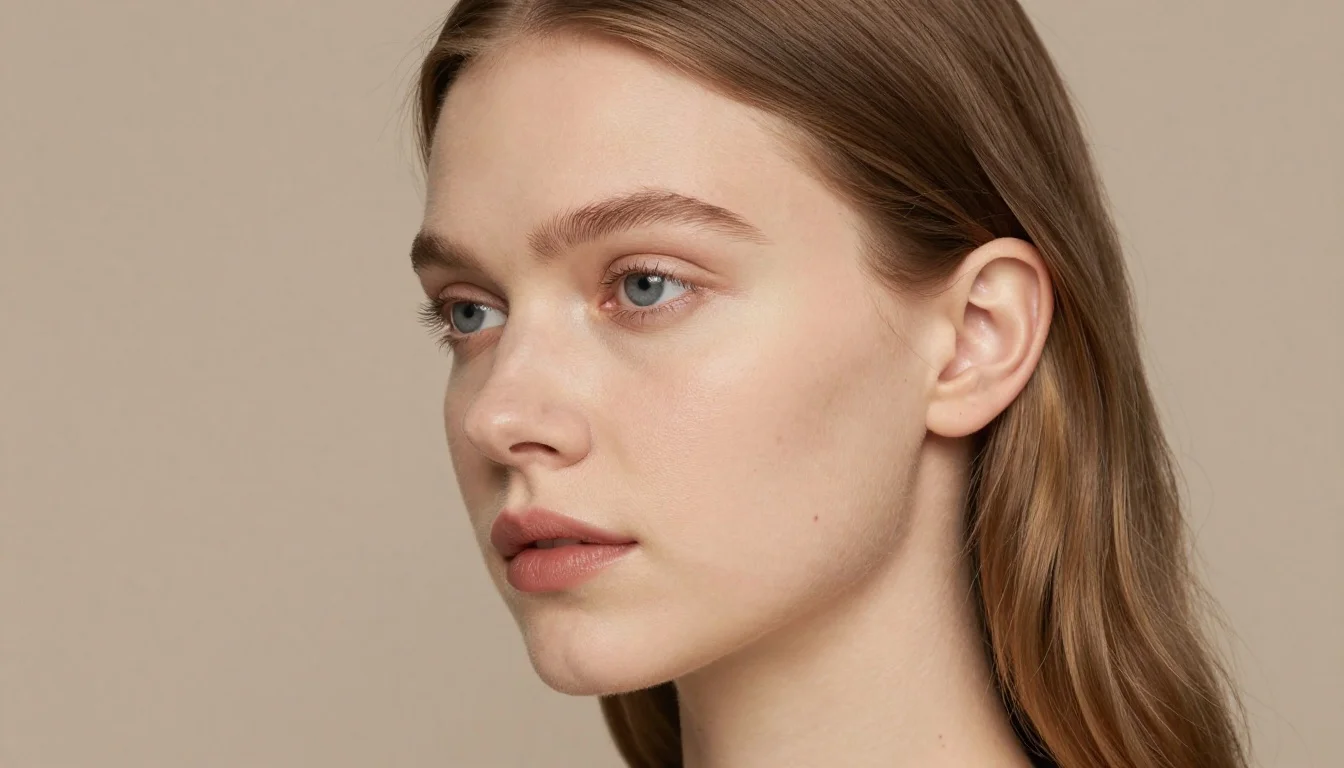
What colors look best for family photos with pale skin?
Navy, forest green, deep burgundy, and rich berry tones are the most flattering colors for pale skin in family photos. These deep, saturated colors create the contrast that pale skin needs to look vivid and present in photographs. Deep charcoal and rich teal are also excellent. Avoid soft pastels, warm beige, and light neutrals — they create too little contrast with fair skin and cause washed-out photographs.
Your Most Flattering Colors for Family Photos
Deep Jewel Tones
Deep jewel tones are the most reliably flattering family photo colors for pale skin. They create strong color contrast with a fair complexion, making the face appear vivid and present rather than faded. Navy is the single most versatile choice: it works with every undertone of pale skin, coordinates with virtually any family palette, and photographs beautifully in all lighting conditions. Sapphire and emerald add richness. Burgundy creates a warm, striking contrast.
Rich Berry and Deep Pink
Rich, saturated pinks and berries are particularly flattering for pale skin because they add warmth and vibrancy without overwhelming a fair complexion. Deep raspberry creates beautiful contrast while adding a warm glow to pale skin. Vivid rose and magenta are more striking options for those who want color impact. Cranberry is the most universally flattering of this group — its cool-warm balance works across pale skin undertones. These photograph with warmth and richness.
Forest and Deep Green
Deep greens create excellent contrast with pale skin while adding a richness that flatters fair complexions. Forest green is particularly effective because it's deep enough to frame pale skin but not as stark as black. Rich teal adds a blue-green quality that photographs beautifully with cool-undertoned pale skin. Deep olive works best for pale skin with warm or neutral undertones. These are excellent options for outdoor family sessions where green backgrounds are present.
Bold Patterns and Deep Neutrals
Deep neutrals — charcoal, rich chocolate — provide the contrast pale skin needs while staying understated in a family photo context. Charcoal is a softer alternative to black that still creates clear separation from fair skin. For those who want pattern, a bold print where the lighter color is the background creates interesting visual texture while the darker tones in the pattern provide the facial contrast needed. These are good choices when you want to recede slightly in the family composition.

Ready to see navy & sapphire blue on your face?
Start my color analysisHow to Dress Pale Skin for Family Photo Day
The contrast principle
Every color decision for pale skin in family photos should be filtered through one question: does this color create enough contrast with my fair complexion to make my face clearly visible in photographs? The answer for most light or mid-tone colors is no. Lead with depth — navy, forest green, burgundy, rich berry — especially in the piece closest to your face. Even if the family palette is softer, your anchor piece near your face should have depth.
Family palette coordination
When building a family palette with pale-skinned members, anchor in navy or deep hunter green — these flatter pale skin and coordinate easily with every other undertone type. Other family members can wear cream, warm white, muted sage, or soft grey while you wear the deeper anchor color. This creates natural visual balance: deeper tones near the palest faces and lighter tones elsewhere in the group.
Outdoor sessions in natural light
Natural light, particularly bright midday light, can be especially challenging for pale skin. It flattens any inadequate contrast and washes out mid-tone colors further. For outdoor daylight sessions, increase the depth and saturation of your outfit color beyond what you'd wear for indoor or studio sessions. Colors that would be sufficient indoors often need to be a shade darker for bright outdoor natural light.
Indoor and studio sessions
Studio lighting is generally more flattering for pale skin than harsh natural light. But artificial lighting creates its own challenges: cool studio lights can make cool-undertoned pale skin look slightly blue or grey in photos, while warm studio lights can add yellow. For studio sessions, the same rules apply: depth and contrast are more important than warmth temperature. Navy, forest green, and deep burgundy photograph strikingly under studio lighting.
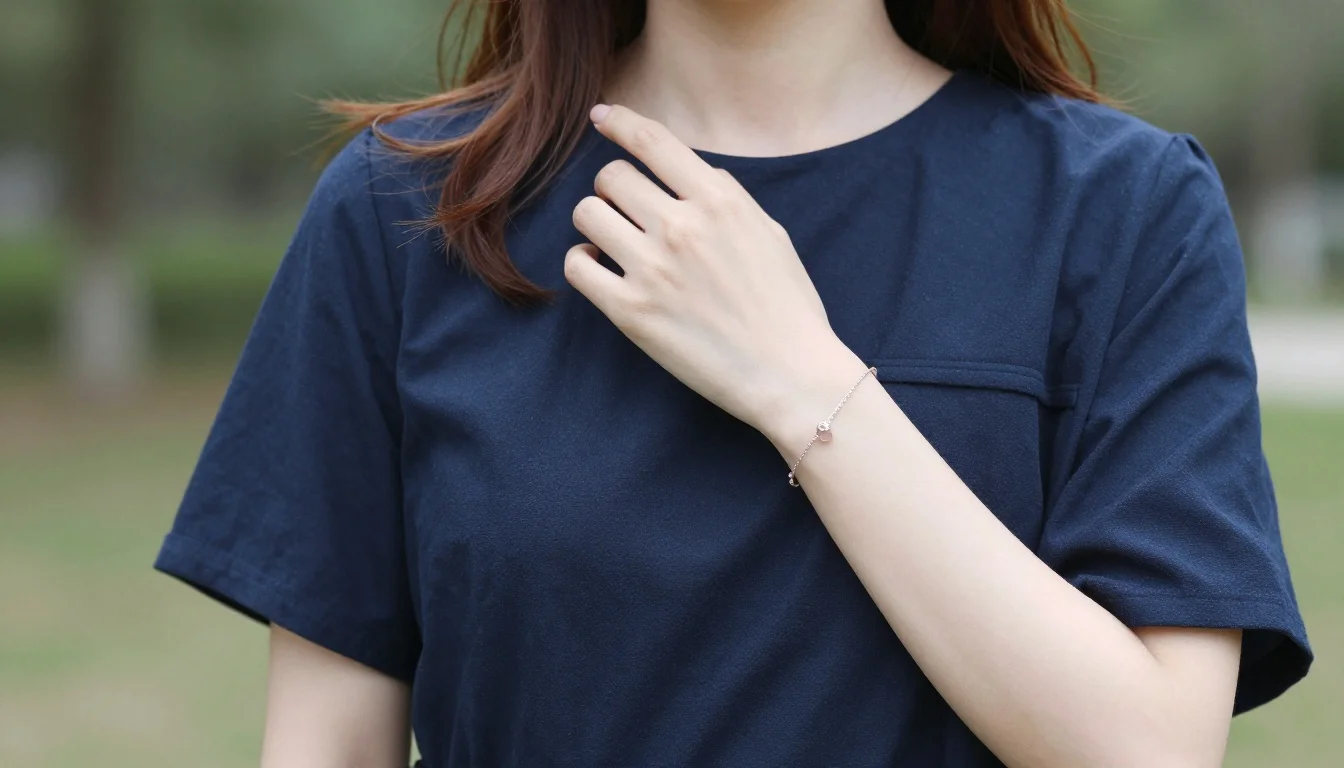
Colors That Wash Out Pale Skin in Photos
Soft pastels and pale neutrals
Very light pastels — pale blush, powder blue, soft lavender — create almost no contrast with pale skin in photographs. The result is a washed-out, faded appearance where the face and the fabric exist in the same pale value range. This is the most common mistake for pale skin in family photos. If you love pastels, choose ones with more saturation and depth than you think you need — they'll photograph lighter than they look in person.
Warm beige and camel
Warm beige and camel are flattering on warm and olive undertones but photograph poorly on pale skin. Their warm, mid-tone neutrality blends with the pale skin value, eliminating contrast. On pale skin with cool or neutral undertones, the yellow cast in beige can also make fair skin appear slightly sallow in photos. This is one of the most popular family photo colors and one of the least flattering for fair-skinned participants.
Warm white and ivory
While warm ivory is excellent for warm-undertoned pale skin, very pale ivory can create a near-match with fair skin value, reducing facial contrast. The specific risk depends on how light your skin is — very fair skin can disappear against even warm ivory. If you wear ivory, choose a version with enough warmth to create temperature contrast with your skin's undertone, or choose a colored piece near your face instead.
Orange and warm coral
Orange and warm coral can create a clashing effect with pale skin that has cool or neutral undertones — the warm, yellow-orange cast fights with the pink quality of fair skin. Even on pale skin with warm undertones, very bright orange or neon coral can look garish rather than flattering in photographs. Deeper, more muted corals and warm rusts are much better if you want warmth in the palette.
Stop guessing — preview every look on you
See these looks on my photoFamily Photo Outfit Swaps for Pale Skin
Trading the colors that wash out pale skin for ones that create luminous contrast.
Pale pink creates zero contrast with fair skin and disappears in photos. Deep raspberry has the same pink-warmth family but with saturation that makes pale skin look vivid.
Beige blends into pale skin and eliminates facial contrast. Navy and forest green create the depth contrast that makes pale-skinned faces present and luminous in photos.
Light grey and taupe are too close in value to pale skin. Charcoal and chocolate are deep enough to create real contrast without the starkness of black.
Pale pastels fade into pale skin. Navy and teal have the depth to frame a fair complexion clearly in photos even when used as a layer rather than an anchor.
Warm rust clashes with cool-undertoned pale skin. Cranberry has warmth without the orange-yellow conflict and creates striking contrast with fair skin.
White-on-pale skin creates zero facial contrast. Wear white or cream in a lower-prominence position (skirt, pants) with a deeply-colored top near your face.
Which Color Seasons Have Pale Skin?
Pale skin appears across multiple seasonal palettes. Your specific season determines whether you need cool or warm-toned colors, muted or vivid saturation, and your specific best darks.
Cool Winter
Learn moreIf your pale skin is very fair with distinct blue-pink undertones and you have high natural contrast (dark hair or vivid eyes), you may be a Cool Winter. Your best family photo colors are vivid and cool: bright navy, stark white with vivid color, clear emerald, electric blue. High contrast and vivid cool tones photograph strikingly for this type.
Cool Summer
Learn moreIf your pale skin has soft pink undertones and your overall coloring is gentle and low-contrast, you may be a Cool Summer. Your best family photo colors are cooler and slightly muted: dusty navy, soft berry, cool rose, muted teal. Not as vivid as Cool Winter, but still with enough depth to frame fair skin.
Light Summer
Learn moreIf your pale skin is very fair and your overall coloring is soft and light across the board — light hair, light eyes, gentle features — you may be a Light Summer. Your palette is soft and cool but must have some depth near the face to prevent washing out in photos: dusty rose with depth, soft navy, cool periwinkle.
Get Your Exact Contrast Colors Before the Session
Family photos preserve a moment permanently — the colors you wear are locked in. For pale skin specifically, the gap between a flattering and unflattering color choice is wider than for any other complexion type. Getting the precise depth, temperature, and saturation right for your specific shade of fair skin ensures you look luminous rather than washed out in every photo. A personalized color analysis identifies exactly which navy, which forest green, which berry is perfectly calibrated to your pale skin's specific undertone.
Stop guessing — preview every color on you
Preview Yourself In Your Palette
Get my personalized paletteStop guessing — preview every color on you
Preview Yourself In Your Palette

Related Guides for Family Photo Outfit Colors for Pale Skin
Explore more personalized color advice based on your features.
Want to see these colors on you? What Colors Look Good on Me — free to try.
Frequently Asked Questions About Family Photo Outfit Colors for Pale Skin
What colors look best for family photos with pale skin?
Navy, forest green, deep burgundy, and rich berry tones are the most flattering colors for pale skin in family photos. These deep, saturated colors create the contrast that pale skin needs to look vivid and present in photographs. Deep charcoal and rich teal are also excellent. Avoid soft pastels, warm beige, and light neutrals — they create too little contrast with fair skin and cause washed-out photographs.
What should pale skin avoid in family photos?
Avoid soft pastels, pale neutrals, warm beige, and camel. These colors have similar light values to pale skin and create very little visual contrast in photographs — the face blends into the outfit. Also avoid very bright orange and warm coral if you have cool-undertoned pale skin, as the warm clash is unflattering. The rule for pale skin: more depth and more saturation than you think you need.
Can pale skin wear white in family photos?
White and very pale ivory near the face creates almost no contrast with pale skin in photographs. If the family palette includes white, wear it in a lower-prominence position — skirt, trousers, or as an accent — and pair it with a deeply colored top near your face. Cool-undertoned pale skin can wear crisp white as a face-adjacent piece only if the rest of the outfit provides depth.
How do I coordinate family photos when I have pale skin?
Anchor the palette in a color that flatters pale skin: navy, deep forest green, or burgundy. Other family members can wear lighter complementary tones — cream, warm white, soft sage — while you wear the deeper anchor color near your face. This creates natural visual balance where the palest faces have the most contrast and everyone looks cohesive.
What makes pale skin look luminous in photos?
Depth and temperature contrast make pale skin look luminous in photographs. A deep navy or rich burgundy near a fair face creates a jewel-box contrast that looks vivid and intentional. Crisp cool white also creates a luminous effect for cool-undertoned pale skin specifically. The key is that the color provides enough visual separation from the face to define it clearly.