Wedding Guest Outfits forDeep Winter Coloring
Deep Winter coloring commands attention at weddings. Discover how to build looks with shades that actually flatter you.
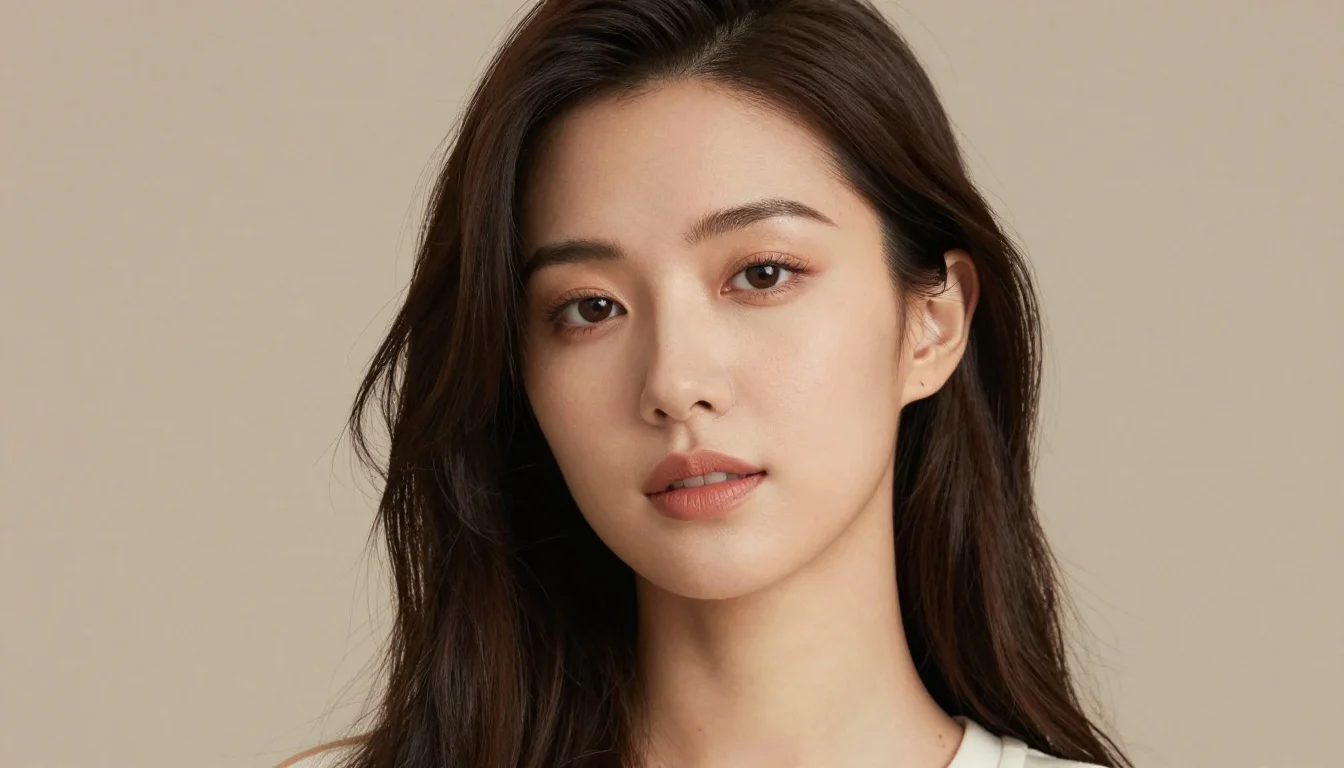
Deep Winter coloring — dark hair, cool skin, high contrast — is made for formal occasions. Your palette thrives in saturated, cool jewel tones that lesser contrast types can't pull off. The key at a wedding is avoiding pastels and muddy mid-tones that wash you out. Wear color that matches your natural intensity.


3,000+
happy clients
Why Deep Winter Coloring Needs Bold, Clear Colors
Deep Winter coloring — dark hair, cool skin, high contrast — is made for formal occasions. Your palette thrives in saturated, cool jewel tones that lesser contrast types can't pull off. The key at a wedding is avoiding pastels and muddy mid-tones that wash you out. Wear color that matches your natural intensity.
Deep Winter is defined by high contrast, cool undertones, and deep coloring. Your dark hair against cool-toned skin creates a striking visual signature. Colors that match this intensity — rich jewel tones, true blacks, deep navy — complement your natural contrast rather than fighting it.
At a wedding, the temptation is to reach for soft, romantic pastels. For most types, that works. For Deep Winter, it backfires. Pale pink, dusty lavender, and champagne lack the saturation to hold their own against your coloring — they make you look washed out, not delicate. You need depth.
Your advantage at formal events is considerable: while other types avoid bold color for fear of looking overdressed, you look most polished and put-together in exactly those saturated shades. A Deep Winter in midnight navy or deep jewel-toned emerald at a wedding looks elegant, not overdone — that's your natural register.
What colors should a Deep Winter wear to a wedding?
Deep Winters look best in cool, saturated jewel tones and deep neutrals: sapphire blue, emerald, amethyst, royal purple, midnight navy, and true black. Icy versions of pink or blue also work. Avoid warm pastels, dusty mid-tones, and warm metallics like gold.
The Best Colors for Deep Winter Wedding Guest Outfits
Cool Jewel Tones
Cool, saturated jewel tones are the deepest flattery for Deep Winter coloring. Sapphire and royal blue create beautiful resonance with cool-toned skin and dark hair. True emerald provides striking contrast. Deep amethyst offers a sophisticated option that photographs exceptionally well at weddings. Each shade has the depth and cool clarity your coloring demands.
Deep Neutrals
Deep neutrals are effortlessly appropriate for wedding guest dressing and flatter Deep Winter beautifully. Midnight navy is often the perfect formal choice — dressy without being costume-y. True black, often avoided at weddings, is entirely appropriate for evening or black-tie weddings and looks striking on Deep Winter. Charcoal and icy grey provide variation. These aren't boring choices — they're your power neutrals.
Bold Cool Accents
When you want color with real presence, cool fuchsia, bright cobalt, and cool red are Deep Winter statements. Cool fuchsia is a particular strength — vivid, cool, and deeply flattering against high-contrast coloring. Cool red (blue-toned, not orange-based) is a classic wedding guest choice that suits Deep Winter far better than warm crimson. Icy pink — pale but with cool clarity — works as an accent rather than a full outfit.
Sophisticated Monochromes
Deep Winters can pull off monochromatic deep dressing beautifully because your high contrast coloring provides the visual interest. An all-navy ensemble with varied textures — silk skirt, satin top — reads as deeply elegant. Deep teal sits between blue and green with cool saturation that works perfectly for Deep Winter. Rich plum is a sophisticated purple-adjacent choice for evening weddings.

Ready to see sapphire blue & emerald on your face?
Start my color analysisHow to Dress for Weddings as a Deep Winter
Daytime weddings
For daytime ceremonies, reach for rich jewel tones rather than dark neutrals. A sapphire midi dress or deep emerald sheath reads as appropriately festive without being too heavy for daytime. Pair with silver jewelry and cool-toned accessories. Avoid the instinct to go pale or neutral — your coloring looks most polished with saturation.
Evening and black-tie
Evening weddings are where Deep Winter truly shines. Midnight navy, deep jewel tones, or sophisticated all-black with texture are all appropriate and flattering. A deep amethyst gown with silver accessories is a quintessential Deep Winter evening look. Black is entirely appropriate at evening weddings — don't let outdated rules prevent you from wearing one of your most flattering colors.
Jewelry and accessories
Silver, platinum, and white gold are the Deep Winter metals — they reinforce the cool clarity of your coloring. Cool-toned gemstones (sapphire, amethyst, white diamond, clear crystal) complement your palette. Avoid gold jewelry, which creates a warm-cool conflict. A silver statement piece with a jewel-toned dress is a classic Deep Winter wedding combination.
Summer weddings
Summer weddings often encourage pastels and soft colors — resist the pressure to wear what's conventional. Deep Winter looks polished in rich jewel tones even in summer heat. A bright cobalt or deep teal silk dress is just as summer-appropriate as blush, but far more flattering on you. If you want to go lighter, choose icy versions: icy pink, icy blue, clear white — not warm or dusty pastels.
Your photos are a gift too
A well-dressed guest usually takes great photos of the day. If the couple has a QR-code wedding photo album your candid shots reach them in original quality — a small gift on top of showing up well dressed.
Colors That Work Against Deep Winter at Weddings
Warm pastels (blush, peach, buttercup)
Warm pastels sit at the opposite end of the color spectrum from Deep Winter's cool, saturated nature. Blush with warm peachy undertones, buttercup yellow, and coral washes out high-contrast coloring. The pale warmth clashes with cool skin undertones and lacks the depth to balance dark hair. These read as costume-y or washed out on Deep Winter, not romantic.
Dusty, muted mid-tones
Dusty rose, muted sage, faded lavender, and other greyed-down mid-tones have insufficient saturation for Deep Winter coloring. They read as muddy against the clarity of deep cool coloring. Deep Winters need either depth (jewel tones, deep neutrals) or icy clarity (bright pastels with cool undertones) — the muddy middle ground works against you.
Warm metallics (gold, bronze)
Gold and bronze have warm orange-yellow undertones that create a color temperature conflict with cool-toned skin. They can make Deep Winter skin look sallow or ashy rather than luminous. Cool silver, platinum, and gunmetal metallics are the Deep Winter alternatives — they have the same formality and light-catching quality without the undertone clash.
Orange and warm earth tones
Orange, terracotta, rust, and warm camel are firmly in the warm autumn palette — the opposite of where Deep Winter sits. These shades clash with cool skin undertones and make dark eyes look flat rather than intense. At a wedding, these choices will look slightly 'off' even if you can't immediately identify why. The color temperature conflict with your natural coloring is the cause.
Stop guessing — preview every look on you
See these looks on my photoDeep Winter Wedding Guest Swaps
Trading the colors that wash you out for ones that match your natural intensity.
Blush lacks the saturation to complement Deep Winter. Sapphire and cobalt match the cool depth of your coloring and photograph beautifully at weddings.
Warm champagne and gold conflict with cool undertones. Navy and amethyst have deep, cool saturation that makes Deep Winter skin look luminous rather than sallow.
Warm peach and coral florals clash with cool undertones. Cool-toned florals or a solid jewel tone read as seasonally appropriate without the color temperature conflict.
Gold has warm orange undertones that conflict with Deep Winter cool skin. Silver reinforces your cool clarity and looks more cohesive with deep jewel-toned outfits.
Dusty, muted tones lack saturation for Deep Winter. Vivid emerald and clear purple have the cool depth that makes Deep Winter coloring look intentional, not washed out.
Warm nude and beige create a color temperature conflict with cool skin. Charcoal and navy are equally conservative and far more flattering — they're your neutral power colors.
Which Palette Might Be Yours?
Deep Winter is one of four winter types, each with its own distinct wedding guest palette. Understanding which winter you are helps you refine your choices even further.
Deep Winter
Learn moreIf you have very dark hair (near-black or deep brown), cool or neutral-cool skin, and high contrast between your hair and skin, Deep Winter likely fits. Your palette is the darkest and most saturated of all winter types.
Cool Winter
Learn moreIf your coloring is more distinctly cool and blue-based — ash hair, pink-cool skin — but not necessarily as deep or dark as Deep Winter, Cool Winter may be a better fit. Your palette emphasizes icy brights and true cools.
Bright Winter
Learn moreIf you have high contrast like Deep Winter but with particularly bright, vivid coloring — striking eyes, clear skin — Bright Winter may be your type. Your palette favors the most vivid, saturated colors of all the winter types.
Find Your Exact Wedding Guest Palette
Knowing you're a Deep Winter narrows your choices, but your specific undertone and contrast level within the Deep Winter family determine exactly which jewel tones and darks serve you best. A personalised color analysis identifies your precise palette — giving you a specific list of wedding-ready colors that work for your exact coloring.
Stop guessing — preview every color on you
Preview Yourself In Your Palette
Get my personalized paletteStop guessing — preview every color on you
Preview Yourself In Your Palette

Related Guides for Deep Winter Wedding Guest Outfit
Explore more personalized color advice based on your features.
Want to see these colors on you? What Colors Look Good on Me — free to try.
Frequently Asked Questions About Deep Winter Wedding Guest Outfit
What colors should a Deep Winter wear to a wedding?
Deep Winters look best in cool, saturated jewel tones and deep neutrals: sapphire blue, emerald, amethyst, royal purple, midnight navy, and true black. Icy versions of pink or blue also work. Avoid warm pastels, dusty mid-tones, and warm metallics like gold.
Can a Deep Winter wear black to a wedding?
Yes — especially for evening or black-tie weddings. True black is one of Deep Winter's most flattering colors and is entirely appropriate for formal occasions. For daytime or more casual weddings, a deep navy or jewel tone may feel more festive, but black is never wrong for Deep Winter at formal events.
What about a Deep Winter in a navy dress at a wedding?
Midnight navy is one of the best Deep Winter wedding guest choices — it has the deep, cool saturation that complements high-contrast coloring and is appropriately formal. It reads as polished and elegant without the sometimes-charged associations of black. Pair with silver accessories for a cohesive Deep Winter look.
Can Deep Winter wear pastel to a wedding?
Traditional warm pastels (blush, peach, dusty rose) are not flattering for Deep Winter coloring — they lack the saturation and cool clarity the palette needs. If you want to wear a lighter color, choose icy pastels: icy pink, icy blue, or clear white. These have the light value of pastels but with cool undertones that suit Deep Winter.
What jewelry works for Deep Winter at a wedding?
Silver, platinum, and white gold are the Deep Winter metals — they reinforce cool undertones rather than conflicting with them. Cool-toned gemstones (sapphire, amethyst, clear diamond) look beautiful. Avoid gold and warm bronze, which create an undertone conflict with cool Deep Winter skin.
Is emerald green good for Deep Winter at a wedding?
True emerald — cool, saturated, and deep — is excellent for Deep Winter at a wedding. It has the cool depth that Deep Winter coloring demands and creates beautiful contrast with dark hair. Make sure the emerald is cool-toned (not warm or olive-based) and richly saturated rather than muted.