Classic Style Colorsfor Cool Undertones
Cool undertones and classic style are a natural match — but not every classic color is equal. Discover which shades flatter you most — and which to skip.
Classic style and cool undertones are a natural pairing. The palette of traditional classic dressing — navy, white, grey, and rich jewel tones — overlaps significantly with what cool-undertone skin finds most flattering. But 'classic' contains a spectrum: there are warm versions of navy, cream-based whites, and yellow-toned greys that don't serve cool undertones as well. Your classic palette is the crisp, cool, refined version — pure white, true navy, slate grey, and burgundy with a blue-cool base rather than a warm-wine one.


3,000+
happy clients
Why Cool Undertones Thrive in Classic Palettes
Classic style and cool undertones are a natural pairing. The palette of traditional classic dressing — navy, white, grey, and rich jewel tones — overlaps significantly with what cool-undertone skin finds most flattering. But 'classic' contains a spectrum: there are warm versions of navy, cream-based whites, and yellow-toned greys that don't serve cool undertones as well. Your classic palette is the crisp, cool, refined version — pure white, true navy, slate grey, and burgundy with a blue-cool base rather than a warm-wine one.
Cool undertones mean your skin has pink, blue, or rosy pigmentation at the base — what gives your complexion its clarity, porcelain quality, or cool-toned evenness. Silver jewelry looks more natural than gold. Clothing with cool or neutral-cool temperatures sits harmoniously against your skin rather than fighting it.
Classic style is extraordinarily well-suited to cool undertones because so many of its anchor colors are inherently cool: white, navy, grey, and the blue-based version of red (burgundy, true crimson) are all cool-temperature colors that actively enhance cool-undertone skin. Where warm-undertone dressers have to choose the 'warm version' of classic colors, cool undertones can often go straight to the most archetypal version of the classic palette.
The nuance for cool undertones in classic style is about saturation and depth. The danger zone isn't warm tones — it's beige, warm taupe, or earthy colors that some classic dressers lean on. These warm neutrals drain the clarity from cool-undertone skin. Your classic palette stays cool and refined: white, navy, grey, and cool jewel tones rather than earthy neutrals.

What classic colors suit cool undertones?
Cool undertones are most flattered by the cool-toned classic colors: crisp white, true navy, ash and dove grey, cool charcoal, deep burgundy (blue-based, not warm wine), and cool jewel tones like sapphire and emerald. These colors share the cool temperature of your skin's undertone, creating a harmonious, polished look.
Your Classic Color Palette for Cool Undertones
Crisp White and Cool Ivory
Pure, crisp white is the cool-undertone classic color par excellence. The cool, clean quality of true white sits perfectly against pink-or-blue-based skin, creating a luminous contrast that makes the complexion look porcelain-bright. Cool ivory and pearl are softer alternatives that maintain the cool quality without the severity. In classic style, a crisp white button-down or a pearl-toned silk blouse is the foundation of the entire wardrobe for cool undertones.
True Navy and Cool Blue
Navy is the single most important classic color, and it's innately cool-toned — making it naturally flattering for cool undertones. True navy, which leans toward blue-black rather than warm-tinted navy, is your most versatile anchor color. Midnight blue adds depth and formality. Classic royal blue offers vibrancy for occasions when you want personality within the classic palette. These cool blues create a harmonious, polished look against cool-undertone skin.
Cool Grey and Slate
Grey is a classic neutral that cool undertones wear more naturally than any other skin type. Cool ash grey, dove grey, and slate all share the blue-or-silver base that resonates with cool-undertone skin. Where warm undertones find grey draining, cool undertones find it flattering — it enhances the clean, refined quality of the complexion rather than dulling it. Dove grey cashmere, slate suiting, and ash-grey knitwear are classic staples that are also among your best colors.
Cool Jewel Tones and Deep Burgundy
Cool jewel tones are among the most flattering colors for cool undertones, and in classic style they serve as sophisticated alternatives to basic navy or grey. Deep burgundy — specifically the blue-cool version rather than warm wine — is the classic 'color' that serves cool undertones beautifully in professional and formal contexts. Cool emerald, sapphire, and rich plum add interest and depth while maintaining the cool temperature that makes your complexion look its clearest.

Ready to see optical white & ivory on your face?
Start my color analysisBuilding Your Classic Wardrobe with Cool Undertones
The cool-undertone classic uniform
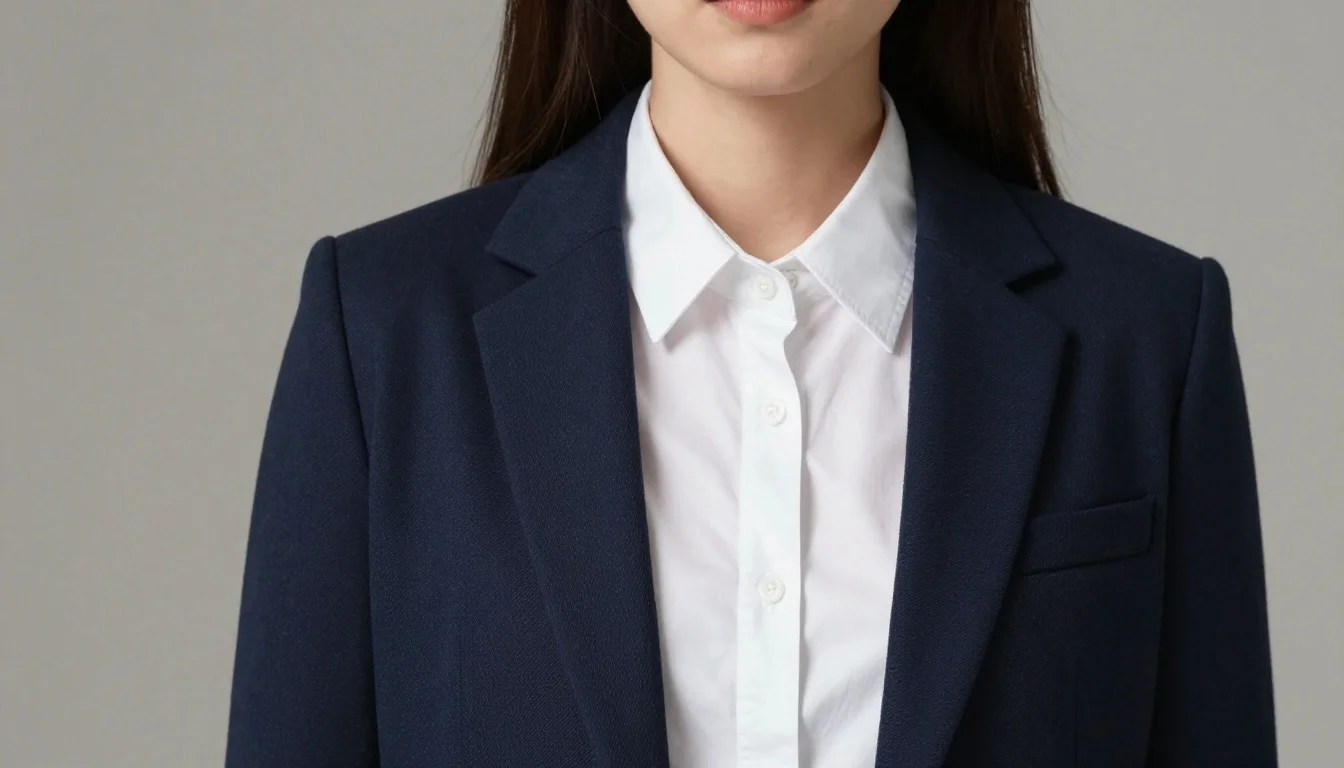
Your quintessential classic look: a crisp white button-down with well-tailored navy trousers or a navy skirt. Add a slate grey blazer or a cool-toned black blazer for structure. Silver or white gold accessories complete it. This combination draws on the three most classic colors in the palette — white, navy, grey — and all three are naturally flattering for cool undertones. It photographs crisply and looks polished in any light.
Professional settings
For work, cool grey suiting is your most naturally flattering option — ash grey or dove grey in a well-cut suit is both impeccably classic and harmonious with cool undertones. True navy is equally strong. A dove grey blazer with a white or cool ivory blouse and slate trousers is a refined, authoritative combination. Add a deep burgundy accessory for personality without breaking the cool-temperature palette.
Adding color within the classic framework
When you want to add color to a classic outfit, reach for cool jewel tones: sapphire blue, cool emerald, deep plum, or burgundy. These add personality and interest while staying within the cool temperature that flatters your skin. A sapphire silk scarf with a white shirt and navy trousers is a classic styling move that also actively complements cool undertones — both the scarf and the base outfit are working with your coloring.
Evening and occasions
For formal occasions, a classic black dress with silver or white gold jewelry is your most reliably flattering formal option. Cool undertones handle the starkness of black better than most other skin types — the contrast between black and cool-toned skin often looks intentional and dramatic. Alternatively, a deep midnight blue or rich burgundy evening dress maintains the classic formality with even more flattering color.
Classic Colors That Work Against Cool Undertones
Warm beige and classic camel
Camel and beige are quintessential classic neutrals — but they're warm-toned, which means they can create a dull, washed-out effect against cool-undertone skin. The yellow-gold quality in camel doesn't resonate with pink or blue-based undertones; instead, it can make cool skin look sallow or ill. Cool-toned alternatives — grey, slate, or a cool-toned stone — achieve the same neutral function without the temperature conflict.
Warm cream and butter yellow
Cream with a distinct yellow or warm quality is the classic color most likely to clash with cool undertones. The yellow warmth in cream can add an unflattering sallow cast to pink-based skin. Cool ivory — which leans slightly toward white-pink rather than white-yellow — is a better choice. True white is usually more flattering than warm cream for cool undertones.
Orange-based red and warm rust
Classic red in its warm, orange-based form — vermillion, tomato, rust — doesn't sit well against cool-undertone skin. The warmth creates a temperature conflict that can make the complexion look uneven. Cool crimson, deep burgundy, and wine with a blue base are the classic reds that work for cool undertones. These retain all the classic confidence of red while harmonizing with cool skin.
Warm-toned brown and tan
Brown in its warmer forms — cognac, tan, warm chocolate — competes with cool undertones rather than complementing them. If brown is needed in a classic wardrobe, cool-toned dark chocolate or a grey-brown (greige that leans cool) are better options. Otherwise, navy, charcoal, and black cover the same grounding function without the warm-tone conflict.
Stop guessing — preview every look on you
See these looks on my photoClassic Wardrobe Swaps for Cool Undertones
Trading the warm-toned classics for cool-toned versions that flatter your complexion.
Warm cream can add sallowness against cool-undertone skin. Crisp white delivers the same classic refinement while harmonizing with the skin's cool base.
Camel is warm-toned and works against the cool base of the skin. Dove grey is equally classic and is one of the most flattering colors for cool undertones.
Warm oatmeal tones fight cool-undertone skin. Dove grey and slate are cool-temperature classics that are also among your best neutral colors.
A camel coat is warm-toned and can wash out cool complexions. Navy and charcoal are equally classic and are naturally flattering for cool undertones.
Warm orange-reds conflict with cool undertones. Burgundy and sapphire maintain the classic confidence of a color statement while harmonizing with your skin.
Silver and white gold naturally align with cool-undertone skin. Yellow gold can create a warm-cool temperature conflict with classic cool-toned outfits.
Which Color Season Are You?
Cool undertones in a classic aesthetic most often align with Summer and Winter seasonal types. The key distinguishing factor is contrast level — how much contrast exists between your skin, hair, and eyes.
Cool Summer
Learn moreIf your cool undertones come with soft, medium-depth coloring — light-to-medium hair, medium-intensity eyes, skin that reads as cool and refined rather than stark — Cool Summer is likely your season. Your classic palette is the muted, soft side of cool: dusty rose, powder blue, soft navy, dove grey, and cool lavender. Everything has a refined, slightly subdued quality.
Cool Winter
Learn moreIf your cool undertones come with high contrast — dark hair against fair or medium cool skin, vivid eye color, or an overall striking quality to your coloring — Cool Winter may be your season. Your classic palette leans toward the crisp, vivid side of cool: icy white, true navy, jet black, vivid cobalt, and bright burgundy. You can handle more intensity and contrast than Cool Summer.
Soft Summer
Learn moreIf your cool undertones are combined with low-contrast, muted coloring — soft brown or ash-blonde hair, grey or hazel eyes, skin that's cool but gentle in tone — Soft Summer may fit best. Your classic palette is the most subdued version of cool: heather grey, dusty blue, muted navy, and soft rose. Classic structure works beautifully; the key is keeping colors slightly muted rather than vivid.
Find Your Exact Classic Palette
Classic style with cool undertones is one of the most naturally elegant combinations in dressing — the cool, crisp quality of classic colors and the refined clarity of cool-undertone skin are genuinely complementary. The specific shades that work best for you depend on how cool your undertone is, how much contrast your coloring has, and whether your cool tone leans pink, blue, or neutral. A personal color analysis pinpoints your exact place in the cool spectrum and gives you a precise classic palette that consistently looks polished and intentional.
Stop guessing — preview every color on you
Preview Yourself In Your Palette
Get my personalized paletteStop guessing — preview every color on you
Preview Yourself In Your Palette

Related Guides for Classic Style Colors for Cool Undertones
Explore more personalized color advice based on your features.
Want to see these colors on you? Skin Undertone Test — free to try.
Frequently Asked Questions About Classic Style Colors for Cool Undertones
What classic colors suit cool undertones?
Cool undertones are most flattered by the cool-toned classic colors: crisp white, true navy, ash and dove grey, cool charcoal, deep burgundy (blue-based, not warm wine), and cool jewel tones like sapphire and emerald. These colors share the cool temperature of your skin's undertone, creating a harmonious, polished look.
Can cool undertones wear beige or camel in a classic wardrobe?
Beige and camel are warm-toned neutrals that work against cool undertones — they can make cool complexions look dull or sallow. Grey (dove, ash, slate) serves the same neutral function in a classic wardrobe while being naturally flattering for cool skin. If you love the elegance of camel, it works better away from the face — in shoes, bags, or trousers with a cool-toned top.
Is black flattering for cool undertones in classic style?
Yes — black is one of the most flattering classic colors for cool undertones. The cool undertone in black suits the cool temperature of the skin, and the high contrast that black creates often reads as sophisticated and intentional on cool-toned complexions. Black close to the face works better on cool undertones than warm ones.
What shade of white is best for cool undertones in classic dressing?
True, crisp white — the coolest, cleanest version of white — is the most flattering for cool undertones. It may read as slightly optical or blue-white. Cool ivory is a softer option. Warm cream or butter-yellow whites are less flattering, as their warmth creates a slight temperature conflict with cool-undertone skin.
What are the best jewel tones for cool undertones in a classic aesthetic?
Deep burgundy (cool, blue-based), sapphire blue, cool emerald, and rich plum are the classic jewel tones that work best for cool undertones. They add color and personality to the classic palette while maintaining the cool temperature that flatters the skin. Avoid warm jewel tones like warm coral, orange-red, or yellow-gold in a classic context.