Bridesmaid Dress Colorsfor Warm Undertones
Warm-undertoned skin in a bridesmaid dress looks best in colors that amplify its golden, peachy quality. Discover which shades flatter you most — and which to skip.
Warm undertones — that golden, peachy, or yellow quality beneath the skin — respond powerfully to color in either direction. The right bridesmaid dress can make warm-undertoned skin look sun-kissed and luminous. The wrong one makes it look sallow, yellow, or drained. If you have warm undertones across any skin depth — fair, medium, tan, or deep — this guide identifies the bridesmaid dress colors that work with your natural warmth rather than against it.


3,000+
happy clients
How Undertone Changes Everything in a Wedding Setting
Warm undertones — that golden, peachy, or yellow quality beneath the skin — respond powerfully to color in either direction. The right bridesmaid dress can make warm-undertoned skin look sun-kissed and luminous. The wrong one makes it look sallow, yellow, or drained. If you have warm undertones across any skin depth — fair, medium, tan, or deep — this guide identifies the bridesmaid dress colors that work with your natural warmth rather than against it.
Undertone is the fixed color temperature beneath the skin's surface — yellow-golden for warm, pink-blue for cool, and a blend for neutral. Unlike the surface tone, which tans or lightens seasonally, undertone is permanent. In a bridesmaid dress context, undertone is the dominant variable for color flattery because the dress creates a close, sustained relationship with the skin under fixed lighting conditions for hours.
Warm undertones are amplified by warm colors — earthy reds, terracottas, warm greens, and golden neutrals — and suppressed (or made to look sallow) by cool colors — icy blues, cool greys, and lavenders. The challenge for warm-undertoned bridesmaids is that many popular wedding palettes skew cool: dusty blue, lavender, sage, powder pink. These don't work equally well for everyone, and warm-undertoned skin is where the mismatch is most visible.
The good news: warm-undertoned skin in the right color looks genuinely beautiful and glowing in wedding photography. Warm palettes photograph warmly, which most brides want for the overall aesthetic of their wedding images. If you can steer the conversation toward warm-toned options — terracotta, warm rust, blush with peachy depth, warm forest green — everyone with warm undertones in the party will thank you.
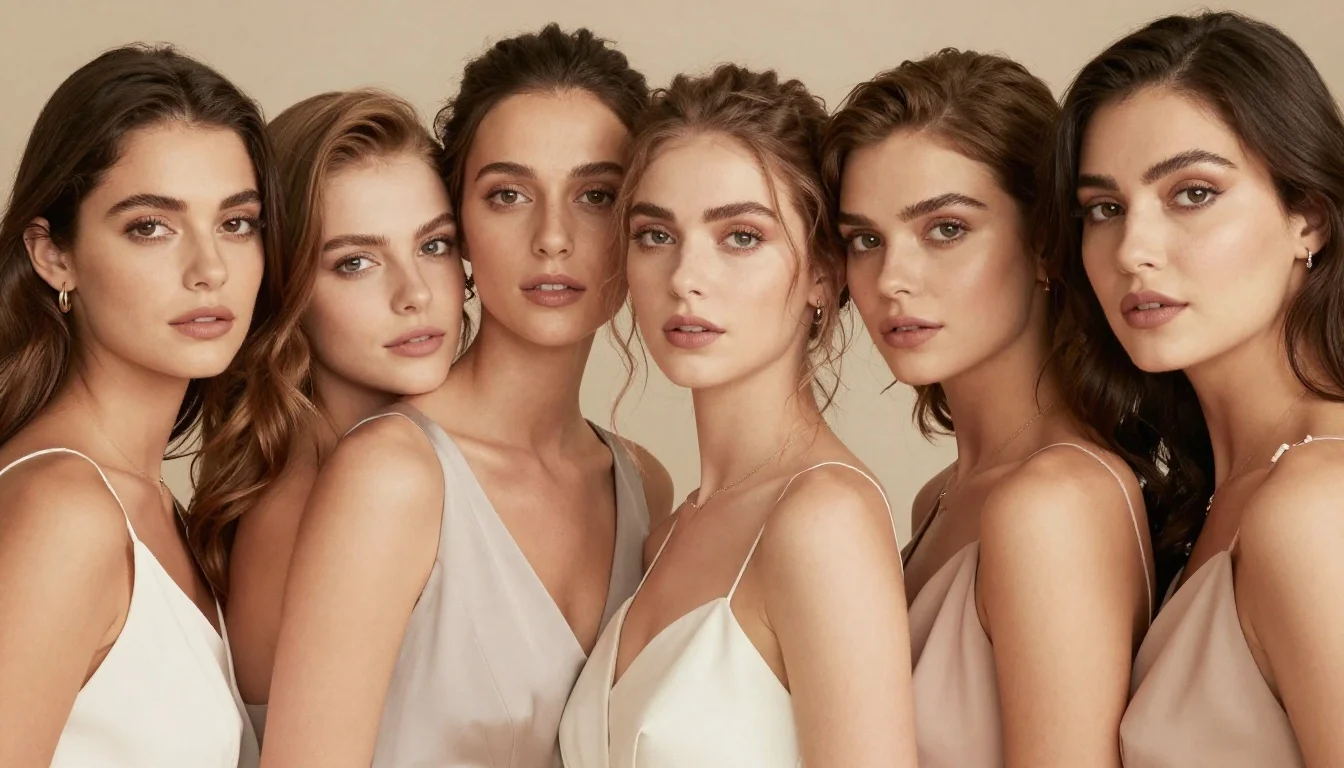
What bridesmaid dress colors are best for warm undertones?
Terracotta, warm rust, dusty peach, warm blush with peachy depth, warm sage, olive green, and golden neutrals are the most flattering bridesmaid colors for warm undertones. These shades amplify the golden quality in warm complexions. Avoid cool lavender, powder blue, cool grey, and cool fuchsia, which create temperature conflicts with warm skin.
Bridesmaid Dress Colors That Flatter Warm Undertones
Terracotta, Rust, and Warm Red
Terracotta and warm rust are perhaps the strongest possible bridesmaid colors for warm undertones. The orange-red quality directly amplifies the golden undertone in warm complexions, making skin look deeply tanned and luminous rather than yellow. These are highly photogenic — under both outdoor natural light and indoor flash, warm-undertoned skin in terracotta consistently looks among the most beautiful in wedding photos. They've become extremely popular wedding palette choices for exactly this reason.
Warm Earth Greens
Green tones with warm, yellow-green undertones (as opposed to cool, blue-green tones) harmonize beautifully with warm-undertoned skin. Olive green is particularly flattering — its yellow-green quality resonates with the warmth in the complexion, creating depth without any cool-warm clash. Warm forest green and moss provide more visual depth while retaining the warm-green harmony. Avoid cool, blue-tinted greens.
Warm Blush and Dusty Peach
Blush and peach tones with genuine warmth — as opposed to the cool, lavender-pink blushes that dominate bridal palettes — are beautifully flattering for warm undertones. Dusty peach and warm apricot add a rosy warmth to the complexion that feels cohesive and natural. Antique rose has enough depth to be visually interesting while retaining the warm quality. These are safe, romantic, and universally beautiful bridesmaid choices for warm-undertoned skin.
Gold, Champagne, and Warm Neutrals
Warm neutrals — particularly those with a genuine golden quality — reflect and amplify the warmth in the skin beautifully. Gold and champagne are especially stunning on medium-to-deep warm-undertoned skin, where the warmth of the dress and the warmth of the complexion create a luxurious, coordinated look. These are popular wedding choices that happen to be genuinely flattering for warm undertones rather than universally flattering (they tend to wash out cool undertones).

Ready to see terracotta & rust on your face?
Start my color analysisMaking Any Bridesmaid Dress Work with Warm Undertones
Advising the bride on color
Warm-undertoned bridesmaids have a natural advantage when advising on color: warm palettes are both universally flattering (they work well on warm and many neutral-undertoned skin tones) and photographically beautiful. Presenting terracotta, warm sage, blush-peach, or dusty gold as options is genuinely likely to benefit the whole party's photographs, not just warm-undertoned members.
When a cool color is chosen
If the bride has chosen a cool palette, warm your complexion from within rather than fighting the dress. Use a foundation that's perfectly matched to your warm undertone (not oxidizing cool), add bronzer lightly to the cheekbones and temples to emphasize warmth, and choose a lip color in warm rose, warm nude, or soft terracotta. A warm-toned blush — apricot or peach rather than cool berry — will do the most work.
Hair and accessories
Gold jewelry consistently flatters warm undertones better than silver, and in a bridesmaid context where you may not control the dress color, accessory choices can add warmth back into the look. Request gold-toned bridesmaid jewelry if it's being coordinated. Warm hair styling — whether that's warm-toned highlights or a warm burnishing oil on natural dark hair — further amplifies the overall warmth.
Group dynamics in mixed-undertone parties
Most bridal parties have a mix of undertones. The colors that work best across warm and neutral skin tones are warm earthy palettes — terracotta, warm sage, dusty rose with peachy depth, and warm camel. These do not work as well for distinctly cool undertones, but cool-undertoned individuals can compensate with makeup more easily than warm-undertoned individuals can compensate in a cool palette.
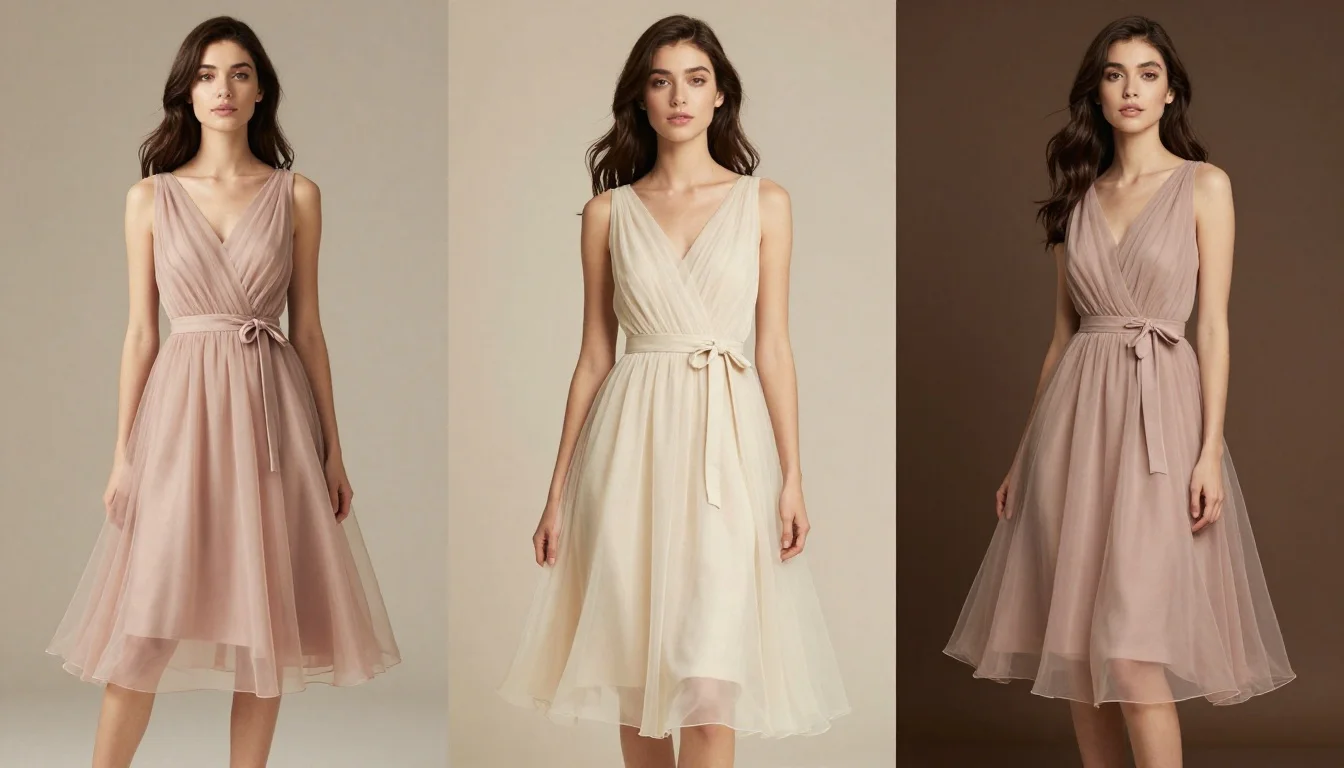
One album for the whole wedding party
Between fittings, the bachelorette and the big day, bridesmaid photos pile up everywhere. It helps to collect everyone's photos with one QR code instead of chasing group chats afterwards.
Dress Colors That Clash with Warm Undertones
Cool lavender and blue-purple
Lavender and cool purple tones are among the most unflattering colors for warm undertones because the cool, grey-blue quality creates a stark temperature conflict with golden skin. Under wedding lighting, this contrast makes warm-undertoned skin look yellow or sallow — the exact opposite of luminous. If the palette is purple-based, push toward warm plum, dusty mauve with warmth, or deep eggplant with red undertones.
Icy blue and powder blue
Cool blue shades drain warmth from the complexion without adding any complementary quality. The blue-grey undertone conflicts with the golden undertone in warm-toned skin, creating a visual flatness where the skin looks neither warm nor cool but simply dull. Warm-toned denim or teal with a warm component works significantly better.
Cool grey and silver
Ashy, cool grey and silver-toned dresses suppress the warmth in warm-undertoned skin rather than amplifying it. The grey cast reflects back onto the complexion, creating a draining effect. If grey is part of the palette, choose warm charcoal or taupe-grey with a brown or warm base rather than an ashy, cool grey.
Cool fuchsia and bright pink
Vivid cool pink and fuchsia shades have a blue-pink quality that clashes with the yellow-gold in warm undertones. Unlike warm blush or dusty rose, cool bright pinks pull the warmth out of the complexion rather than harmonizing with it. They tend to make warm-undertoned skin look yellow by contrast.
Stop guessing — preview every look on you
See these looks on my photoBridesmaid Color Swaps for Warm Undertones
Replacing cool shades that fight warm undertones with warm ones that amplify them.
Lavender creates a cool-warm clash that reads as sallow; warm dusty rose harmonizes with golden undertones and looks beautiful in photos.
Cool powder blue suppresses warmth; warm teal retains some of the blue family's depth while adding a green quality that works with warm undertones.
Cool mint has a blue-green quality that fights warm undertones; warm sage and olive have a yellow-green base that harmonizes with golden skin.
Cool grey drains warmth; champagne and camel mirror and amplify the golden quality in warm-undertoned skin.
Cool fuchsia creates a temperature conflict; warm blush and peach tones add rosy warmth that complements rather than clashes.
Cool-based brown flattens warm undertones; terracotta and warm rust are in the orange-earth family that makes golden skin glow.
Which Season Does Warm Undertone Point To?
Warm undertones appear across multiple seasonal palettes. Your depth of skin and natural contrast narrow down where you sit.
Warm Spring
Learn moreIf you have warm undertones in lighter or medium skin, bright clear eyes, and you feel best in fresh, clear, warm tones rather than muted ones, Warm Spring is likely your season. Bridesmaid power colors: warm coral, peach, warm gold, warm sage, apricot.
Warm Autumn
Learn moreIf you have warm undertones in medium-to-deep skin, rich dark eyes, and you feel most at home in earthy, muted, warm tones, Warm Autumn is likely your season. Bridesmaid power colors: terracotta, warm rust, olive green, deep warm gold, burnt sienna.
Deep Autumn
Learn moreIf you have warm undertones in deep skin with high contrast and a rich, dramatic quality to your overall coloring, Deep Autumn may be your season. Bridesmaid power colors: deep forest green, burgundy with warm base, deep warm brown, dark olive.
Find Colors That Make Your Warmth Shine
Warm-undertoned skin in the right bridesmaid dress looks genuinely luminous — golden, healthy, and striking in photographs. The exact shade that works best for you depends on whether your warmth runs light-peachy or deep-golden, what your eye color adds to the picture, and how bright or muted your overall seasonal palette tends to be. A personalized color analysis pinpoints your exact warm season and gives you the specific palette that makes your natural warmth glow.
Stop guessing — preview every color on you
Preview Yourself In Your Palette
Get my personalized paletteStop guessing — preview every color on you
Preview Yourself In Your Palette

Related Guides for Bridesmaid Dress Colors for Warm Undertones
Explore more personalized color advice based on your features.
Want to see these colors on you? Skin Undertone Test — free to try.
Frequently Asked Questions About Bridesmaid Dress Colors for Warm Undertones
What bridesmaid dress colors are best for warm undertones?
Terracotta, warm rust, dusty peach, warm blush with peachy depth, warm sage, olive green, and golden neutrals are the most flattering bridesmaid colors for warm undertones. These shades amplify the golden quality in warm complexions. Avoid cool lavender, powder blue, cool grey, and cool fuchsia, which create temperature conflicts with warm skin.
Can warm-undertoned bridesmaids wear cool-toned dresses?
Yes, but it requires makeup compensation. Warm bronzer on the cheekbones, warm-toned blush (apricot or peach rather than berry), warm lip color, and perfectly matched foundation will add warmth back to the complexion even in a cool dress. The more vivid and saturated the cool dress, the easier it is to compensate — pale, ashy cool dresses are harder to work with.
Does navy work for warm undertones in bridesmaid dresses?
Navy is somewhat divisive for warm undertones. Warm-undertoned navy — with a slight indigo or purple quality rather than a grey-blue quality — works better. Cool, grey-navy is less flattering. If navy is the palette, look for versions that read slightly warm or inky rather than cold and grey.
What about sage green bridesmaid dresses for warm undertones?
Warm sage with a yellow-green base is beautiful for warm undertones. Cool sage with a grey-green or blue-green base is less flattering. Ask to see the specific fabric swatch — sage varies significantly from warm to cool depending on the manufacturer. A warm-based sage adds harmony with the golden undertone; a cool sage creates a slight clash.
Is blush flattering for warm-undertoned bridesmaids?
Warm blush — dusty rose, peach-pink, antique rose — is very flattering for warm undertones. Cool blush — lavender-pink, icy pink — is not. The undertone of the blush matters as much as the shade family. When evaluating blush dresses, look for one that reads warm and peachy rather than cool and lilac-adjacent.