Best Tie Colorsfor Fair Skin
Fair skin is responsive to tie color in ways darker complexions are not. Discover which shades flatter you most — and which to skip.
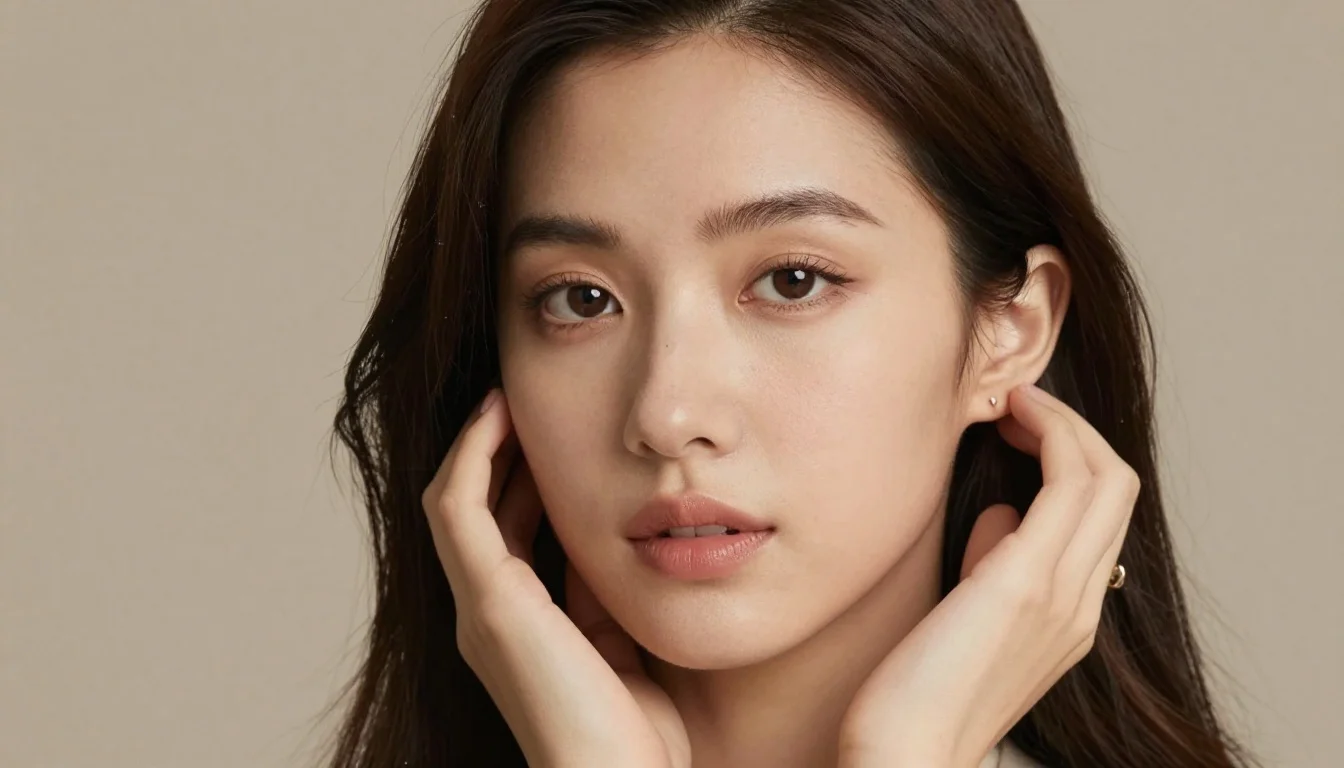
For men with fair skin, the tie plays a more significant color role than it does for darker complexions. Because pale skin picks up color casts from nearby fabric more readily, a tie worn at the collar has a direct effect on how your complexion reads. The wrong tie can make fair skin look washed out, sallow, or ruddy. The right one can make it look crisp, vivid, and healthy. This guide covers exactly which tie colors achieve the latter — with specific colors, patterns, and suit combinations.


3,000+
happy clients
Why Fair Skin Is More Sensitive to Tie Color
For men with fair skin, the tie plays a more significant color role than it does for darker complexions. Because pale skin picks up color casts from nearby fabric more readily, a tie worn at the collar has a direct effect on how your complexion reads. The wrong tie can make fair skin look washed out, sallow, or ruddy. The right one can make it look crisp, vivid, and healthy. This guide covers exactly which tie colors achieve the latter — with specific colors, patterns, and suit combinations.
Fair skin has high reflectivity — it bounces back light and picks up color temperature from nearby fabric more than medium or dark complexions. This means a warm amber tie worn near fair skin will cast a slight warm light on the complexion; a cool lavender tie will create a cooler, slightly more pallid effect. On dark skin, this optical interaction is largely masked by the depth of melanin. On fair skin, it's visible.
The practical implication: for fair-skinned men, tie color is not just about aesthetics but about complexion management. Colors that are genuinely warm and rich near fair skin add warmth and life to a pale complexion. Colors that are very cool and pale at the same time as the skin can create a flat, washed-out appearance. Depth in the tie helps — a deeper color has more visual weight and creates better contrast at the face, regardless of temperature.
The most important consideration for tie color on fair skin is undertone matching. Cool fair skin (pink, neutral-cool) tends to look its best with cool to neutral tie colors — deep navy, burgundy, forest green. Warm fair skin (peachy, golden) benefits more from warmer tie choices — amber, warm burgundy, camel-gold. Neutral fair skin gets the widest range but benefits most from rich, deep tones in any direction.
What tie color looks best on fair skin?
Deep navy and deep burgundy are the two most reliably flattering tie colors for fair skin. Navy provides cool contrast that works with most fair complexions. Burgundy adds warmth and richness near a pale face without overwhelming it. Both are classics because they genuinely work across the range of fair-skin undertones and suit colors.
Tie Colors That Look Sharp on Fair Skin
Deep Navy and Dark Blue
A deep navy tie is the most reliable, versatile formal tie for men with fair skin, particularly with cool or neutral-cool undertones. Navy has a cool quality that harmonizes with the pink or neutral quality of most fair complexions without creating a cold or washed-out effect — because the depth of the navy provides visual contrast at the face. A navy tie with a charcoal suit and white shirt on fair skin reads as clean, authoritative, and deliberately put-together.
Burgundy and Deep Red
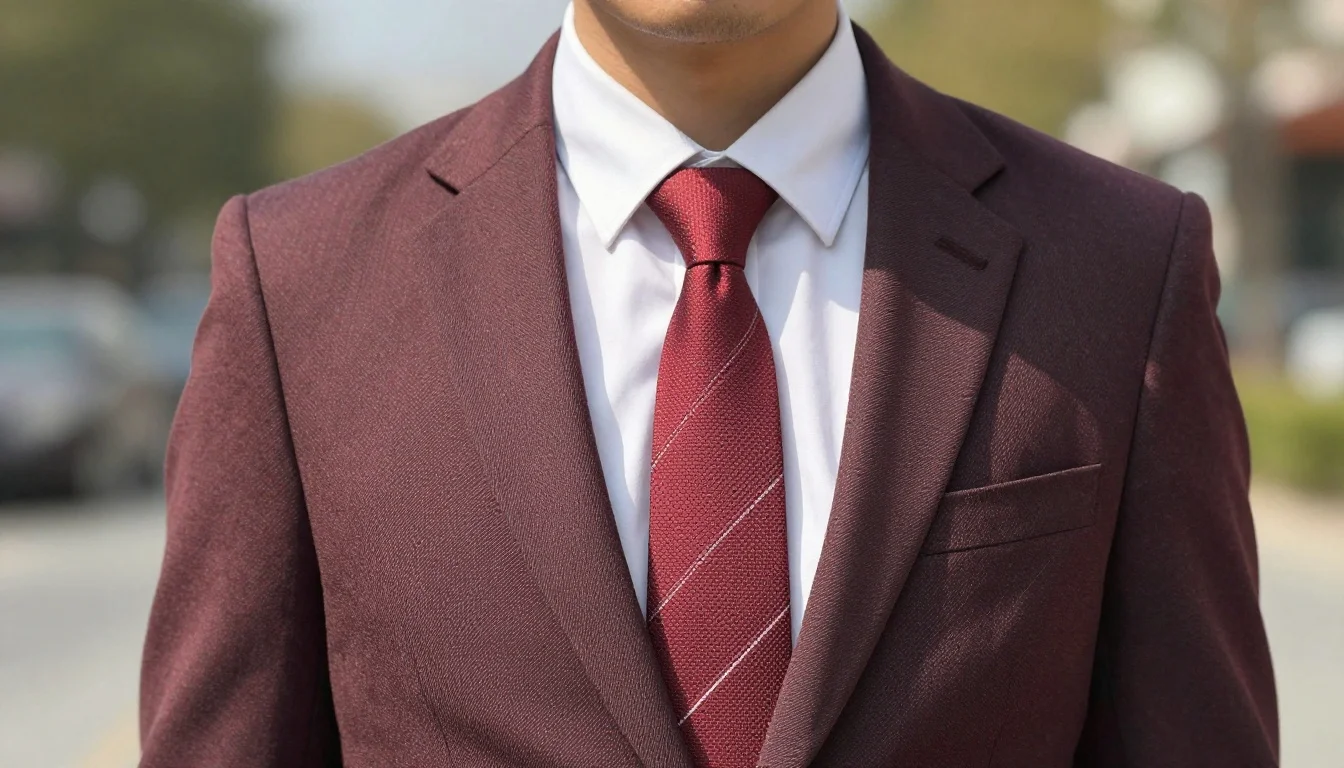
Burgundy is one of the best specialty tie colors for fair skin because it adds warmth near the face without the intensity of bright red. Against fair skin, burgundy reads as rich, formal, and sophisticated. It warms a pale complexion slightly without overwhelming it. Against a charcoal or navy suit, a deep burgundy tie creates a classic, polished combination that works across every professional context.
Forest Green and Deep Teal
Deep greens and teal work well on fair skin because they provide real color depth at the face without the temperature conflict issues of pink or very warm tones. Forest green in particular creates a distinctive, sophisticated look against pale skin — it contrasts without competing. Against a charcoal suit, a hunter green tie on fair skin reads as fashion-forward confidence. A navy and hunter green combination creates a more traditional, British-feel formality.
Classic Patterns in Refined Colors
Patterned ties with cool or neutral dominant colors and refined accent tones work well on fair skin. The pattern adds visual texture at the focal point while the overall tone remains in the cool-neutral range that most fair complexions suit. A navy and silver repp stripe is a classic, reliable choice. Burgundy with a gold dot pattern adds warmth and interest. Both read as considered rather than plain solid ties.

Ready to see midnight navy & navy on your face?
Start my color analysisTie Combinations for Fair Skin
The charcoal suit formula
A charcoal suit is your most versatile base. With a white shirt, your strongest tie choices for fair skin are: deep navy (clean, authoritative), deep burgundy (warm, formal richness), or forest green (distinctive depth). All three create real contrast at the face and provide color interest without any temperature conflict with a pale complexion.
The navy suit formula
For a navy suit on fair skin, your tie needs to complement without creating monotone navy-on-navy effect. Deep burgundy with a white shirt creates a strong classic combination — the burgundy warms and contrasts simultaneously. Dark green or forest green creates a distinguished alternative. Avoid a navy tie with a navy suit: the tonal similarity flattens the entire combination.
Warm fair skin tie choices
If your fair skin has genuinely warm (peachy, golden) undertones, you have stronger access to warm tie territory: deep gold, amber, warm teal, and even warm rust can work if the version leans toward golden-brown rather than orange. A charcoal suit with a white shirt and deep gold tie reads as warm, confident, and well-composed on warm-toned fair skin.
Shirt-tie interactions
For fair skin, the shirt you pair with your tie matters significantly. A white shirt provides the cleanest, most neutral foundation — it gives tie colors their best opportunity to read clearly near fair skin. Pale blue shirts work similarly. Avoid wearing colored shirts (purple, pink) with patterned ties on fair skin: the multiple color layers at the face add complexity that pale skin needs to absorb, and can look chaotic.
Tie Colors That Wash Out or Clash with Fair Skin
Very pale, cool pastels
Pale pastel ties in cool lavender, icy blue, or dusty lilac create a problematic combination with fair skin: both the tie and the skin are very pale, and both are cool in temperature. The result is a washed-out, flat appearance where neither feature stands out. The tie should provide visual contrast or warmth near the face — very pale, very cool ties do neither on a pale, cool complexion.
Orange and warm rust
Warm orange and rust ties create a temperature conflict with fair skin that has cool or pink undertones. The warm-orange quality reads as clashing against pink-cool fair skin — it makes the complexion look slightly off rather than complemented. If you want warm color in a tie, deep gold (which reads as yellow-warm rather than orange-warm) is a better choice for most fair complexions. Very warm, peachy-toned fair skin can handle warmer ties more successfully.
Neon and very saturated bright tones
Highly saturated, vivid tie colors — neon yellow, electric green, hot pink — can overpower fair skin visually. Because pale skin reflects color temperature from nearby fabric, a very vivid tie near fair skin creates a color cast that overwhelms the face. This is less about the tie looking bad in isolation and more about the overall combination — vivid colors near fair skin need rich depth in surrounding elements to be grounded.
Stop guessing — preview every look on you
See these looks on my photoTie Color Swaps for Fair Skin
Replacing the ties that wash out or clash with ones that sharpen and define.
Pale grey on fair skin creates zero contrast and zero warmth — both face and tie are pale and cool. Deep navy provides the contrast depth that frames fair skin cleanly.
Bright red can look garish next to fair skin. Burgundy gives you the formality of red with depth that makes it look deliberate and sophisticated rather than aggressive.
Pale blue knit lacks contrast against fair skin. Dark teal and forest green have real color depth — they add warmth and personality to the face without temperature conflict.
Orange creates a warm-clash with pink-cool fair skin. Burgundy-and-gold gives you warmth via gold without the orange-cool skin conflict. The result is visually richer and more refined.
Pale lavender on fair skin is the definition of washed out — too pale, too cool. Navy or forest green deliver depth at the face that makes fair skin look sharp and crisp.
Tie Palettes by Color Season
Fair skin spans several seasonal categories with different optimal tie palettes. Your exact season is determined by whether your fair skin runs cool, warm, or neutral, and what your hair and eye coloring adds.
Cool Winter
Learn moreIf you have very fair, cool-toned skin with dark hair and high natural contrast, Cool Winter is likely your season. Your best ties are vivid and cool: deep navy, clear emerald, cool crimson, and sapphire. You can handle the most intense colors in the tie spectrum and they look deliberate rather than overwhelming against your high-contrast coloring.
Cool Summer
Learn moreIf you have fair skin with soft pink undertones, lighter hair, and medium-low natural contrast, Cool Summer is likely your season. Your best ties are in muted, medium-depth cool tones: soft navy, dusty teal, muted burgundy. The muted quality is important — Cool Summer fair skin looks better with sophisticatedly muted colors than with vivid intensity.
Light Spring
Learn moreIf you have fair skin with warm peachy undertones, light warm hair, and a delicate, warm overall look, Light Spring captures your coloring. Your best ties are warm and light-to-medium depth: warm camel-gold, soft teal, coral-adjacent warm tones. Avoid very deep, dark ties — they can be too heavy against your lighter warm complexion.
Find Your Exact Tie Color Range
Fair skin is the complexion most sensitive to tie color — because pale skin picks up color casts from nearby fabric, the right tie actively improves your complexion and the wrong one actively diminishes it. Your specific undertone (cool-pink, warm-peachy, neutral) determines which end of the tie spectrum is most flattering. A personalized color analysis identifies your exact undertone and seasonal palette, giving you a precise list of tie colors and combinations where your fair skin looks its sharpest.
Stop guessing — preview every color on you
Preview Yourself In Your Palette
Get my personalized paletteStop guessing — preview every color on you
Preview Yourself In Your Palette

Related Guides for Best Tie Colors for Fair Skin
Explore more personalized color advice based on your features.
Want to see these colors on you? What Colors Look Good on Me — free to try.
Frequently Asked Questions About Best Tie Colors for Fair Skin
What tie color looks best on fair skin?
Deep navy and deep burgundy are the two most reliably flattering tie colors for fair skin. Navy provides cool contrast that works with most fair complexions. Burgundy adds warmth and richness near a pale face without overwhelming it. Both are classics because they genuinely work across the range of fair-skin undertones and suit colors.
Should men with fair skin avoid red ties?
Not entirely — but the type of red matters. Deep burgundy and claret (cool-warm red with brown depth) are very flattering for fair skin. Bright cherry red and vivid crimson can look too stark next to very pale skin. The key is depth: a deep, rich red works; a bright, saturated candy red can overwhelm a pale complexion.
Can fair-skinned men wear orange or rust ties?
Orange and rust ties are generally difficult for fair skin with cool or pink undertones — the warm-orange quality creates temperature conflict with pink-cool skin. For warm-toned fair skin (peachy, golden), burnt amber or deep copper tones can work. Avoid bright orange regardless of undertone — the saturation combined with the warm conflict is too much near a pale face.
What patterned tie works best for fair skin?
Repp stripes and small geometric patterns in deep, clear color combinations work best. A navy and silver stripe, a deep burgundy and gold dot, or a hunter green and navy club stripe are all strong choices. The pattern adds visual interest at the face level while keeping the overall tone in the cool-neutral range that most fair complexions suit. Avoid very pale, very fine patterns — they disappear rather than contribute.
Does pale skin look good with a green tie?
Deep green yes, bright yellow-green no. Forest green, hunter green, and deep teal work well on fair skin — they provide real color depth without temperature conflict. Bright lime or grass green can look garish next to a pale complexion because the vivid yellow-green picks up on cool undertones in an unflattering way. Stick to the deep, rich green family.