Best Dress Colors forWarm Undertones
Warm undertones have a yellow-golden base that makes certain dress colors come alive and others look flat. Discover which shades flatter you most — and which to skip.
Warm undertones have a yellow-golden base beneath the skin that reacts to color in a specific way — warm, earthy colors harmonize and look intentional, while cool, blue-based colors create a subtle but visible disconnect. Finding the right dress color isn't complicated once you understand your undertone's logic.


3,000+
happy clients
How Warm Undertones Interact with Dress Color
Warm undertones have a yellow-golden base beneath the skin that reacts to color in a specific way — warm, earthy colors harmonize and look intentional, while cool, blue-based colors create a subtle but visible disconnect. Finding the right dress color isn't complicated once you understand your undertone's logic.
Warm undertones have yellow and golden pigments in the skin. These pigments create a warm quality to the complexion that resonates with colors in the same register — earthy tones, warm reds, rich greens, and muted warm neutrals all share the golden quality that makes them look cohesive against warm skin.
The principle works in two directions: warm-resonant colors (those with golden, orange, or yellow warmth) harmonize with warm undertones and look intentional. Cool-based colors (pure blue, cool purple, blue-red) create a subtle but visible visual friction — the blue quality in the color fights the yellow quality in the skin.
Dress color matters more than most other garment choices because a dress sits against the neck, décolletage, and arms — areas closest to the face and skin. A dress that resonates with your undertone makes your entire complexion look more alive. One that clashes creates a flatness that foundation and blush can't easily fix.
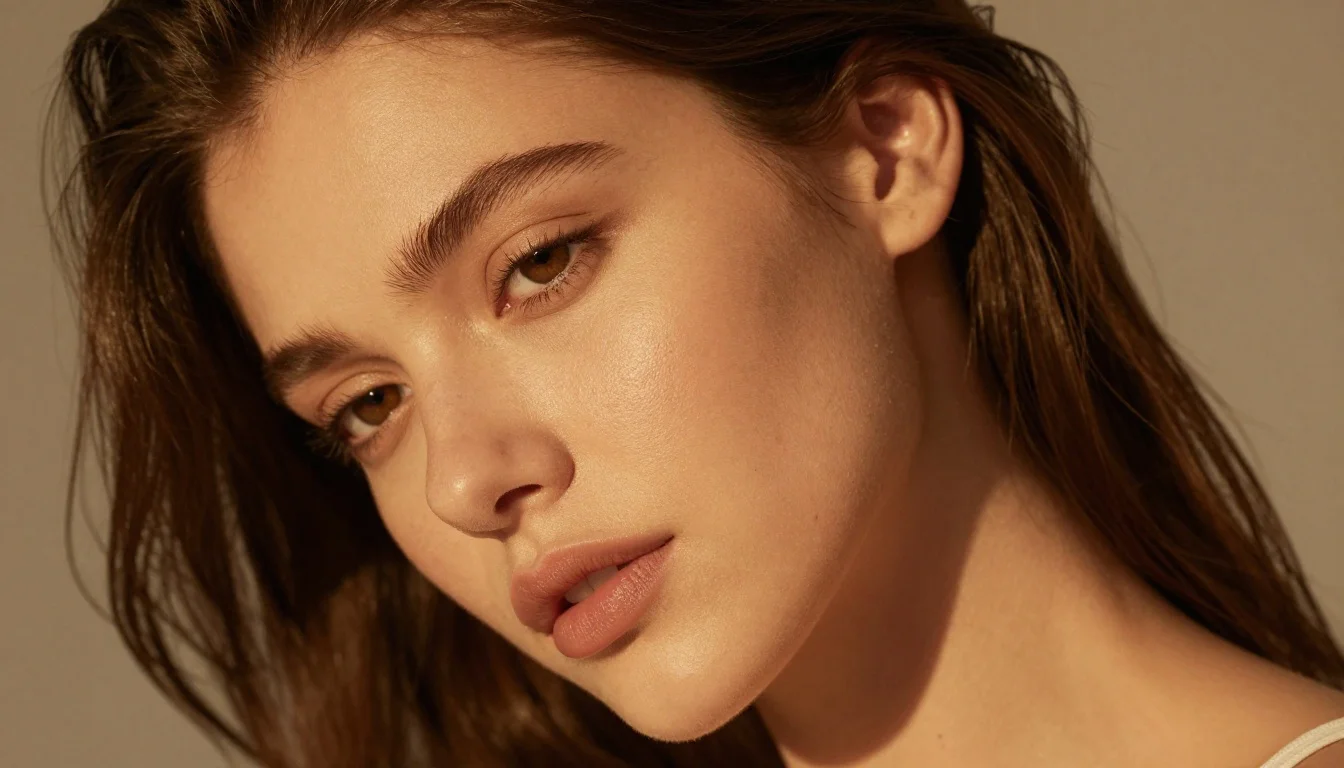
What dress colors look best on warm undertones?
Warm earth tones (terracotta, rust, burnt sienna), warm reds (coral, tomato red, warm brick), warm greens and teals (warm olive, warm teal), and deep warm jewels (warm burgundy, cognac, amber) all look particularly flattering on warm undertones. The consistent principle: choose warm versions of any color family — those with golden, orange, or yellow warmth rather than cool, blue, or grey quality.
Your Best Dress Colors
Warm Earth Tones (Your Natural Resonance)
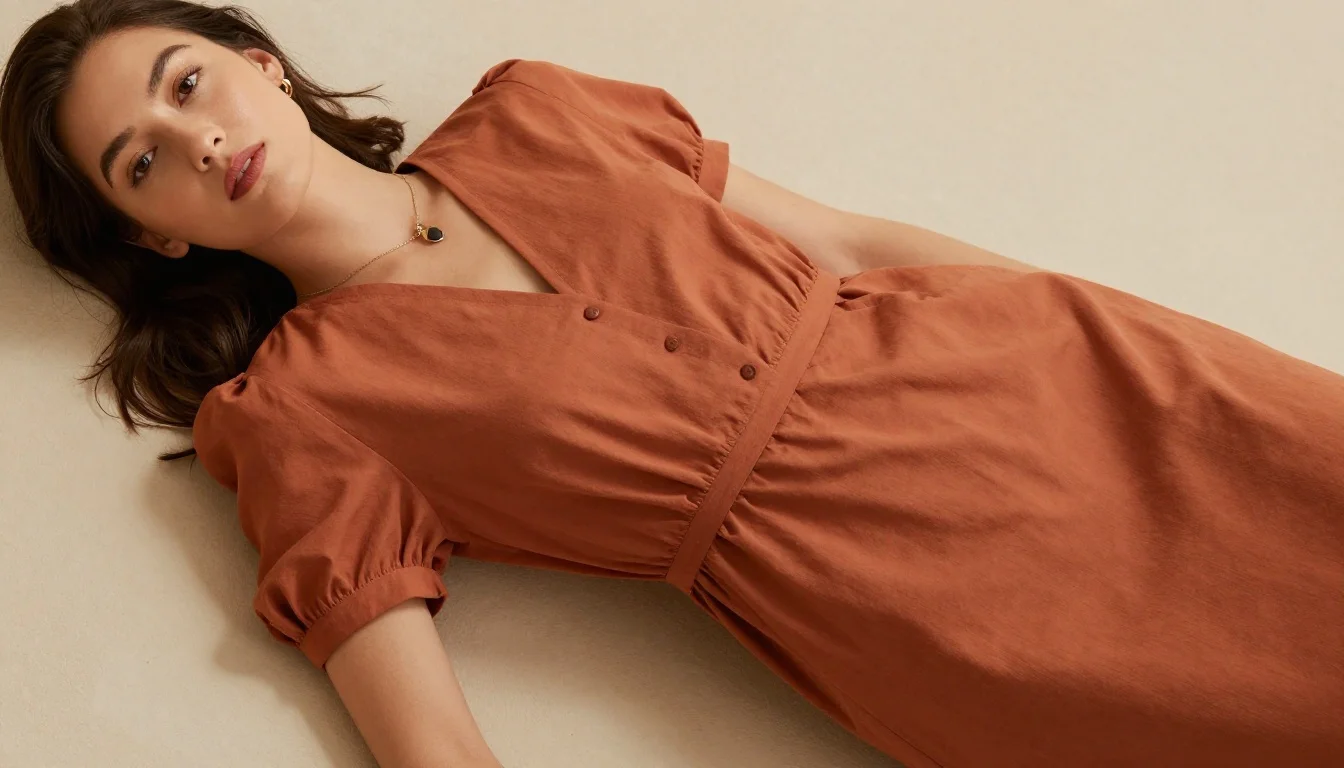
Earthy warm tones share the yellow-golden register of warm undertones and create an immediate resonance — the color and the skin look like they belong together. Terracotta is the standout for warm undertones: the orange-warmth creates a cohesive, sun-kissed effect that looks more intentional than the same color on cool skin. Warm rust adds depth; burnt sienna adds richness; deep camel creates tonal warmth that's sophisticated without being loud.
Warm Reds & Corals (Vibrant Harmony)
Red looks different depending on its undertone, and warm reds are where warm skin truly shines. Coral-red and warm tomato red have orange warmth that resonates with warm skin's yellow-gold base, creating a vivid, polished look. Cool reds (crimson, blue-red) create a subtle clash that makes the skin look slightly sallow. For dress color, warm red is your most impactful statement — it looks expensive and intentional on warm undertones.
Rich Warm Greens & Teals (The Unexpected Best Choice)
Warm-based greens and teals are unexpectedly excellent for warm undertones. Warm olive resonates with the yellow-green quality that some warm undertones carry — it creates a deep, earthy harmony. Warm teal is particularly flattering: the blue-green warmth creates a sophisticated complement to warm skin without the cool clash of pure blue. Rich warm forest with a brown quality creates the same effect with more depth.
Deep Warm Jewels (Evening and Rich Occasions)
Deep jewel tones for warm undertones need to stay in the warm register. Warm burgundy — leaning toward wine-brown rather than purple — creates rich depth that resonates with warm skin. Deep amber is the golden jewel tone that most directly echoes warm skin's base. Rich cognac delivers sophisticated warmth with maximum depth. Warm deep plum with a reddish-brown quality works where cool purple would fail.

Ready to see terracotta & rust on your face?
Start my color analysisBuilding the Best Dress Looks for Warm Undertones
Your everyday dress strategy
For daily dressing: choose dresses in your warm earth family (terracotta, camel, warm rust) or warm neutrals (cream, golden ivory) as your wardrobe foundation. These create automatic resonance with warm undertones without requiring thought. For a pop of color: a warm coral or teal dress creates a statement that feels vivid and intentional. One warm-undertone jewel-tone dress (cognac, warm burgundy) handles all occasions where you want depth.
Choosing the right red dress
Red is where warm undertone knowledge pays off most. A warm red dress (coral-red, tomato red, warm brick) on warm skin looks rich and deliberate — the undertone resonance creates a high-impact look without looking costumey. A cool red dress on warm skin looks slightly disconnected, as if the color is floating against the skin rather than belonging to it. Test red dresses near your face in natural light: warm red glows, cool red fights.
Neutrals for warm undertones
The best neutral dress colors for warm undertones are warm: camel, golden ivory, cream, and warm beige. These create a sophisticated base that resonates with warm skin's yellow-golden quality. For occasions where you want to appear polished without being loud, a camel sheath dress or warm ivory midi is more flattering than grey, cool white, or beige with a pink cast.
Making cool colors work strategically
If you love cool colors — blue, cool purple, grey — there are ways to make them work. Choosing deeper, richer versions rather than pastel or icy reduces the clash. Adding warm accessories (gold jewelry, warm-toned scarf at the neckline) buffers the contrast between cool dress and warm skin. Keeping cool colors below the waist places the undertone conflict away from the face.
Dress Colors That Fight Warm Undertones
Cool, blue-based reds
True crimson, cherry red, or any red that veers toward purple or magenta has a blue undertone that fights warm skin's yellow-gold base. The contrast creates a subtle but visible mismatch — the dress looks slightly 'off' against warm skin even though it reads as a standard 'red.' Always look for warm reds (coral, tomato, orange-adjacent) rather than cool reds.
Pure cool blue or icy pastel blue
Pure cool blue has a strong blue undertone with no warm quality — it sits at the far end of the spectrum from warm skin's yellow-gold base. The contrast isn't a flattering complement; it's a cool-warm mismatch. If you love blue dresses, choose blue with a teal quality (which has green warmth) or deep navy (which has enough depth to bridge the contrast).
Cool purple and lavender
Purple and lavender in their cool, blue-leaning versions have no resonance with warm undertones. The blue-purple quality creates the same cool clash as pure blue. If you love purple, choose warm plum (which leans red-brown), deep warm aubergine, or berry shades that stay warm rather than blue.
Cool stark white
Very cool, blue-white can make warm skin look slightly yellow by contrast — the cool white's brightness and coolness highlights the yellow-gold quality in warm skin in an unflattering way. If you love white dresses, choose warm ivory, cream, or off-white with no cool cast.
Stop guessing — preview every look on you
See these looks on my photoDress Color Swaps for Warm Undertones
Replace cool-based dress colors with warm alternatives that make your complexion glow.
Cool reds create undertone mismatch. Warm reds resonate with warm skin and look rich and polished.
Cool blue fights warm undertones. Warm teal provides a blue-adjacent option that stays in the warm register.
Cool purple has no resonance with warm skin. Warm burgundy and plum provide richness while staying warm.
Cool white highlights warm skin's yellow quality. Warm ivory creates freshness without the undertone clash.
Cool brights fight warm undertones. Earthy warms create the same statement impact in your undertone's register.
Silver reads cool against warm skin. Gold and amber metallics resonate with warm skin's golden base perfectly.
Which Seasonal Palette Are You?
Warm undertones span multiple seasonal palettes. Your exact season determines how vivid, muted, or deep your dress colors should be.
Warm Spring
Learn moreClear, bright warm undertones. Your dress palette is vivid and warm: coral, bright warm teal, warm peach, clear golden yellow. Warm colors at their brightest and freshest.
Warm Autumn
Learn moreRich, muted warm undertones. Your dress palette is earthy and deep: terracotta, cognac, warm rust, deep olive. Warm colors at their most earthy and sophisticated.
Deep Autumn
Learn moreDeep, warm undertones with strong depth. Your dress palette handles the richest warms: deep terracotta, dark cognac, warm burgundy, burnt sienna. Bold depth with warm warmth.
Find Your Exact Warm Undertone Dress Palette
Warm undertone dress colors span a wide range — from vivid coral to earthy terracotta to deep cognac — and your perfect shades depend on whether you're a warm-bright (Spring) or warm-muted (Autumn) seasonal type. A personalized color analysis identifies your exact season and gives you a precise dress color guide: the exact warm red, the exact neutral, and the exact evening color that makes your warm complexion look most radiant.
Stop guessing — preview every color on you
Preview Yourself In Your Palette
Get my personalized paletteStop guessing — preview every color on you
Preview Yourself In Your Palette

Related Guides for Best Dress Colors for Warm Undertones
Explore more personalized color advice based on your features.
Want to see these colors on you? Skin Undertone Test — free to try.
Frequently Asked Questions About Best Dress Colors for Warm Undertones
What dress colors look best on warm undertones?
Warm earth tones (terracotta, rust, burnt sienna), warm reds (coral, tomato red, warm brick), warm greens and teals (warm olive, warm teal), and deep warm jewels (warm burgundy, cognac, amber) all look particularly flattering on warm undertones. The consistent principle: choose warm versions of any color family — those with golden, orange, or yellow warmth rather than cool, blue, or grey quality.
Can warm undertones wear blue dresses?
Yes — but the blue matters. Pure cool blue and icy blue create a subtle undertone mismatch against warm skin. Warm teal (which has green warmth) works beautifully. Deep navy (which has enough depth to bridge the contrast) also works. The safest approach for warm undertones who love blue is to choose teal or deep navy rather than pure medium blue.
What colour dress should warm undertones avoid?
Warm undertones should avoid: cool, blue-based reds (look slightly disconnected), pure cool blue (fights the yellow-gold base), cool purple and lavender (no undertone resonance), and stark cool white (highlights yellow quality in skin). The pattern: avoid colors with a cool, blue, or grey undertone that creates visible contrast with warm skin's yellow-golden quality.
What is the best red dress for warm undertones?
The best red dress for warm undertones is a warm red: coral-red, tomato red, orange-adjacent red, or warm brick. These share the golden-warm register of warm skin and create resonance. Avoid cool crimson, cherry, or blue-based reds — the cool undertone creates a mismatch. Test by holding fabric near your face: warm red looks like it belongs with your skin; cool red looks slightly foreign.
Does orange look good on warm undertones?
Yes — warm, earthy oranges (burnt sienna, terracotta, warm rust) look particularly flattering on warm undertones. The orange-warmth resonates directly with warm skin's yellow-golden base. Bright, vivid orange also works for warm spring types. The shades to avoid are pale, washed-out oranges that look peachy-beige without depth, or cool-orange tones that pull pink.
What formal dress colors work for warm undertones?
For formal occasions: warm burgundy (rich, elegant, and warm), deep amber (golden and luxurious), warm navy (sophisticated without cool clash), and terracotta (unexpected but stunning) all work beautifully. Gold metallic is the warm-undertone formal statement color — it resonates perfectly with warm skin's golden base and looks luxurious at evening occasions.